

Formula: 38152 Difficulty level: medium Validity: min 3 months optimum pH: 4,5-5 Phase Ingredients Dosage % Total 100 gr A Tomato seed oil 10 10 gr A Burdock oil 8 8 gr A Broccoli oil 4 4 A...
| Product size | Suitable pump | |
| 50 ml, 90 g, 100 ml |
|
|
| 200 g, 250 ml |
|
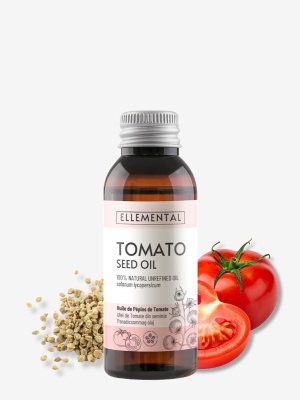
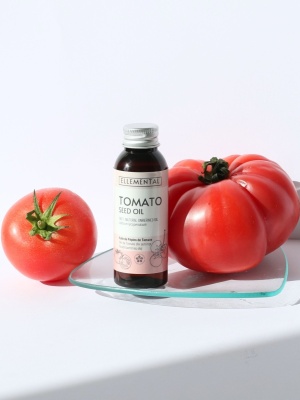
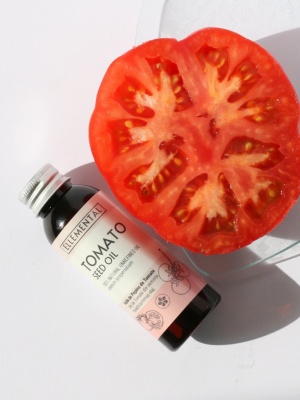
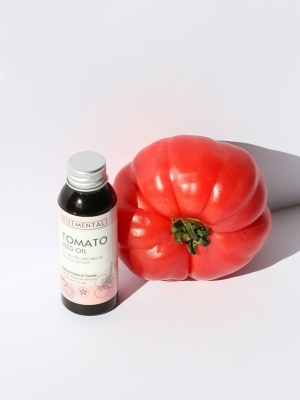
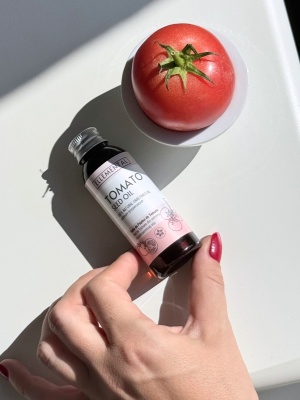
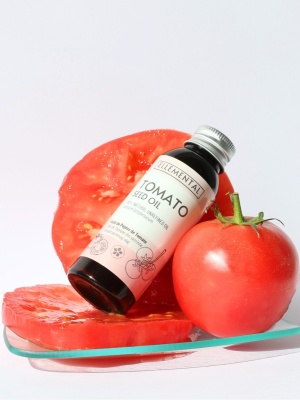
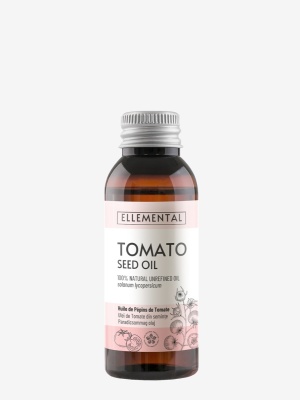
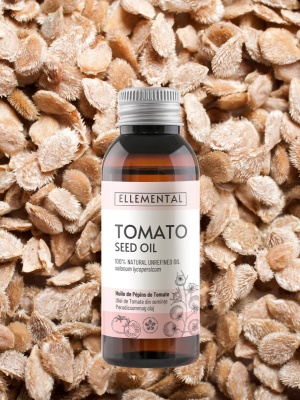
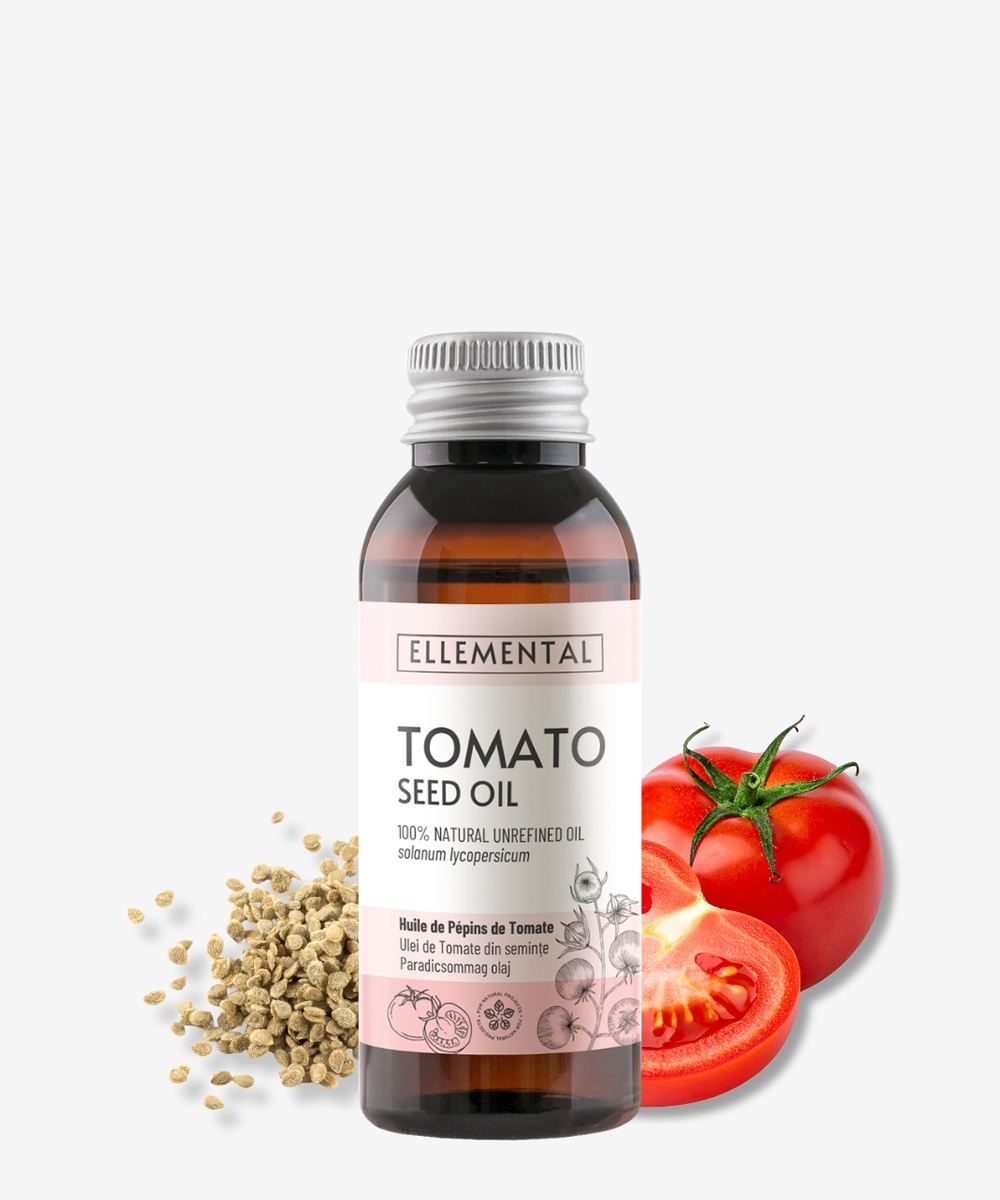
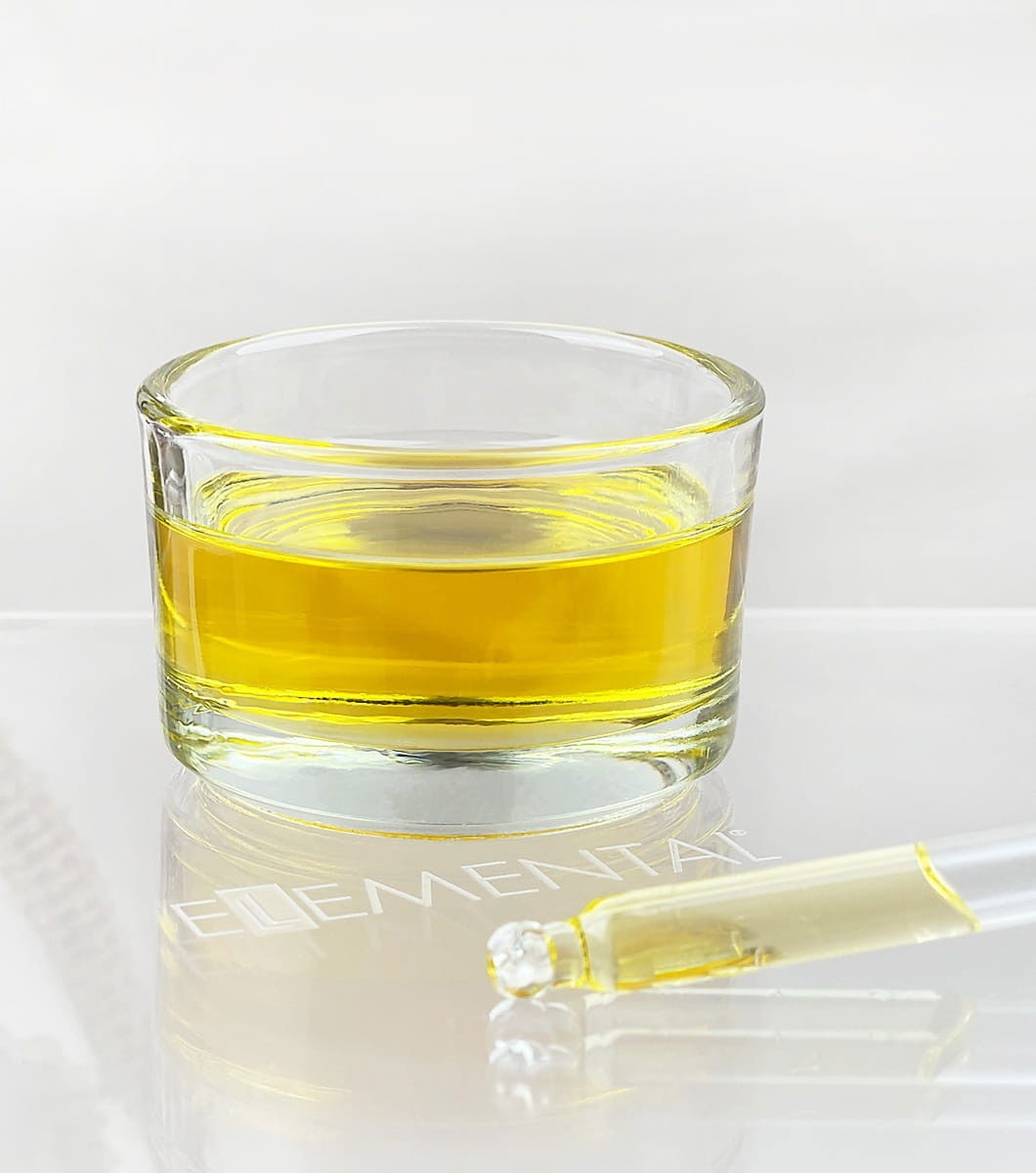
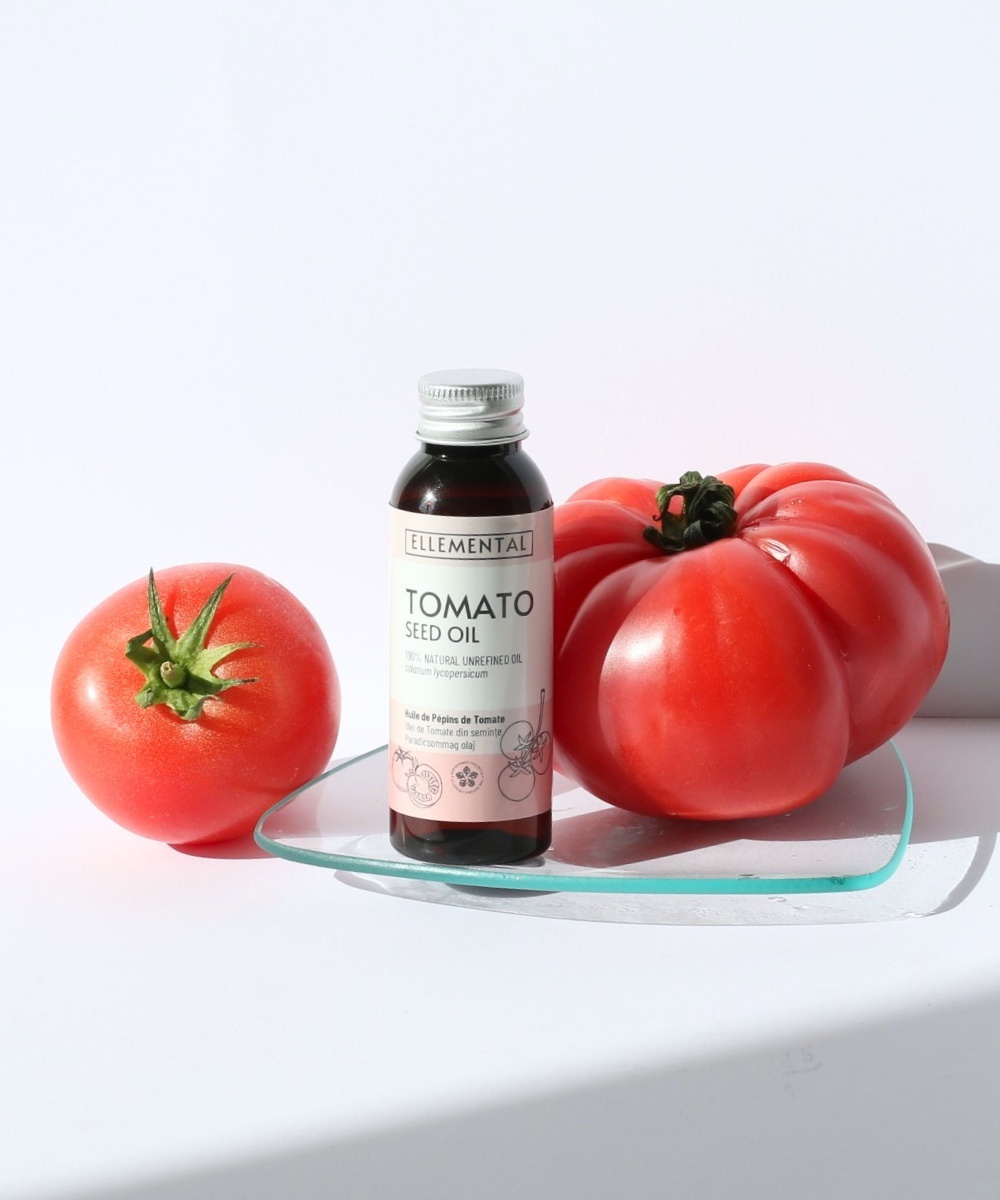
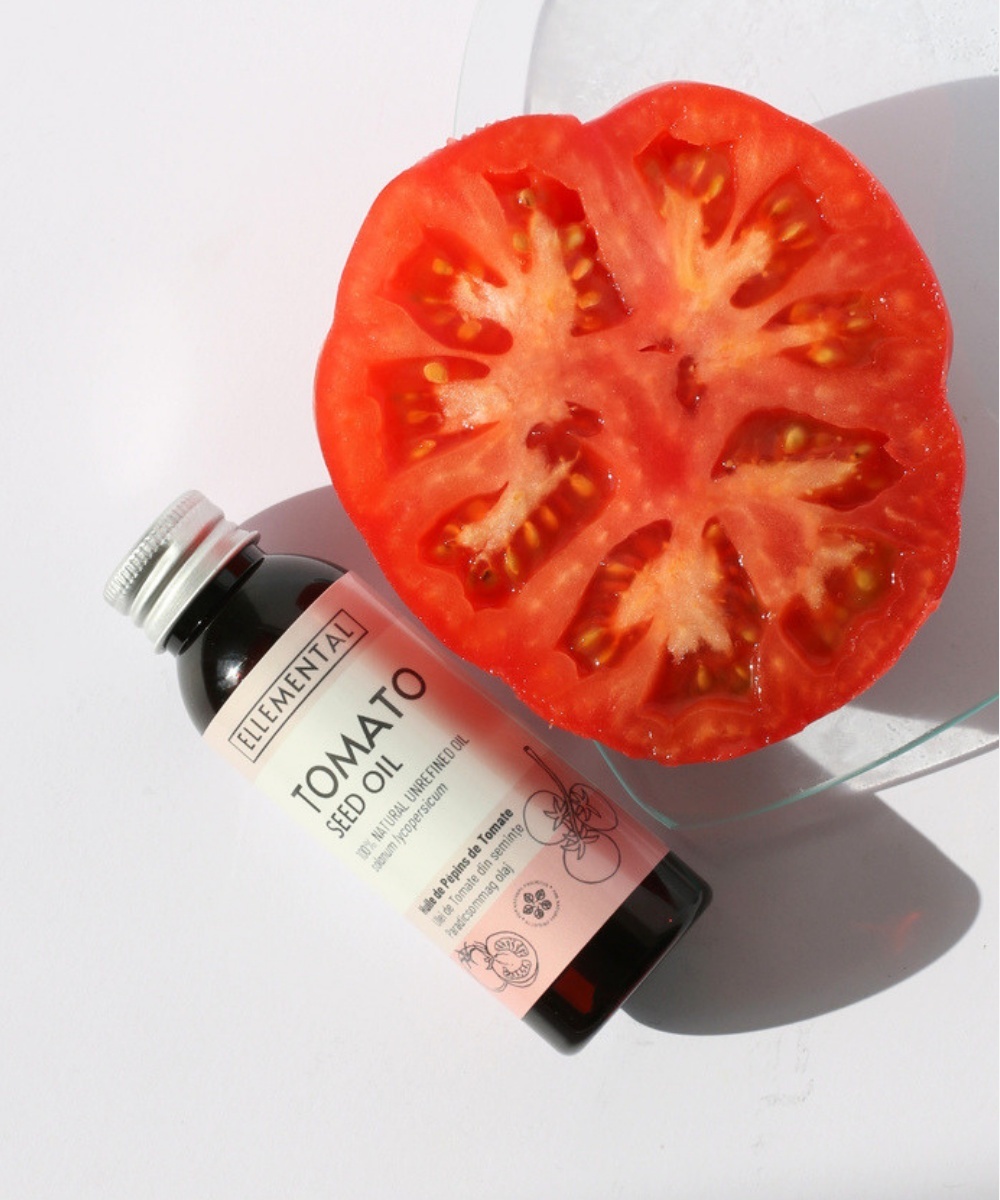
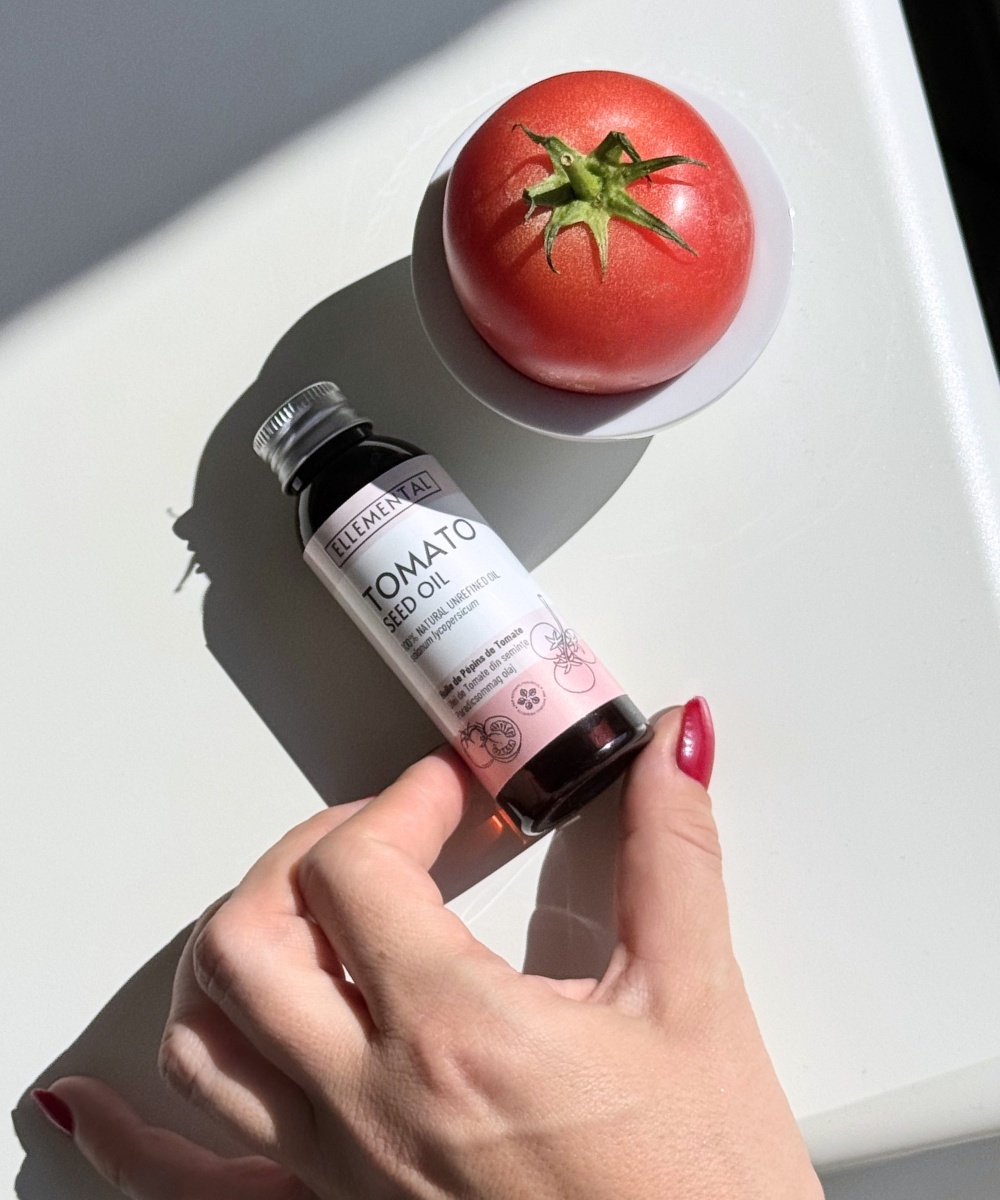
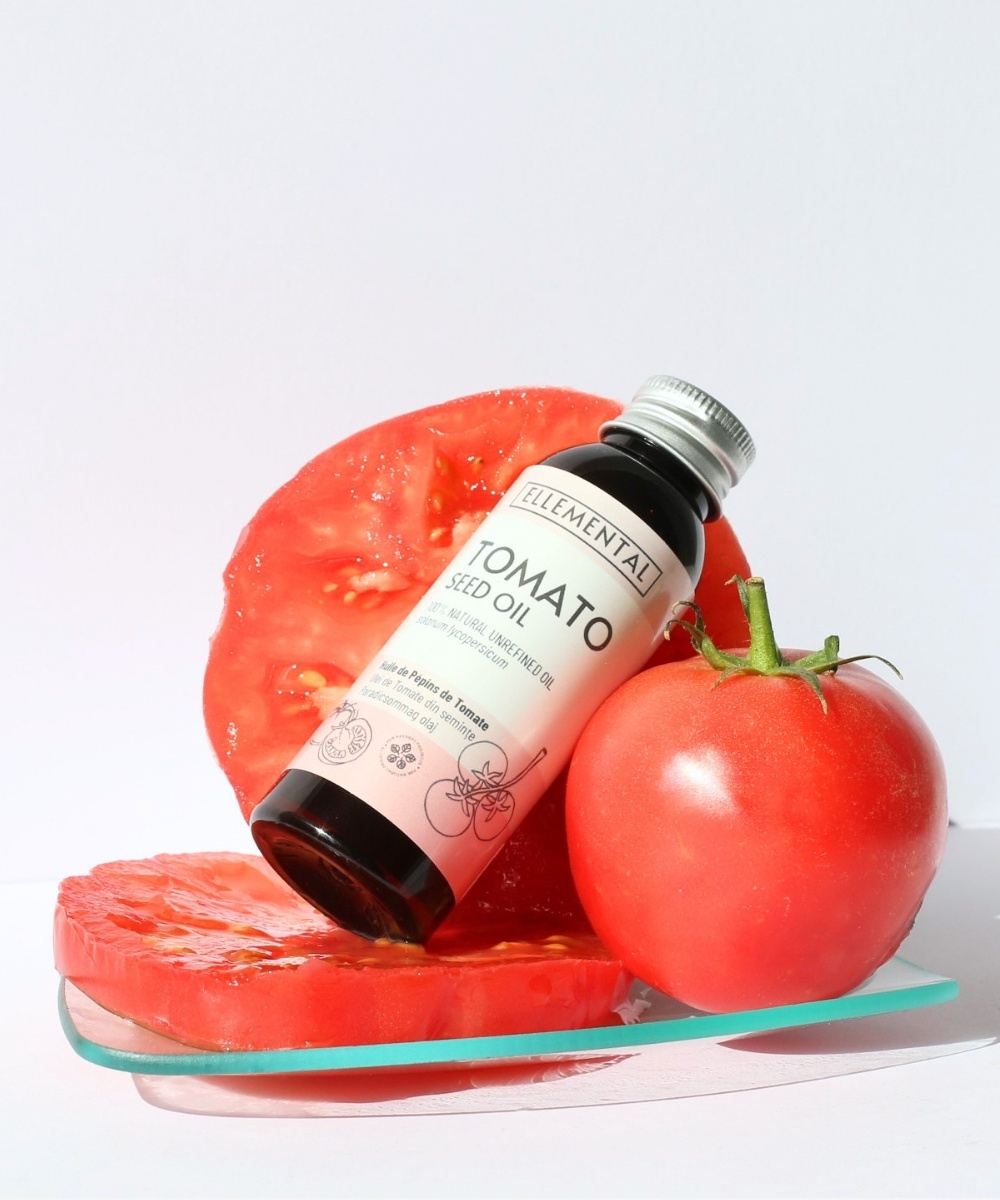
Tomato Seed Oil (Solanum lycopersicum) is a rare and precious oil that, thanks to its base rich in lycopene, carotenoids, and phytosterols, offers excellent antioxidant protection, helping to counteract the effects of free radicals and prevent signs of premature aging. It is suitable for all skin types, with a special affinity for mature, tired skin affected by urban stress or frequently exposed to the sun, which it revitalizes without leaving an intensely greasy feel.
It is valued for its ability to restore radiance to dull or devitalized skin, making it a good choice for cosmetic applications that even out skin texture and for preparing the skin before and after sun exposure. It is highly recommended for mature, aging skin, but it is also suitable for more oily, acne-prone skin, being one of the few antioxidant oils that is reasonably well tolerated by skin with excess sebum.
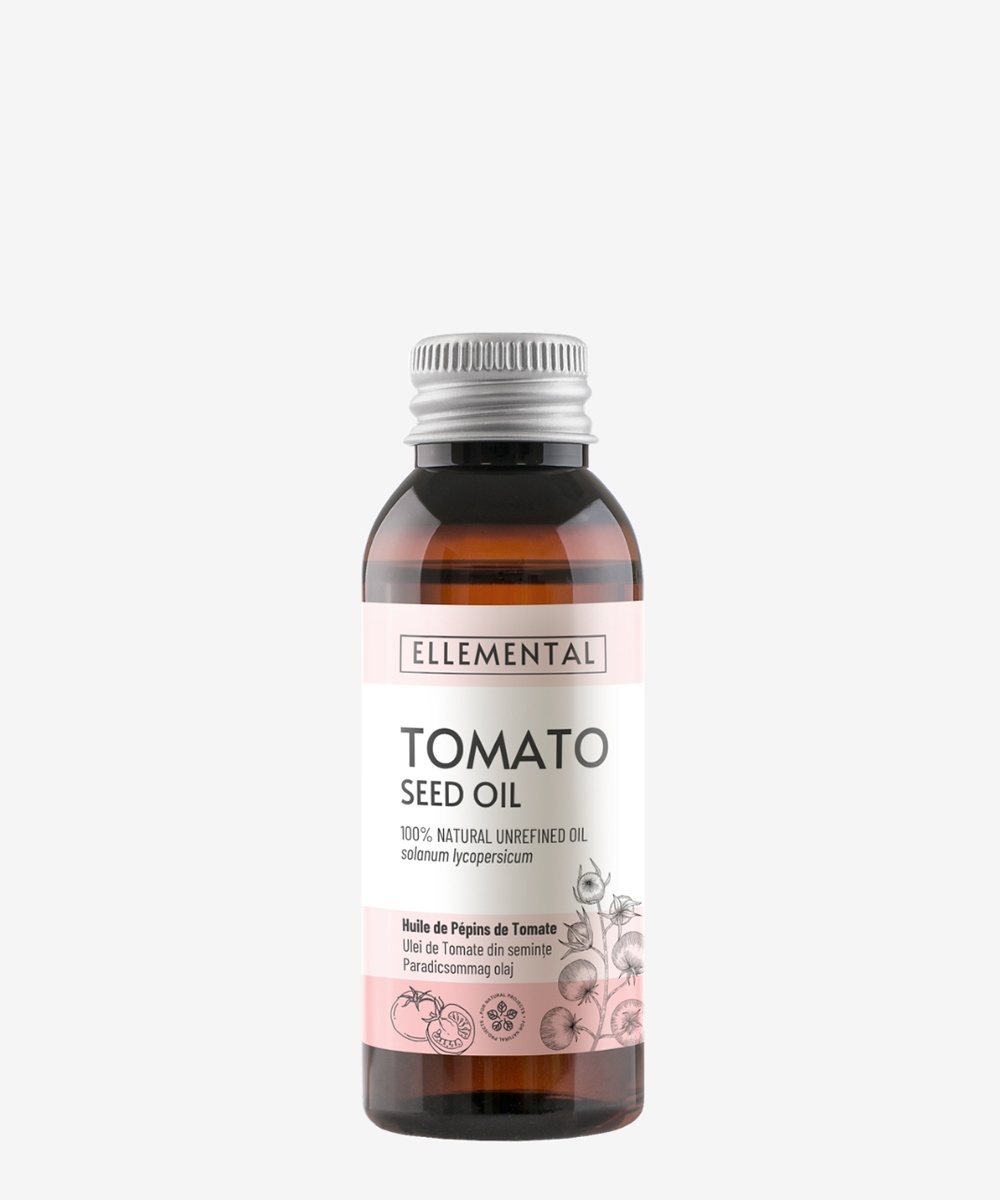
Ingredients: Solanum Lycopersicum Seed Oil
100% natural, free of preservatives, free of additives.
Tomato Seed Oil is suitable for any skin type, especially mature skin, but it also brings benefits and is well enough tolerated by oilier skin types. An interesting oil for anti-photoaging treatments.
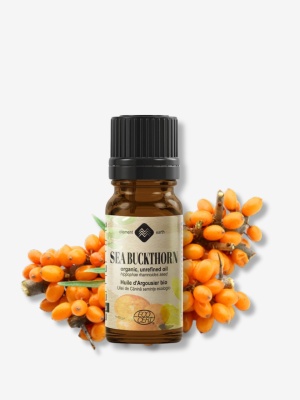
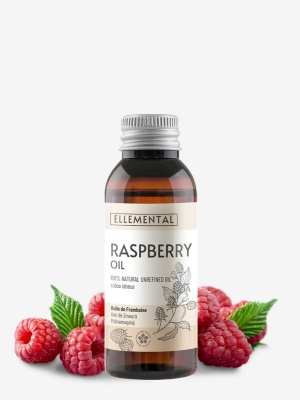
As an intensive antioxidant and anti-aging serum, the synergy with Organic Sea Buckthorn Oil, Coenzyme Q10 and Carrot Extract completes the active profile. On oily skin with blemishes, the association with Jojoba Oil and Grapeseed Oil maintains a light texture. As a natural sun adjuvant, combining it with Karanja Oil and Raspberry Seed Oil supports a cumulative antioxidant protection profile.
At the body level, it is useful in sun care and after-sun formulas due to its antioxidant profile and cellular protection qualities.
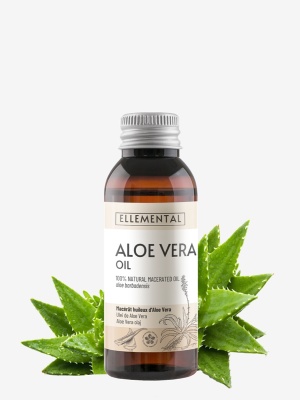
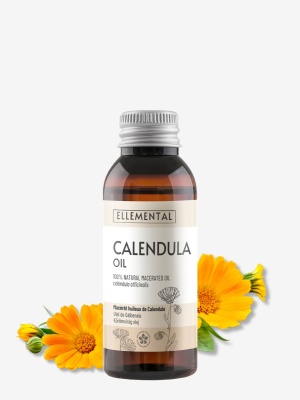
As an ingredient in after-sun formulas, the synergy with Calendula Oil and Aloe Vera Oil completes the soothing and repairing effect.
On hair, it contributes to the protection of color-treated fibers, reducing the negative impact of sun rays and imparting shine.
As a protective serum for color-treated hair, the synergy with Karanja Oil and Phyto-Silicone completes color protection and forms an optimal texture for application.
Does it stain the skin orange?
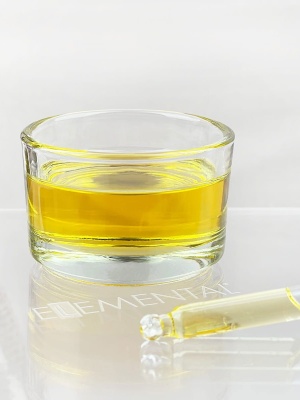
No, when applied in moderate amounts and massaged well, the oil is absorbed into the skin without leaving residual stains. Its tint only offers a discreet radiance effect (a "healthy glow" effect), visually evening out pale skin tones.
Does it replace a sunscreen?
No. Carotenoids offer partial natural protection against UV rays, but this is not equivalent to an approved sun filter according to EC Reg. 1223/2009. It should be used as an adjuvant, not a replacement.
Is it suitable for acne-prone skin?
Its non-greasy texture and superior absorption make it one of the few antioxidant oils well tolerated by skin with excess sebum or acne tendencies.
Safety in use
Cosmetic product for external use only. Do not ingest. Avoid contact with eyes.
Storage, preservation
Keep the bottle closed, in a cool place, away from direct light.
Write a valid review and earn loyalty points worth €0.40