Description
Organic Comfrey Extract – Supporting Skin Regeneration and Comfort for the Skin
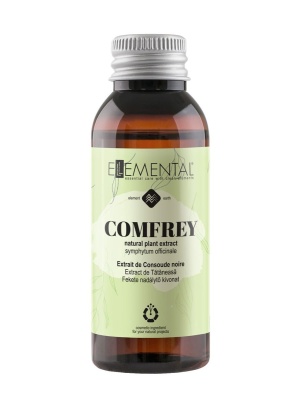
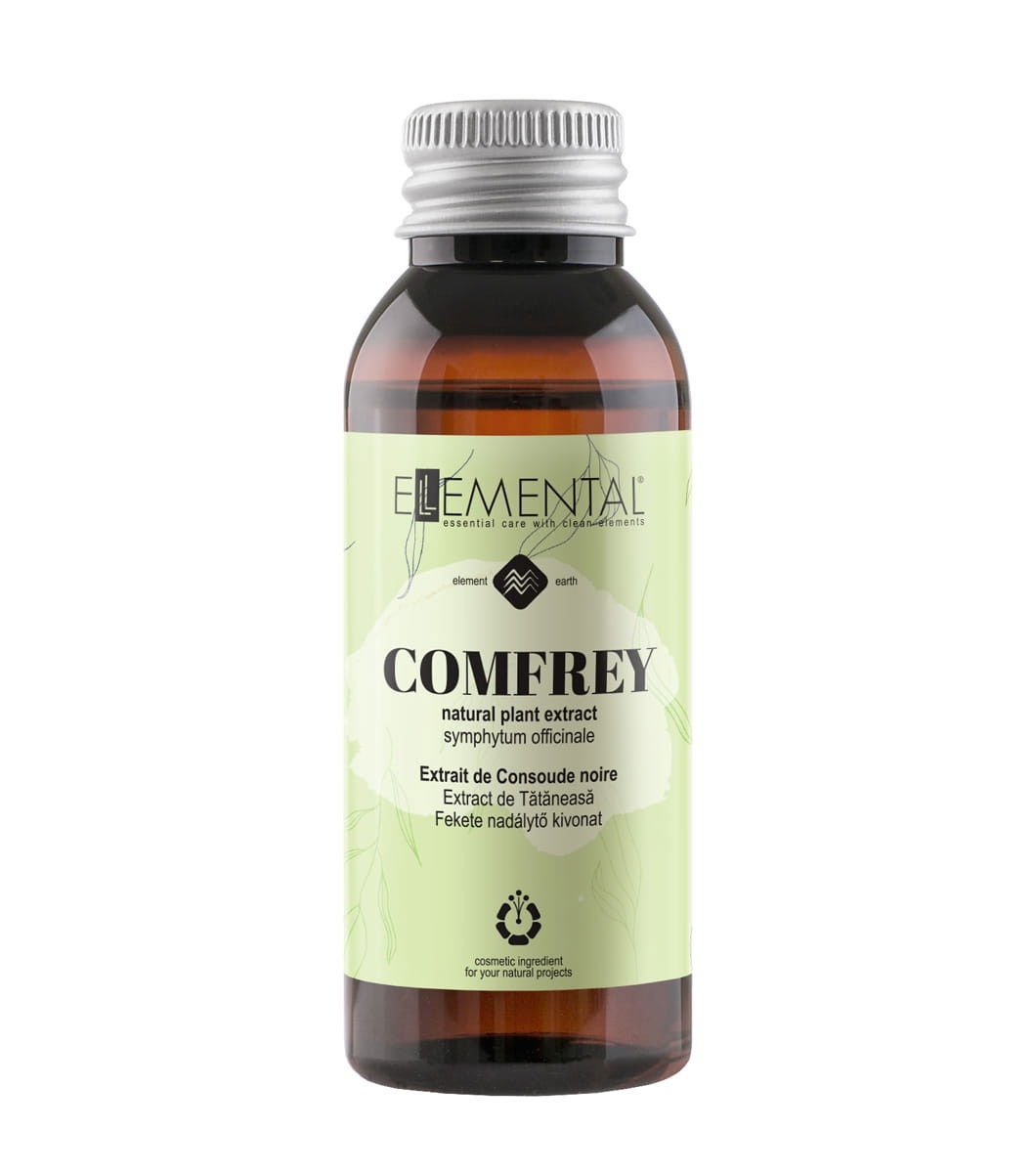
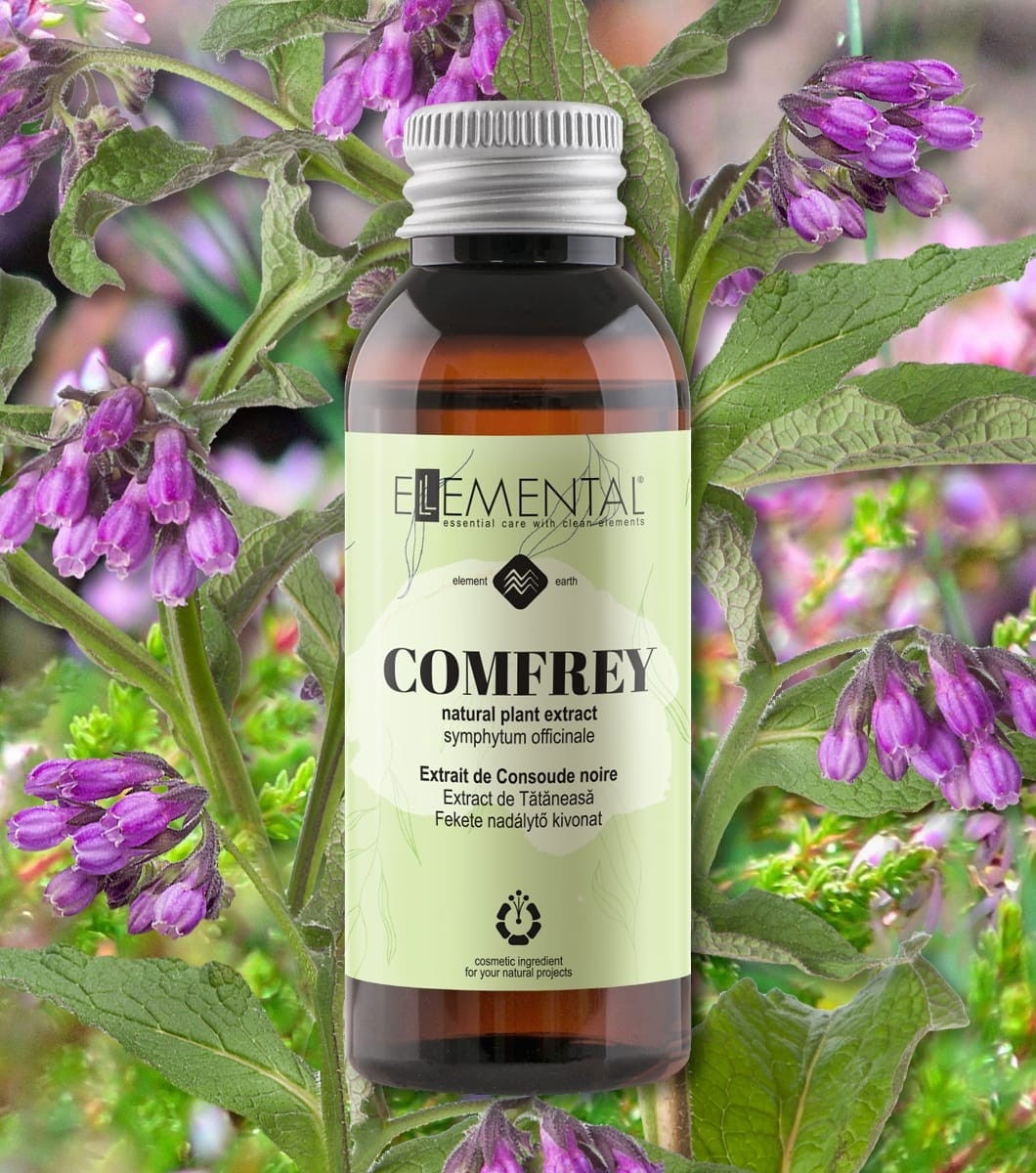
Comfrey Extract is a reference botanical ingredient in the care of stressed skin, obtained by macerating Symphytum officinale leaves in a vegetable glycerin base. This plant is famous in traditional phytotherapy for the natural presence of allantoin and mucilages, compounds that work in synergy to provide the skin with a protective barrier and essential support in the revitalization process. This certified organic extract is ideal for formulations intended for rough, cracked skin or skin exposed to harsh environmental factors, contributing to the restoration of the epidermis's softness and healthy appearance.
Ingredients (INCI): Glycerin*, Aqua, Symphytum Officinale Leaf Extract*.
*Ingredient from organic farming.
Characteristics
- Obtaining method: Glycerinic extract made from comfrey leaves originating from organic crops.
- Quality: Natural and organic cosmetic product, without preservatives, alcohol, or fragrance.
- Appearance: Viscous liquid, brown in color, with a faint, characteristic vegetal odor.
- Solubility: Completely water-soluble.
- Recommended dosage: 1% - 10%.
Botanical Profile and Composition
Comfrey is one of the most appreciated plants for the visual "repair" of the skin, thanks to its unique complex of active substances:
- Natural Allantoin: A compound recognized for its ability to soothe irritations and smooth skin texture.
- Mucilages: Polysaccharides that form a hydrating and protective film, maintaining tissue elasticity.
- Tannins and Flavonoids: Natural antioxidants that offer protection against oxidative factors.
- Phenolic Acids (Rosmarinic Acid): Contributes to balancing reactive skin.
Main Properties
- Regenerating and Soothing Agent: Supports the natural processes of skin renewal, being ideal for irritated areas or those with micro-fissures.
- Emollient and Moisturizing: Refreshes dry skin and prevents dehydration by forming a fine protective layer.
- Softener for Rough Skin: Helps smooth elbows, heels, and hands exposed to cold or detergents.
- Skin Protector: Offers a sensation of immediate comfort to skin showing redness or discomfort after exposure to sun or wind.
Applications
- Repairing creams and balms for hands and feet.
- After-shave or after-depilation products.
- Body lotions intended for very dry or atopic skin.
- Face creams for sensitive, reactive, or redness-prone skin.
- Local treatments for rough skin areas.
Formulation Guide
- Procedure: Introduced into the aqueous phase or the final phase of the preparation.
- Temperature: Recommended addition at temperatures below 40°C; however, depending on the formula, it can withstand short-term heating.
- pH Interval: Compatible with a pH between 4.0 and 7.5.
- Technical tip: Take into account the high glycerin content of this extract.
Frequently Asked Questions (FAQ)
Is this extract as good as pure allantoin?
Pure allantoin is a concentrated active, but comfrey extract offers allantoin in a natural complex, alongside mucilages and tannins, which makes it gentle and potentially more nourishing for the skin.
Can I use it in baby products?
Yes, it is a gentle organic extract, ideal for soothing diaper rash or small discomforts of delicate skin, while respecting the recommended dosages.
Safety in Use
Profile: Cosmetic product for external use only.
Precautions: Keep out of reach of children. Do not ingest. Do not apply to open or infected wounds. Respect the recommended dosage.
Storage: Keep in the original packaging, tightly closed, in a cool place away from direct light.
Reference Scientific Literature (2020-2024)
- Kruse, S., et al. (2022). Symphytum officinale L. (Comfrey): An updated review on its phytochemistry and external therapeutic applications. Journal of Ethnopharmacology.
- Sowa, P., et al. (2021). Comprehensive Phytochemical Profile and Biological Activities of Comfrey (Symphytum officinale L.) Leaf Extracts. Molecules.
- Trifan, A., et al. (2020). Phenolic Compounds of Symphytum officinale L. and Their Biological Activities: A Focus on Skin Health. International Journal of Molecular Sciences.
- Neagu, E., et al. (2022). Evaluation of antioxidant and anti-inflammatory potential of Symphytum officinale extracts in cosmetic formulations. Industrial Crops and Products.
- Salehi, B., et al. (2020). Symphytum officinale L.: A review of its traditional uses, phytochemistry and pharmacology. Phytotherapy Research.