
Formula: 44012 Difficulty Level: intermediate Shelf life: min. 3 months Optimal pH: 5.5-6.0 Phase Ingredients Dosage % Total 100 g A Pure / Distilled Water 73 73 g A Lauryl Surfactant 7 7 g A HEC Gum...
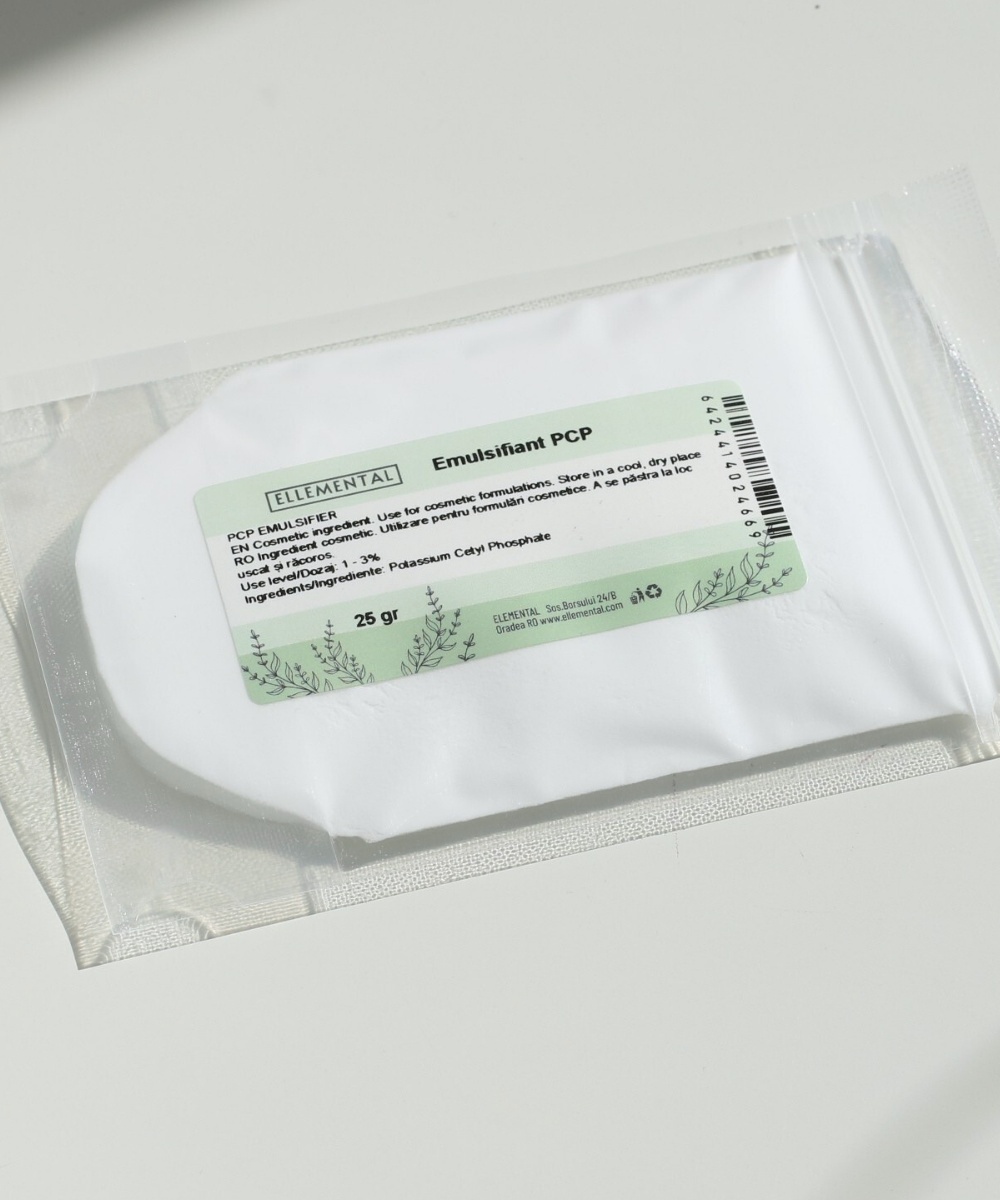
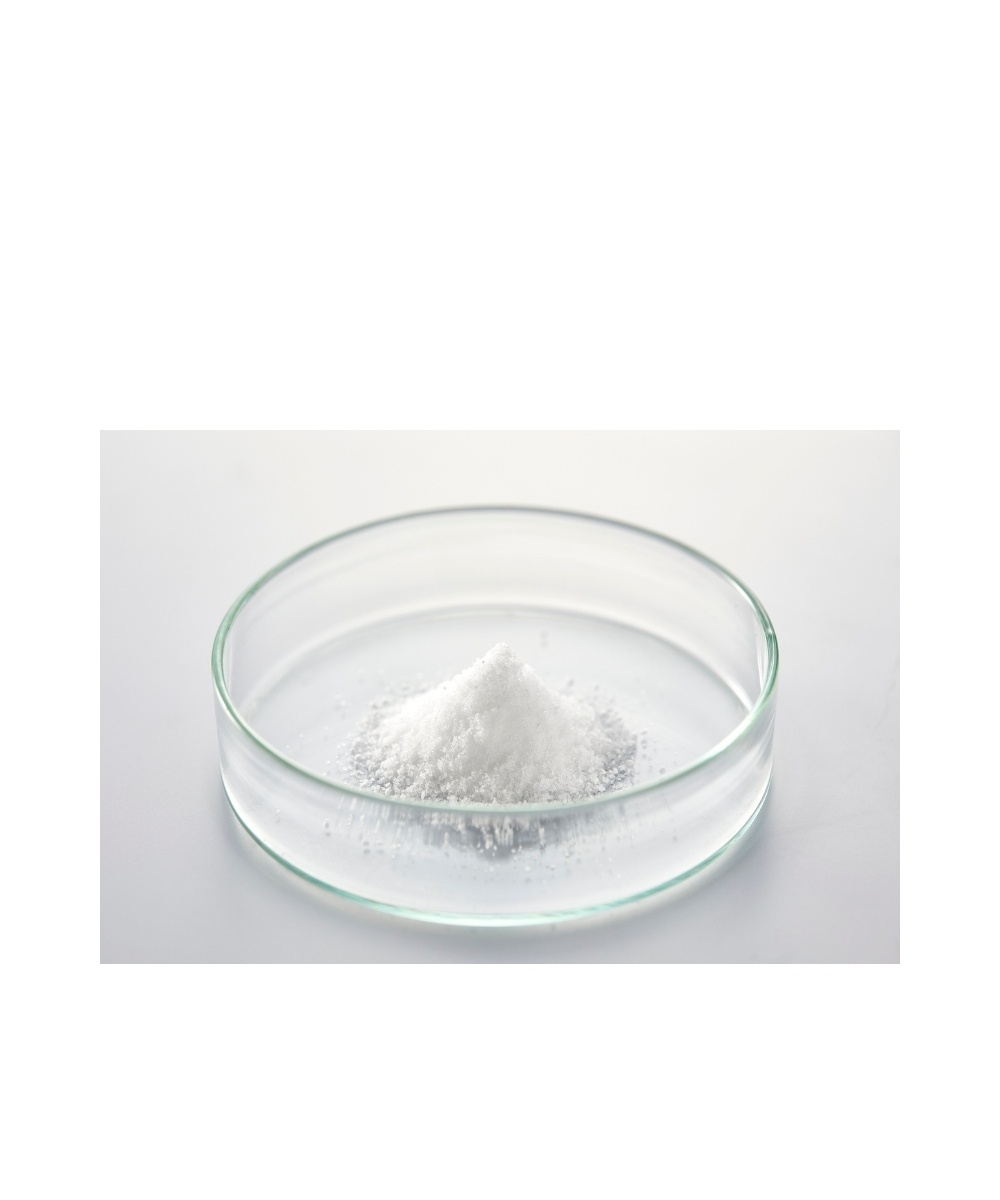
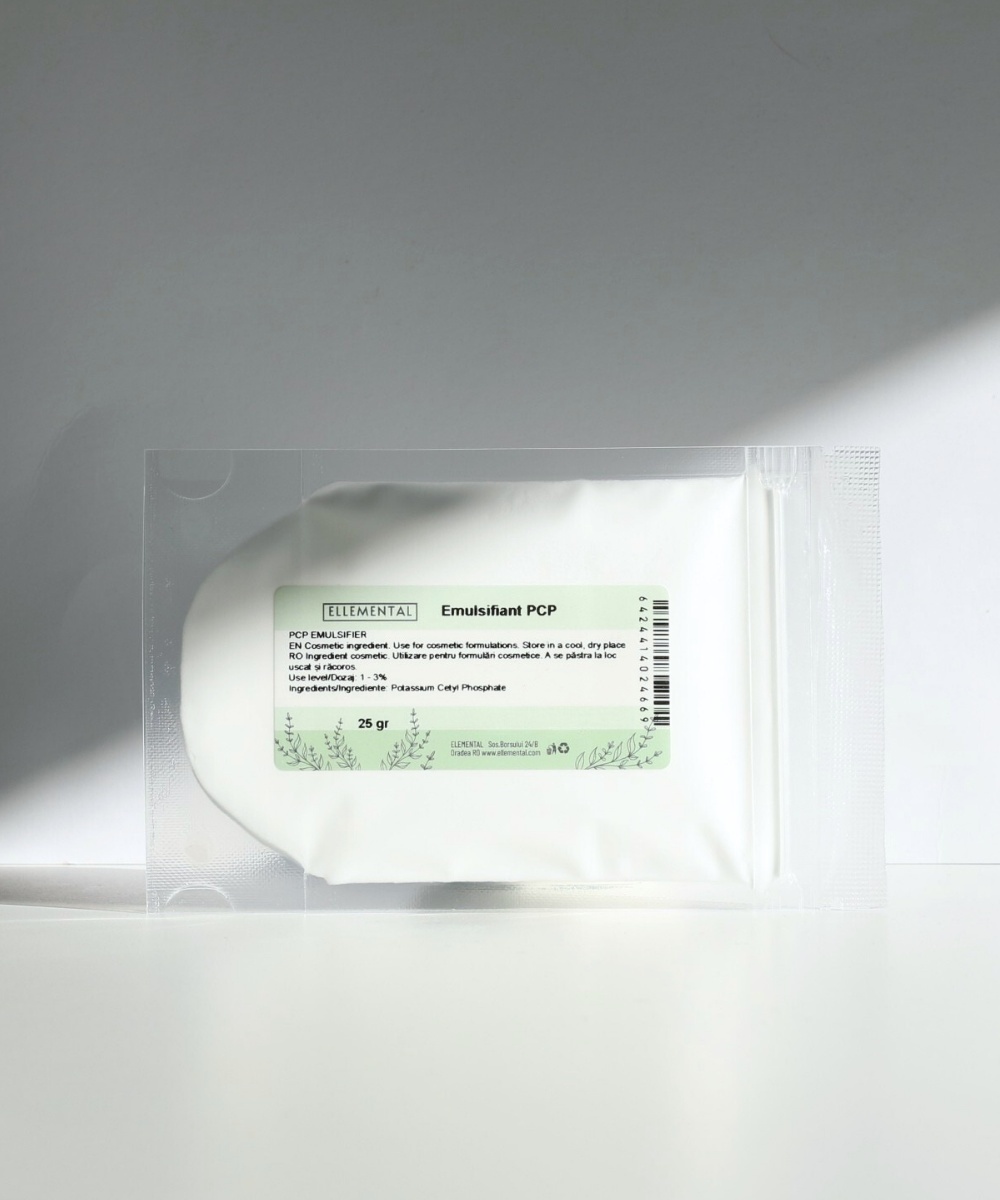
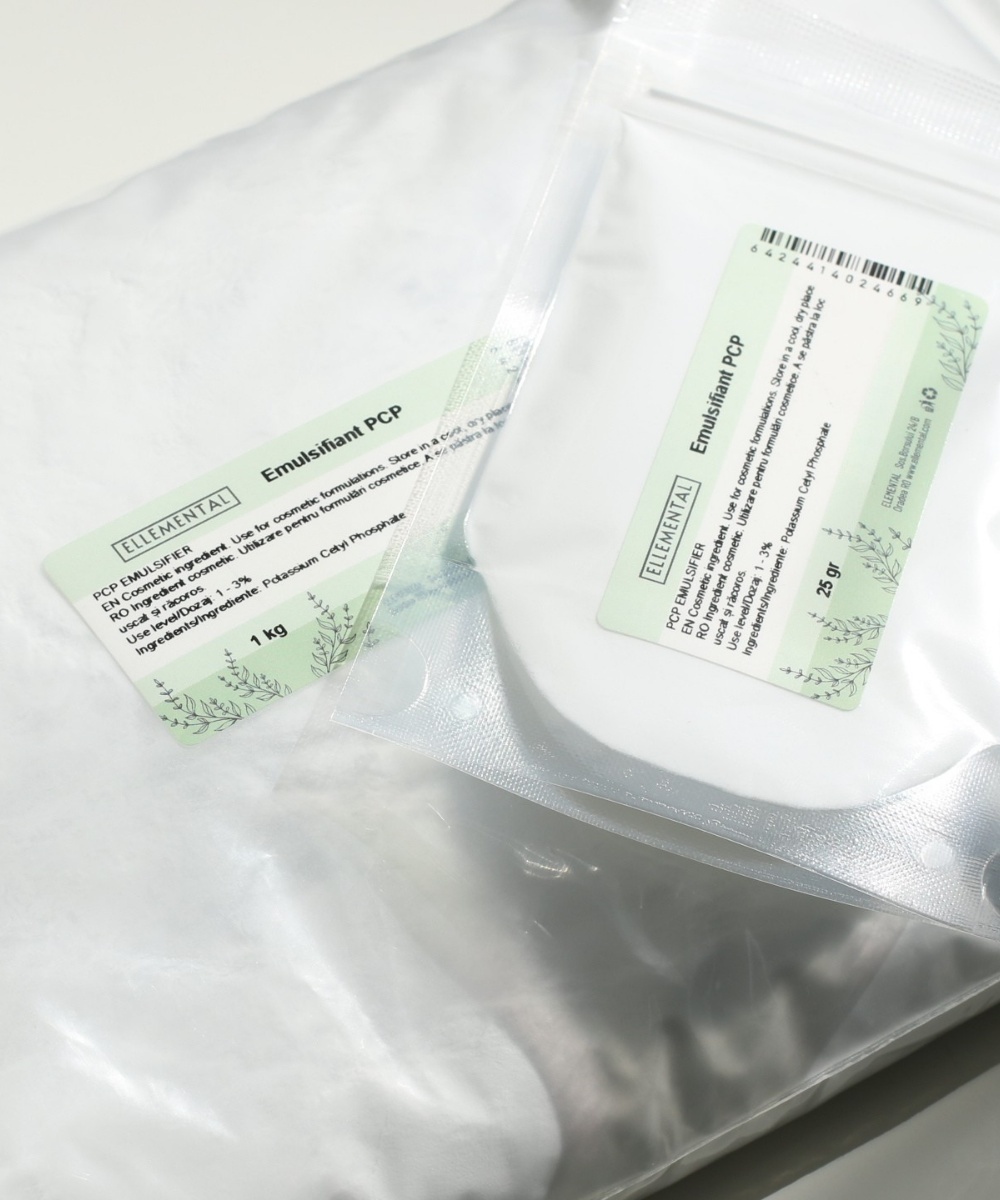
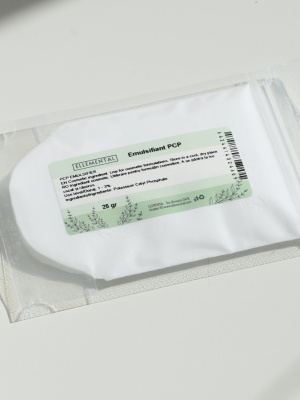
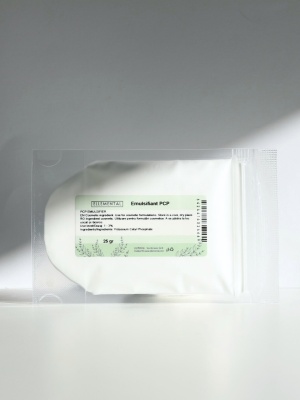
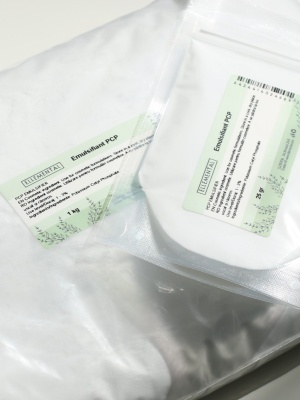
PCP Emulsifier - The Gold Standard for Difficult Emulsions
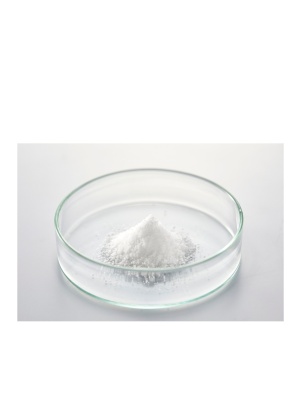
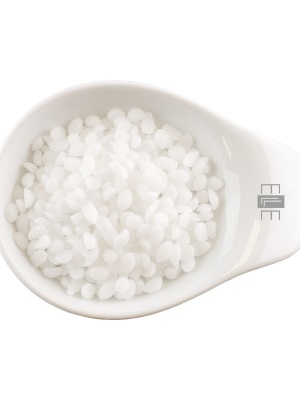
PCP Emulsifier (Potassium Cetyl Phosphate) is an innovative and sustainable product that revolutionizes cosmetic formulas by combining high performance with ecological innovation. It allows for the production of stable emulsions, makeup products, and skincare solutions rich in filters, pigments, or emollients.
PCP Emulsifier reduces transepidermal water loss and stimulates skin hydration, being a versatile choice for modern cosmetic requirements. By offering the possibility to create advanced and ecological formulas, it sets a new standard in terms of efficacy, aesthetics, and environmental protection. Its structure mimics the natural phospholipids of the skin, providing not only remarkable stability but also excellent biological compatibility.
Ingredients: Potassium Cetyl Phosphate
Recommended dosage: 1% - 3%. As a co-emulsifying agent, at a dosage of 0.5-1% for stabilizing emulsions; as the primary emulsifier, at a dosage of 1-3%.
It is ideal for facial care products that require high stability and an elegant texture.
It allows for the formulation of body milk-type products, stable emulsified sprays, and rich yet lightweight creams with optimal absorption.
Does it contain phosphates?
Chemically, it contains <1% potassium salt of phosphoric acid. It is 100% of natural origin, obtained through a high-quality, solvent-free, ecological process.
Can I use this emulsifier in cold processes?
No. Potassium Cetyl Phosphate requires heating to be activated and to form the liquid crystals necessary for stabilization.
Profile: Safe, non-irritating, and non-sensitizing ingredient. It is biodegradable and derived from renewable sources. It is a safe ingredient for cosmetic use at recommended concentrations. It presents a favorable toxicological profile and good skin tolerance, being frequently used in products for sensitive skin.
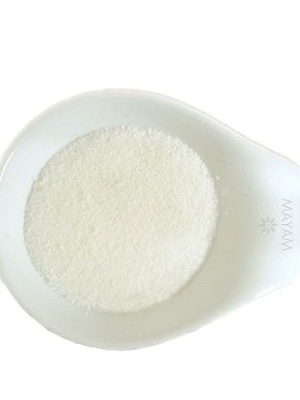
Precautions: Powdery product - avoid inhaling dust during handling. Avoid direct contact of the pure (undiluted) ingredient with eyes and skin.
Storage: Store in the original, airtight packaging, protected from moisture.
Documentation, Formulation Guide, and Technical Information from the Manufacturer.
CosIng - European Commission Database for Cosmetic Substances and Ingredients.
Write a valid review and earn loyalty points worth €0.40