




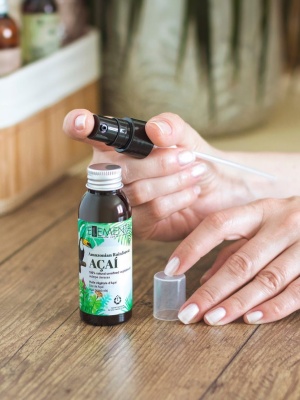
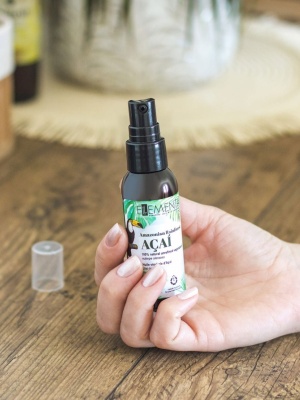


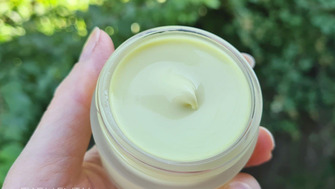
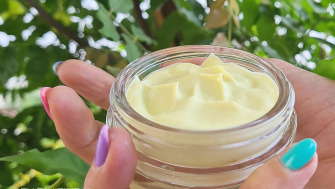
Formula: 62890 Difficulty level: medium Shelf life: min 3 months Optimal pH: 5.0-6.0 Phase Ingredients Dosage % Total 50 g A Açai Oil 9 4.5 g A Coco-Silicone 3 1.5 g A Olliva Emulsifier 5 2.5 g A...
23
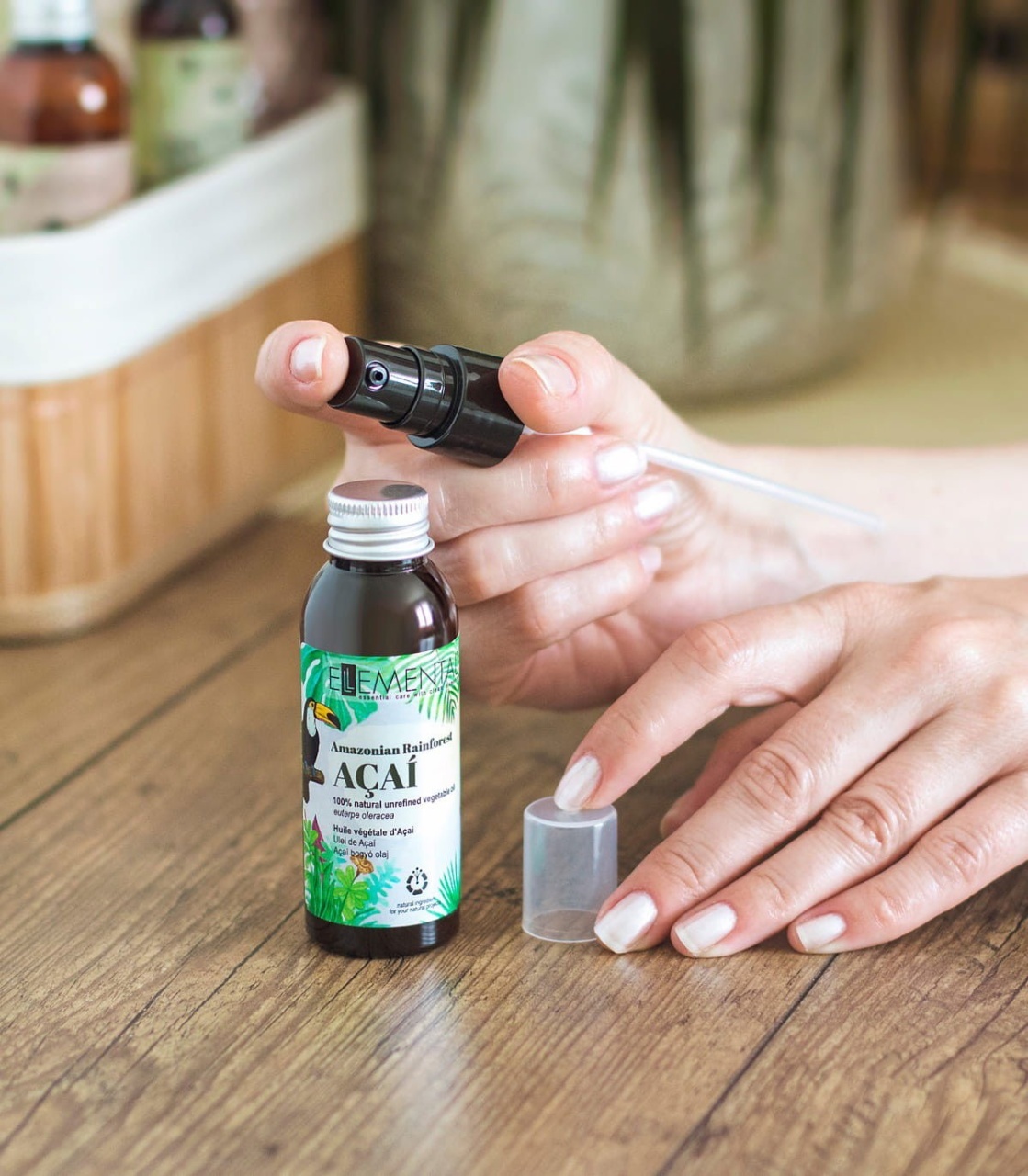
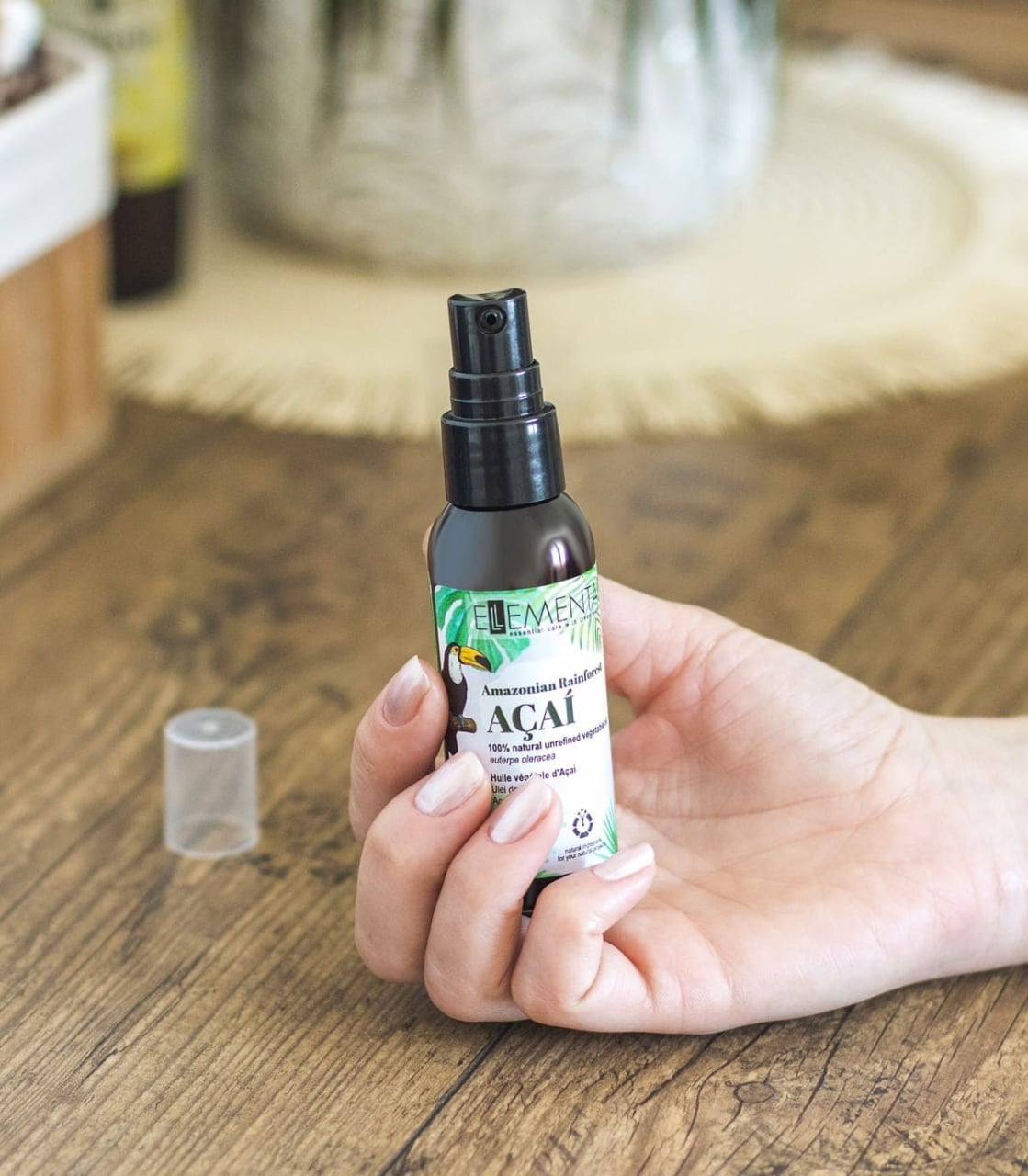
| Product size | Suitable pump | |
| 50 ml, 90 g, 100 ml |
|
|
| 200 g, 250 ml |
|
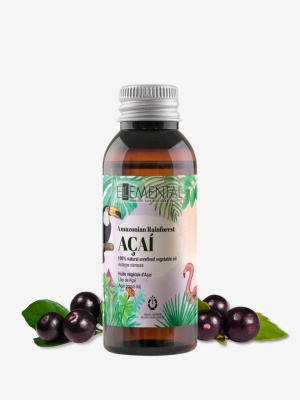
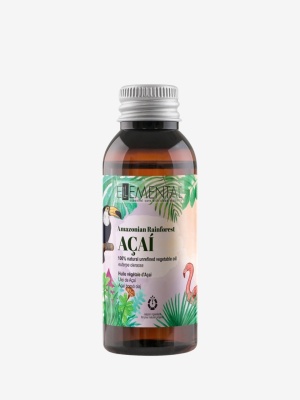
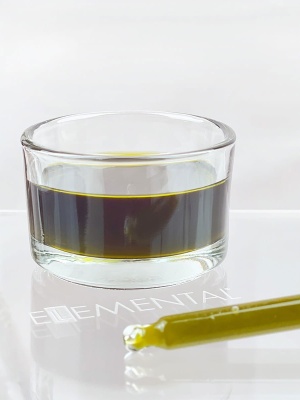
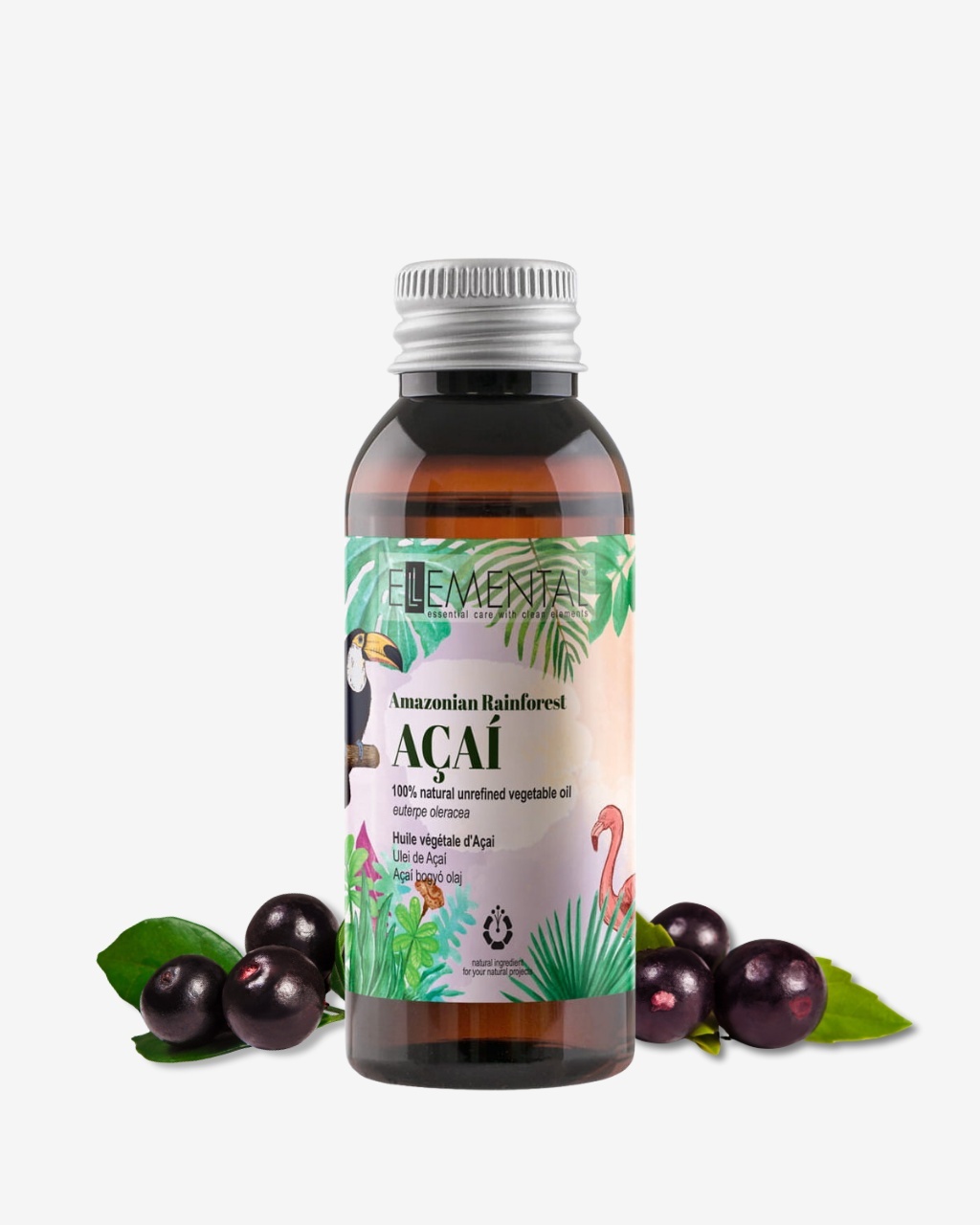
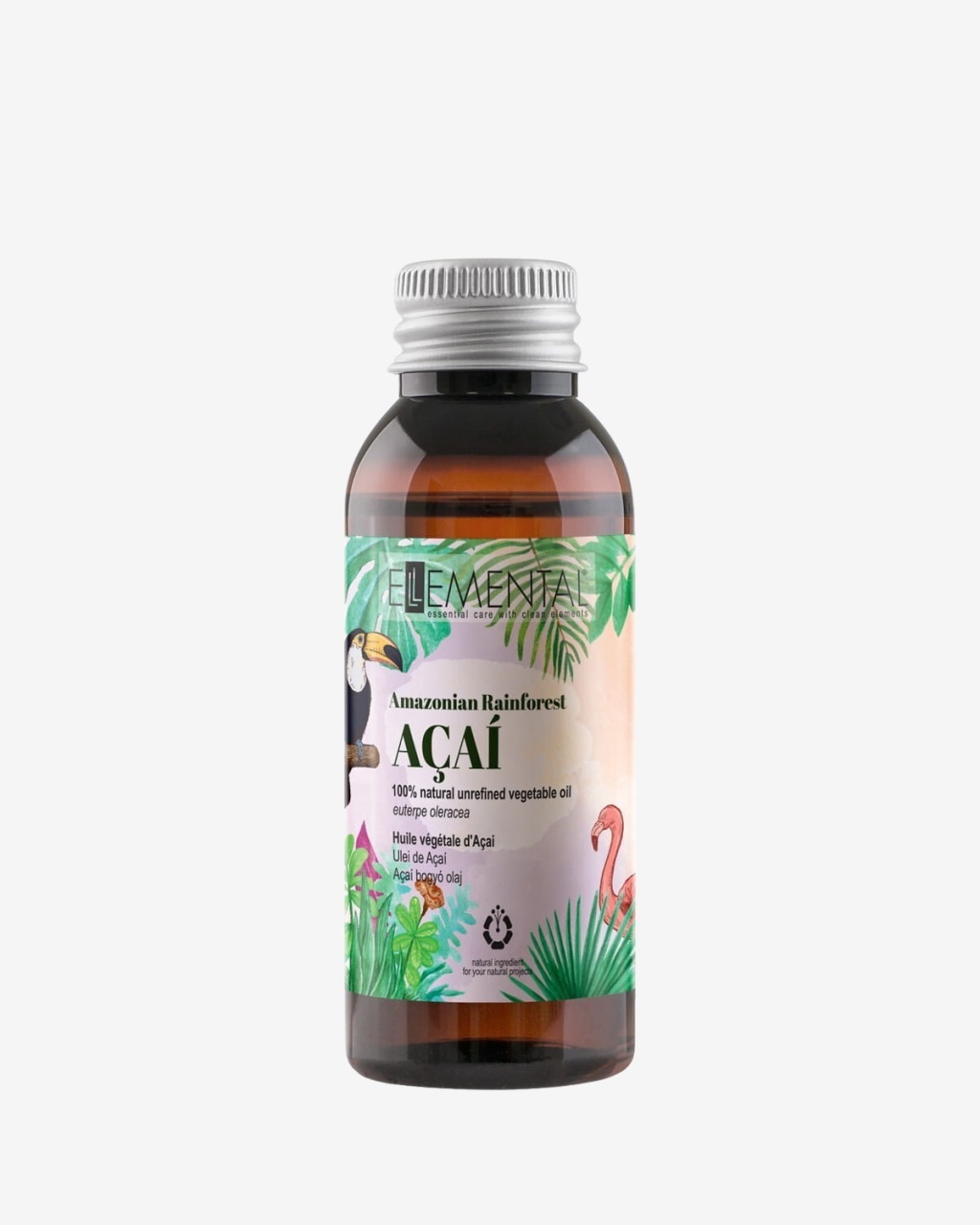
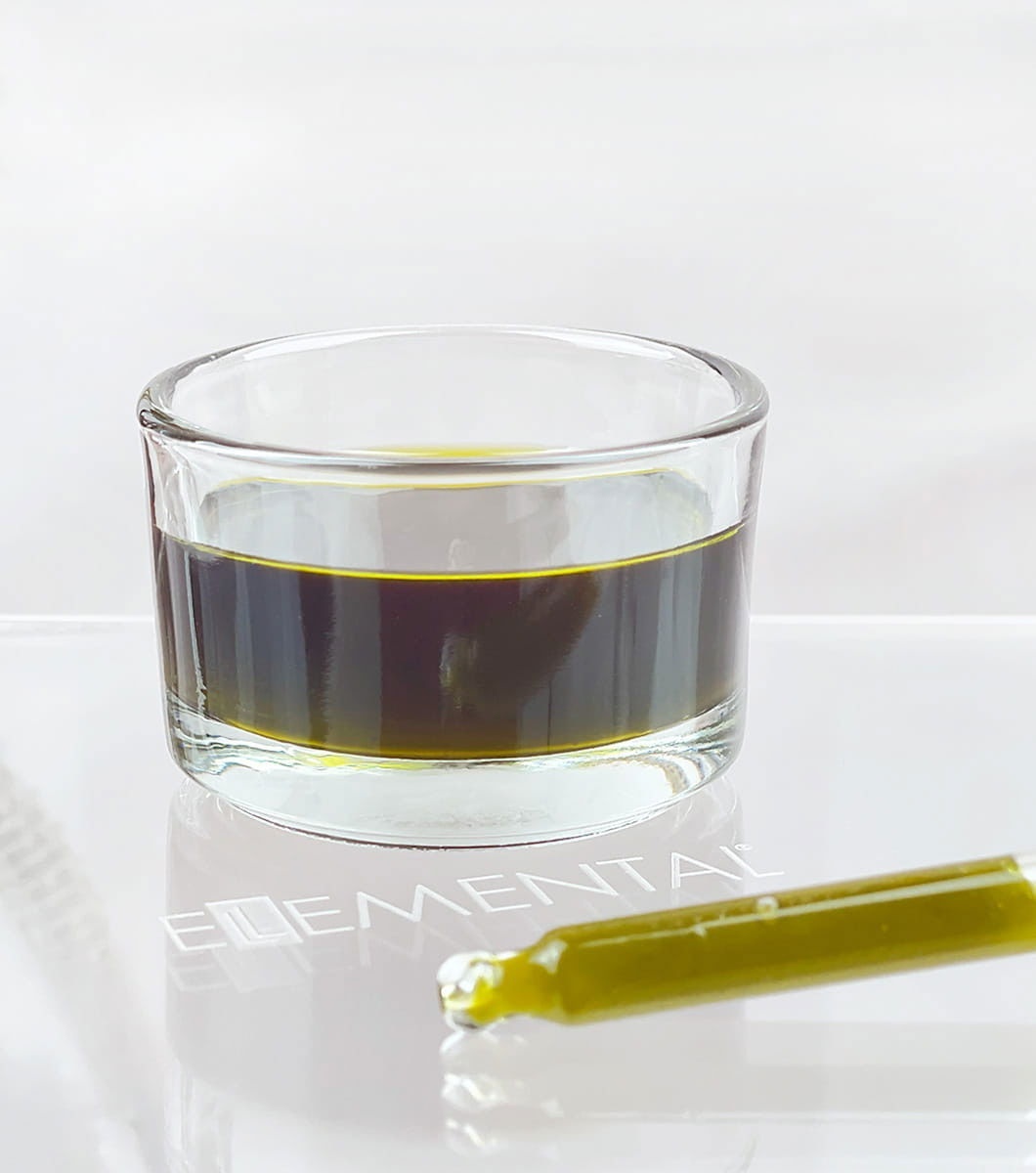
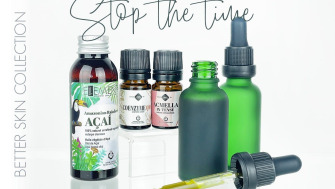
Açai Oil (Euterpe oleracea) is exceptionally rich in antioxidants, the anthocyanins and polyphenols from the Amazonian fruit grant it its characteristic dark-green color and its efficacy in protecting the skin against oxidative stress. It is primarily addressed to mature, tired skin, or skin frequently exposed to pollution and the sun, which it nourishes, soothes, and restores to a more radiant and well-groomed appearance. The texture is fluid with good absorption, and the scent is vegetable-fruity, specific to unrefined fruit pulp.
Beyond its antioxidant properties, Açai oil is an efficient nourishing emollient that supports the supple and velvety appearance of dry skin or skin with a weakened lipid barrier. It is also valued in the care of color-treated or chemically damaged hair, where it contributes to smoothing the fiber and giving the strands a brighter appearance.
Ingredients: Euterpe Oleracea Fruit Oil
100% natural, free of preservatives, free of additives.
Açai oil is most valuable for mature, dry, or dull-looking skin, where the combination of emollient fatty acids and antioxidant polyphenols works complementarily. It can be used pure, in small doses, as a concentrated face oil, or as an active ingredient in serums, creams, and masks. The usual dosage is 5–30% in formulas; at higher dosages, the intense natural color will visibly tint the preparation.
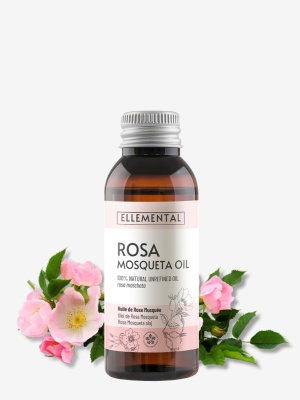
For an anti-aging serum with a visible effect on the appearance of fine wrinkles, it combines efficiently with Organic Pomegranate Oil and Coenzyme Q10 in an Olive Squalane base. For mature skin with an uneven appearance, the synergy with Rosa Mosqueta Oil and Bakuchiol is well documented and easy to formulate. On sensitive or reactive skin, the association with Bisabolol and Olive-Silicone as a base improves the sensory feel.
At the body level, Açai oil integrates well into formulas intended for dry, mature skin, or skin frequently exposed to the sun. Due to its natural color, it is more suitable as an ingredient in formulas than as a standalone body oil - in blends with other oils. It can also be used in after-sun care preparations, where its soothing and antioxidant properties are welcome.
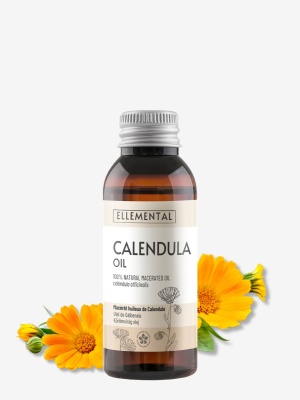
For a body oil with an antioxidant effect and a well-groomed skin appearance, the synergy with Grape Seed Oil and Triheptanoin offers a pleasant, dry texture. For formulas intended for dry and mature skin, the association with Calendula Oil and Vitamin E completes the nourishing spectrum and stabilizes the formula against oxidation.
Açai oil is particularly useful for color-treated, chemically damaged hair, or hair with dry ends. The predominant oleic acid and polyphenols in its composition contribute to smoothing the cuticle and giving the hair strand a brighter appearance. It is not recommended as a scalp treatment at high doses due to its high oleic acid content.
For color-treated hair in need of color protection and shine, it combines efficiently with Karanja Oil and Phyto-Silicone for a sensory serum texture. For chemically damaged hair, the synergy with Organic Argan Oil and Ceramides supports the reconditioned appearance of the hair fiber.
Does the oil stain the skin or clothes?
Applied in small quantities and massaged until absorbed, it leaves no visible trace on the skin. Applied in a thick layer or on light-colored textiles before complete absorption, it can leave a temporary trace.
What does it smell like?
It has a distinctive vegetable aroma, slightly fruity and earthy, specific to fruit pulp. It is not a neutral scent, but it is not perfumed either.
Is it also suitable for oily skin?
With reservations. The high oleic acid content makes it less advisable for oily or acne-prone skin for regular use in high concentrations. On normal or combination skin, in small doses and occasionally, it can be a good choice.
Safety in use
Cosmetic product for external use only. Do not ingest.
Storage, preservation
Keep the bottle tightly closed, in a cool place, away from direct light.
Write a valid review and earn loyalty points worth €0.40