


Formula: 32740 Level: beginner Shelf life: min. 6 months Optimal pH: -- Phase Ingredients Dosage % Total 30 g A Cherry Oil 50 15 g A Tricaprylin 15 4.5 g A Evening Primrose Oil 5 1.5 g A Jojoba Oil...
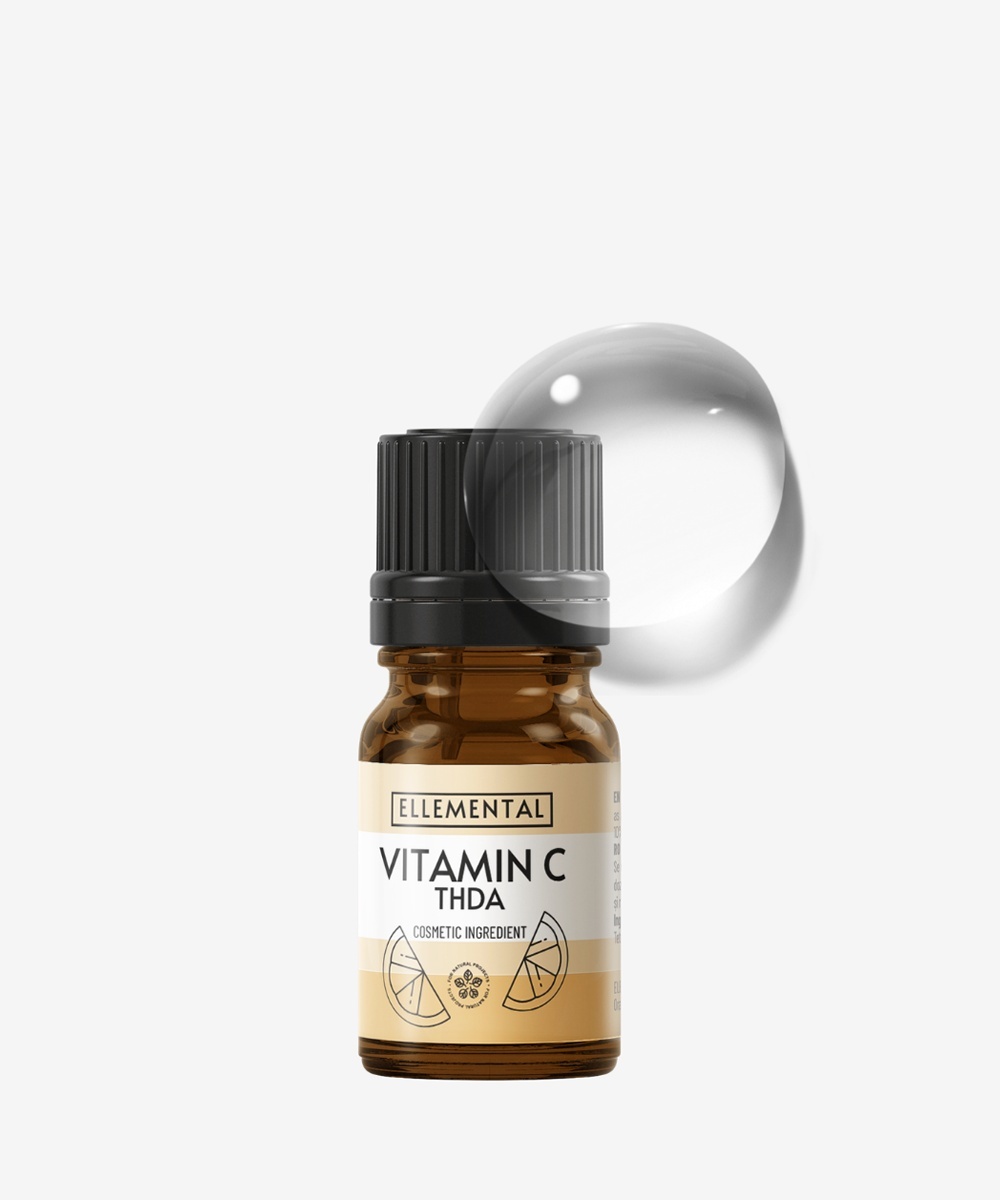
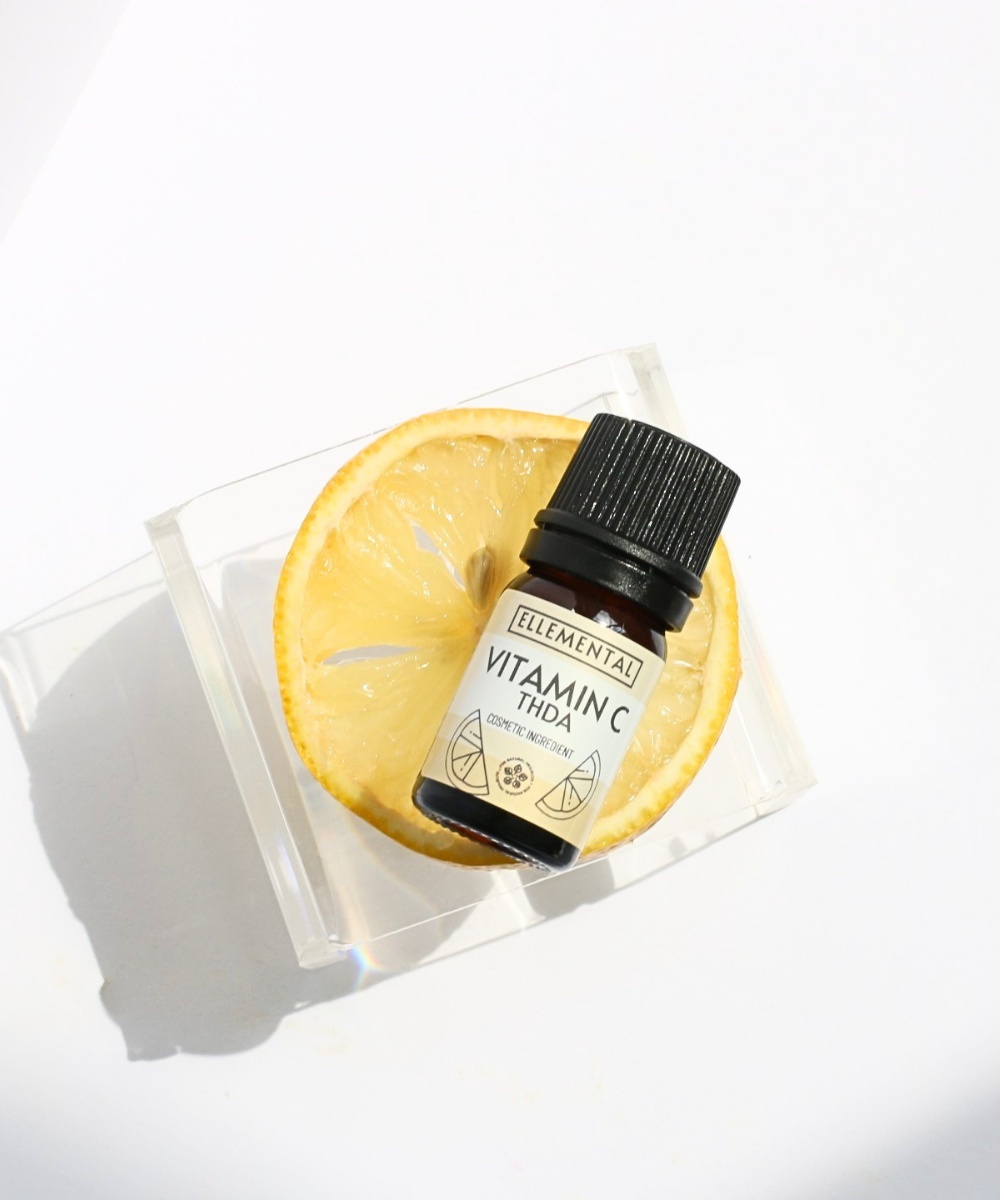
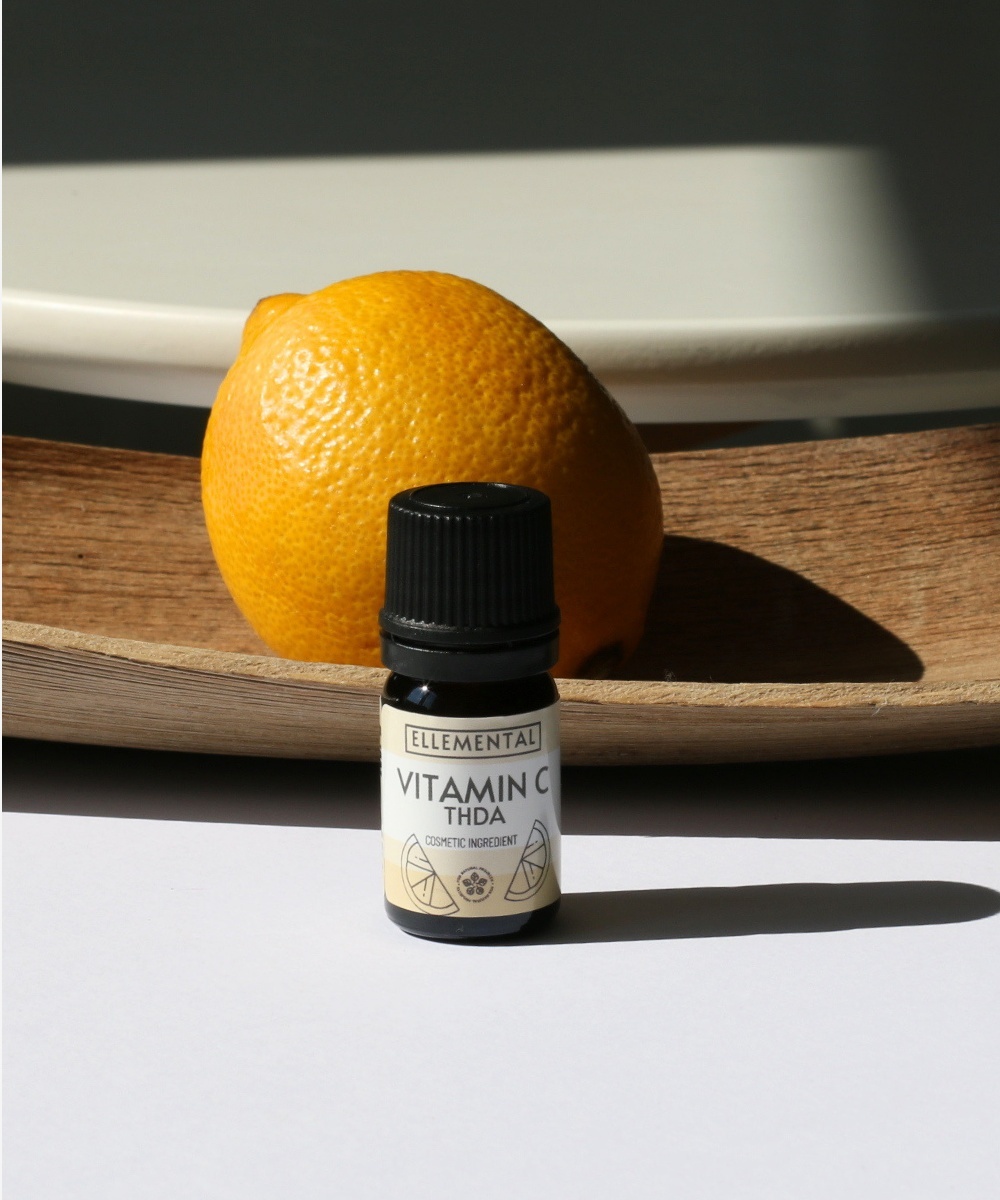
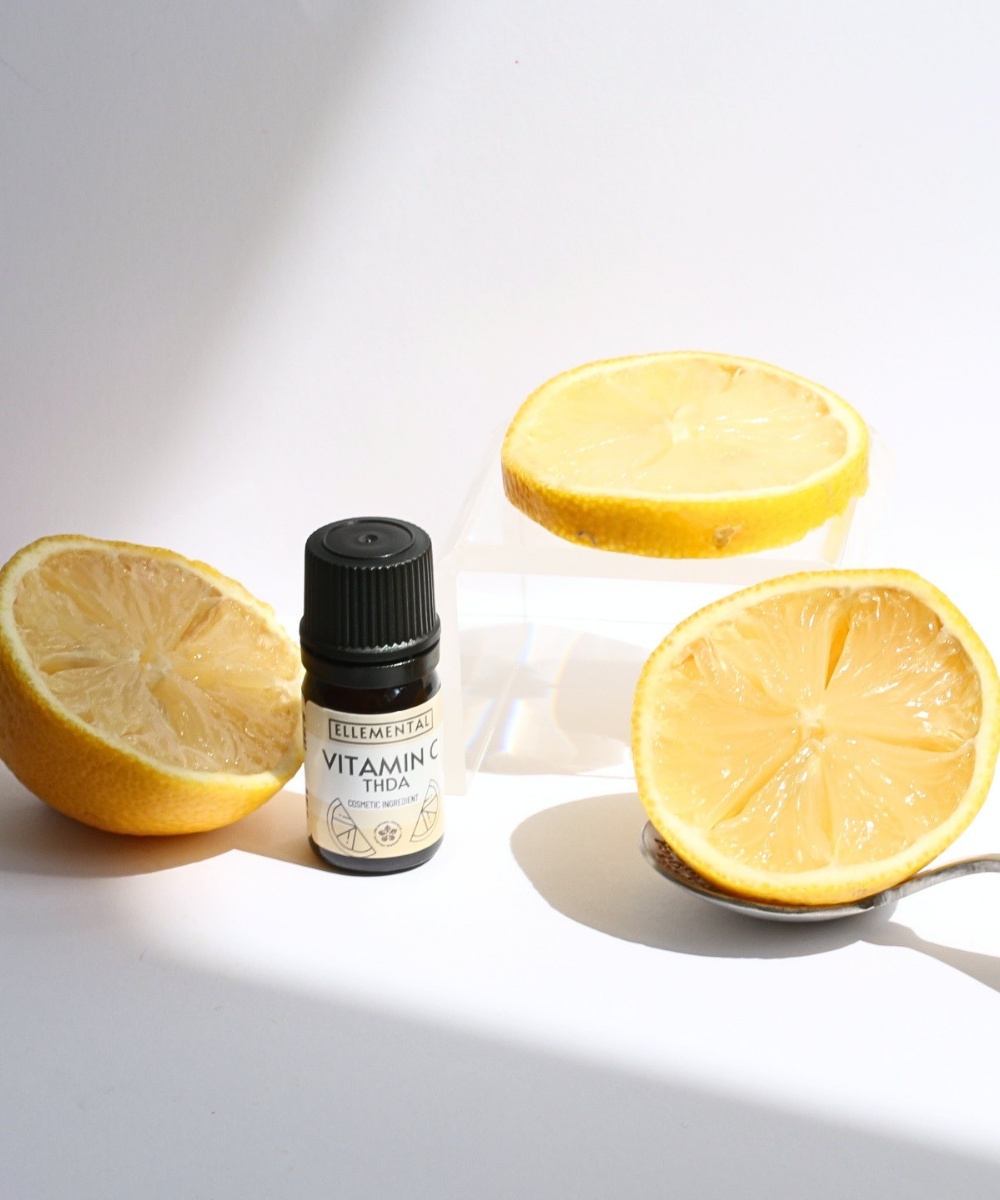
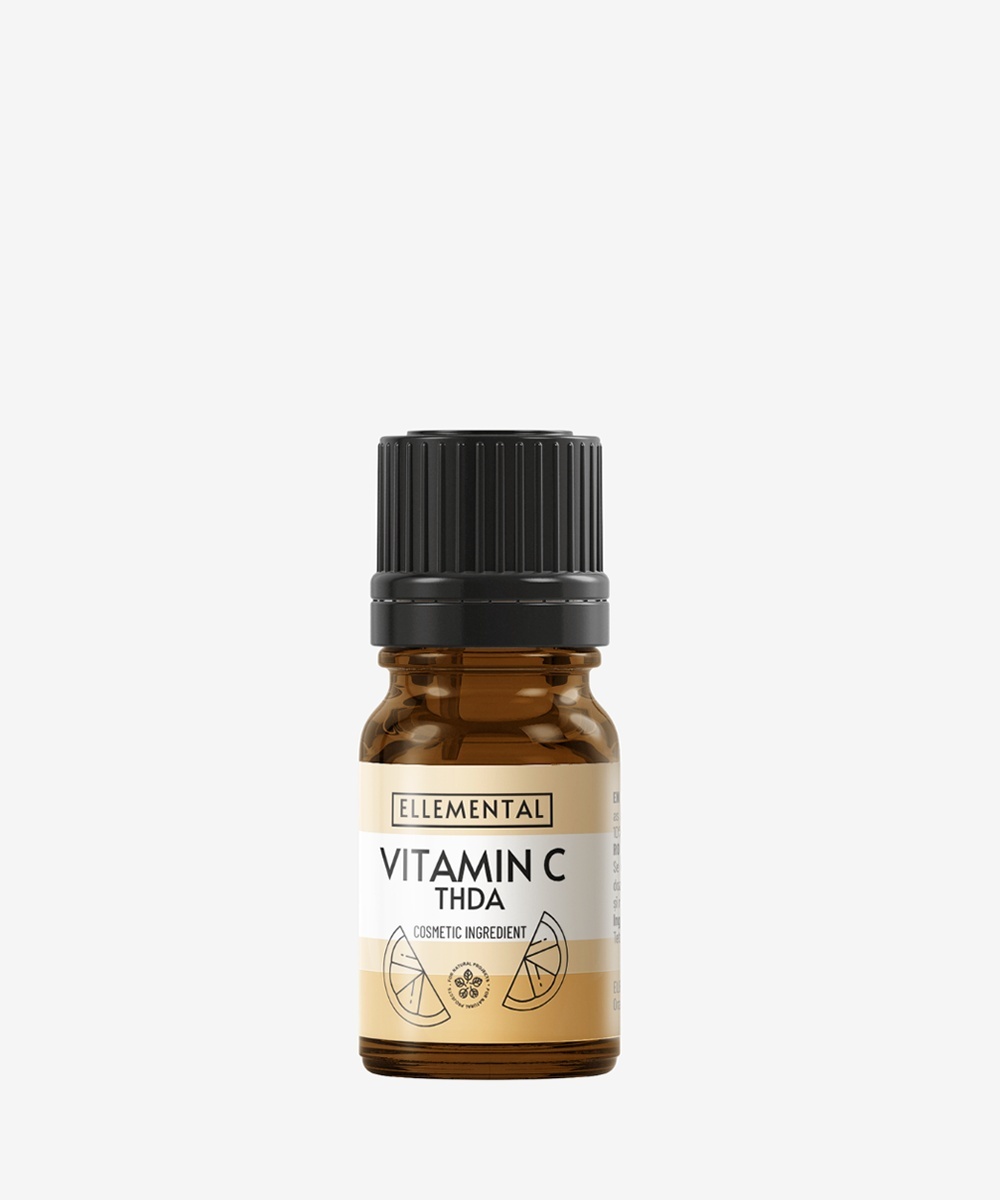
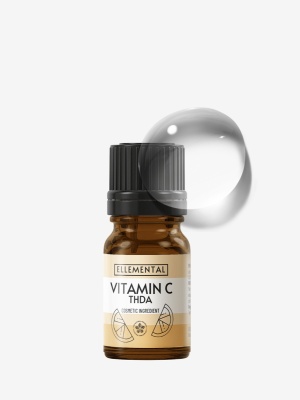
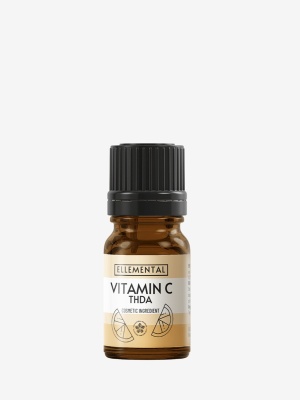
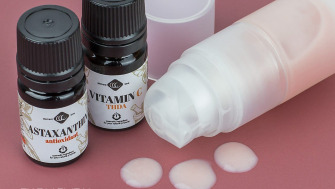
Vitamin C THDA – Oil-soluble and stable form of Vitamin C
Tetrahexyldecyl Ascorbate (THDA) is an oil-soluble ascorbic acid derivative developed to overcome the limitations of the traditional form of Vitamin C, particularly its sensitivity to oxidation and instability in formulations. Being soluble in oils, it penetrates the skin's lipid barrier more easily and maintains its efficacy for a longer period than pure ascorbic acid.
It is a potent antioxidant active widely used in formulations for mature skin or skin exposed to oxidative stress factors, where it contributes to a more even and luminous complexion. Unlike traditional ascorbic acid, it does not impart a yellowish tint to the formula and remains stable for a longer time in the finished product.
Ingredients (INCI): Tetrahexyldecyl Ascorbate
According to the manufacturer, Tetrahexyldecyl Ascorbate exhibits good skin penetration capability due to its lipophilic nature and acts as an active free radical scavenger, helping to limit lipid peroxidation induced by oxidative stress. The same source indicates an inhibitory action on tyrosinase activity, an enzyme involved in the melanin synthesis process, a mechanism relevant to promoting evenness in hyperpigmentation-prone areas.
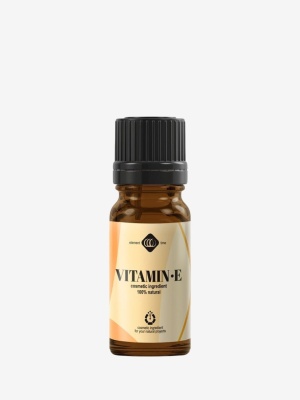
Combining Vitamin C with Vitamin E is documented in specialized literature as having a synergistic antioxidant effect superior to using either ingredient alone, which is why these two actives frequently appear together in skin care formulations.

Write a valid review and earn loyalty points worth €0.40