Description
Vitamin C Ascorbic – The classic, most biologically active form of Vitamin C
L-ascorbic acid is the natural, chemically unmodified form of Vitamin C, the exact molecule that the body utilizes directly without requiring any additional enzymatic conversion. It is considered the most biologically active form of Vitamin C, but also the most sensitive: it oxidizes rapidly in the presence of air, light, or water, and requires a strongly acidic environment to remain stable.
In cosmetic formulations, ascorbic acid is valued for its antioxidant power and its contribution to a brighter, more even complexion. It is the gold standard active for "classic" Vitamin C formulations.
Ingredients (INCI): Ascorbic Acid
Technical Characteristics
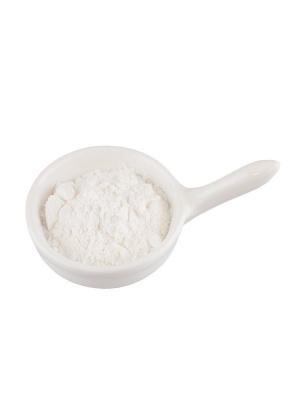
- Appearance: Off-white crystalline powder
- Solubility: Soluble in water; aqueous solution has an acidic pH of around 2.4 - 2.8
- Quality: High-purity ascorbic acid conforming to BP, USP, Ph. Eur. standards
- Recommended Dosage: 0.2 - 20%, depending on skin tolerance and desired effect
Scientific Studies and Documentation
In specialized literature, ascorbic acid is known to be biologically effective only at a low pH, typically below 3.5, which is a necessary condition for its penetration through the skin barrier. This strongly acidic environment explains both its efficacy and its main drawback: the risk of transient discomfort (stinging sensation, mild redness) in individuals with sensitive skin, especially at high concentrations.
Properties and Benefits
- Potent antioxidant, the most biologically active form of Vitamin C
- Contributes to a brighter and more even complexion
- Documented synergy with Vitamin E and ferulic acid for enhanced antioxidant efficacy
- Benchmark active ingredient in classic skincare formulations
Applications
- Concentrated Vitamin C serums for facial care
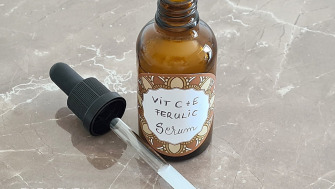
- Formulations combined with Vitamin E and/or ferulic acid for improved stability and enhanced effect
- Products targeting complexion radiance and skin tone evenness
Formulation Guide
- Dissolves in the aqueous phase of the formulation; for optimal stability, the final pH of the formula should be 3.2-3.5
- Highly sensitive to oxidation, using opaque or light-protected packaging and avoiding prolonged contact with air is recommended (airless containers are preferred)
- Degrades in the presence of metal ions (copper, iron, zinc); using a chelating agent in the formula is recommended if the water used is not demineralized
- Fresh formulations are colorless or slightly pale yellow; a color change to orange or dark brown indicates degradation of the active, rendering the product ineffective
- At high concentrations, due to the low pH required for stability, the formula may cause temporary discomfort on sensitive skin; patch testing is recommended
Usage Safety and Storage
- Profile: Safe ingredient, but with potential for temporary discomfort at high concentrations due to the acidic pH required for stability; prior patch testing on a small area of skin is recommended, especially for sensitive skin
- Precautions: External cosmetic use; do not ingest
- Storage: Store in an airtight container, protected from light and air, in a cool, dry place