







Formula: 4167 Difficulty level: beginner Shelf life: min 6 months pH optimal: - Phase Ingredients Total ~30 ml A Borage oil 15 ml A Argan oil 13 ml A Pomegranate oil 3 ml A Acmella In-Tense extract...
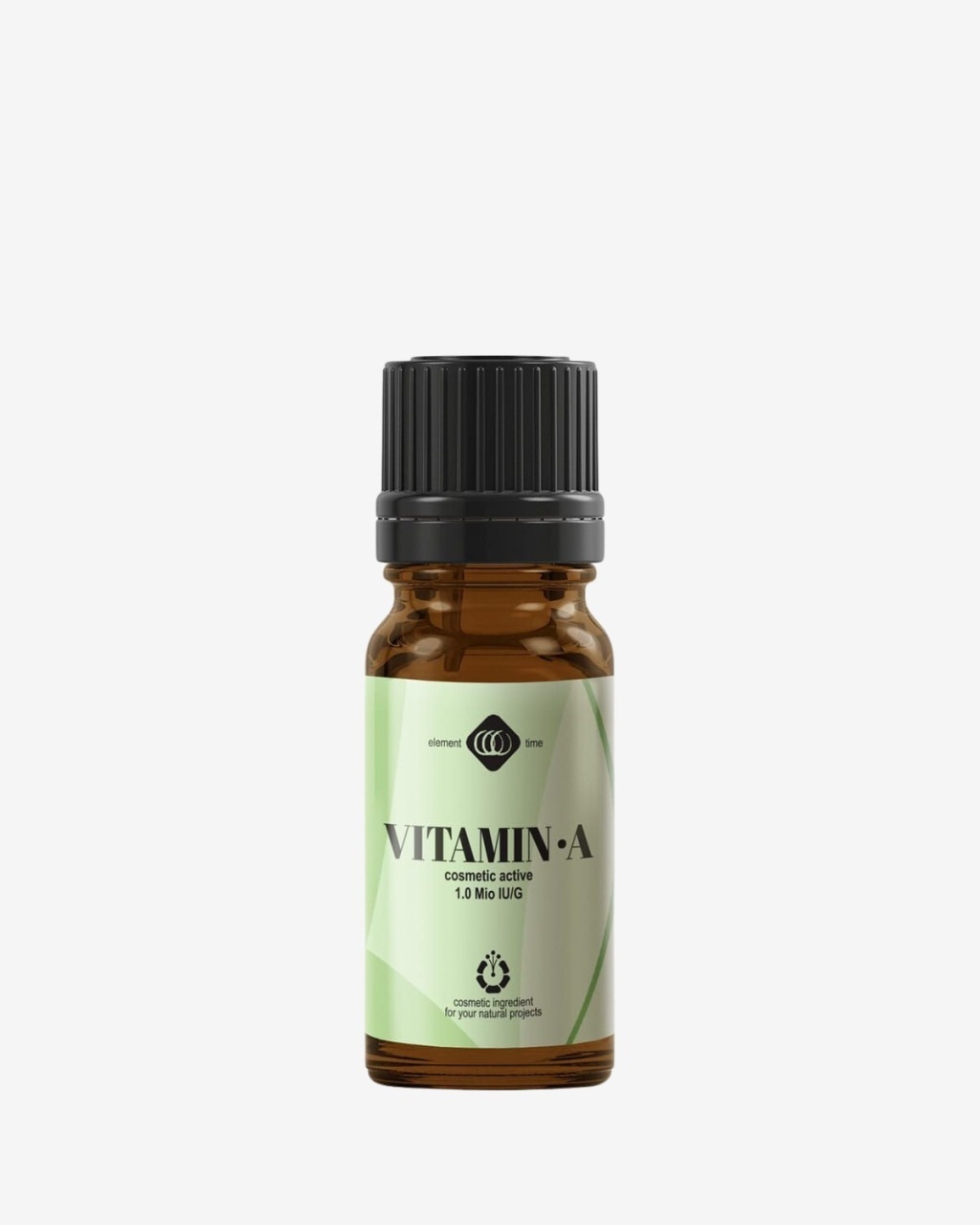

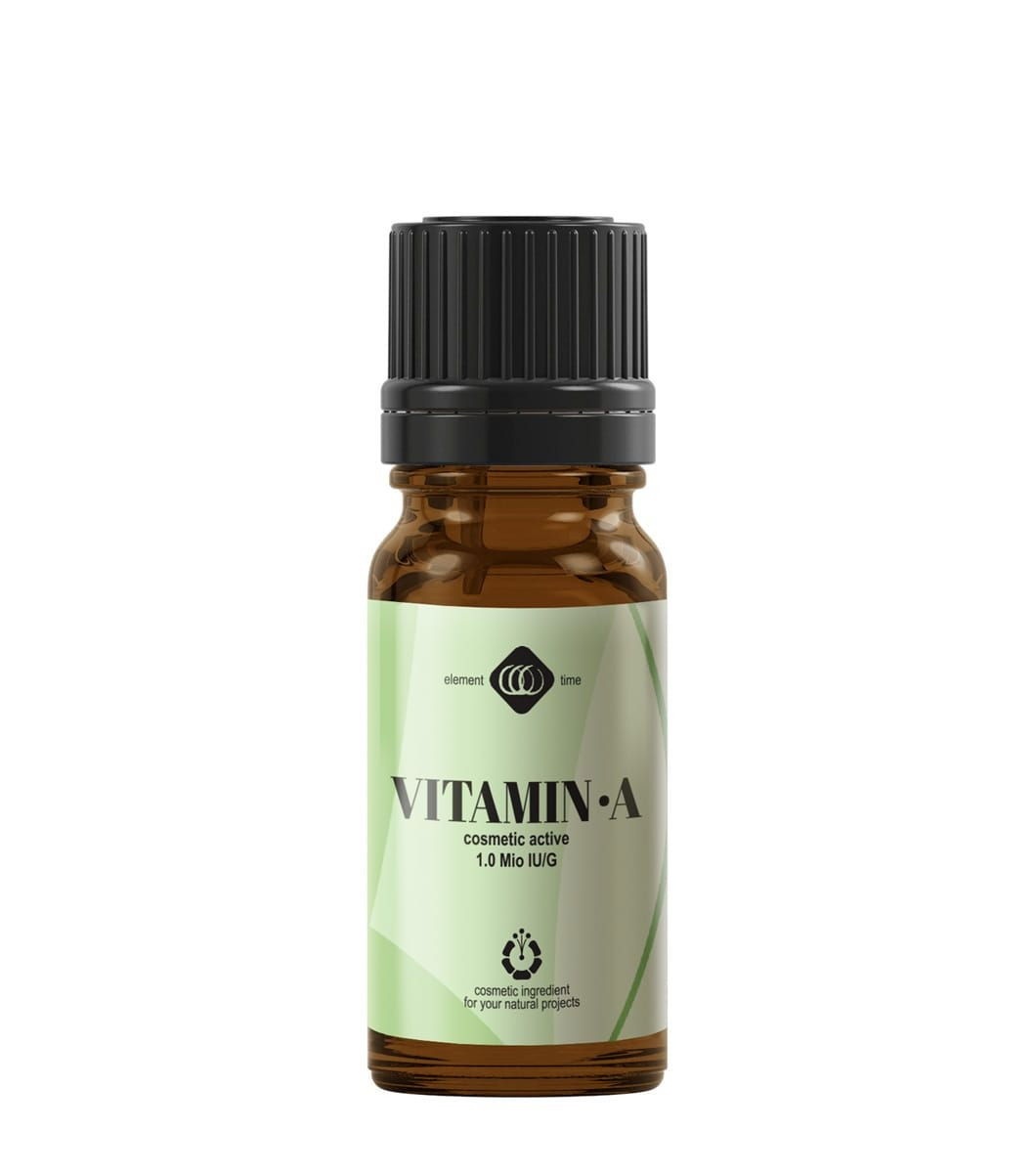
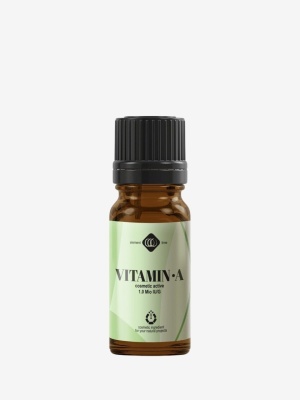
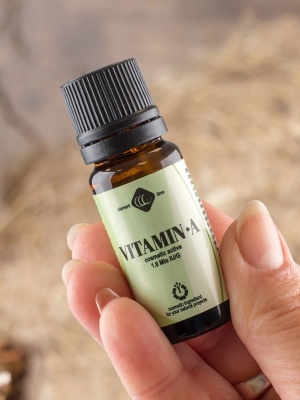
Vitamin A – Stable, gentle form for firmness and even texture
Retinyl Palmitate (Vitamin A-Palmitate) is the ester of vitamin A with palmitic acid, representing the most stable and well-tolerated form among the vitamin A derivatives used in cosmetics. Unlike retinol or retinoic acid, which act directly and intensely, retinyl palmitate is gradually converted by skin enzymes into the active form, providing a much gentler profile suitable even for sensitive skin or beginners in retinoid care.
It is a valued ingredient in general facial care formulations for its contribution to a smoother, more even, and firmer skin appearance, as well as for its antioxidant role.
Ellemental Vitamin A is standardized at 1.0 million IU/g, dissolved in sunflower oil, and stabilized with vitamin E for enhanced long-term stability.
Ingredients (INCI): Retinyl Palmitate, Helianthus Annuus Seed Oil, Tocopherol
Starting November 1, 2025, Retinol, Retinyl Acetate, and Retinyl Palmitate are listed in Annex III (restricted substances) of Regulation (EC) No 1223/2009, pursuant to Regulation (EU) 2024/996. The legal concentration limits in the finished product, expressed in retinol equivalent (RE), are: maximum 0.05% RE in body lotions and maximum 0.3% RE in other leave-on and rinse-off products (face, hands, etc.). Any finished product containing this ingredient must bear, according to the same regulation, the statement: „Contains Vitamin A. Consider your daily intake before use.” Existing products on the market must be brought into compliance by May 1, 2027.
From specialized literature, it is known that retinyl palmitate does not act directly on skin cells, but is instead converted step-by-step by natural skin enzymes into more active forms of vitamin A. This two-step mechanism explains both the gentle profile of this ingredient and its subtle yet steady action compared to retinol or stronger derivatives.


Write a valid review and earn loyalty points worth €0.40