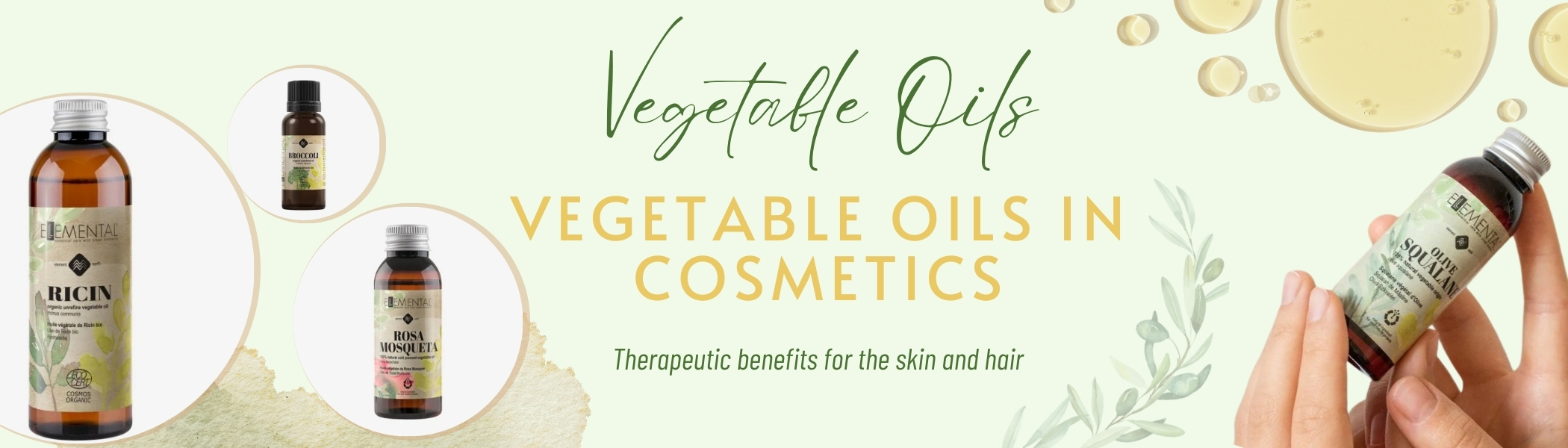
Vegetable Oils in Cosmetics
The Role of Vegetable Oils in Cosmetics
Vegetable oils play a crucial role in cosmetics due to their skin-nourishing properties, and in recent years have gained popularity in cosmetic formulations.
Growing Popularity: Vegetable oils are gaining traction in cosmetics. Brands and buyers recognize their natural appeal. At the in-cosmetics 2022 trade fair, oils and butter were the fourth most popular ingredient.
Growing Trend: Vegetable oils are increasingly popular ingredients in cosmetics, making products more natural and appealing to consumers.
Therapeutic Effects: Vegetable oils offer therapeutic benefits for the skin. They’re used as active ingredients, excipients, and extraction solvents. Consider oils like jojoba, argan, and rosehip for their nourishing properties.
Moisturizing and Soothing: Vegetable oils act as emollients, preventing water loss and forming a protective layer on the skin.
Almond oil or safflower oil are rich in oleic acid and tocopherols, making them ideal for topical skin treatments.
Antioxidant Characteristics: Combining vegetable oils with other actives helps combat premature aging and maintain skin elasticity.
Most of these oils can be used directly or blended.
Jojoba oil is great for facial massage, while argan oil works well as a hair serum. Rosehip oil is rich in antioxidants and can be added to your daily moisturizer.
Here are some additional examples of vegetable oils commonly used in cosmetics:
Jojoba Oil: Derived from the seeds of the jojoba plant, jojoba oil closely resembles human sebum. It’s excellent for moisturizing, balancing oil production, and soothing the skin.
Rosehip Oil: Extracted from the seeds of wild rose bushes, rosehip oil is rich in vitamins A, C, and E. It’s known for its anti-aging properties, helping reduce wrinkles and improve skin texture.
Grapeseed Oil: Lightweight and non-greasy, grapeseed oil contains antioxidants and linoleic acid. It’s often used in massage oils and moisturizers.
Avocado Oil: Avocado oil is packed with vitamins, including vitamin E and potassium. It deeply moisturizes and nourishes the skin, making it suitable for dry or mature skin.
Argan Oil: Hailing from Morocco, argan oil is prized for its high vitamin E content and ability to promote healthy hair and skin. It’s often used in hair serums and facial oils.
Here are some ways to incorporate vegetable oils into your skincare routine:
- Facial Oils: Apply a few drops of your preferred oil to clean, damp skin. Massage it gently, focusing on areas that need extra hydration. You can use oils like jojoba, rosehip, or argan.
- Oil Cleansing: Use oils as part of your cleansing routine. Massage a blend of grapeseed oil and castor oil onto your face to remove makeup and impurities. Wipe off with a warm cloth.
- Body Moisturizer: After showering, apply vegetable oil (such as avocado or coconut oil) to damp skin. It locks in moisture and leaves your skin soft and supple.
- Hair Treatment: Warm up some argan oil and massage it into your scalp and hair. Leave it on for a few hours or overnight, then wash it out. It nourishes the hair and adds shine.
- DIY Masks: Create your own face masks by mixing vegetable oils with other natural ingredients. For example, blend honey, yogurt, and a few drops of almond oil for a hydrating mask.
Remember to choose oils based on your skin type and specific needs. Each oil has unique properties, so experimenting with different ones can lead to great results!
Enjoy your personalized skincare routine!
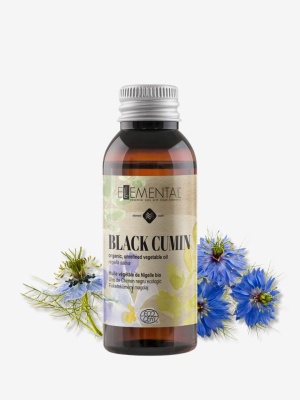
Black Cumin seed oil Organic
Vegetable Oils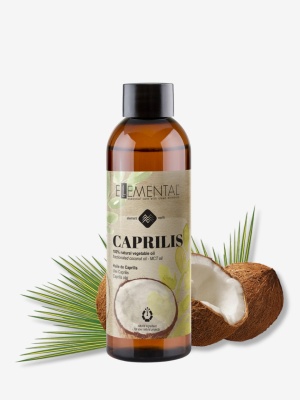
Caprilis oil
Vegetable Oils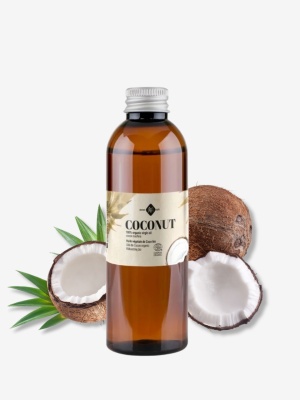
Coconut oil Organic
Vegetable Oils
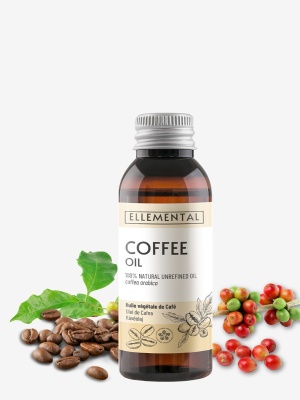
Coffee oil
Vegetable Oils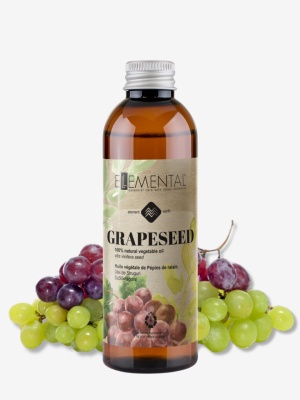
Grapeseed oil
Vegetable Oils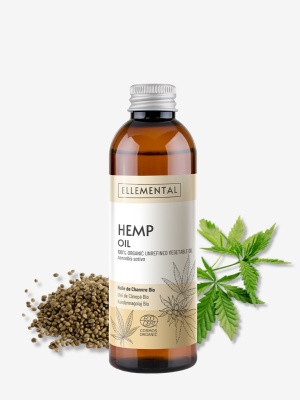
Hemp seed oil Organic
Vegetable Oils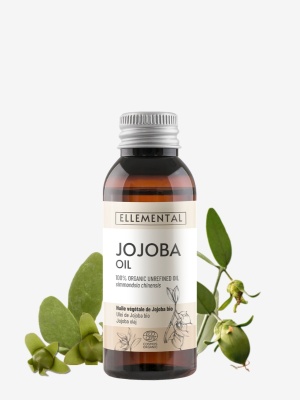
Jojoba oil Organic
Vegetable Oils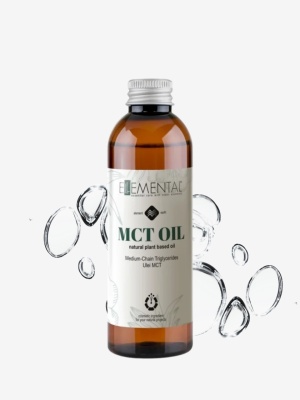
MCT oil
Vegetable Oils