


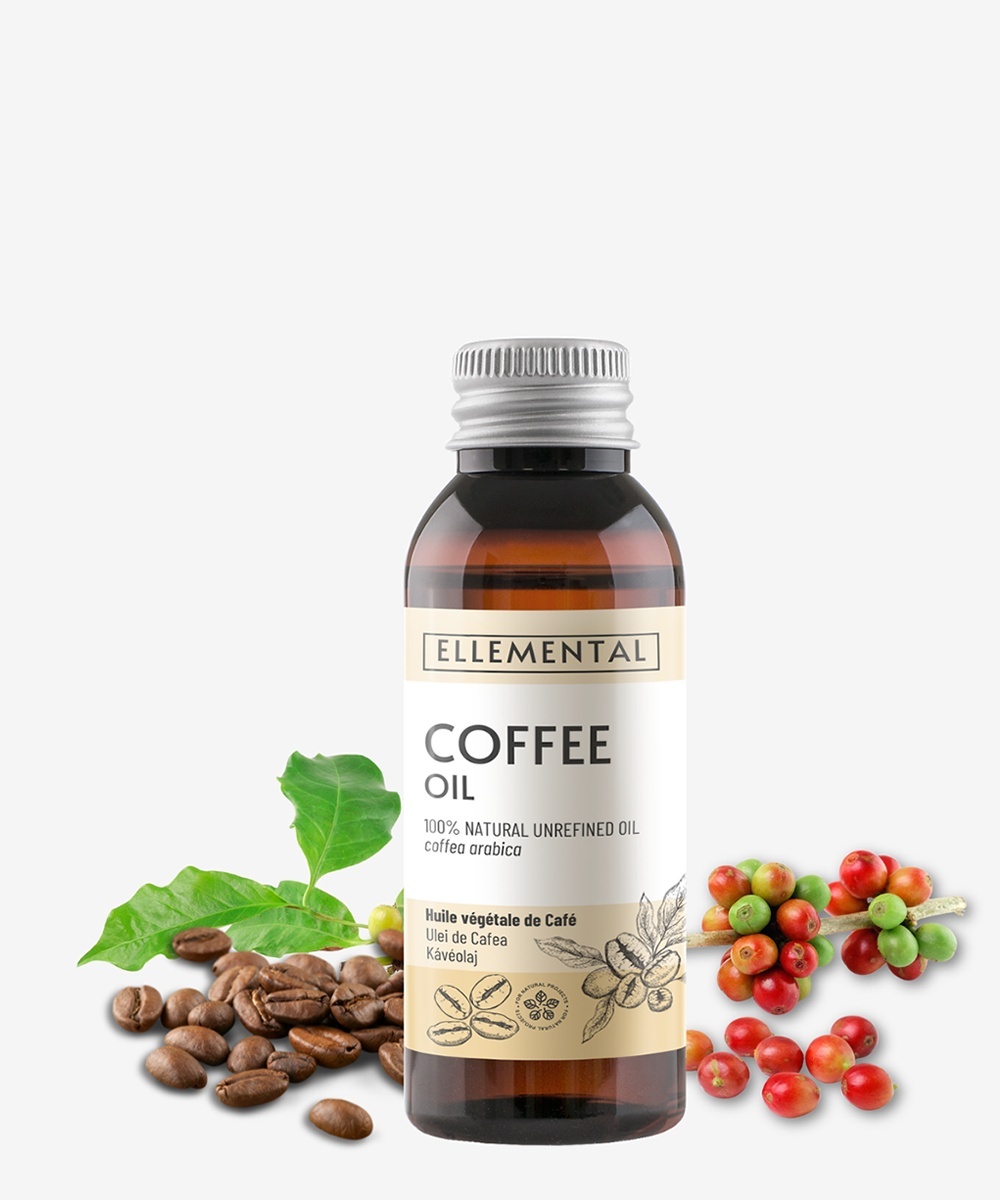
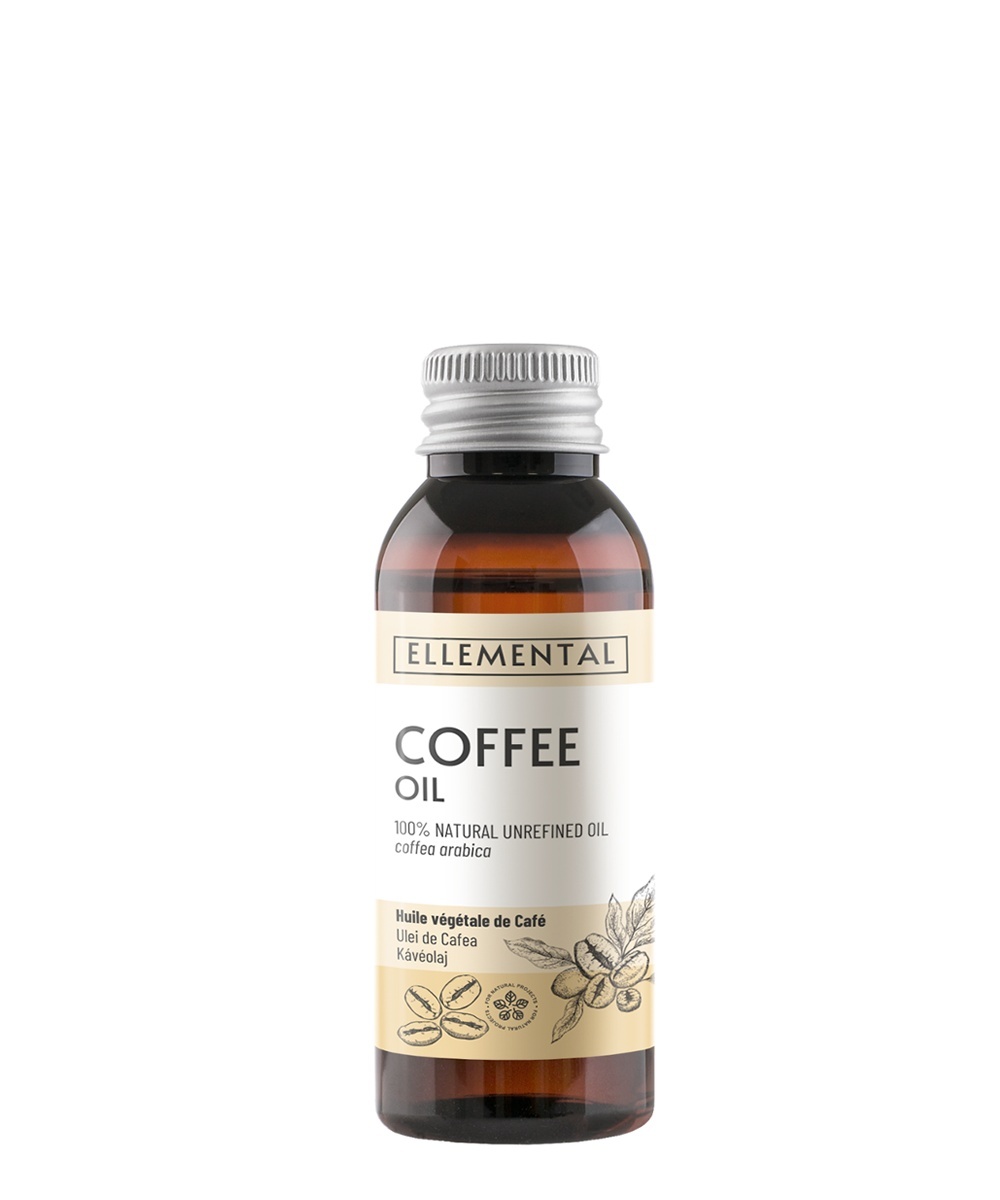
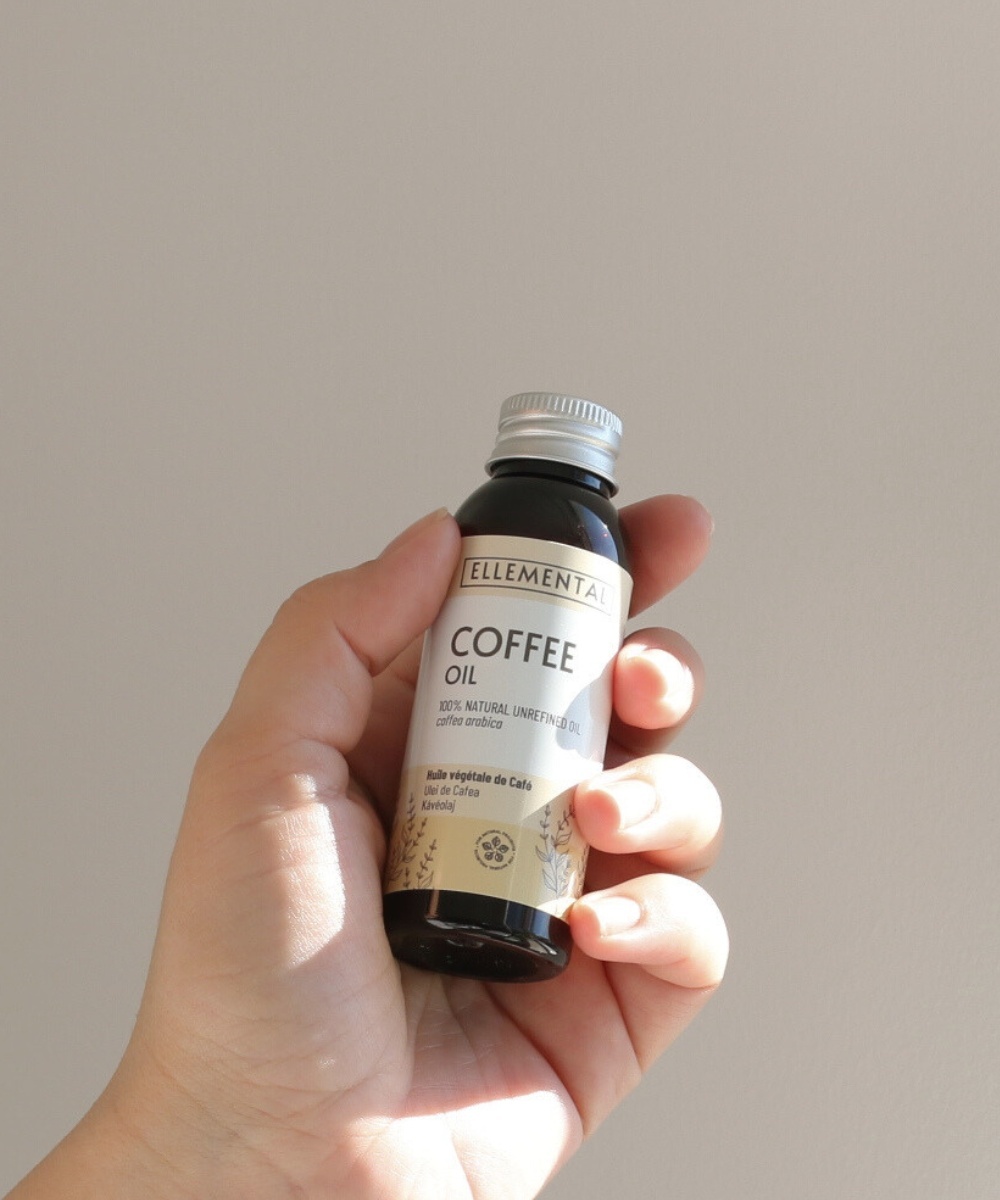
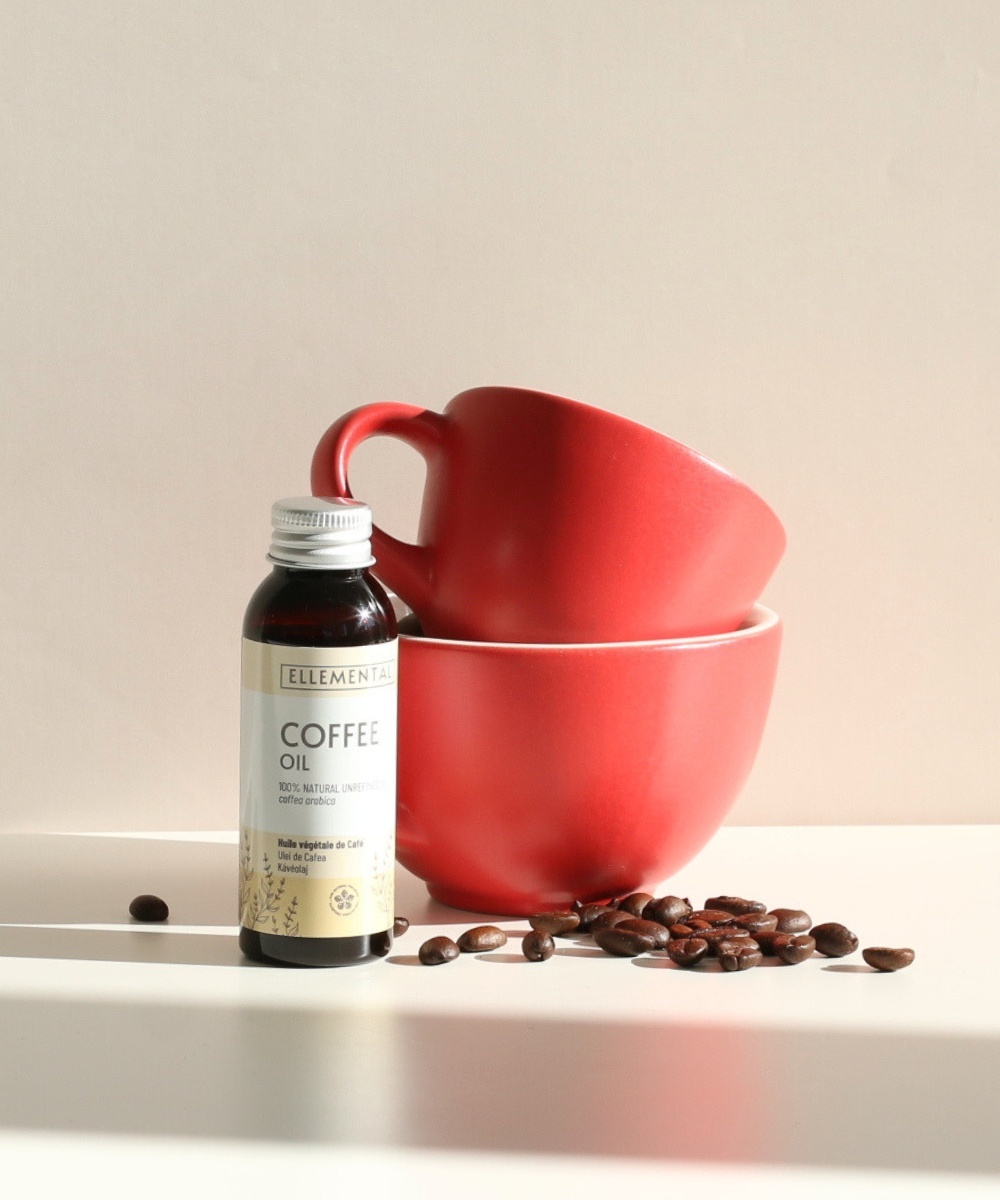
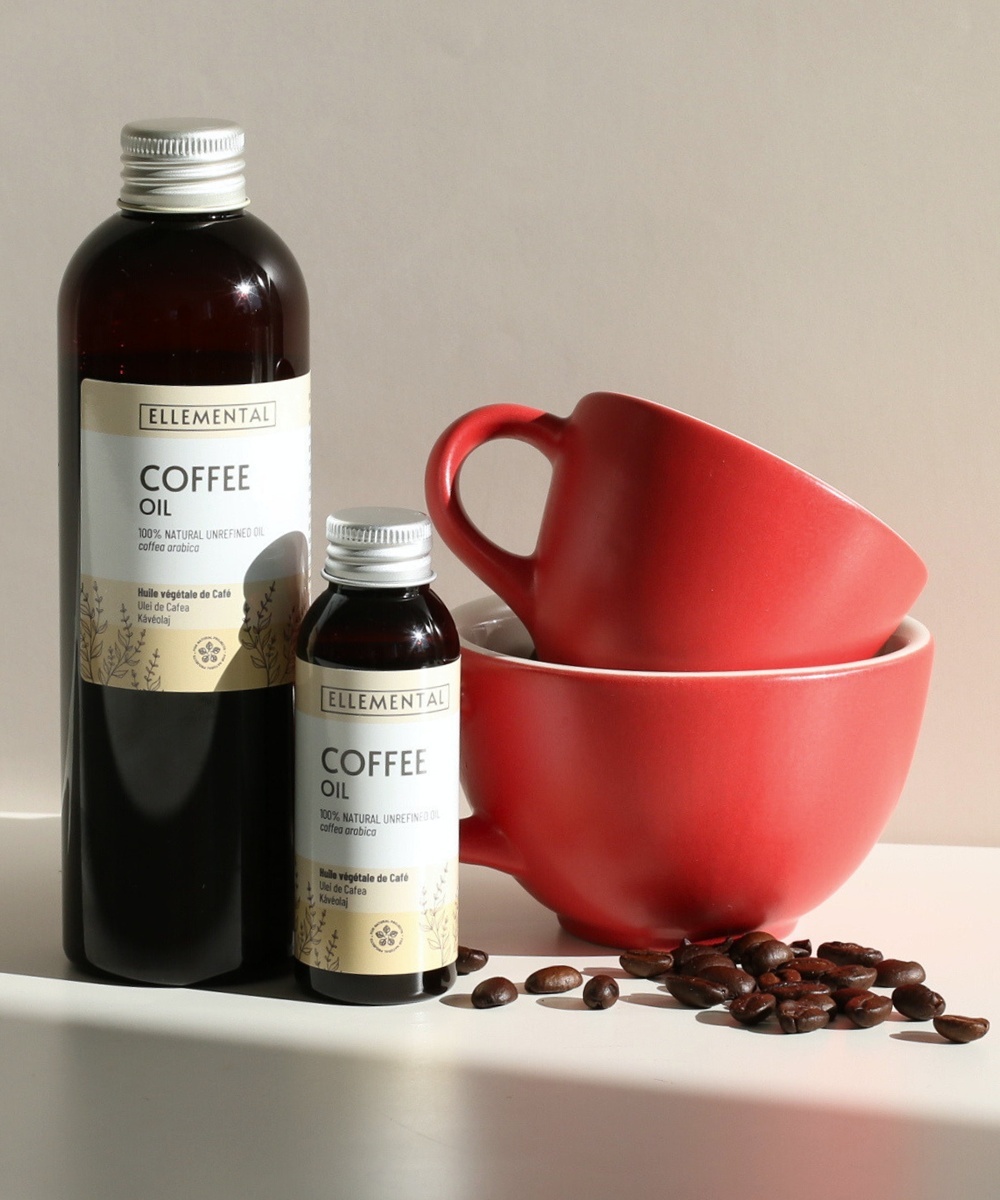
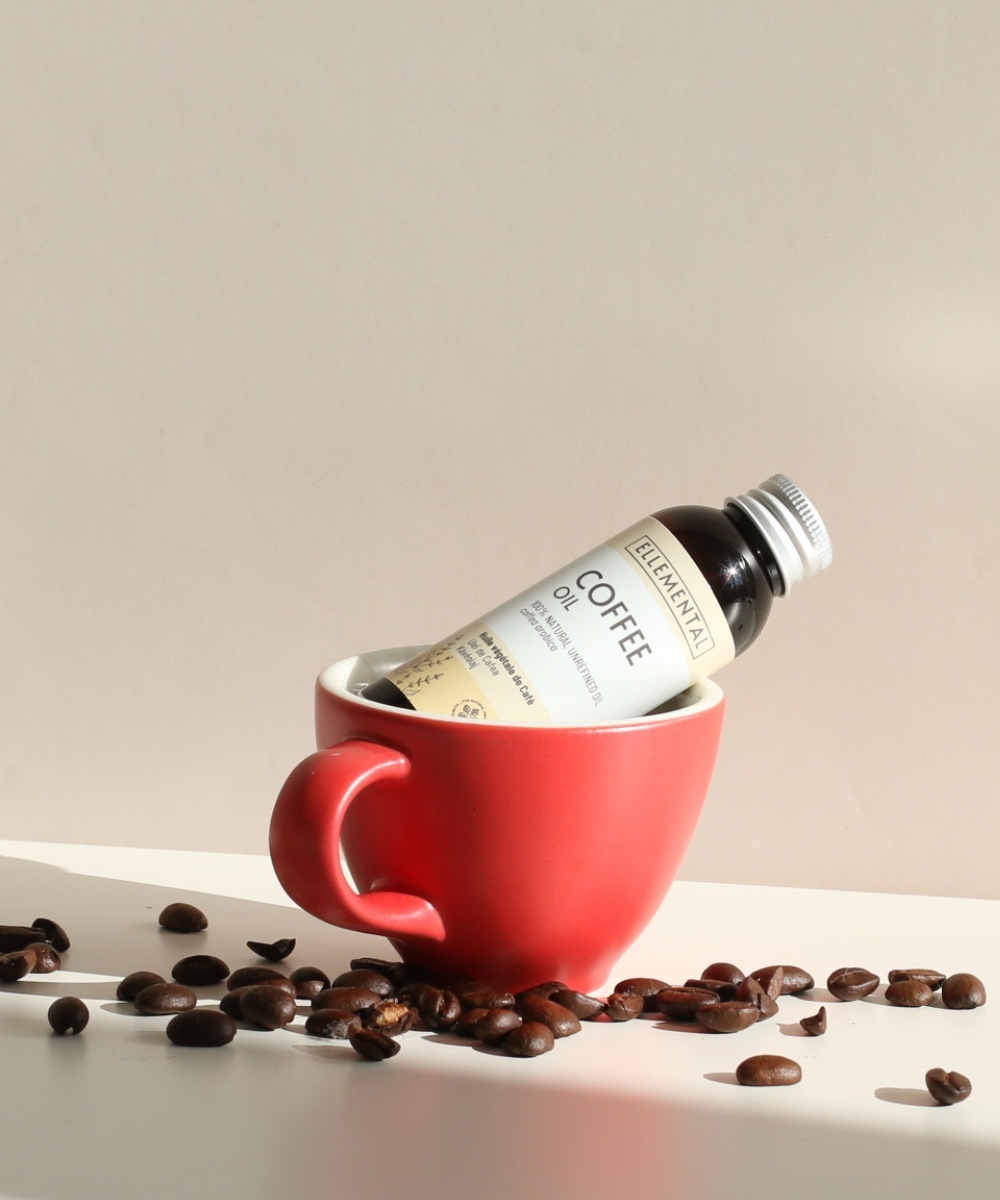
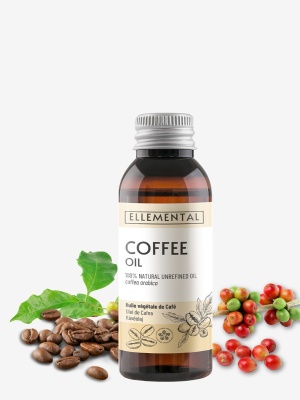
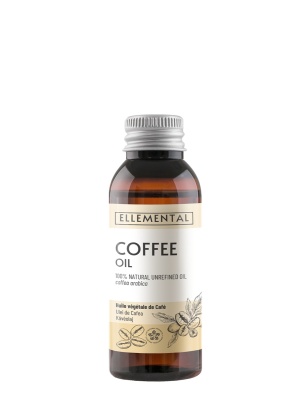
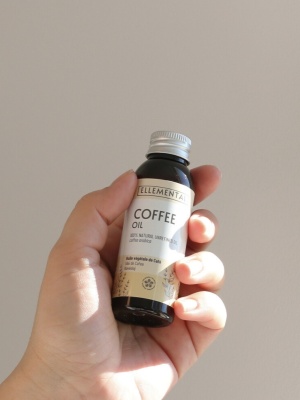
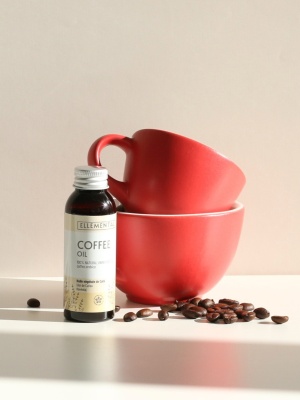
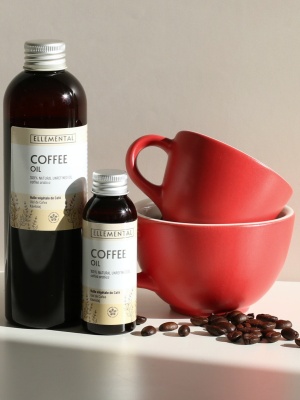
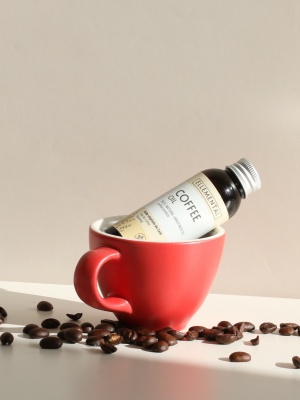
Coffee oil
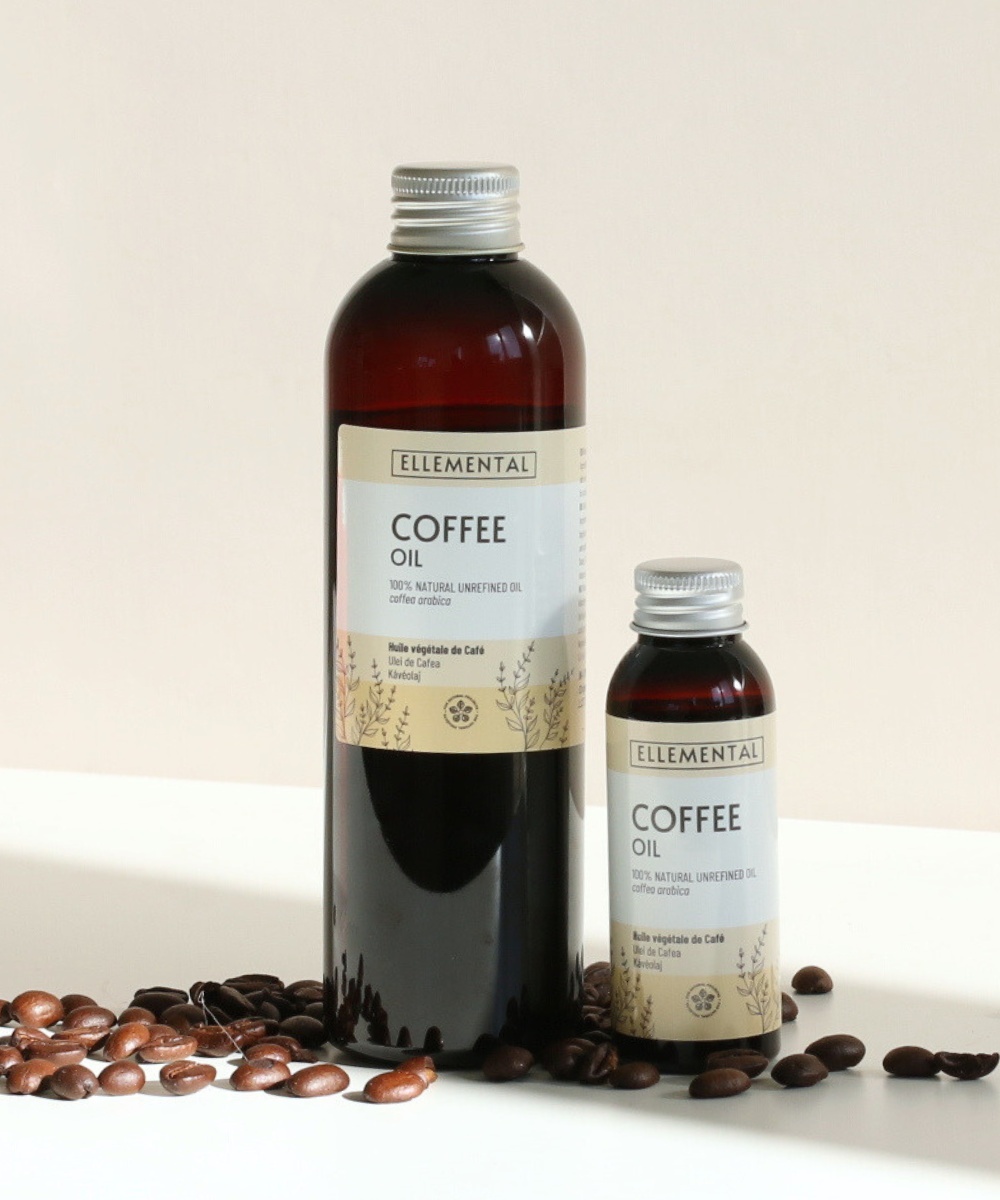
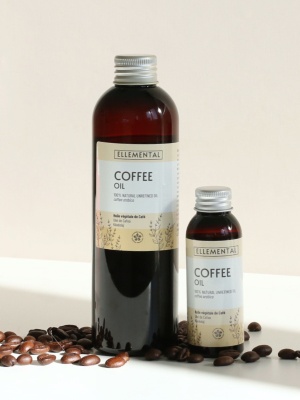
| Product size | Suitable pump | |
| 50 ml, 90 g, 100 ml |
|
|
| 200 g, 250 ml |
|


Description
Coffee oil (Coffea Arabica) is an exceptional cosmetic elixir, a true concentrate of vitality. This precious vegetable oil captures the invigorating essence of coffee beans, keeping intact a complex biochemical profile dominated by antioxidants, phytosterols, and essential fatty acids.
Due to its natural content of caffeine and phenolic compounds, coffee oil is valued in anti-aging and body contouring formulations, being an inspired choice in beauty rituals aimed at skin firmness, reducing the unsightly appearance of cellulite, and diminishing dark circles or bags under the eyes, while also offering an intense sensory experience.
With a fluid texture, medium absorption, and a rich, warm, and intense aroma of freshly roasted coffee, this oil not only nourishes the epidermis but also stimulates the senses. It is the ideal ally for individuals seeking natural solutions to combat the effects of oxidative stress, pollution, and the passage of time, being a versatile ingredient that can be integrated into both luxury facial serums and therapeutic massage oils.
Characteristics
- eco Sourcing: conventional, oil obtained by mechanical pressing
- water_do Appearance: oily liquid of medium viscosity, brown color
- verified_user Quality: 100% natural, unrefined, cosmetic grade
Ingredients: Coffea Arabica Seed Oil
100% of the total ingredients are of natural origin. Contains no preservatives, solvents, or added fragrances.
Main Properties
- check Formidable antioxidant: rich in polyphenols and vitamin E, it protects cellular structures from degradation caused by free radicals and UV radiation.
- check Circulatory stimulant: favors skin microcirculation, being excellent for reducing edema and local water retention.
- check Lipolytic and firming: supports the breakdown processes of adipose deposits, being a key ingredient in anti-cellulite products.
- check Regenerating and emollient: restores the skin's hydrolipid barrier due to its high linoleic acid content, maintaining optimal hydration.
- check Capillary tonic: stimulates hair follicles and circulation at the scalp level, contributing to the fortification of the hair root.
editor_choice Usage Recommendations and Synergies
Face care
In facial care, Coffee oil is an ingredient used predominantly on the skin around the eyes and for mature or devitalized skin. Its mechanism of action is based on the ability of caffeine to stimulate microcirculation and produce local vasoconstriction, which helps reduce eye bags and vascular dark circles. Additionally, the phytosterols present in the oil contribute to maintaining skin elasticity and smoothing fine lines.
Practical recommendations:
- Concentrated eye contour serum: In a 10 ml roll-on container, mix 2 ml of Coffee oil with 8 ml of Rice oil or Barbary Fig oil (Opuntia). Apply in the evening, using a gentle circular massage, to drain the area and brighten the gaze.
- Antioxidant booster for day cream: Add 1-2 drops of coffee oil to your daily dose of moisturizing cream just before application. This simple gesture enhances the skin's defense capacity against urban pollution and oxidative stress.
- Anti-aging facial oil: Prepare a night serum by combining 10% Coffee oil, 40% Jojoba oil, and 50% Argan oil. This synergy deeply emollients the skin and gives the complexion a rested appearance in the morning.
Synergies in face care:
Associates excellently with Rosa Mosqueta oil (for scars and wrinkles), Immortelle essential oil (for dark circles and circulation), coenzyme Q10, and other antioxidant active ingredients.
Hair care
Coffee oil is not just an ingredient for the skin, but also an exceptional stimulant for capillary health. Studies suggest that the topical application of coffee compounds can counteract the negative effects of dihydrotestosterone (DHT) on hair follicles, prolonging the anagen (growth) phase of the hair strand. Furthermore, fatty acids nourish the hair shaft, giving it shine and suppleness, and preventing split ends.
Practical recommendations:
- Stimulating scalp mask: Combine one tablespoon of Coffee oil with two tablespoons of Ricin oil and one tablespoon of Coconut oil. Vigorously massage the scalp for 5 minutes, then leave it to act under a shower cap for an hour before shampooing. Helps fortify the root and stimulate growth.
- Serum for damaged tips: Warm 2-3 drops of coffee oil mixed with Broccoli, Babassu, Moringa, or Burdock oil between your palms and apply along the length of damp hair, focusing on the tips. Offers moderate thermal protection and instant shine.
- Beard balm: Due to its optimal texture and scent, it is ideal in beard oils. Mix 5 ml of Coffee oil with 25 ml of Argan oil and 5 drops of Atlas Cedar essential oil.
Synergies in hair care
Works synergistically with Rosemary, Peppermint, and Cedar essential oils to stimulate growth, and with vege-keratin or silk protein to repair the hair strand structure.
Body care
In body care, coffee oil is recognized as one of the most potent vegetable oils for combating cellulite and the orange peel appearance. Through massage, it facilitates lymphatic drainage and activates metabolic processes in the subcutaneous adipose tissue. It is also effective in maintaining skin elasticity during weight loss diets or pregnancy (with appropriate precautions), preventing the formation of stretch marks.
Practical recommendations:
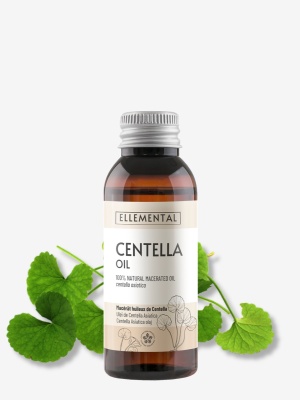
- Forte anti-cellulite massage oil: In a 100 ml bottle, mix 20 ml of Coffee oil, 30 ml of Centella oil or Ivy extract, and 50 ml of Grape seed oil. For an enhanced effect, add 50 drops of Grapefruit essential oil and 5 drops of Cinnamon essential oil. Apply daily through vigorous massage on the thighs and abdomen.
- Exfoliating and toning scrub: Mix 2 tablespoons of dry coffee grounds (or brown sugar), 1 tablespoon of Coffee oil, and 1 tablespoon of Cupuacu butter. Use this mixture in the shower to exfoliate dead skin and stimulate circulation, leaving the skin incredibly smooth.
- Firming body cream: Add 5-10% Coffee oil as an ingredient for preparing your body cream or into a neutral cream base, to benefit from its antioxidant and toning properties throughout the day.
Synergies in body care:
Combines perfectly with Chili extract (thermal effect), Black Pepper essential oil, Macadamia oil (for stretch marks), and Cocoa butter for deep emollience.
Frequently Asked Questions (FAQ)
- 1. Does coffee oil contain caffeine? How much?
- Yes, oil pressed from coffee beans contains natural caffeine (approximately 0.5% - 1.5%, variable depending on harvest and processing). This amount is sufficient to exert topical effects on the skin (vasoconstriction, stimulation), but much lower than ingesting a coffee, having no major systemic effects in normal cosmetic use.
- 2. Does this oil clog pores (is it comedogenic)?
- Coffee oil has a moderate comedogenicity rating. For most skin types, it absorbs well and does not cause problems; however, individuals with very oily or severe acne-prone skin should test it on a small area or use it diluted with non-comedogenic oils (e.g., olive-silicone, jojoba).
- 3. Can I use coffee oil during pregnancy?
- Although systemic absorption of caffeine through topical application is limited, caution is recommended during pregnancy. Use on small areas (e.g., eye contour) is generally considered safe, but for extensive body massages, it is advisable to consult your physician before use.
- 4. Does it smell like coffee? Can I use perfume over it?
- Yes, the oil has a characteristic, intense scent of roasted coffee beans. This scent is persistent and may cover other aromas. If you wish to fragrance it, we recommend using complementary aromas (vanilla, cocoa, citrus, spices) that blend harmoniously with the coffee base note.
- 5. Can I use coffee oil pure, undiluted?
- Yes, the oil is a vegetable carrier oil and can be applied directly to the skin. However, due to its intensity and higher cost, it is often used in blends (10-50%) with other vegetable oils, which also facilitates massage.
- 6. Does it stain clothes or linens?
- Having a natural dark color, the oil may leave marks on white or light-colored textiles if it is not completely absorbed into the skin. We recommend waiting a few minutes after application before dressing.
Technical data, quality
The chemical profile of coffee oil is remarkable for its balance between unsaturated fatty acids and the extremely active unsaponifiable fraction. Chromatographic analyses highlight a stable, nutrient-dense product.
The main active compounds are:
- Linoleic Acid (Omega-6): 40-48% - essential for maintaining the skin barrier and preventing transepidermal dehydration.
- Palmitic Acid: 30-36% - a saturated fatty acid that provides oxidation stability and protective emollient properties.
- Oleic Acid (Omega-9): 8-12% - contributes to the penetration of the oil into the deep layers of the epidermis.
- Unsaponifiable fraction: rich in phytosterols (beta-sitosterol, stigmasterol), tocopherols (Vitamin E), diterpenes (cafestol, kahweol), and caffeine, responsible for the intense biological activity of the oil.
Warnings, Safety data
General precautions
- Product intended exclusively for external cosmetic use. Do not ingest (even if it comes from a food plant, the cosmetic product is not processed according to food standards).
- Perform a sensitivity test (patch test) on the elbow crease 24 hours before the first use, especially if you have sensitive skin.
- Avoid direct contact with the ocular mucosa; in case of accidental contact, rinse abundantly with a neutral vegetable oil, then with water.
- Keep out of reach of children.
- Individuals with a known allergy to coffee or plants in the Rubiaceae family should avoid this product.
Safety in use
Coffee oil is generally well-tolerated by the skin and is considered a safe ingredient in cosmetics (Safe as Used). Due to its biological activity, it may produce a slight sensation of warming or tingling in some individuals, a sign of circulation stimulation, an effect that disappears quickly.
In "leave-on" cosmetic formulations (which remain on the skin), it can be used in concentrations from 1% up to 100%, although a concentration of 5-20% is usually sufficient to achieve the desired therapeutic benefits without overloading the skin or olfactorily dominating the final product.
Storage, preservation
- Store in a cool, dry place, away from sunlight. Keep out of reach of children.
Sources
Bibliography and official scientific sources:
- Herman, A., & Herman, A. P. (2013). Caffeine’s mechanisms of action and its cosmetic use. Skin Pharmacology and Physiology.
- Rodrigues, F., et al. (2016). Coffee: A possible valuable cosmetic ingredient. Pharmaceutical Biology.
- Velazquez Pereda, M. C., et al. (2009). Effect of green Coffea arabica L. seed oil on extracellular matrix components and water-channel expression in in vitro and ex vivo human skin models. Journal of Cosmetic Dermatology.
- Wagemaker, T. A., et al. (2015). Integrated approach to Green Coffee Oil use in cosmetic formulations. International Journal of Cosmetic Science.
- Azevedo, L., et al. (2008). Fractionation of coffee oil by molecular distillation. Journal of Food Engineering.
- PubChem Compound Summary for Caffeine and Linoleic Acid. National Center for Biotechnology Information.
- Tisserand, R., & Young, R. (2014). Essential Oil Safety: A Guide for Health Care Professionals (Contextual data on lipid carriers).
Why we love it
We love coffee oil for the vibrant energy it brings to the care routine. It is fascinating how a single natural ingredient can offer both firmness to the body and radiance to the gaze, all enveloped in a delicious aroma that awakens our senses and prepares us for a new day. It is perfect proof that nature holds the most effective secrets for beauty and toning.
Details
You'll like these too
Reviews
Write a valid review and earn loyalty points worth €0.40