








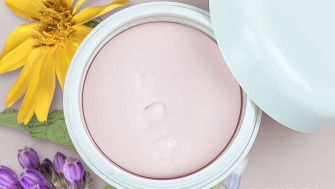
Formula: 72289 Difficulty level: beginner Shelf life: min 6 months pH optimal: - Phase Ingredients Dosage % Total 60 gr A Comfrey oil 17,49 11,7 gr A Arnica oil 20 12 gr A Shea Butter refined 35 21...
| Product size | Suitable pump | |
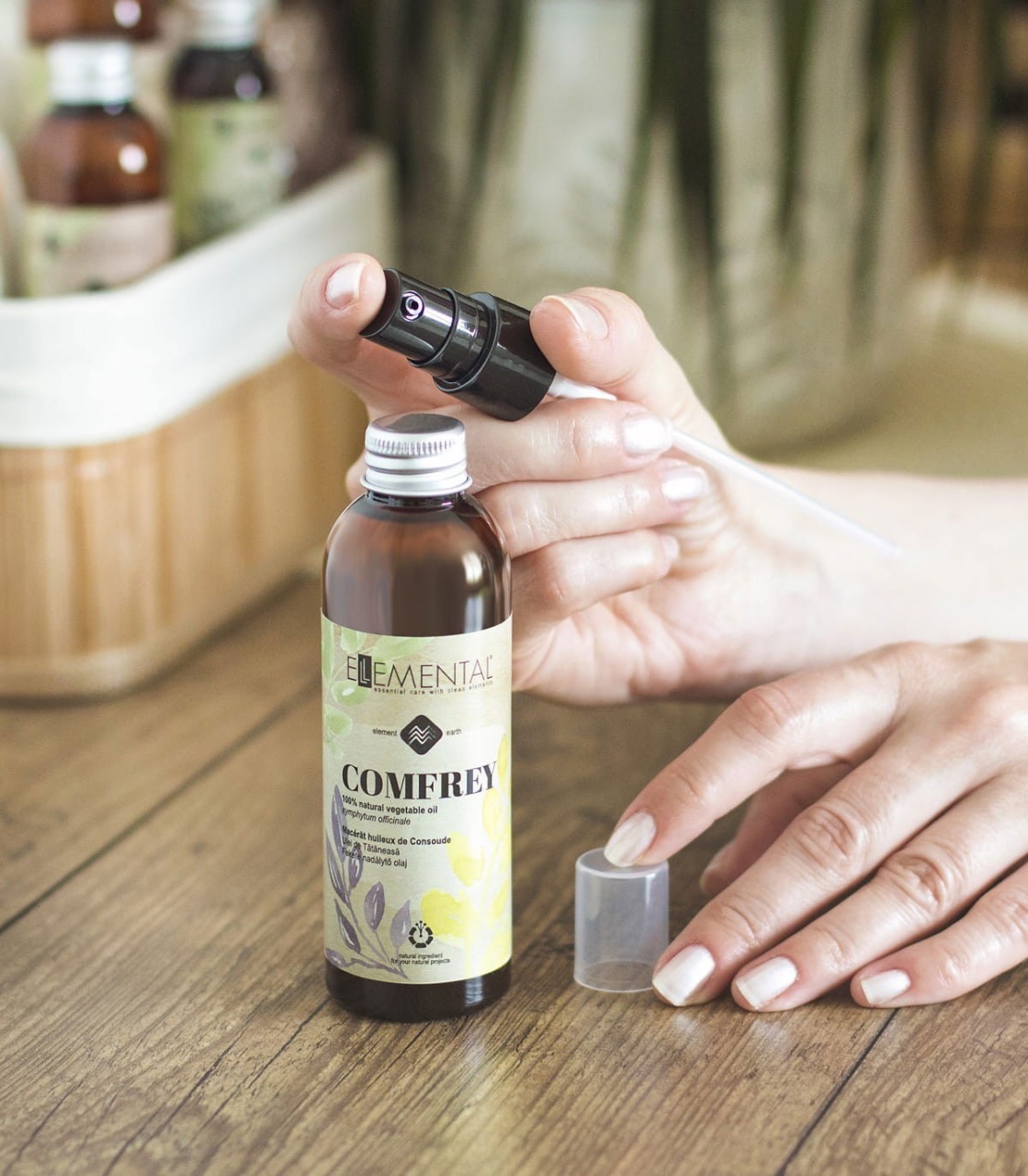
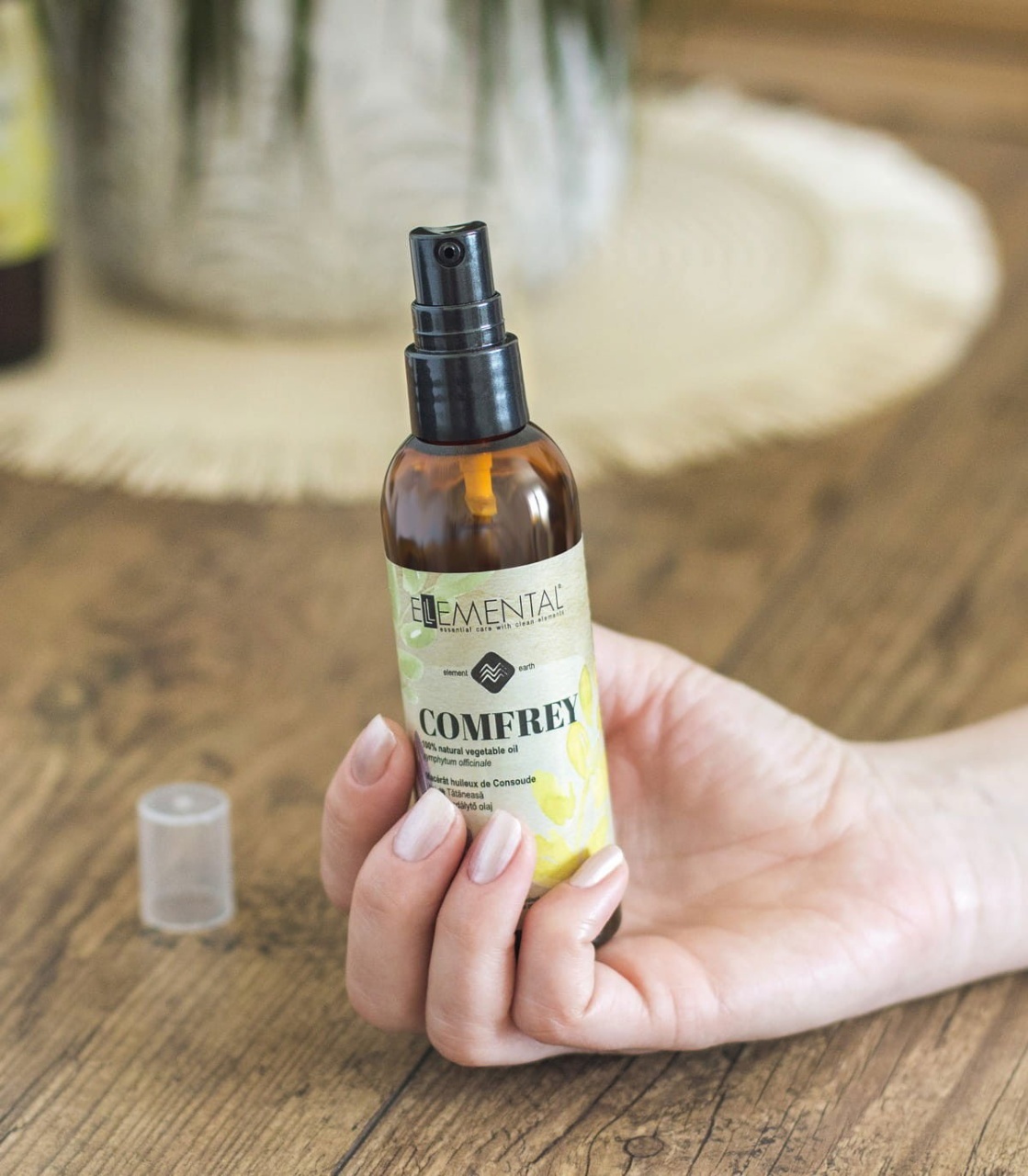
| 50 ml, 90 g, 100 ml |
|
|
| 200 g, 250 ml |
|
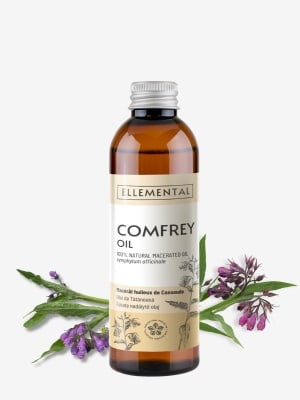
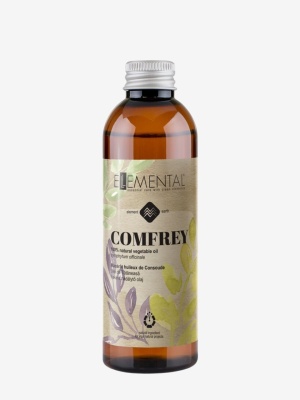
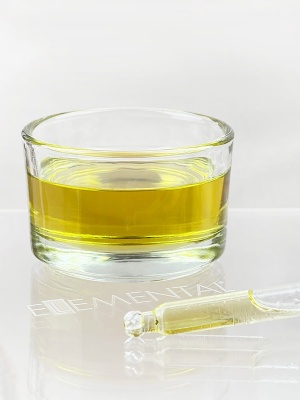
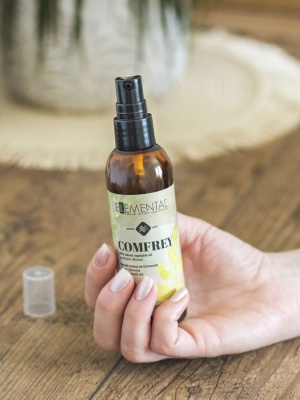
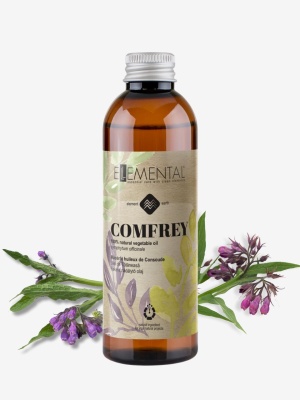
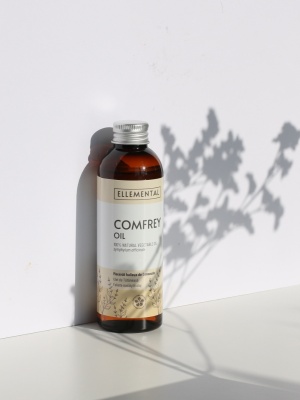
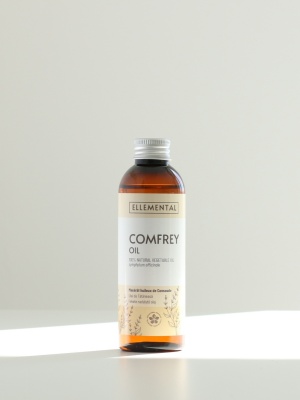
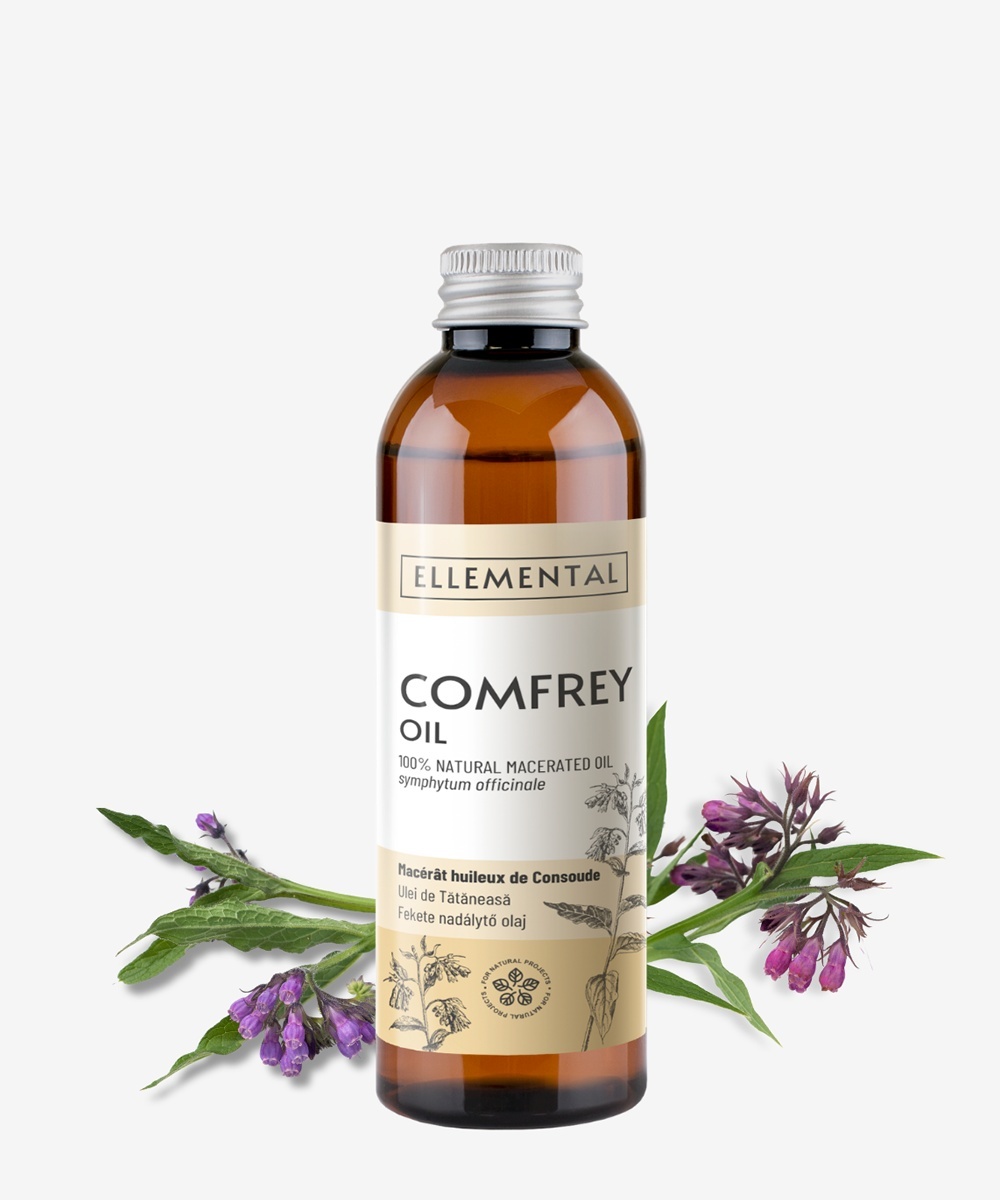
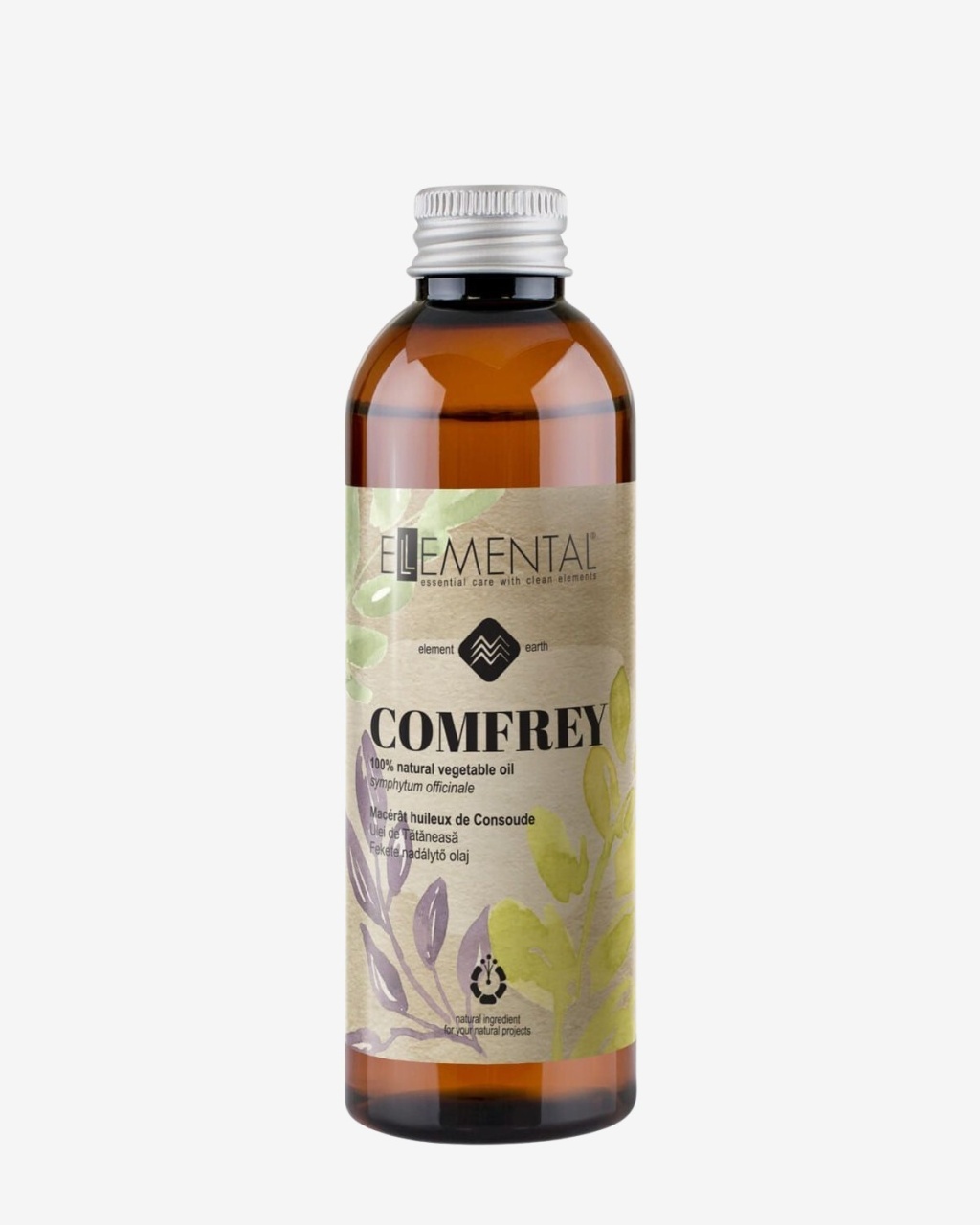
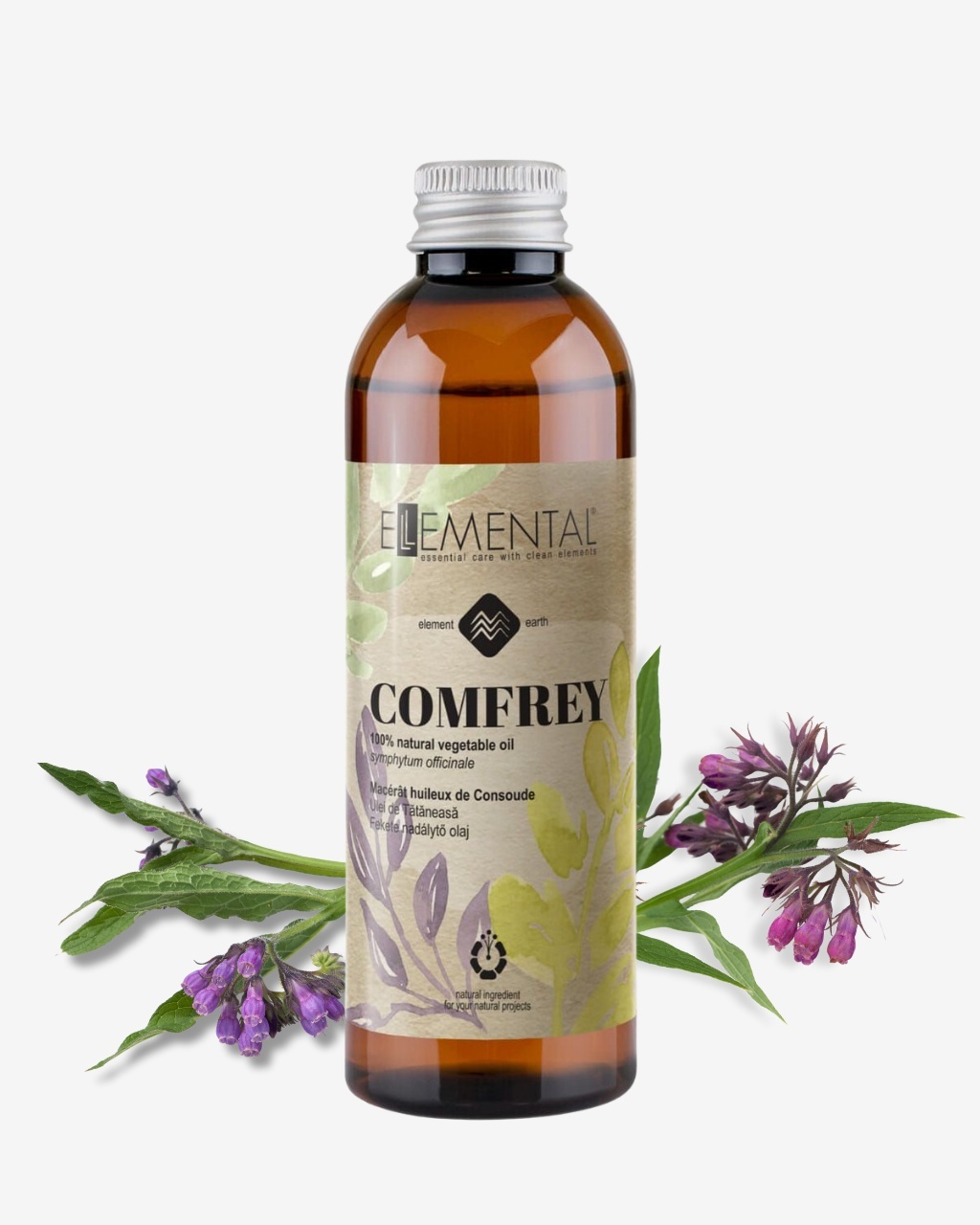
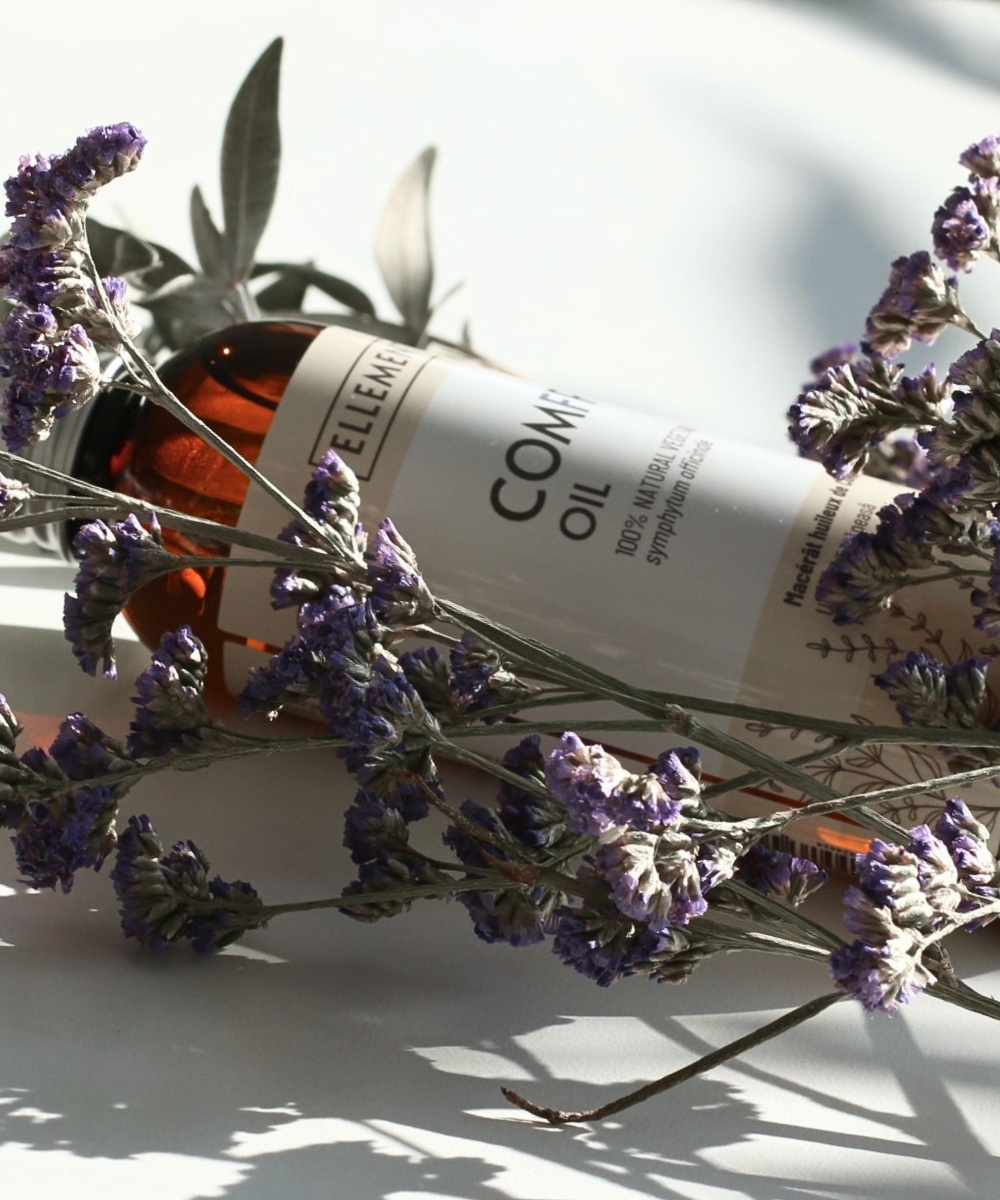
Comfrey Oil (Symphytum officinale) is traditionally used for skin regeneration, and soothing joint and muscle pain. It is recognized in cosmetics for its ability to support the repair of damaged skin tissues, being used as a staple ingredient in formulas intended for cracked, rough, or scarred skin.
Due to bioactive compounds such as rosmarinic acid, phytosterols, and triterpene fractions, this extract effectively supports the natural restructuring processes of the hydrolipid barrier. The combined action of these plant molecules helps to quickly diminish the discomfort caused by irritation, redness, or severe dryness. In addition, comfrey oil provides an excellent fluid base for targeted body massage, being a favorite among active individuals for relieving tension in overexerted areas after physical exercise and for restoring a smooth, supple appearance to the skin.
Ingredients: Helianthus Annuus Seed Oil, Symphytum Officinale Leaf Extract
100% natural, free of preservatives or additives.
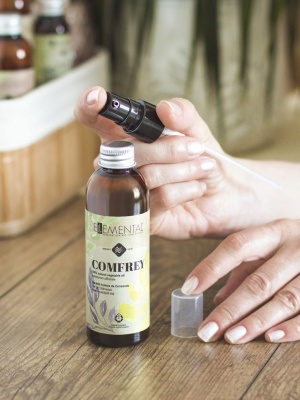
Direct local application: Massage a few drops onto clean skin over rough, cracked areas or areas affected by dryness (hands, elbows, heels).
Ingredient in repairing creams: Add to the oil phase of emulsions to create protective hand creams, moisturizing body lotions, or night creams.
For an intense repairing action: It can be associated with Calendula Oil or Rosehip Oil, enhancing the skin restructuring effect.
Anhydrous balms: Can be combined with beeswax and vegetable butters to formulate dense, intensely protective ointments and balms.
For the protection of very dry or cracked skin: In combination with Shea Butter or Mango Butter to create rich-textured balms.
Body massage oil: Used pure or as a carrier oil alongside specific essential oils for back, leg, or shoulder massage.
For a tension-relieving body massage: As a base in which essential oils such as Peppermint, Eucalyptus, or Lavender are incorporated.
Care for weather-exposed skin: Applied preventively or curatively to areas exposed to wind, cold, or dry air to maintain skin suppleness.
Does this oil contain allantoin?
No, the oily macerate does not contain allantoin. Although comfrey is famous for its allantoin content, this molecule is water-soluble and does not dissolve in oils. However, the oily macerate successfully extracts other essential compounds of the plant, such as rosmarinic acid (a powerful anti-inflammatory), phytosterols, and triterpene compounds, which are directly responsible for the soothing and skin-restructuring properties of this product.
Can it be used on open wounds?
Although folk tradition mentions this use, current safety recommendations advise application exclusively to intact skin, not on open, bleeding, or infected wounds, precisely out of caution regarding increased absorption through broken skin.
Safety in use
Cosmetic product for external use only. Do not ingest. Apply exclusively to intact skin. Short-term use and a skin patch test prior to first use are recommended. Avoid contact with eyes. Not recommended during pregnancy or breastfeeding without medical advice.
Storage, preservation
Keep the bottle closed, in a cool place, away from direct light.
Write a valid review and earn loyalty points worth €0.40