





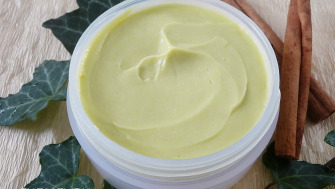
Formula: 11214 Difficulty level: medium Shelf life: min 3 months pH optimal: 5.0-5.5 Phase Ingredients Dosage % Total 150 gr A Avocado oil 20 30 gr A Emulsifier Olliva 6 9 gr B Immortelle water 41,7...
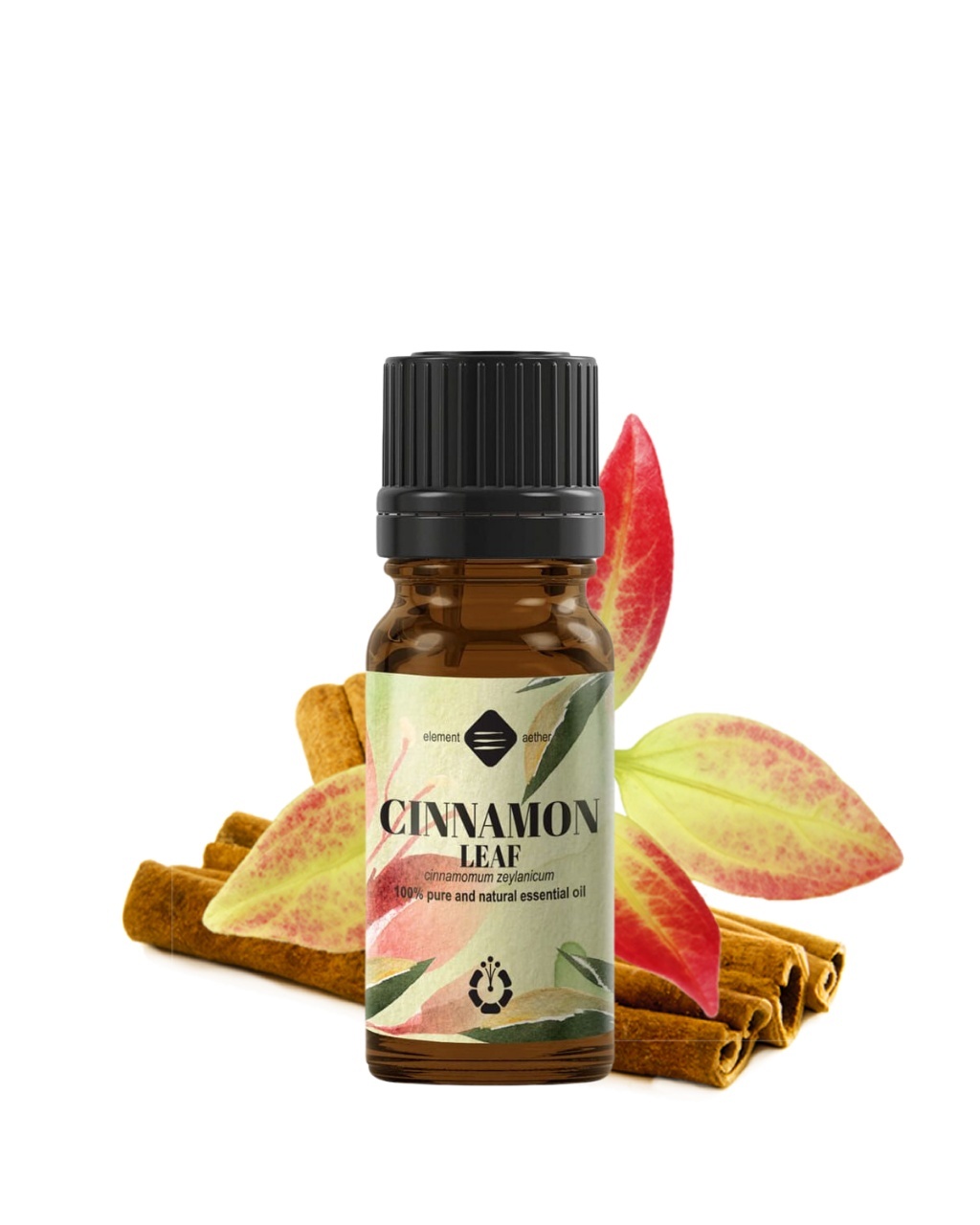
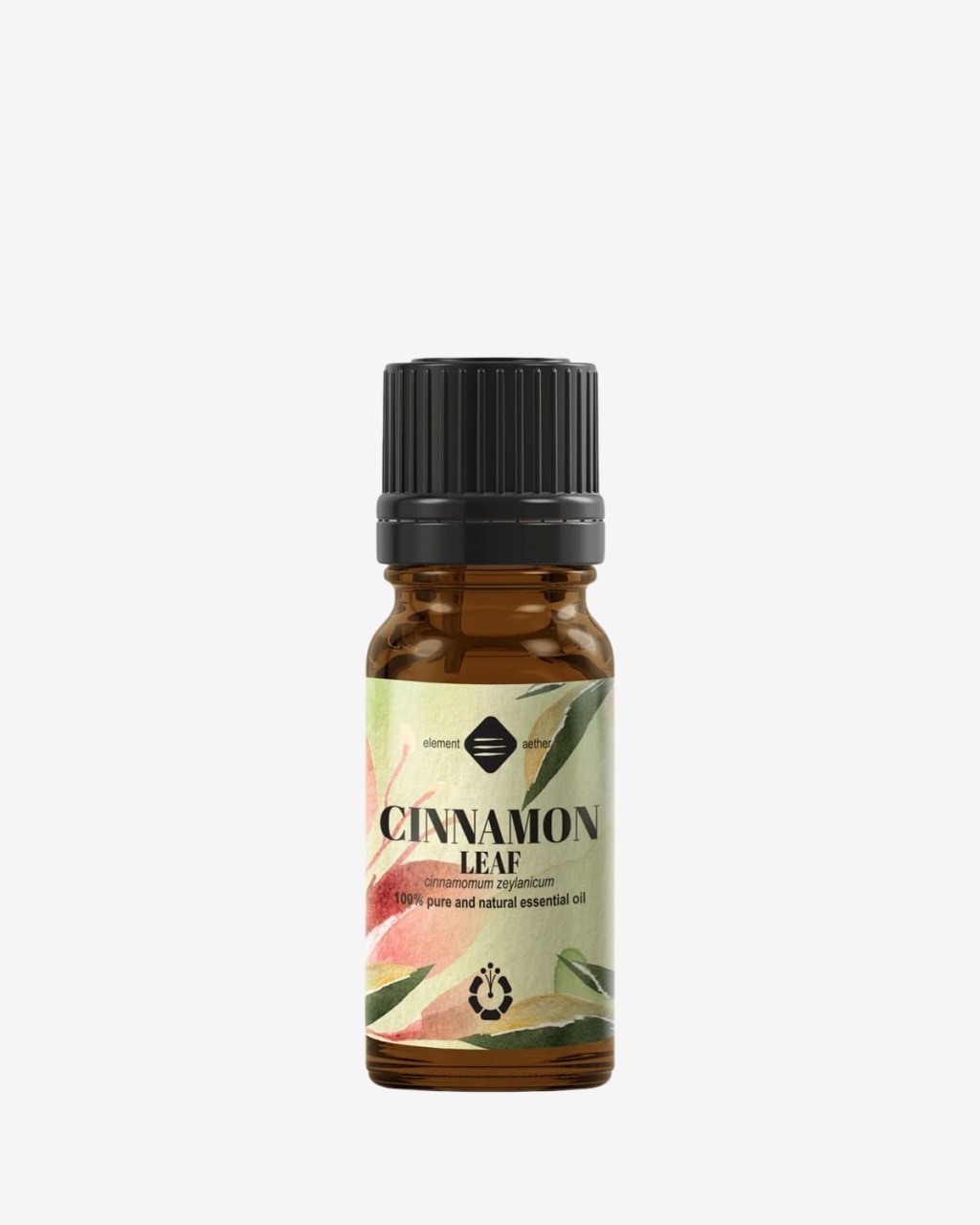
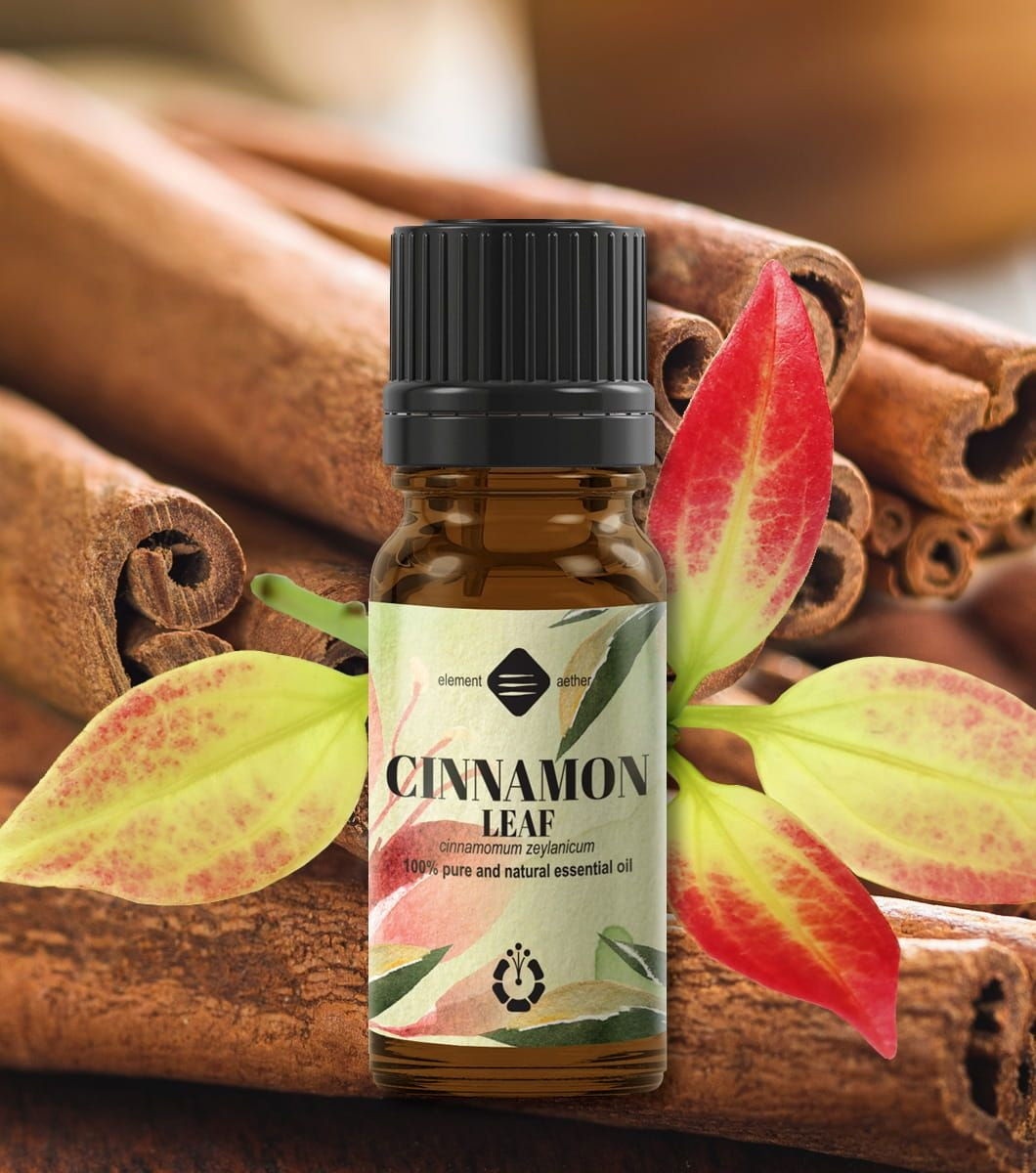
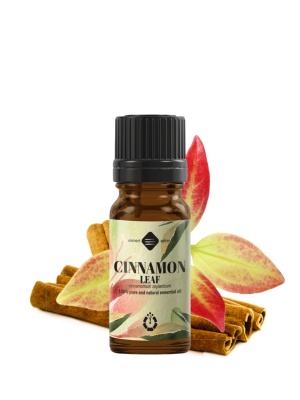
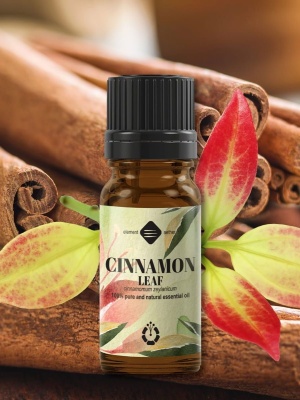
Cinnamon is one of the oldest spices in the world, and the oil extracted from its leaves brings a surprise: it smells more like cloves than classic cinnamon. The reason is chemical, the leaves contain 70–85% eugenol, the exact molecule that defines cloves, compared to the cinnamaldehyde that dominates bark oil. It offers a warm, spicy, oriental aroma, and a distinct cosmetic profile compared to the bark variant, making it more accessible for topical formulations.
Like any phenolic oil, this must be used in small concentrations and mandatory diluted. Used with discernment, it brings warmth, vigor, and character to any formula or composition.
air Olfactory profile: Warm, spicy, with sweet-woody undertones. Persistent and dominant in any blend.
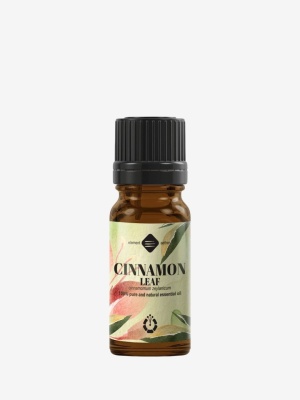
Ingredients: Cinnamomum Zeylanicum Leaf Oil
100% pure and natural, distilled from leaves
Tonic massage: Ginger Essential Oil, Black Pepper Essential Oil, Organic Rosemary Essential Oil, Tamanu Oil.
Oral hygiene: Organic Tea Tree Essential Oil, Organic Peppermint Essential Oil, Clove Essential Oil, Coconut Oil.
Cold season aromatherapy: Sweet Orange Essential Oil, Fir Essential Oil, Ginger Essential Oil.
Perfumery - oriental and spicy: Patchouli Essential Oil, Sweet Orange Essential Oil, Myrrh Essential Oil, Organic Cedarwood Atlas Essential Oil, Bergamot Essential Oil.
Used exclusively diluted, in small concentrations. Do not apply undiluted to the skin or on large surface areas. Do not use internally. For dosages, consult the IFRA certificate attached to the product.
Q: Why does it smell more like cloves than cinnamon?
A: The classic aroma of cinnamon comes from cinnamaldehyde, which is dominant in the bark oil. The leaves of the very same tree produce an oil dominated by eugenol.
Q: What is the difference compared to the bark oil?
A: Cinnamon bark oil contains ~70% cinnamaldehyde, a powerful sensitizer with extremely strict IFRA limits. Leaf oil has a wider window for cosmetic use, although it still requires correct dilution. For topical applications, the leaf is the practical choice.
Botanical name: Cinnamomum zeylanicum
INCI: Cinnamomum Zeylanicum Leaf Oil
Family: Lauraceae · Part: leaves · Method: steam distillation
Do not apply undiluted to the skin. Do not apply on large surface areas. Do not use internally.
Store in a dry, cool place, away from light. Keep out of reach of children.
For dilutions in accordance with legal regulations, consult the IFRA certificate attached to the product on the website.
Perform a skin patch test in the bend of the elbow 24 hours before use. Avoid contact with eyes and mucous membranes. In case of an accident, rinse with a vegetable oil.
For individuals with chronic conditions, during pregnancy, breastfeeding, or for young children, consult a doctor.

Write a valid review and earn loyalty points worth €0.40