






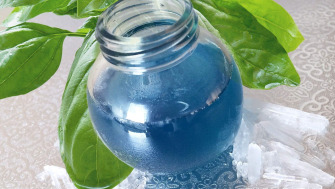
Formula: 40122 Difficulty level: beginner Shelf life: min 3 months pH optimal: 5.5-6.0 Phase Ingredients Dosage % Total 250 gr A Lauryl Surfactant 10 25 gr A Basil Tropical essential oil 0,2 0,5 gr A...
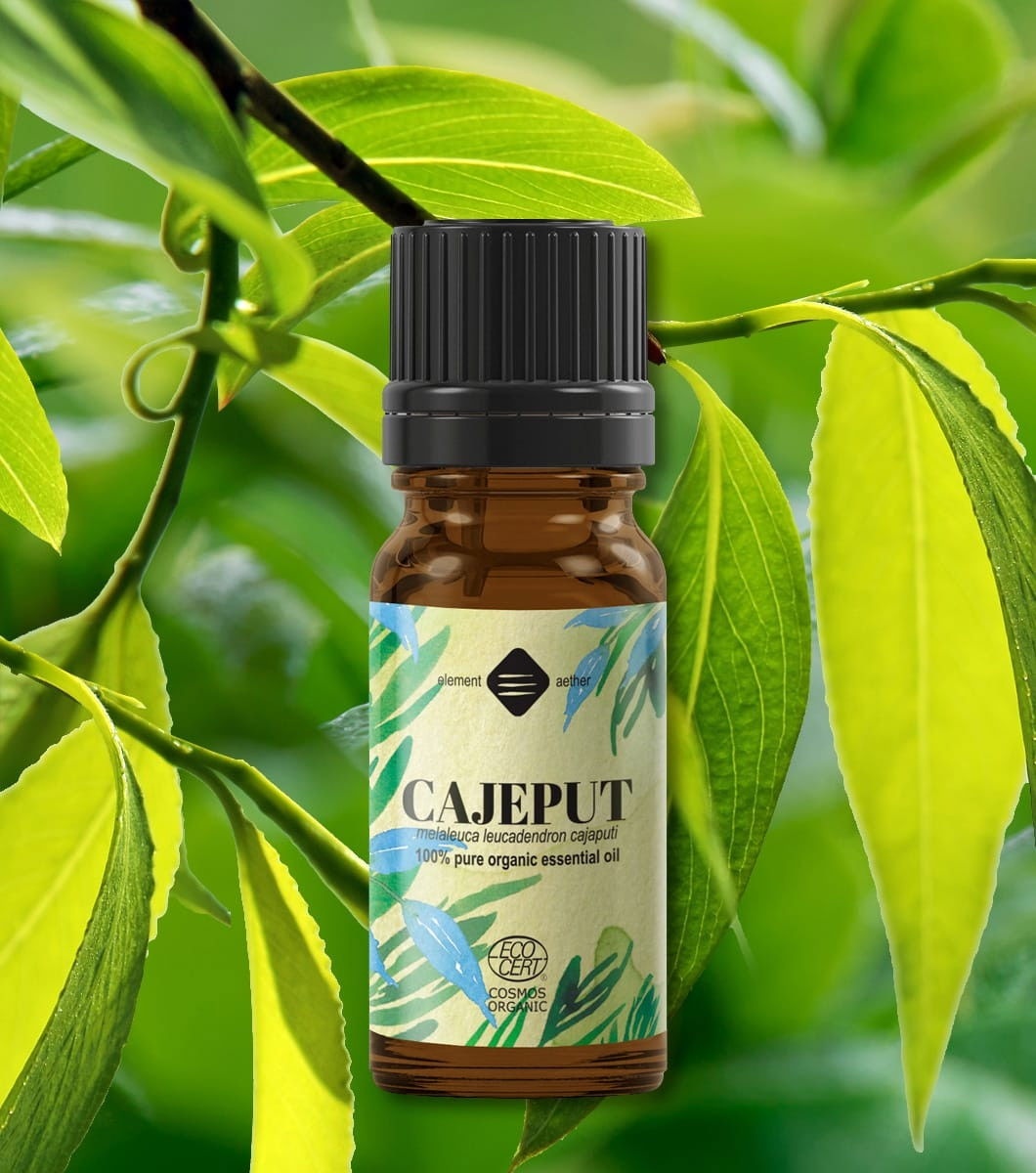
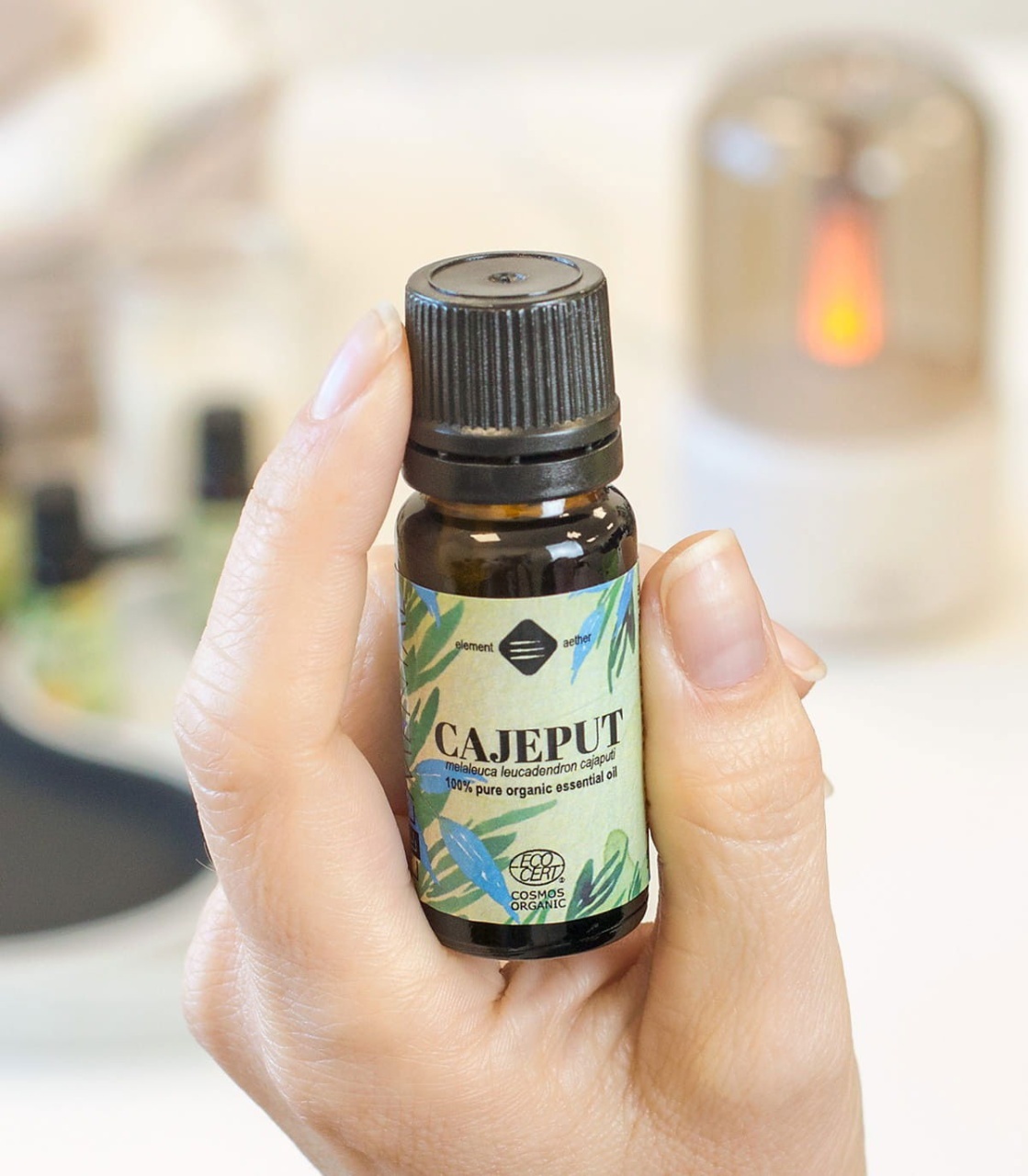
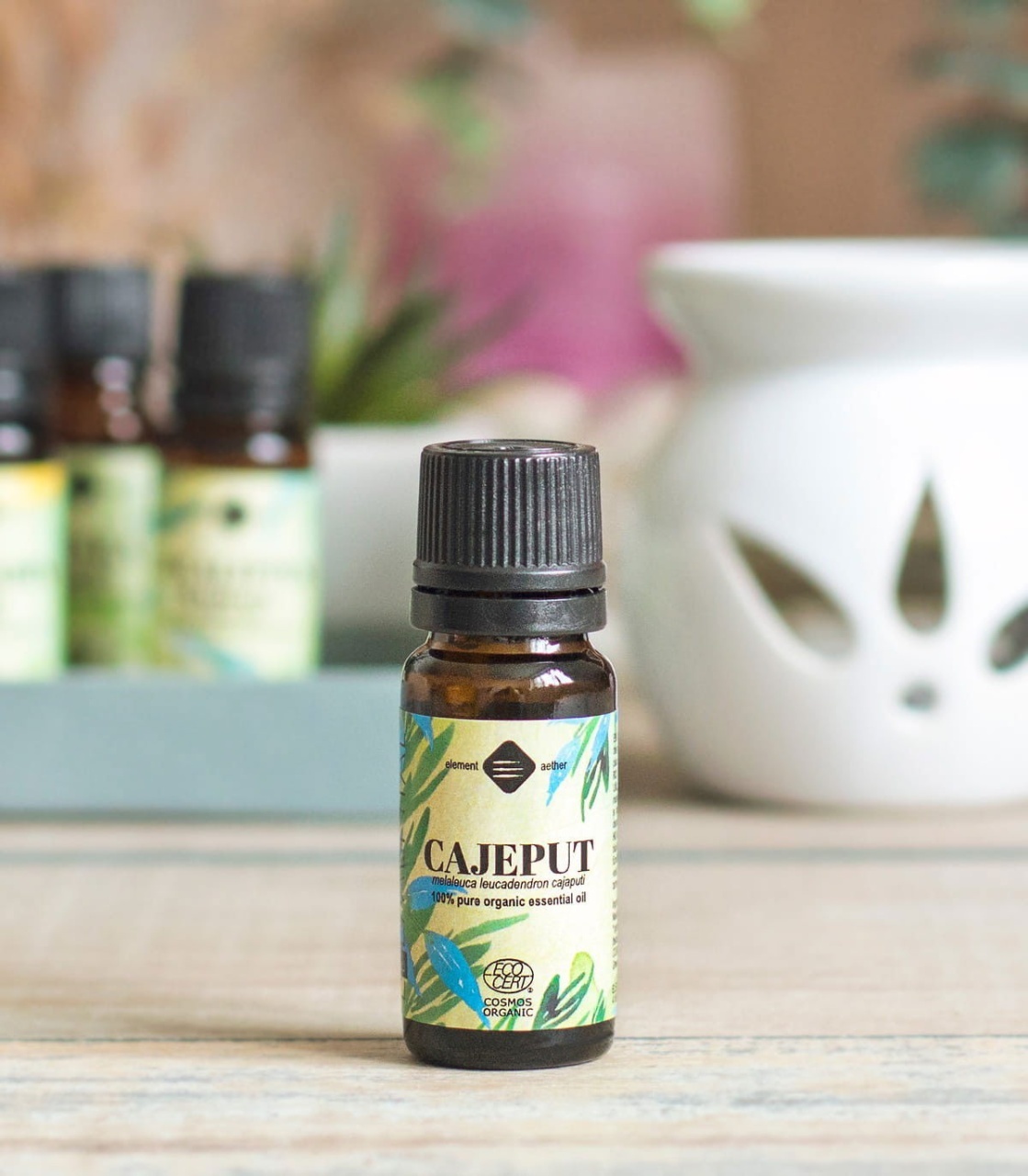
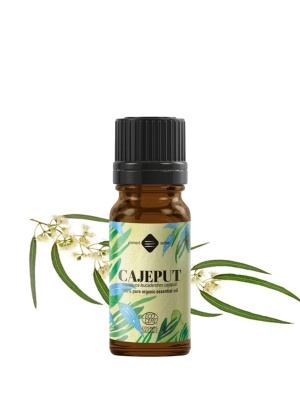
Cajeput (Melaleuca leucadendron) belongs to the Melaleuca family alongside Tea Tree and Niaouli, but it occupies its own distinct niche within this family. It is respiratory and purifying, acting as an expectorant and decongestant highly suitable for the cold season. It is analgesic and anti-inflammatory in topical application, traditionally used for joint pain, muscle pain, neuralgia, and rheumatic massage. Its powerful, fresh-camphorous aroma is intense and penetrating.
Cajeput essential oil is indispensable for the cold and flu season, working as a purifier and toner for the skin, an interesting addition to preparations for oily and acne-prone skin care, and in applications against hair loss.
It is one of the key ingredients of the famous Tiger Balm.
air Olfactory profile: Camphorous, fresh, intense, penetrating, with cooling notes.
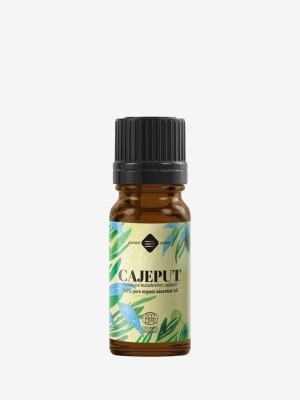
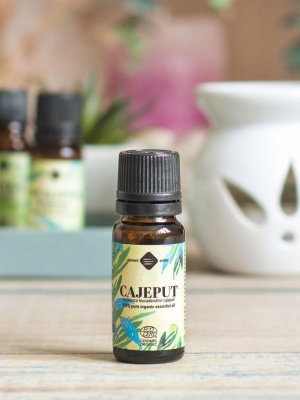
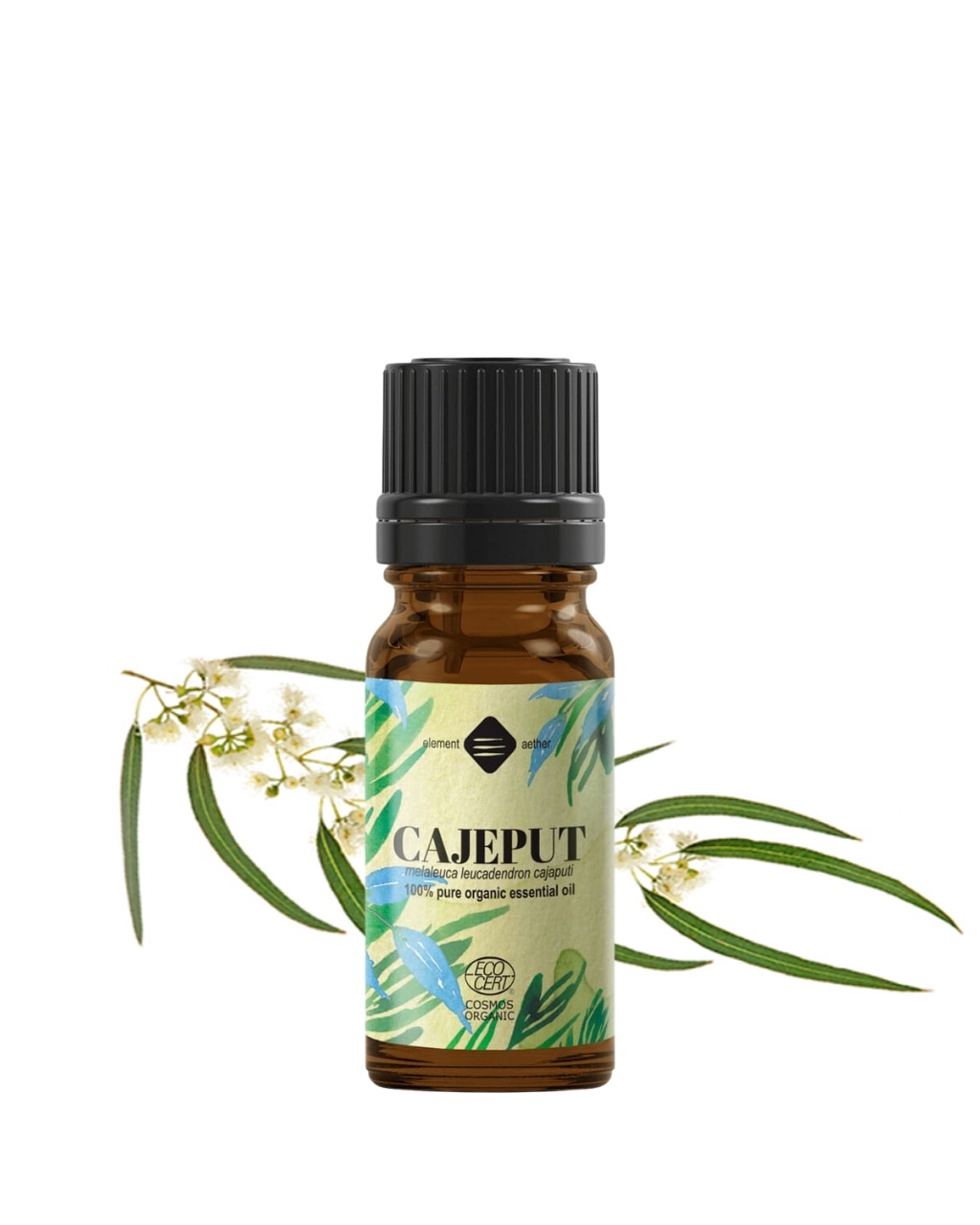
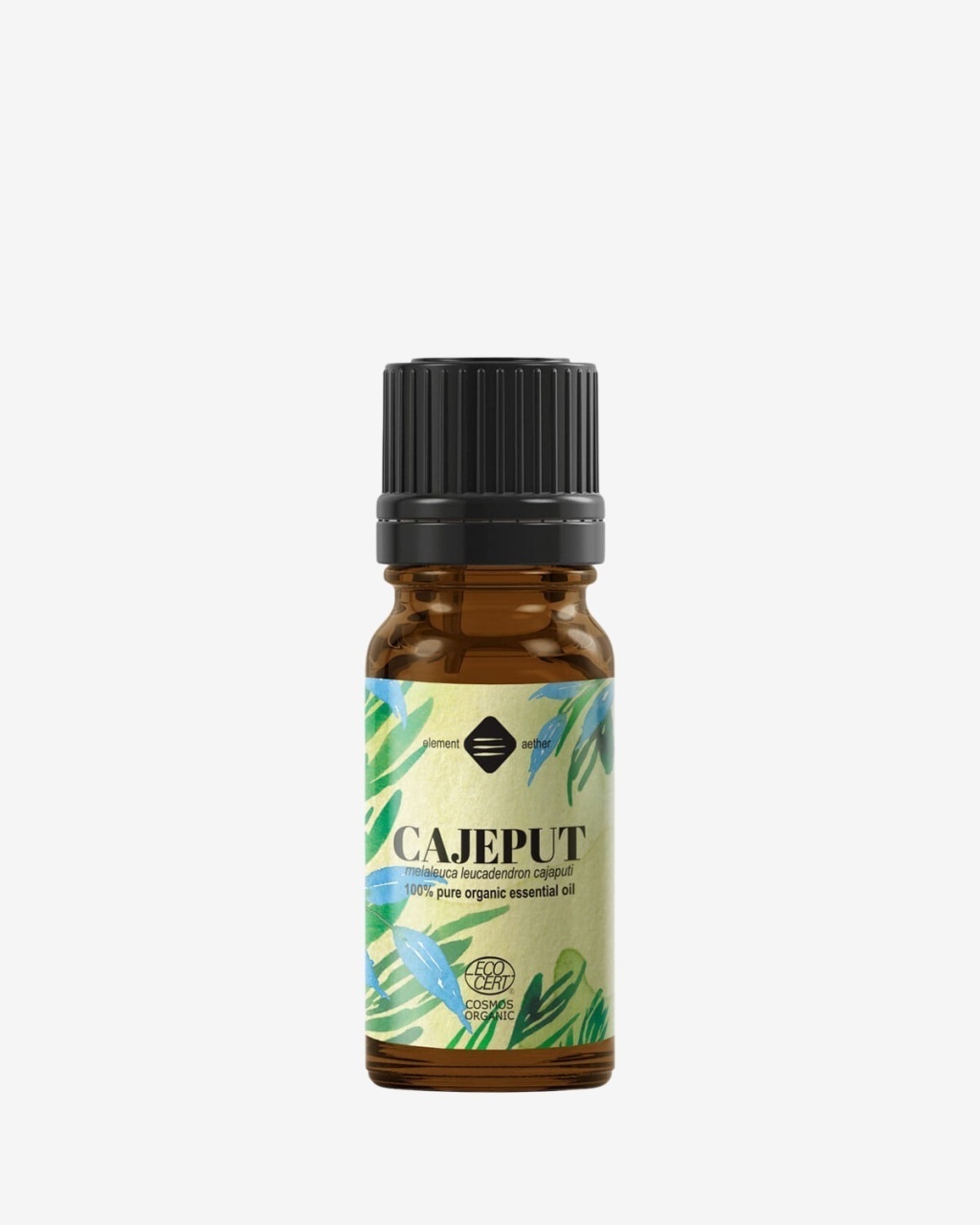
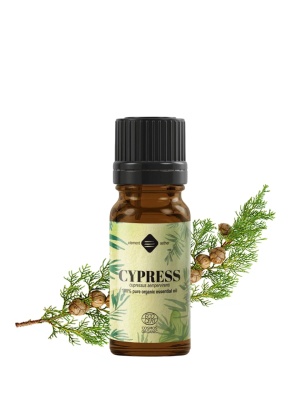
Ingredients: Cajeput Essential Oil (Melaleuca Leucadendron Cajaput Oil)
*100% of the total ingredients come from organic farming
COSMOS ORGANIC certified by Ecocert Greenlife in accordance with the COSMOS standard
100% pure and natural, E.O.B.B.D. botanically and biochemically defined, full spectrum, unfractionated, undiluted
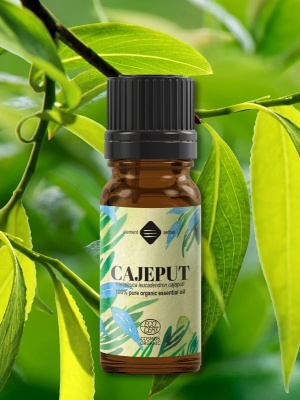
Obtained by steam distillation from the leaves and young branches of Melaleuca leucadendron
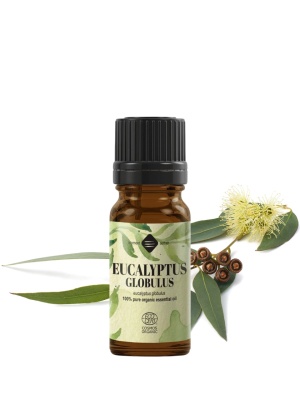
Cold season, respiratory: Organic Eucalyptus Radiata Essential Oil, Ravintsara Essential Oil, Organic Niaouli Essential Oil, Organic Scots Pine Essential Oil.
Joint pains, rheumatism: Wintergreen Essential Oil, Lemon Eucalyptus Essential Oil, Ginger Essential Oil, Arnica Oil, St. John's Wort Oil.
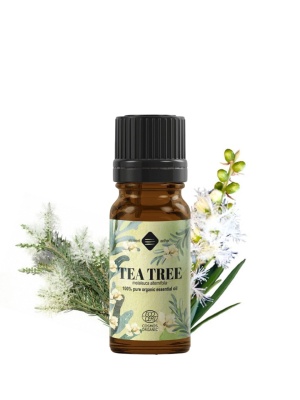
Oily, acne-prone skin: Organic Tea Tree Essential Oil, Organic Palmarosa Essential Oil, Organic Black Cumin Oil.
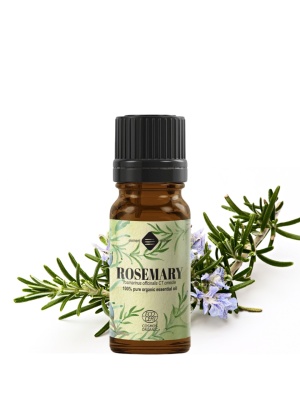
Problematic scalp: Organic Atlas Cedar Essential Oil, Organic Rosemary Essential Oil, Castor Oil, Burdock Oil.
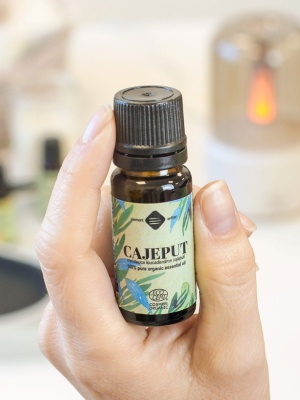
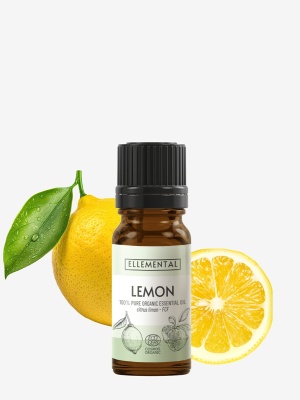
Ambient aromatherapy: Organic Lemon Essential Oil, Balsam Fir Essential Oil, Organic Tea Tree Essential Oil.
Purifying hygiene: Organic Tea Tree Essential Oil, Organic Peppermint Essential Oil, Organic Lemon Essential Oil.
Cajeput essential oil is used exclusively as an ingredient in cosmetic preparations and aromatherapeutic compositions. Do not apply undiluted to the skin.
Q: How does Cajeput differ from Tea Tree and Niaouli from the same family?
A: The three are siblings within the Melaleuca family, but they carry distinct profiles. Tea Tree is dominated by terpinen-4-ol — a powerful antibacterial and antifungal, with a core focus on skin infections. Niaouli adds viridiflorol — rendering it a venotonic, broader antiviral, and radioprotector. Cajeput is dominated by 1,8-cineole — granting it a more respiratory and analgesic profile, similar to eucalyptus but with a more penetrating aroma. In practice: use Tea Tree for skin and infections, Niaouli for viral and venous care, and Cajeput for respiratory issues and pain relief.
Q: Can it be combined with eucalyptus or does it replace it?
A: It does not replace it; they combine beautifully. Cajeput and Organic Eucalyptus Radiata are complementary in respiratory blends — both are rich in 1,8-cineole, but they possess different olfactory profiles and secondary constituents that widen the spectrum of action. Cajeput also adds an analgesic dimension through its alpha-terpineol, while Eucalyptus Radiata offers a sweeter, gentler aroma. Together with Ravintsara, they can form a complete respiratory-antiviral trio.
Product for cosmetic, aromatic, and natural hygiene use. Do not apply undiluted to the skin.
Store in a dry and cool place, away from direct sunlight. Keep out of reach of children.
For dilutions in accordance with legal regulations, consult the IFRA certificate attached to the product on the website.
Sensitive individuals should perform a tolerance test; perform a skin patch test in the bend of the elbow 24 hours before use. Avoid contact with eyes and sensitive mucous membranes. In case of an accident, rinse abundantly with a vegetable oil.
For use during pregnancy, breastfeeding, in case of chronic diseases, for the elderly, or for young children, the recommendation is to consult a doctor.
Write a valid review and earn loyalty points worth €0.40