






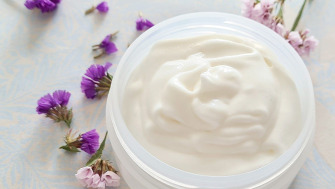
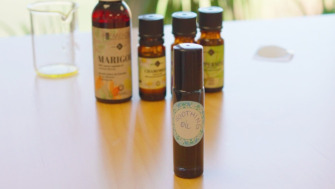
Formula: 58319 Difficulty level: beginner Shelf life: min 6 months pH optimal: - Phase Ingredients Dosage % Total 100 gr A Sweet Almond Oil 68,33 68,33 gr A Meadowfoam oil 30 30 gr A Chamomile...
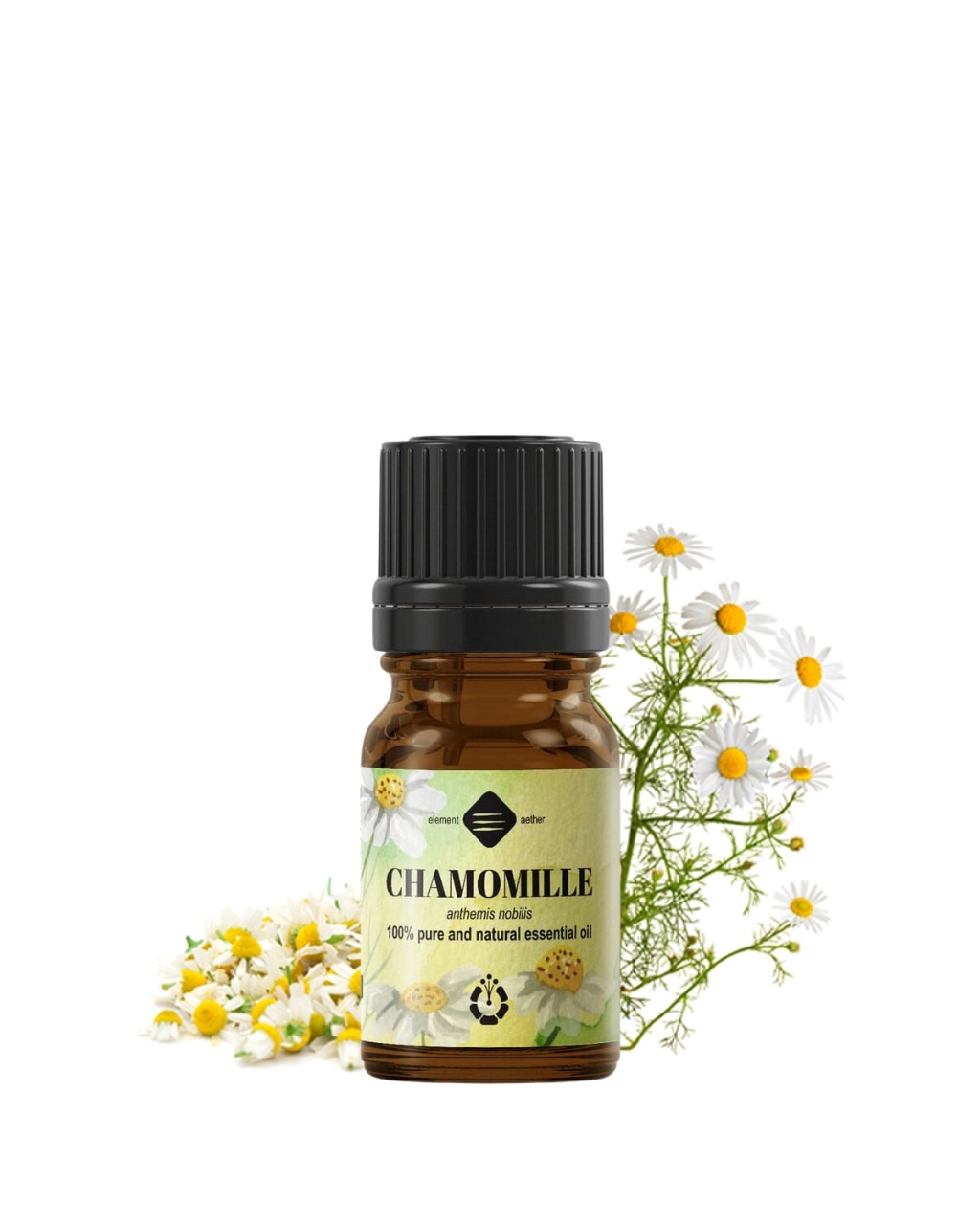
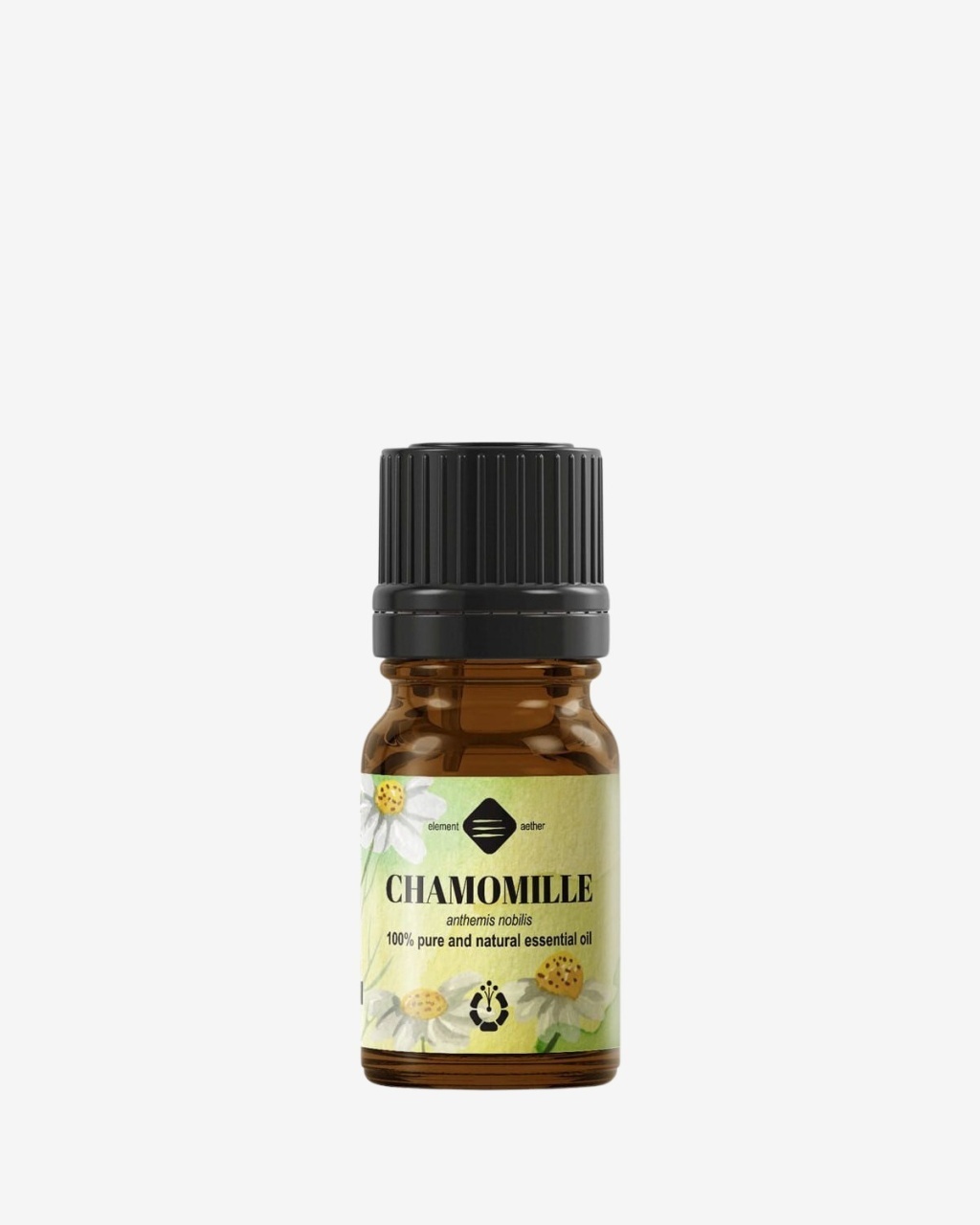
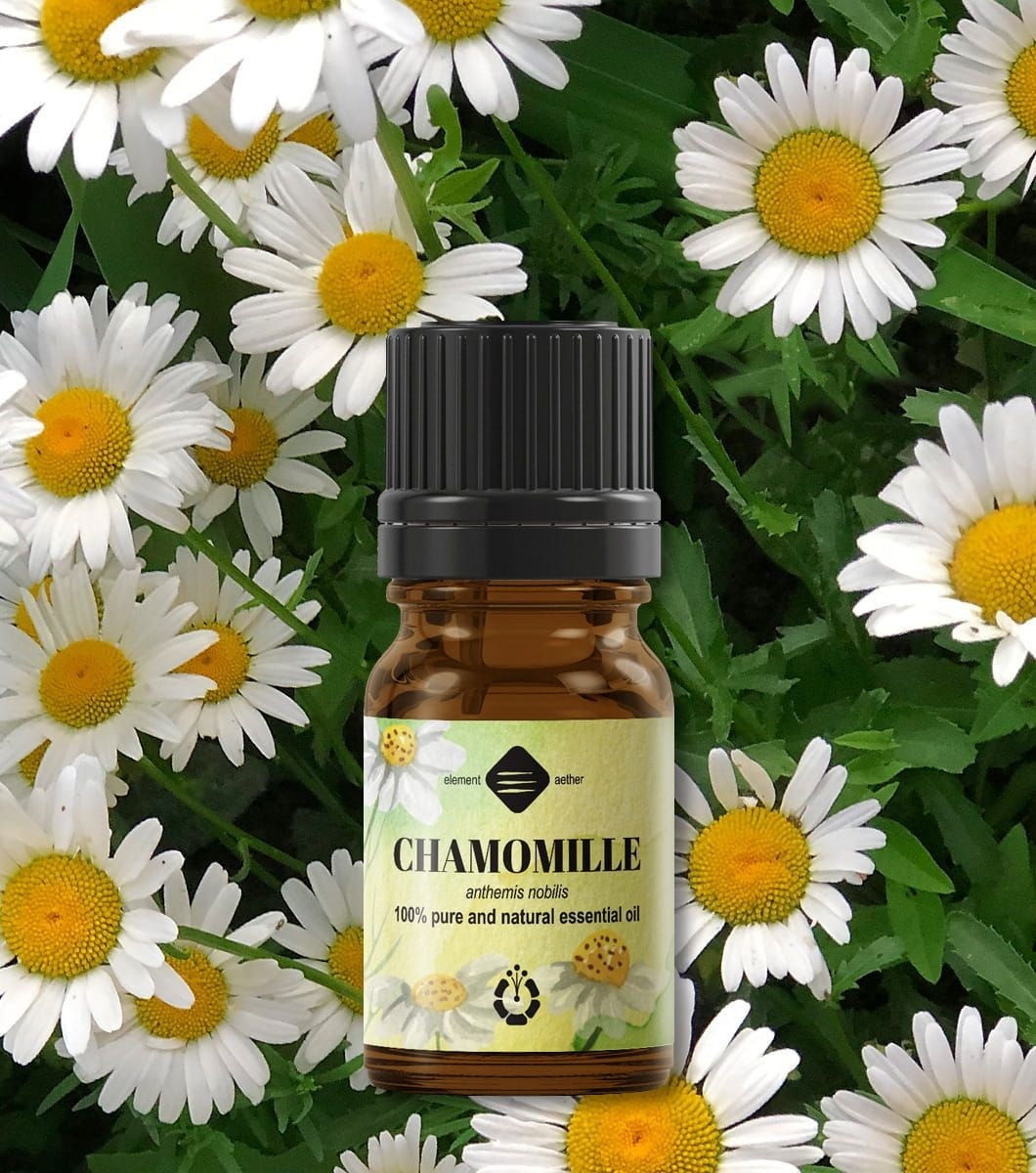
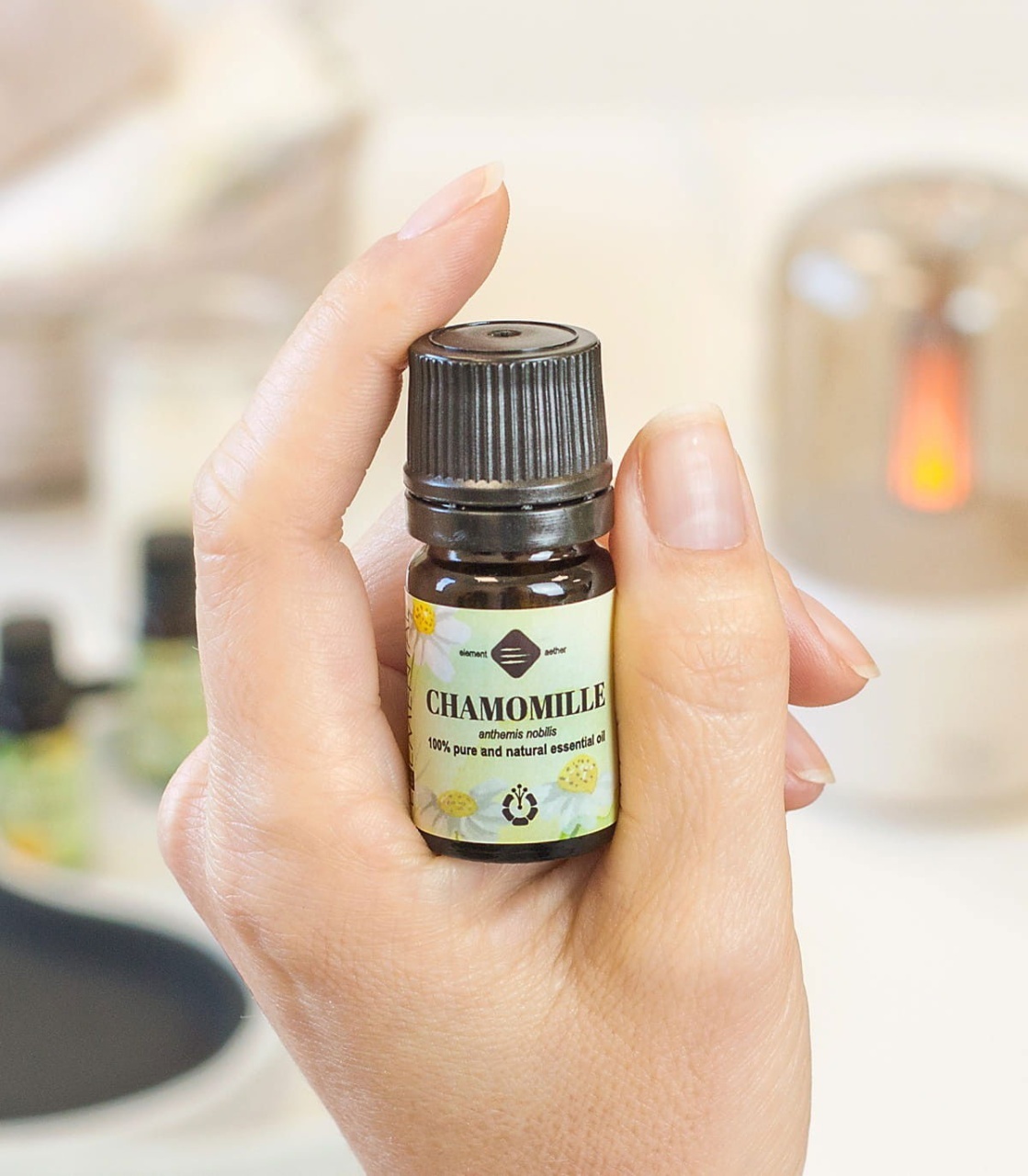
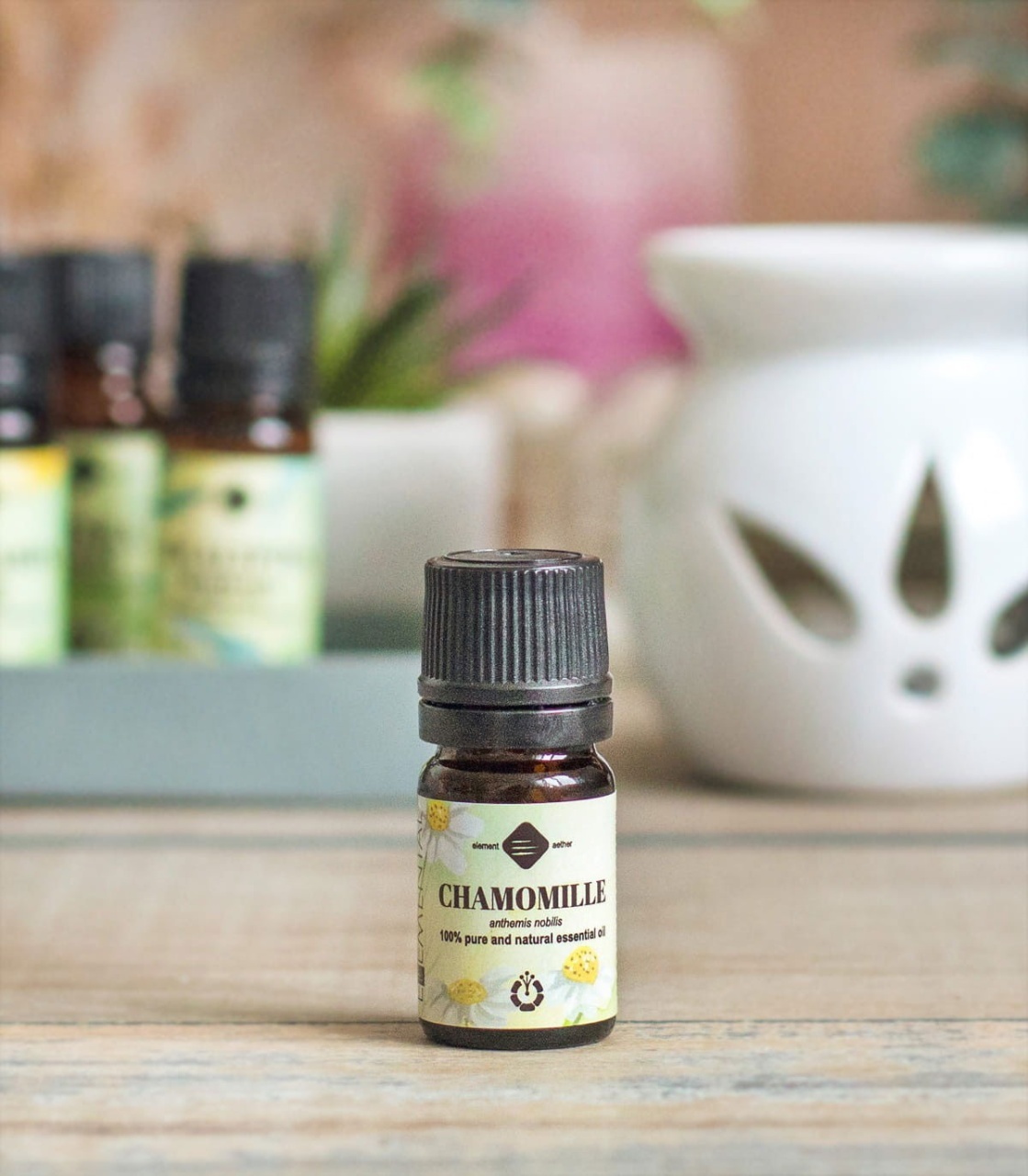
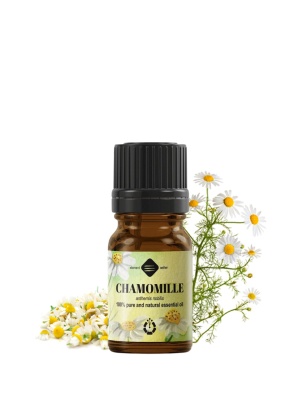
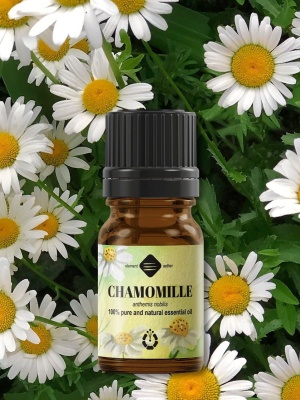
Roman Chamomile (Anthemis nobilis, syn. Chamaemelum nobile) is highly concentrated and at the same time perhaps the synonym of gentleness among essential oils. Its sweetish aroma, subtly reminiscent of fresh hay, does not resemble the chamomile tea we know, it is more complex, greener, and lightly floral, making it highly appreciated in natural perfumery as well.
It is important to know that Roman Chamomile (Anthemis nobilis) is a completely different product from German Chamomile (Matricaria chamomilla) or Blue Tansy (Tanacetum annuum), which are often confused, especially since the latter two are blue due to the azulenes formed during distillation. Roman Chamomile does not contain azulenes and is not blue, it is yellowish to colorless. Its profile is predominantly antispasmodic and calming.
air Olfactory profile: Sweetish, fruity, slightly reminiscent of hay and green apples, with warm floral undertones. Complex and more persistent. A top-to-middle note.
Ingredients: Roman Chamomile Essential Oil (Anthemis Nobilis Flower Oil)
100% pure and natural, botanically and biochemically defined, undenatured, undiluted, unrectified
Obtained by steam distillation from the flowers of Anthemis nobilis
Sensitive, couperose-prone, or reddened skin: Calendula Macerated Oil, Calendula CO2 Extract, Moringa Oil, Organic Camellia Oil, Lavender Floral Water.
Dry, damaged, or eczema-prone skin: Tamanu Oil, Organic Borage Oil, Calendula Macerated Oil, Rosa Mosqueta Oil, Cupuacu Butter.
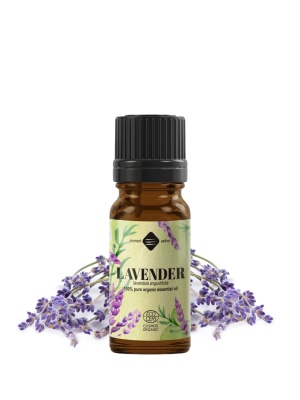
Antispasmodic massage and cramps: Marjoram Essential Oil, Copaiba Essential Oil, Organic Lavender Essential Oil, St. John's Wort Macerated Oil.
Aromatherapy - calm and sleep: Organic Lavender Essential Oil, Organic Petitgrain Essential Oil, Red Mandarin Essential Oil.
Natural perfumery: Geranium Bourbon Essential Oil, Rose Absolute, Neroli Essential Oil, Bergamot Essential Oil.
Roman Chamomile essential oil is used exclusively as an ingredient in cosmetic preparations and aromatherapeutic compositions. Do not apply undiluted to the skin. It is one of the essential oils with the best tolerance profiles. For maximum dosages, consult the IFRA certificate attached to the product.
Q: Why is it not blue, as I expected?
A: The confusion comes from the fact that two other oils, German Chamomile (Matricaria chamomilla) and Blue Tansy (Tanacetum annuum), are intensely blue due to chamazulene formed during the distillation process. Roman Chamomile does not contain chamazulene and does not turn blue. It is yellowish to slightly greenish, with a sweet-fruity aroma that is completely different from the other two. They are not interchangeable, each has its own profile and specific applications.
Q: It smells completely different from chamomile tea, is it the same product?
A: It is the same plant, but completely different processes. Tea results from a water infusion, which extracts water-soluble compounds. The essential oil is obtained by steam distillation and exclusively contains volatile compounds, an entirely different family of molecules. Isobutyl angelate and the other esters found in the oil do not exist in chamomile tea. This is why the aroma is so different: fruitier, more complex, and more persistent.
Product for cosmetic, aromatic, and perfumery use. Do not apply undiluted to the skin.
Store in a dry and cool place, away from direct sunlight. Keep out of reach of children.
For dilutions in accordance with legal regulations, consult the IFRA certificate attached to the product on the website.
Sensitive individuals should perform a tolerance test; perform a skin patch test in the bend of the elbow 24 hours before use. Avoid contact with eyes and sensitive mucous membranes. In case of an accident, rinse abundantly with a vegetable oil.
For use during pregnancy, breastfeeding, in case of chronic diseases, for the elderly, or for young children, the recommendation is to consult a doctor.

Write a valid review and earn loyalty points worth €0.40