Description
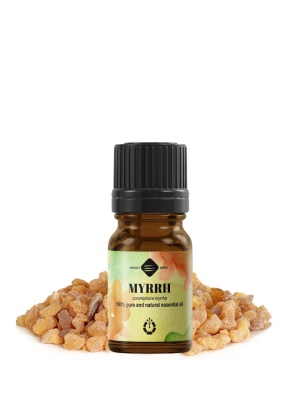
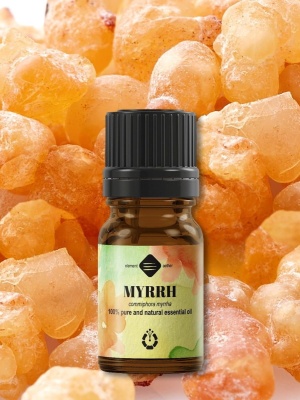
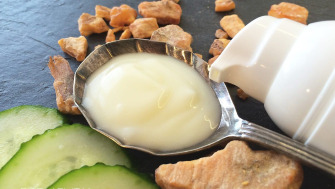
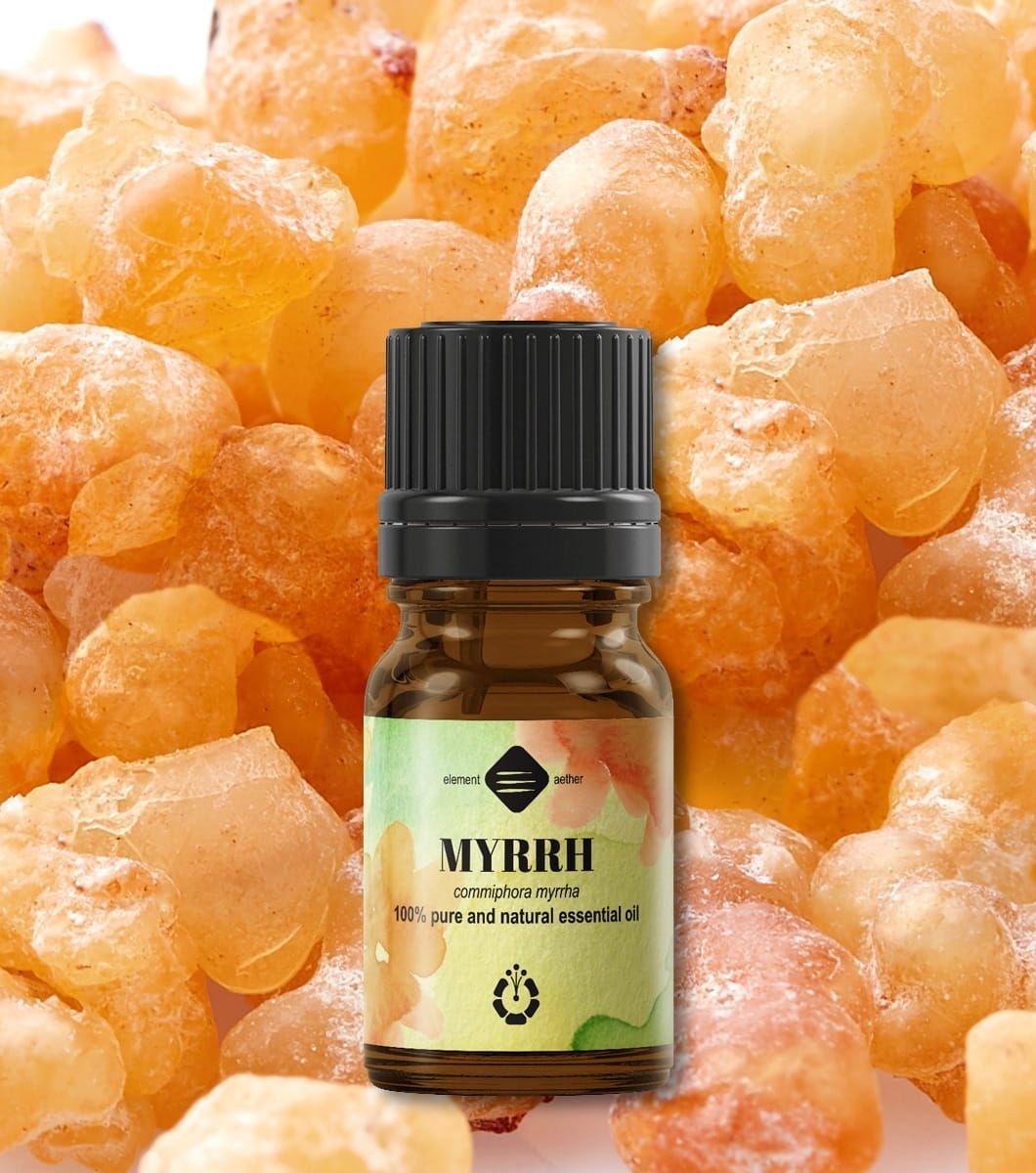
Few cosmetic ingredients carry with them a history as ancient and dense as Myrrh (Commiphora myrrha). Its resin, the tears that the thorny tree sheds when its bark is cut, was a currency of exchange in Antiquity, an ingredient for embalming in the Egypt of the pharaohs, a component of the liturgical holy anointing oil in Christian tradition, and a medicine in Chinese, Ayurvedic, and Unani systems alike. This is not nostalgia, it is a long-standing confirmation of efficacy, which modern chemistry now explains with precision: furanoeudesma-1,3-diene and curzerene, furanoid sesquiterpenes specific to myrrh, are responsible for the anti-inflammatory, analgesic, and regenerating properties that have made myrrh a prized ingredient across all these medical systems.
In contemporary cosmetics, Myrrh occupies a niche that few essential oils cover quite as well: compromised skin. It is not an oil for daily routines, it is a treatment ingredient, designed for deeply cracked skin, slow-healing lesions, wide stretch marks, and severely dry or mature skin with a depleted lipid barrier. Its high viscosity and heavy sesquiterpene molecules make it an ingredient of depth, one that does not evaporate quickly but works slowly and persistently within the cutaneous layers. In perfumery and aromatherapy, it stands as one of the world's great base notes, an unparalleled balsamic fixative with an aroma that transcends eras and cultures.
air Olfactory profile: Warm, balsamic-resinous, earthy, slightly smoky, and medicinal, with undertones of dried mushrooms and weather-beaten wood. An aroma that settles and grounds, the exact opposite of citrus volatility. Exceptionally persistent in any composition it enters.
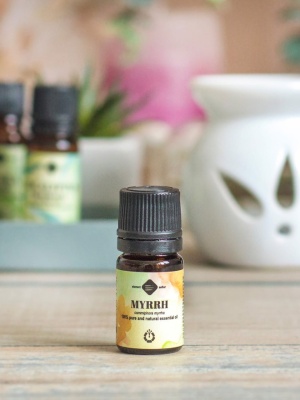
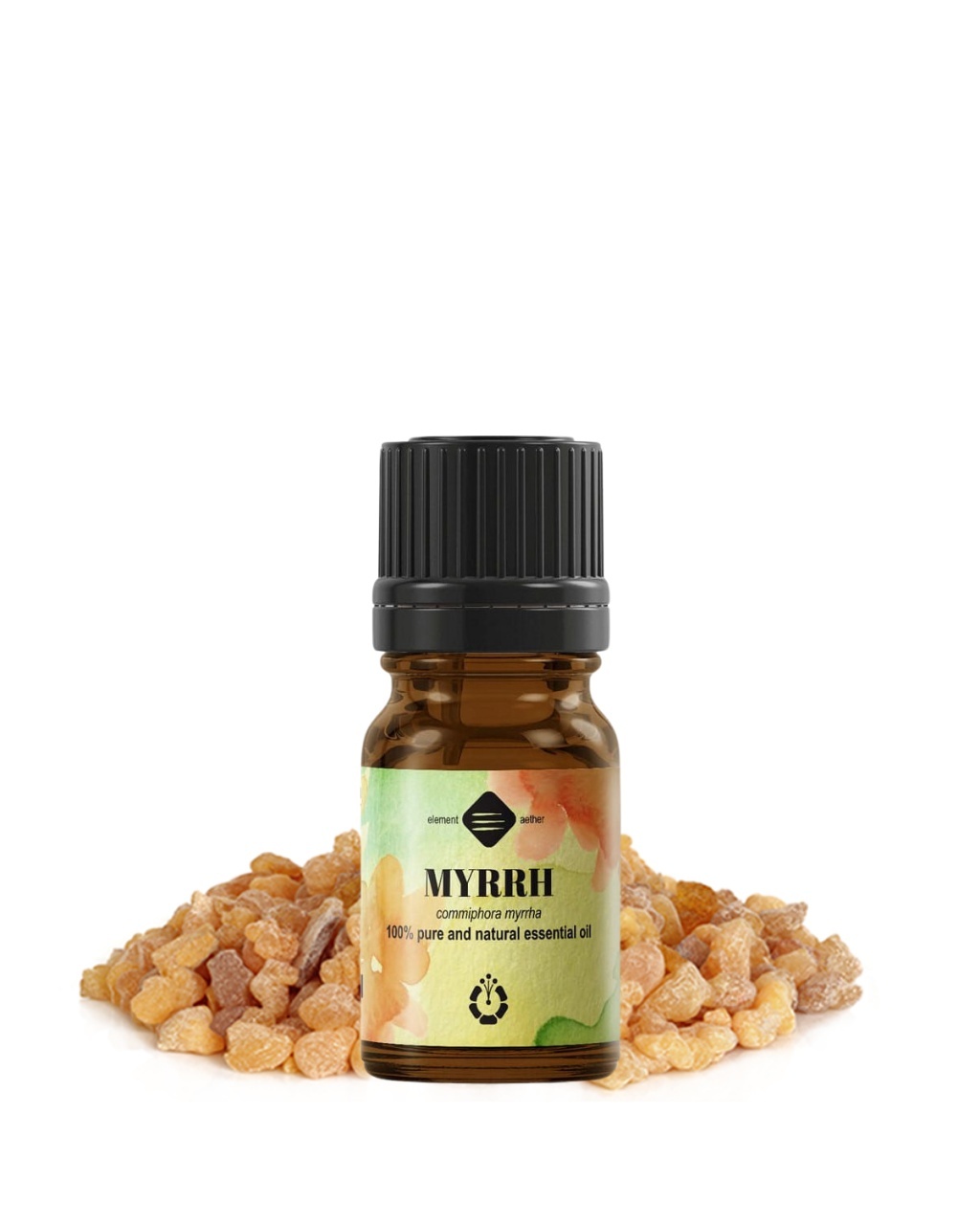
Ingredients: Myrrh Essential Oil (Commiphora Myrrha Oil)
100% pure and natural, obtained by steam distillation from the resin of the Commiphora myrrha tree
Quality verified by GC-MS analysis.
encrypted_add_circle Cosmetic Properties and Benefits
- Cicatrizant and tissue regenerator: Stimulates cellular proliferation and the formation of new tissue, accelerating the closing of skin lesions, cracks, stretch marks, and superficial scars. It serves as an ingredient for treatment rather than prevention.
- Deep anti-inflammatory: Furanoeudesmadiene inhibits the COX-2 and 5-LOX enzymes involved in the inflammatory cascade, delivering a persistent effect due to its large molecules, which remain in the skin longer compared to more volatile compounds.
- Astringent and toning: Restores firmness and tone to sagging skin, dilated pores, or diminished elasticity, highly useful in formulas for mature skin, typically applied in the evening.
- Antiseptic and antifungal: Commiphoric acids and sesquiterpenes contribute to microbiological control on the skin's surface, making it a valuable ingredient in formulas for minor wounds, severely cracked skin exposed to external factors, or the hygiene of difficult areas.
- Emollient and lipid barrier restorer: Its natural viscosity and composition of resins and esters make it both an occlusive and an emollient ingredient, sealing in moisture for severely dry skin and restoring its hydrolipid film.
- Oral hygiene: Its antiseptic and anti-inflammatory properties recommend it for natural toothpastes, mouthwashes, and preparations designed to soothe irritated or inflamed gums.
air_freshener Aromatherapeutic Properties
- Grounding and introspective: In aromatherapy, Myrrh is the oil of profound transformations, associated with grief, difficult transition periods, and the need to reconnect with oneself. It creates an olfactory space of authentic reflection, more sober and dense than Frankincense.
- Nervous system soother: Recent research suggests that the sesquiterpenes in myrrh modulate GABA-A receptors, providing an anxiolytic effect, a biochemical basis for its millennial use in rituals of peace and inner balance.
- Meditation and sacredness: Associated with Frankincense in nearly all spiritual traditions worldwide, Myrrh is the note of fullness and sacrifice, the perfect complement to the brightness and elevation brought by Boswellia. Diffused together, they create an ambiance of rare depth.
- Convalescence support: Toning without being overly stimulating, Myrrh supports a slow return to vitality from states of prolonged exhaustion or recovery after illness.
hub Recommended Synergies
- Anti-aging night serum: A few drops of Myrrh and a few of Frankincense, diluted in a blend of Organic Pomegranate Seed Oil (Omega-5, anti-photoaging) and Organic Evening Primrose Oil (GLA, deep regeneration), a composition featuring the most active vegetable and essential oils for mature skin.
- Cicatrizant treatment for stretch marks and scars: Myrrh paired with Neroli Essential Oil, diluted in Centella Asiatica Oil, an association with a solid tradition in regenerating connective tissue and improving skin elasticity.
- Restorative balm for severely cracked skin: A few drops of Myrrh and a few of Lavender, incorporated into Kokum Butter with a touch of Organic Sea Buckthorn Oil, perfect for cracked heels, dry elbows, or hand skin exposed to the cold. Kokum butter forms a non-greasy protective film, while Sea Buckthorn adds regenerating carotenoids.
- Meditation and deep balance (diffuser): Myrrh with Frankincense Essential Oil and Sandalwood Essential Oil, the classic sacred trio of oriental perfumery, providing a grounding and calming effect that few combinations can match.
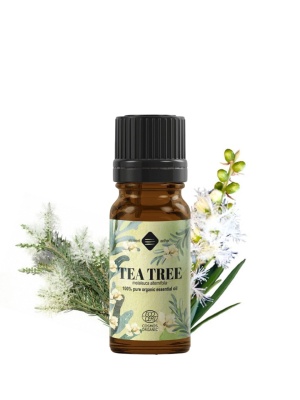
- Natural oral hygiene: One drop of Myrrh in Coconut Oil for oil pulling, or a few drops in a DIY toothpaste base alongside Organic Tea Tree Essential Oil and natural menthol, acting as an antiseptic, gingival anti-inflammatory, and natural deodorizer.
Practical Applications and DIY Recipes
Myrrh essential oil is used exclusively as an ingredient in cosmetic preparations, aromatherapeutic compositions, or natural perfumes. Do not apply undiluted to the skin. Attention: absolutely contraindicated during pregnancy due to its documented uterotonic effect. For correct dosages, consult the IFRA certificate attached to the product on the website.
face Face Care
- Night serum for mature skin: A few drops of Myrrh and a few of Frankincense, diluted in a blend of Organic Pomegranate Seed Oil and Organic Evening Primrose Oil. Apply 3-4 drops onto the face and neck using slow, upward movements, a dense, active, and deeply regenerating nocturnal treatment with no additives or fillers.
- Eye contour serum: A few drops of Myrrh in Macadamia Oil with a touch of Organic Sea Buckthorn Oil. Apply gently to the eye contour area in the evening.
- Anti-aging, regenerating mask: A few drops of Myrrh mixed with a tablespoon of White Clay, enough Rose Floral Water, and a few drops of Organic Pomegranate Seed Oil. Leave on for 10–12 minutes, then rinse with warm water, a dense, comforting mask for mature or dry skin.
digital_wellbeing Body Care
- Restorative balm for cracked skin: Melt Kokum Butter with a little Cocoa Butter, then add a few drops of Myrrh, a few of Lavender, and 1-2 drops of Organic Sea Buckthorn Oil. Pour into a small container and allow to solidify. Apply in the evening to heels, elbows, or hands. Kokum seals without a greasy feel, while Sea Buckthorn adds healing carotenoids.
- Body oil for stretch marks: A few drops of Myrrh and a few of Neroli, diluted in Centella Asiatica Oil topped up with Organic Evening Primrose Oil. Massage circularly onto targeted areas morning or evening consistently for several weeks, results require patience.
- Nutritive lip balm: A few drops of Myrrh in a base of Shea Butter and beeswax, a lip balm with a cicatrizant and emollient effect, highly useful in winter on chapped, painful lips.
home_and_garden Household Use & Oral Hygiene
- Oil pulling with Myrrh: One drop of Myrrh in a tablespoon of Coconut Oil, swish in the mouth for 5–10 minutes in the morning on an empty stomach before brushing. Its antiseptic and anti-inflammatory properties soothe the gums, combat bacteria, and leave a sensation of deep cleanliness.
- DIY toothpaste: A few drops of Myrrh and a few of Organic Tea Tree in a base of baking soda and Coconut Oil, a mineralizing, antiseptic, and deodorizing formula.
- Sacred room spray: A few drops of Myrrh and a few of Frankincense dissolved in Cosmetic Alcohol and topped with distilled water. Spray discreetly in your space before meditation, yoga, or evening rituals, offering a much more subtle effect than a diffuser and a more persistent aroma.
fragrance DIY Perfumery
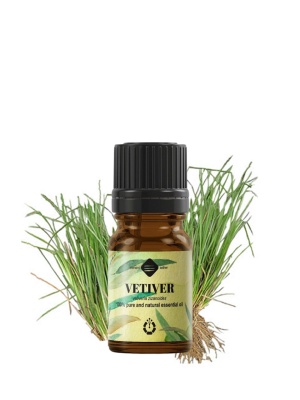
- Base note and balsamic fixative: Myrrh is one of the most valuable natural fixatives in perfumery, its large sesquiterpene molecules retain and extend more volatile notes while adding balsamic depth and density. It integrates masterfully into oriental accords with Frankincense, Sandalwood, and Vetiver, as well as into florals with Organic Ylang-Ylang or Geranium Bourbon.
- Solid oriental perfume: Myrrh (base), Frankincense (base-heart), Geranium Bourbon (heart), and Bergamot (top), diluted and fixed in Kokum Butter or soy wax, an intense, unisex solid perfume with the character of a luxury oriental incense.
Questions and Answers (FAQ)
Q: What is the difference between Myrrh and Frankincense, are they interchangeable?
A: No, they are complementary, not interchangeable. Frankincense is brighter, more citrus-resinous, with an aromatherapeutic effect centered on clarity and elevation. Myrrh is earthier, denser, and more focused on tissue healing and emotional grounding. On a cosmetic level, Frankincense excels in anti-aging and mild cell regeneration; Myrrh goes deeper, targeting cracked skin, lesions, cicatrization, and the restoration of the lipid barrier. Diffused together, they complete each other harmoniously. In perfumery, Myrrh fixes, while Frankincense illuminates.
Q: Why is Myrrh contraindicated during pregnancy?
A: Myrrh contains compounds with documented uterotonic properties, meaning it stimulates uterine contractions and can promote premature menstrual flow (an emmenagogue effect). These properties, while valued in traditional medicine for regulating the menstrual cycle, become a real risk during pregnancy, particularly in the first trimester. The contraindication is absolute and applies to both topical application and regular diffusion in enclosed spaces.
Q: Why is Myrrh essential oil more viscous than other essential oils?
A: Myrrh is distilled from the resin of the tree, not from leaves, flowers, or wood. Resins contain sesquiterpene molecules and gums with a higher molecular weight than the compounds found in other essential oils, which explains its high viscosity, sometimes approaching a semi-liquid consistency at cooler temperatures. This property does not affect its quality or biological activity; on the contrary, these large molecules remain on the skin longer, contributing to the ingredient's persistent effect.
Technical Data, Warnings
Botanical name: Commiphora myrrha (Nees) Engl.
INCI: Commiphora Myrrha Oil
Botanical family: Burseraceae
Obtaining method: steam distillation from the resin of the tree
100% pure and natural, undiluted, authenticity verified by GC-MS.
Product for cosmetic, aromatic, and perfumery use. Do not apply undiluted to the skin.
Store in a dry and cool place, away from direct sunlight. Keep out of reach of children.
For dilutions in accordance with legal regulations, consult the IFRA certificate attached to the product on the website.
Contraindicated during pregnancy, documented uterotonic effect. Sensitive individuals should perform a tolerance test; perform a skin patch test in the bend of the elbow 24 hours before use. Avoid contact with eyes and sensitive mucous membranes. In case of an accident, rinse abundantly with a vegetable oil.
For use during breastfeeding, in case of chronic diseases, for the elderly, or for young children, the recommendation is to consult a doctor.
Bibliography and Sources
The properties and safety profile of Myrrh essential oil are documented in reference works, phytochemical studies, and modern clinical research:
- Tisserand, R., & Young, R. - Essential Oil Safety: A Guide for Health Care Professionals (2nd Edition) - safety profile, contraindications in pregnancy, and usage limits for Commiphora myrrha.
- Franchomme, P., & Pénoël, D. - L'Aromathérapie Exactement - classification of furan sesquiterpenes and clinical applications of myrrh in medical aromatherapy.
- Nomicos, G. N. - “Myrrh: Medical Marvel or Myth of the Magi?” (The Holistic Nurse Practitioner, 2007) - synthesis of documented antimicrobial, anti-inflammatory, and cicatrizant properties of myrrh.
- Dolara, P. et al. - “Analgesic effects of myrrh” (Nature, 1996) - reference study identifying the mechanism of action of furanoeudesmadiene and curzerene on opioid receptors.
- Bauer, K. et al. - “Cycloeudesmane sesquiterpenoids and anti-inflammatory activity from Commiphora myrrha” (PMC, 2024) - recent research regarding sesquiterpene diversity and in vitro anti-inflammatory activity.