



Description
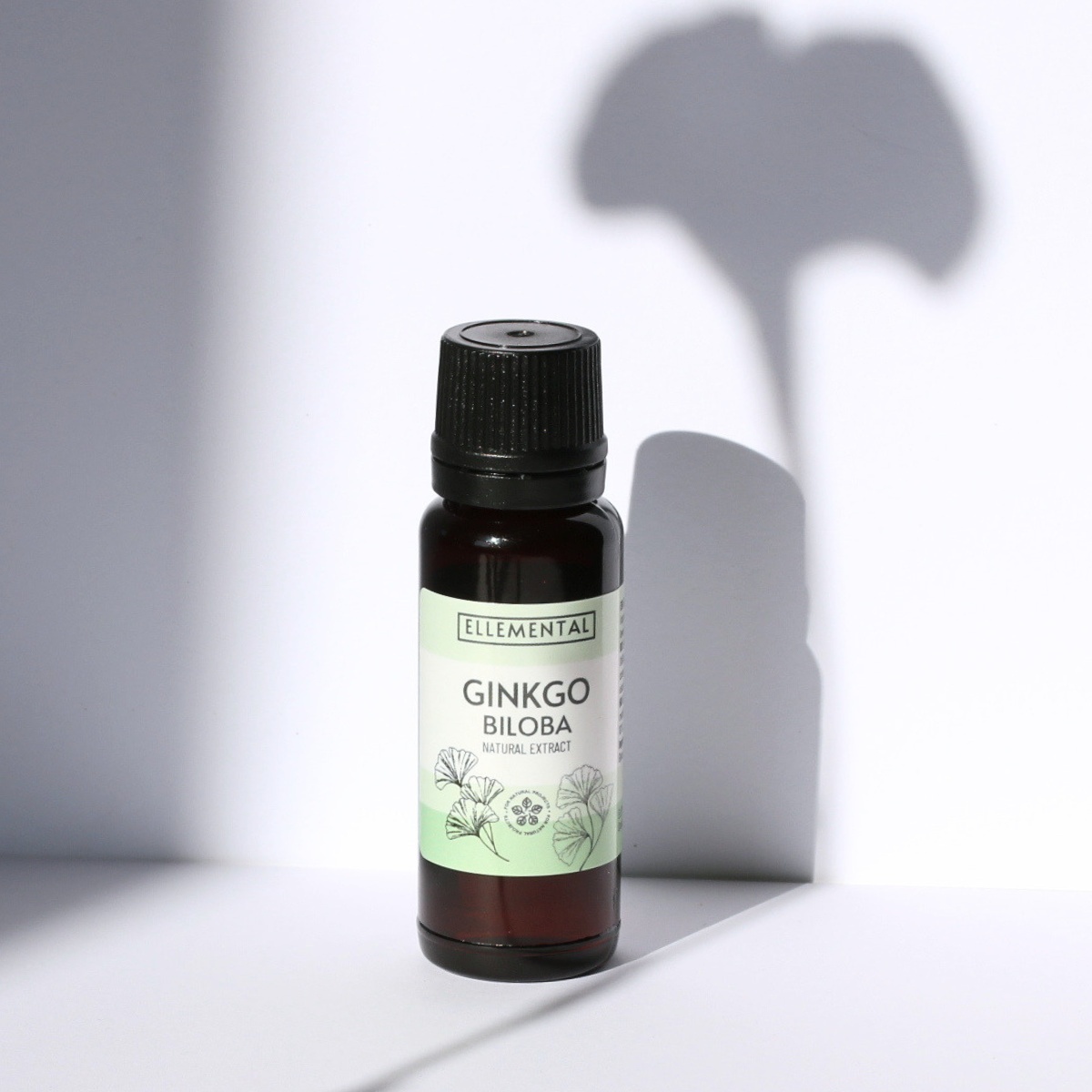
Ginkgo Biloba Extract – Antioxidant Shield and Skin Revitalization
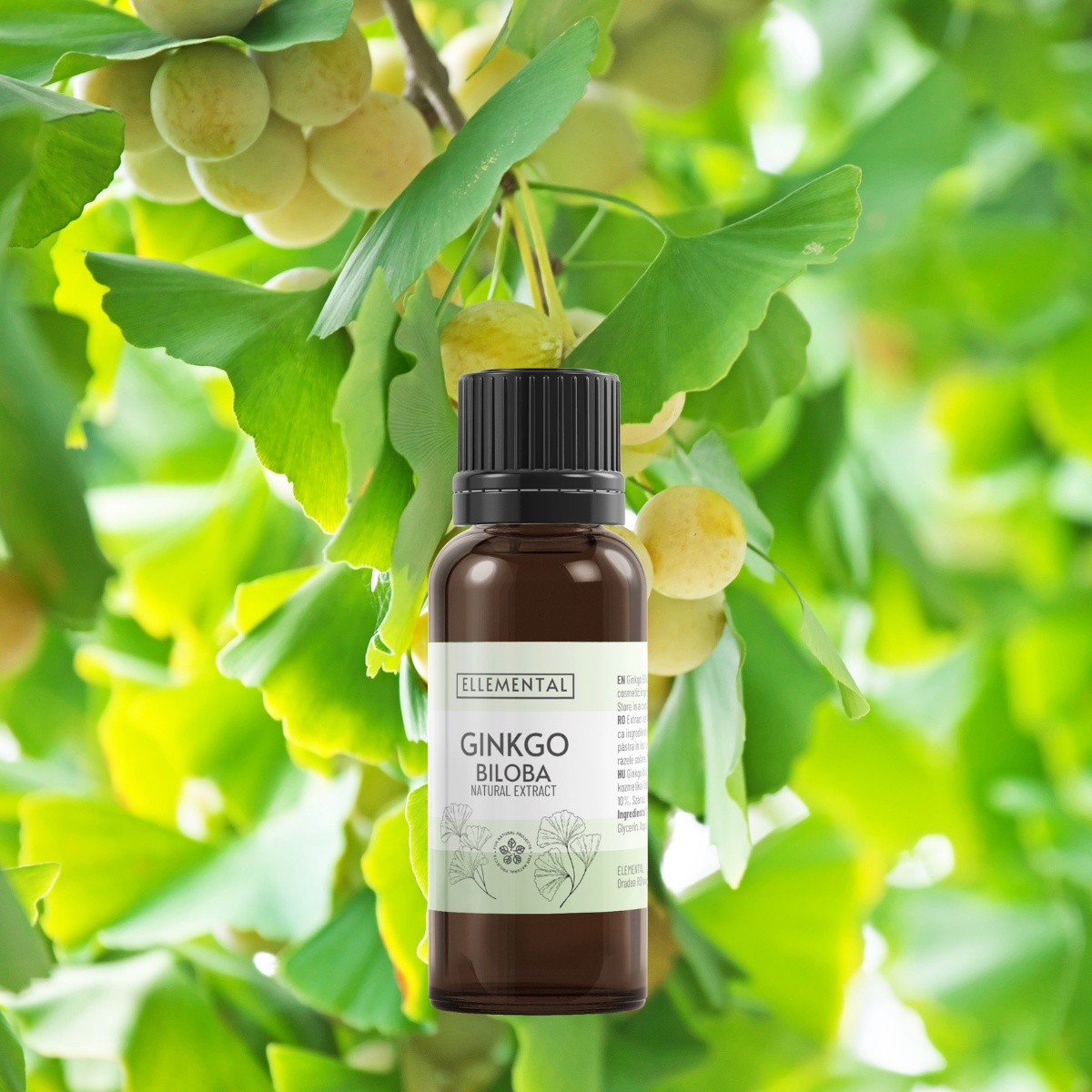
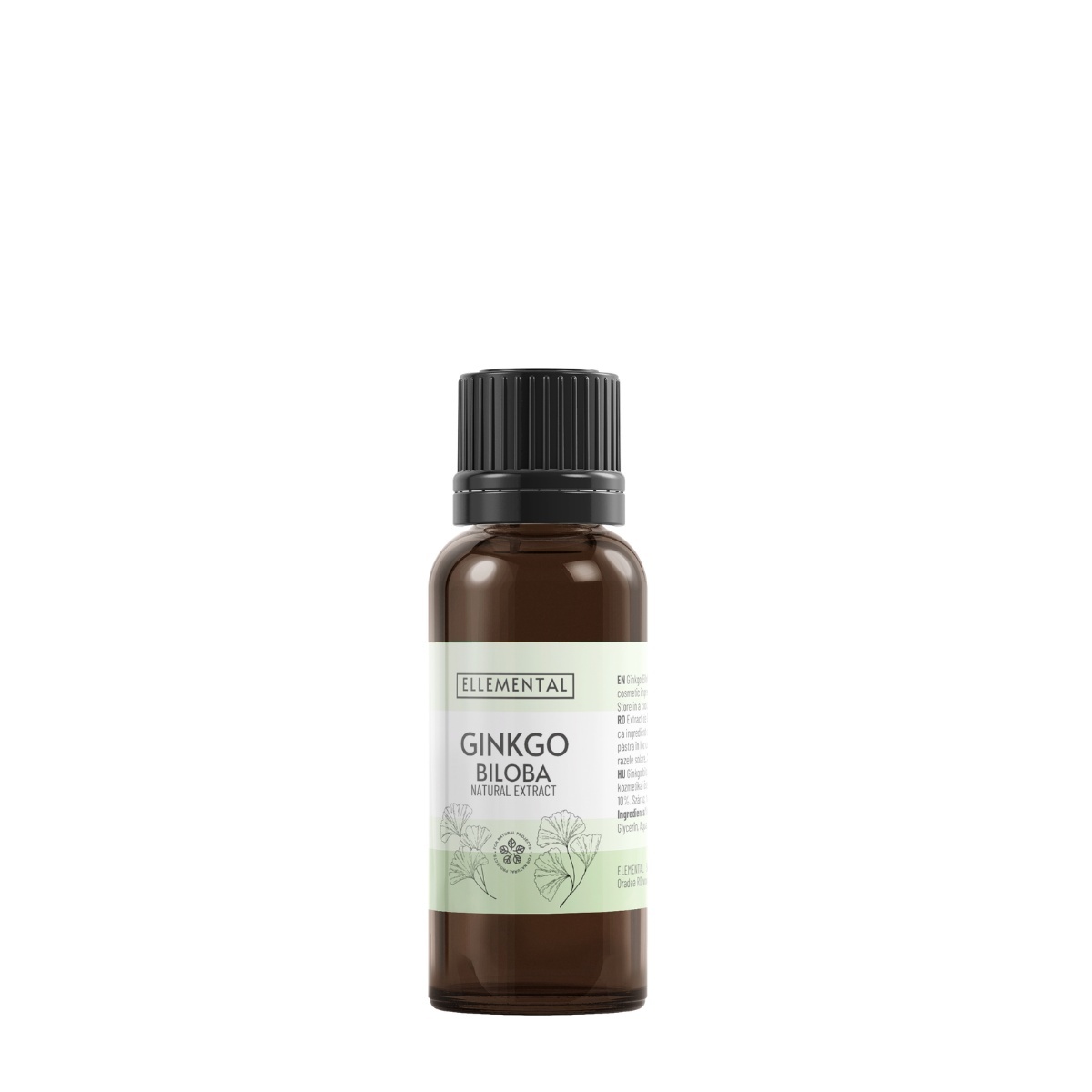
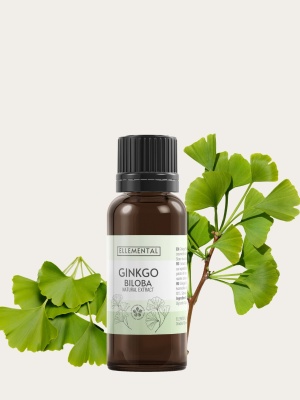
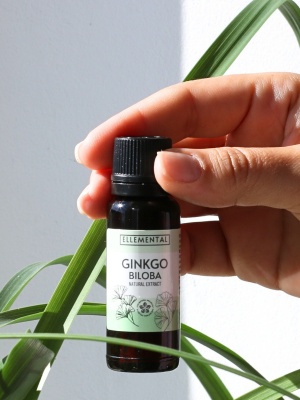
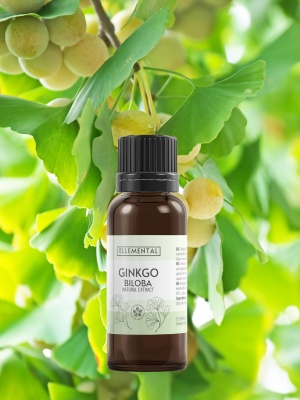
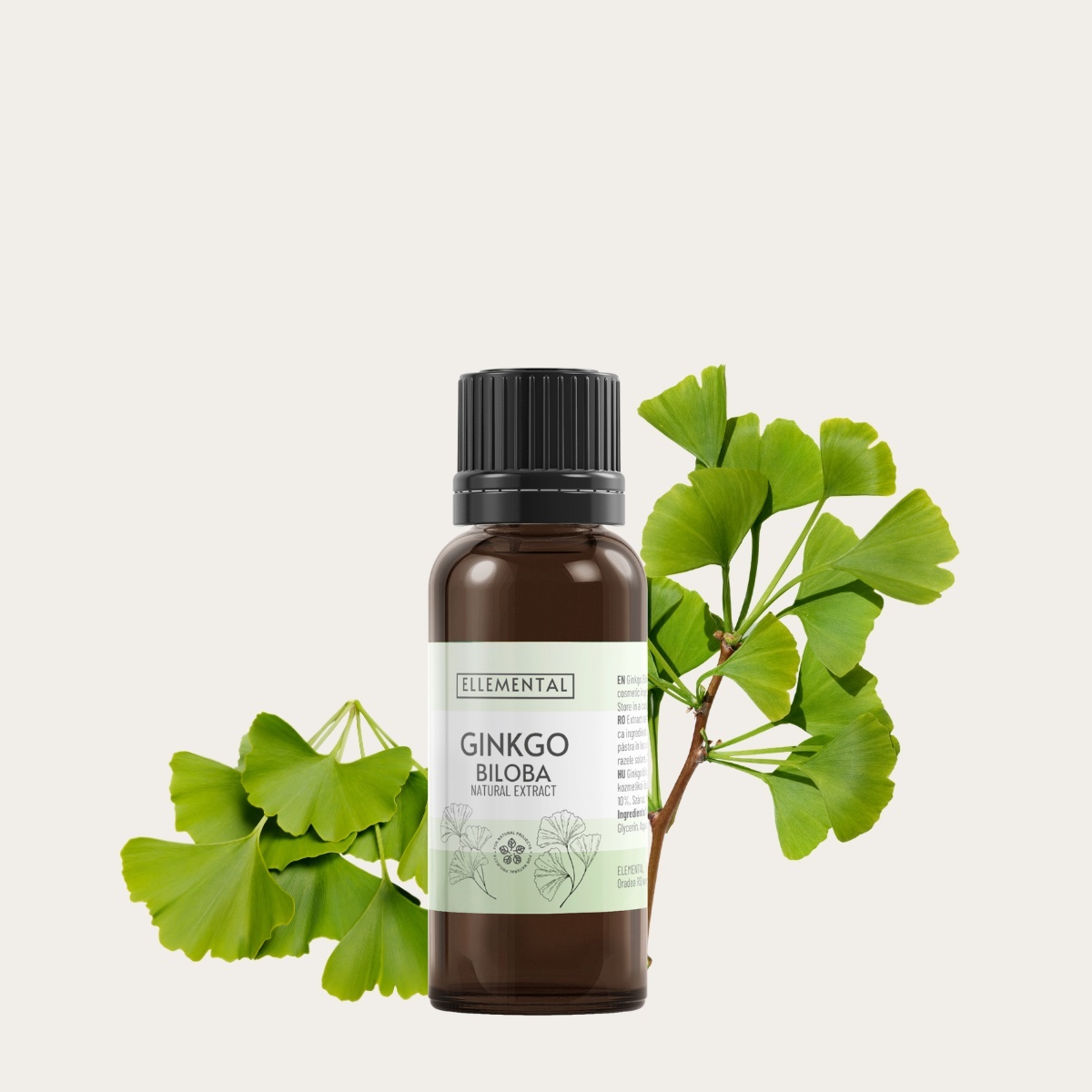
Ginkgo Biloba Extract is an exceptional botanical ingredient obtained by macerating the leaves of the Ginkgo biloba tree in a vegetable glycerin base. Known as a "living fossil" due to its millennia-old resilience, Ginkgo Biloba is a prized plant in regenerative cosmetics. This natural extract is rich in flavonoids and terpenoids, providing the skin with superior antioxidant protection against oxidative stress and environmental factors. It is the ideal choice for revitalizing tired skin, evening out skin tone, and supporting the epidermis’s natural vitality.
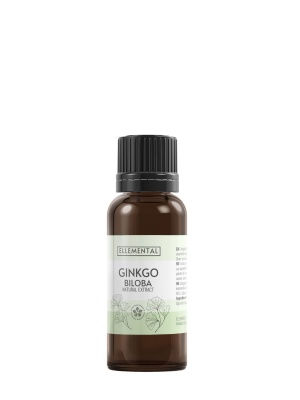
Ingredients (INCI): Glycerin, Aqua, Ginkgo Biloba Leaf Extract.
Characteristics
- Method of production: Glycerin extract made from selected Ginkgo Biloba leaves.
- Quality: Natural cosmetic product, free of preservatives, alcohol, or fragrance.
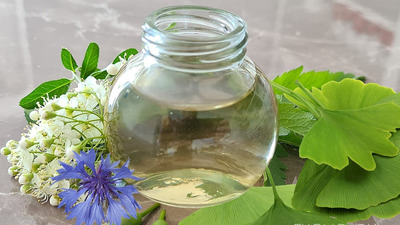
- Appearance: Brown liquid with a faint characteristic odor.
- Solubility: Completely water-soluble.
- Recommended dosage: 1% - 10%.
Botanical Profile and Composition
The cosmetic value of Ginkgo Biloba extract stems from the unique complex of phytochemicals found in its fan-shaped leaves:
- Flavonoids (Quercetin, Kaempferol): Powerful antioxidants that help neutralize free radicals and protect cellular structures.
- Terpenoids (Ginkgolides and Bilobalides): Compounds specific to this plant, known for their role in conditioning the skin and revitalizing tissues.
- Organic acids: Help maintain a balanced pH and promote a radiant complexion.
- Polyphenols: Help protect the skin against signs of premature aging caused by pollution.
Key Properties
- Antioxidant and Protective: Combats the harmful effects of free radicals, helping to prevent collagen degradation.
- Revitalizing and Toning: Improves the appearance of dull, tired, or stressed skin, restoring its natural radiance.
- Soothing: Helps reduce discomfort and the appearance of redness in sensitive skin.
- Skin Conditioning: Thanks to its glycerin base, the extract helps keep the skin soft and hydrated.
Applications
- Anti-aging creams and serums for mature or wrinkled skin.
- Products designed for "urban protection" and anti-pollution.
- Lotions and gels to revitalize tired or devitalized skin.
- Eye contour care products.
- Shampoos and hair lotions for sensitive scalps or lackluster hair.
Formulation Guide
- Procedure: Add to the aqueous phase or the final phase of the formulation.
- Temperature: Addition is recommended at temperatures below 40°C; however, depending on the formulation, it can withstand brief heating.
- pH range: Compatible with a pH between 4.0 and 7.5.
- Technical advice: Take into account the high glycerin content of this extract.
Frequently Asked Questions (FAQ)
Is Ginkgo Biloba good for dark circles?
Thanks to its revitalizing properties and antioxidant content, this extract is often used in eye creams to give the eye area a fresher, more radiant appearance.
Why isn’t this extract certified organic?
The absence of organic certification does not imply inferior quality, but rather indicates that the raw material comes from wild-growing plants or crops that have not undergone the formal organic certification process, although it retains all the plant’s valuable active properties.
Safety, Storage
Profile: Cosmetic product for external use.
Precautions: Keep out of reach of children. Do not ingest. Follow the recommended dosage.
Storage: Store in the original container, tightly closed, in a cool place away from direct light.
Scientific Reference Literature
- Chuarienthong, P., et al. (2010). Clinical efficacy of anti-wrinkle cosmetic containing Ginkgo biloba leaf extract. Journal of Cosmetic Science.
- Al-Adhroey, A. H., et al. (2021). Ginkgo biloba: A comprehensive review of its phytochemical constituents and skin health benefits. Phytotherapy Research.
- Mohanta, T. K., et al. (2020). Ginkgo biloba L.: A living fossil with potential cosmeceutical applications. Industrial Crops and Products.
- Zhu, N., et al. (2023). Antioxidant and anti-inflammatory activities of Ginkgo biloba flavonoids in skin cell protection. International Journal of Molecular Sciences.
- Chen, J., et al. (2022). Protective effects of Ginkgo biloba extract against UV-induced oxidative stress in human skin fibroblasts. Journal of Photochemistry and Photobiology.
You'll like these too
Details
Blog
-
Formula: 32015 Difficulty level: beginner Shelf life: min 3 months pH optimal: 5.0-5.5 Phase Ingredients Dosage % Total 100 gr A Cornflower water 50 50 gr A Pure/distilled water 38,2 38,2 gr A Ginkgo...
-
Formula: 20423 Difficulty level: medium Shelf life: min 2 months pH optimal: 4.2 - 4.5 Phase Ingredients Dosage % Total 50 gr A Cornflower Water 73,9 37 gr A Allantoin 0,3 0,15 gr A Ginkgo biloba...
-
Formula: 41217 Difficulty level: beginner Shelf life: min 3 months pH optimal: 5,0-5,5 Phase Ingredients Dosage % Total 100 gr A pure / distilled water 50 50 gr A chamomile water 30 30 gr A ginkgo...
-
Formula: 73124 Difficulty level: advanced Shelf life: min 3 months pH optimal: 5.5-6.0 Phase Ingredients Dosage % Total 200 gr A Pure / distilled water 63,4 126,8 gr A Glycerin 3 6 gr A Xanthan gum...
-
Potassium Sorbate (Potassium Sorbate) Potassium Sorbate is a cosmetic preservative primarily valued for its antifungal activity, helping inhibit the growth of yeasts and molds and thereby supporting...
-
Ginkgo Biloba Leaf Extract (Ginkgo Leaf Extract) Ginkgo Biloba Leaf Extract is a botanical extract derived from the leaves of Ginkgo biloba, valued in cosmetic formulations for its...
-
Citric Acid (Citric Acid) Citric Acid is an alpha-hydroxy acid (AHA) and multifunctional cosmetic ingredient primarily used as a pH adjuster and buffering agent to keep formulas within an optimal,...
Reviews
Write a valid review and earn loyalty points worth €0.40