Description
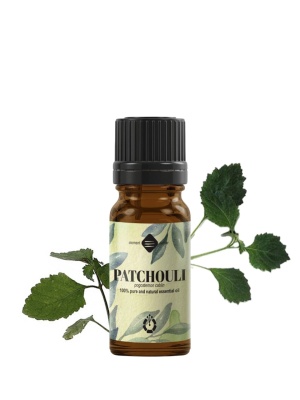
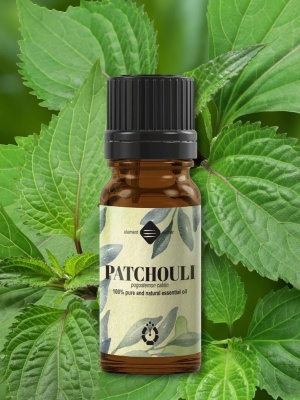
Patchouli (Pogostemon cablin) is either adored or rejected with the same intensity, but it is rarely ignored. Its earthy, dense, and persistent aroma carries the burden of a cultural cliché (the 1960s hippie generation) that overshadowed its reputation in cosmetics and perfumery for decades. The reality is that Patchouli is quietly present in some of the world's most exquisite perfumes, precisely because it is an exceptional natural fixative that anchors, extends, and deepens any composition it enters. Fine perfumery has known this for a long time; natural cosmetics are now rediscovering it.
What makes Patchouli truly singular among essential oils is its dual production peculiarity: the leaves are first fermented in the shade before distillation, a process that breaks down cell walls and releases aromatic compounds that would otherwise be inaccessible, and, uniquely, the resulting oil improves with age, like a fine wine. Freshly distilled, Patchouli can seem sharp and camphorous; matured for a few years, it becomes rounder, velvetier, with nuances of dark chocolate, dried fruits, and damp earth after rain. The main active compound, patchoulol, is responsible both for this olfactory depth and for its venous and lymphatic decongestant properties, concrete cosmetic applications, not just aroma.
air Olfactory profile: Intensely earthy, woody-musky, with warm oriental notes, a slightly spicy character, and a sweet-smoky undertone. Exceptionally persistent: a few drops can dominate a blend for hours. It improves with age: freshly distilled oil is sharper; matured oil becomes velvety and complex.
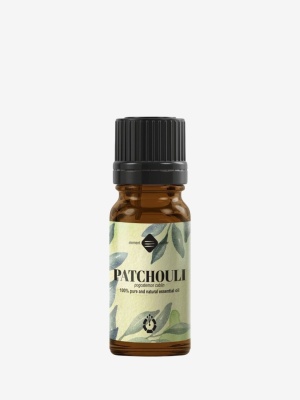
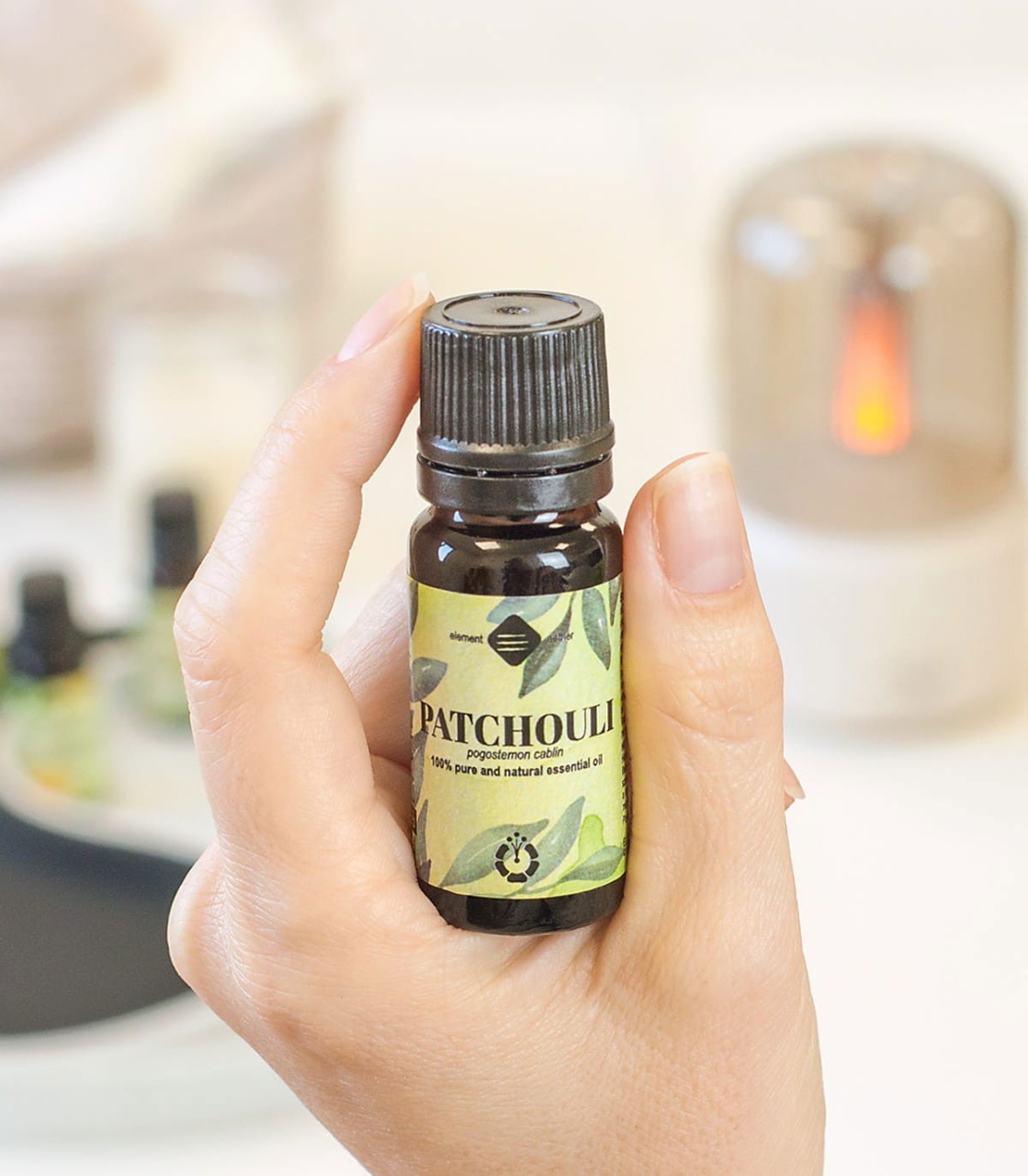
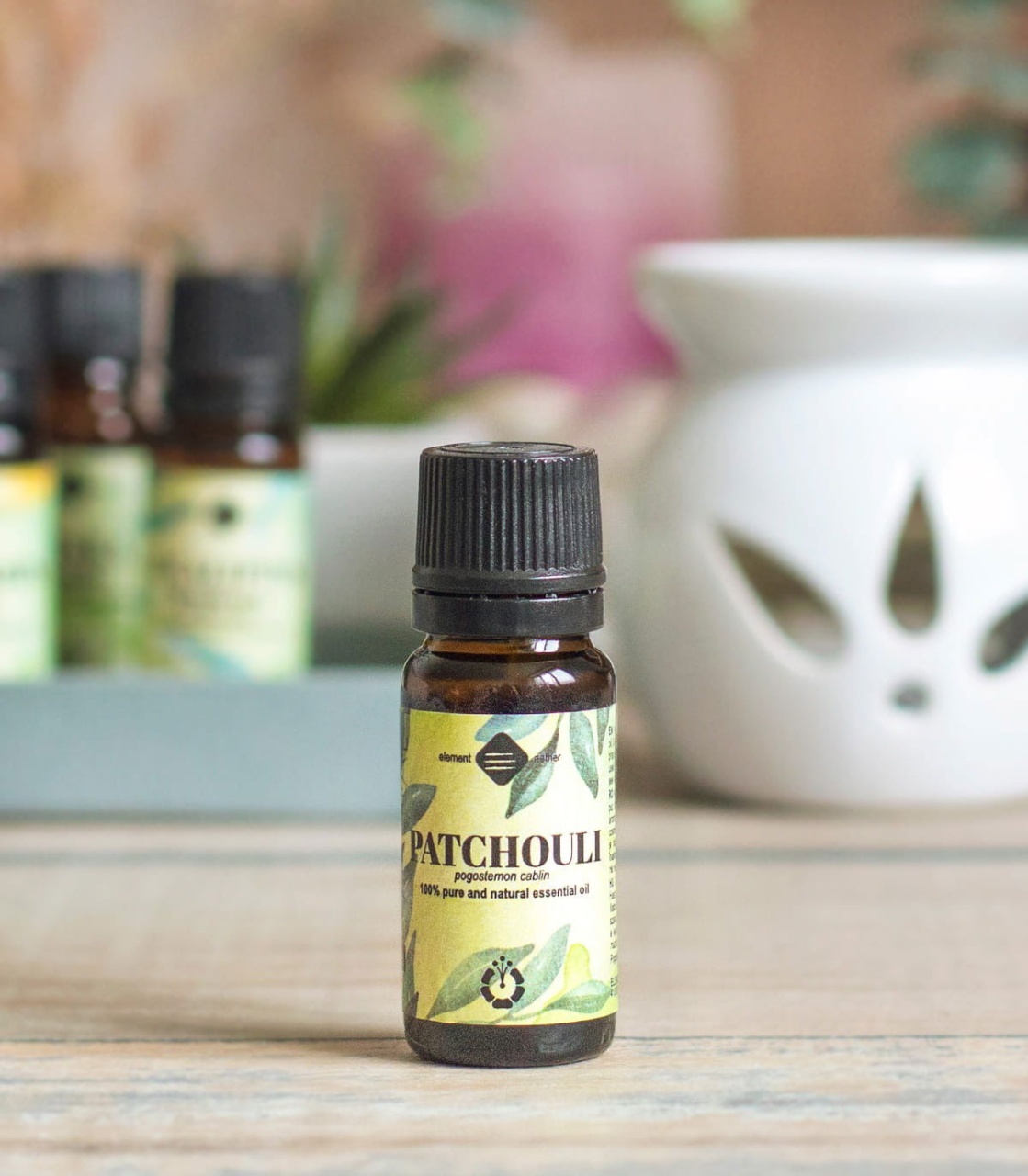
Ingredients: Patchouli Essential Oil (Pogostemon Cablin Leaf Oil)
100% pure and natural, botanically and biochemically defined, undiluted, unrectified
Obtained by steam distillation from the leaves of Pogostemon cablin.
encrypted_add_circle Cosmetic Properties and Benefits
- Venous and lymphatic decongestant: Patchoulol tones vascular walls and stimulates peripheral circulation, a key property in formulas for varicose veins, water retention, and cellulite. It is one of the few essential oils with a documented venotonic action.
- Cicatrizant and cell regenerator: Stimulates the process of skin cell regeneration and multiplication. Highly useful in formulas for scars, stretch marks, and aging skin with slow cell renewal.
- Anti-inflammatory and sebum-regulating: Balances oily or congested skin and soothes cutaneous inflammations, despite its dense aroma, it works remarkably well on imperfection-prone skin, not just mature skin.
- Astringent and toning: Restores firmness and tone to skin experiencing a loss of elasticity, acting as an active ingredient in formulas for mature skin or sagging body skin, particularly post-weight loss.
- Antifungal and antiseptic: Effective against cutaneous fungi and bacteria, a helpful ingredient in formulas for a seborrheic scalp, dandruff, or skin with chronic infectious issues.
- Natural deodorant and repellent: Its persistent aroma neutralizes body odors. It also serves as a natural repellent against moths and insects.
air_freshener Aromatherapeutic Properties
- Grounding and emotional stabilizer: In classical aromatherapy, Patchouli is the oil of "roots", anchoring one to the present, tempering obsessive and circular thoughts, and bringing clarity in moments of disorientation or detachment from the body and emotions.
- Aphrodisiac and nervous tonic: Recognized in Ayurvedic medicine and Asian traditions as a tonic for libido and vitality, in small doses it acts as a sensory stimulant; in larger doses, it becomes a deeply relaxing sedative.
- Uplifting and anxiolytic: Its warm, earthy aroma appears to stimulate the release of serotonin and dopamine, perfect for use in a diffuser during periods of chronic exhaustion, sadness, or prolonged stress.
- Meditation and spirituality: Alongside Myrrh and Frankincense, Patchouli completes the classic trio of sacred fragrances, more sensual and earthly than the other two, bringing a physical and sensory dimension to meditation.
hub Recommended Synergies
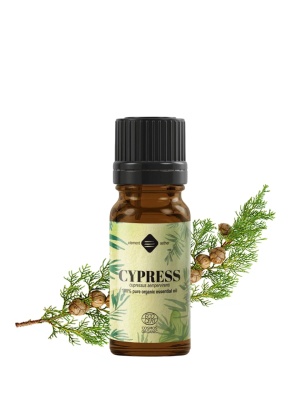
- Venous circulation and heavy legs: A venotonic trio with Cypress Essential Oil and Organic Lemon Essential Oil, diluted in Centella Asiatica Oil, a macerate traditionally used to improve microcirculation and topped up with Borage Oil to supply GLA for vascular anti-inflammatory benefits.
- Mature skin, loss of elasticity: Associates elegantly with Myrrh Essential Oil and Neroli Essential Oil, diluted in Macadamia Oil, creating a dense, comforting night serum.
- Anti-cellulite and body remodeling: Combine with Grapefruit Essential Oil and Organic Atlas Cedar Essential Oil, diluted in Grape Seed Oil - a carrier with a dry, non-greasy texture, perfect for body massage in areas with cellulite.
- Meditation and grounding (diffuser): The complete sacred trio — Patchouli, Frankincense Essential Oil, and Myrrh Essential Oil - in a 2:2:1 ratio. Delivers oriental depth and warmth without distracting floral or citrus notes.
- Unisex natural perfumery: A vital base note, it fixes flawlessly alongside citrus notes (Bergamot, Organic Lemon), floral notes (Organic Ylang-Ylang, Geranium Bourbon), and woody notes (Organic Atlas Cedar, Sandalwood), anchoring and extending the entire accord.
Practical Applications and DIY Recipes
Patchouli essential oil is used exclusively as an ingredient in cosmetic preparations, aromatherapeutic compositions, or natural perfumes. Do not apply undiluted to the skin. Pay close attention to dosage, its olfactory persistence is exceptional, so a few drops are more than enough; an excess can completely dominate any formula. For correct dosages, consult the IFRA certificate attached to the product on the website.
face Face Care
- Night serum for mature, dull skin: A few drops of Patchouli and a few of Neroli, diluted in Macadamia Oil, providing a visible tonic and regenerating effect by morning.
- Balancing oil serum for oily skin: A few drops of Patchouli and Organic Lemon in a small amount of Organic Jojoba Oil, use for a gentle massage in the evening.
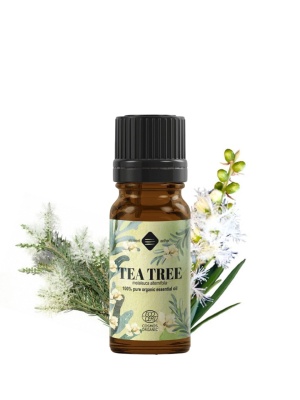
- Purifying mask for congested skin: A few drops of Patchouli and a few of Organic Tea Tree mixed with a tablespoon of Green Clay and enough Witch Hazel Floral Water. Leave on for 10 minutes, then rinse with cool water, delivers a purifying and astringent effect.
face_3 Hair Care
- Pre-wash treatment for a seborrheic scalp: A few drops of Patchouli and a few of Organic Rosemary, diluted in Ricin Oil. Massage into the scalp, leave on for 30 minutes, then wash with shampoo.
- Addition to shampoo or conditioner: 1-2 drops directly into your shampoo or conditioner dose- adds an unmistakable olfactory note and a balancing effect on the scalp.
digital_wellbeing Body Care
- Venotonic and anti-cellulite massage oil: A few drops of Patchouli, a few of Cypress, and a few of Grapefruit, diluted in Grape Seed Oil. Massage with upward movements on the calves and thighs.
- Nutritive body balm for dry skin: Melt Cupuacu Butter with a few drops of Patchouli and a few of Myrrh. Allow it to cool partially before pouring. A dense, comforting balm for elbows, knees, and areas with cracked skin.
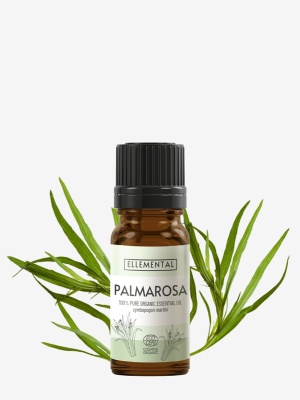
- Natural solid deodorant: A few drops of Patchouli, Palmarosa, and a few of Organic Tea Tree incorporated into melted Murumuru Butter with a touch of baking soda and cosmetic cornstarch, creating a solid deodorant with a persistent, oriental fragrance and antibacterial action.
home_and_garden Household Use
- Drawer and wardrobe fragrance: Place a few drops of Patchouli on porous ceramic beads or wool dryer balls and position them in underwear drawers or clothes wardrobes, providing a long-lasting natural fragrance and an effective moth repellent. This tradition is rooted in 19th-century practices when silks and cashmeres coming from India arrived scented with patchouli precisely for this protective property.
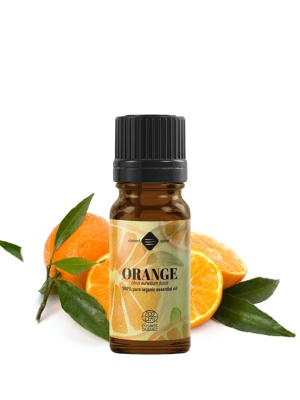
- Oriental scented candles: Patchouli is an ideal base note in natural candles, ensuring longevity to the fragrance and leaving a warm, earthy-balsamic background note. It combines perfectly with Myrrh and Frankincense for a meditative ambiance, or with citrus notes (Sweet Orange, Mandarin) for a pleasant contrast.
fragrance DIY Perfumery
- Premium fixative and base note: Patchouli is the standard natural fixative in perfumery, extending the duration of all other notes and adding a deep earthy-balsamic anchor. Use it in small doses (a few drops in a 10 ml blend are plenty), a higher dose does not improve the perfume, but rather flattens everything into a pure patchouli accord. Add progressively, drop by drop.
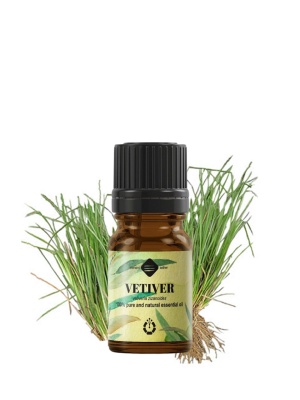
- Natural chypre accord: Patchouli (base) + Bergamot (top) + Geranium Bourbon (heart) + a touch of Vetiver or Organic Atlas Cedar, the classic structure of chypre perfumes, rendered in natural ingredients. One of the most studied and admired perfumery accords in history.
- Unisex oriental solid perfume: A few drops of Patchouli (base), a few of Organic Ylang-Ylang (heart), and a few of Organic Lemon (top), fixed in Kokum Butter or Caprilis Oil, a solid perfume with a sensual, exotic character that is 100% natural.
Questions and Answers (FAQ)
Q: Why does Patchouli smell better as it ages?
A: This is one of the most remarkable characteristics of this essential oil, practically the only essence that truly matures. When freshly distilled, it contains more volatile compounds (the sharper, camphorous note) that gradually evaporate over time. The patchoulol and other higher molecular weight sesquiterpenes remain and round out, revealing nuances of bitter chocolate, leather, dried fruits, and damp wood. Some perfumers store stocks of Patchouli for 3-5 years before use. From a cosmetic standpoint, an opened bottle of Patchouli does not degrade quickly if stored properly; instead, it evolves.
Q: Is Patchouli suitable for oily or acne-prone skin, or just for mature skin?
A: Yes, and its exclusive association with mature skin is a cliché that limits its use. The sebum-regulating and antiseptic properties of Patchouli make it a valuable ingredient for oily, congested, or imperfection-prone skin as well. The difference compared to other purifying oils (Tea Tree, Rosemary) is that Patchouli adds a regenerating and toning effect, it does not just cleanse, but rebalances over the long term.
Q: How do I manage the exceptional olfactory persistence of Patchouli in DIY formulas?
A: Patchouli is perhaps the most persistent natural essential oil, a few drops can radically alter the olfactory profile of an entire product. Practical advice: start with half the amount you feel tempted to add, test it on a fragrance strip or the skin of your wrist, and leave it for 30-60 minutes before evaluation. Do not judge the aroma immediately, the middle and top notes that initially dominate will soften, allowing Patchouli to occupy its rightful space. Once added in excess, it cannot be removed from the formula.
Technical Data, Warnings
Botanical name: Pogostemon cablin (Blanco) Benth.
INCI: Pogostemon Cablin Leaf Oil
Botanical family: Lamiaceae (mint family)
Obtaining method: steam distillation from leaves
100% pure and natural, undiluted, unrectified, botanically and biochemically defined
Product for cosmetic, aromatic, and perfumery use. Do not apply undiluted to the skin.
Store in a dry and cool place, away from direct sunlight. Keep out of reach of children.
Note: the oil evolves and matures over time; a change in color or consistency does not indicate product deterioration, but rather its natural maturation process.
For dilutions in accordance with legal regulations, consult the IFRA certificate attached to the product on the website.
Sensitive individuals should perform a tolerance test; perform a skin patch test in the bend of the elbow 24 hours before use. Avoid contact with eyes and sensitive mucous membranes. In case of an accident, rinse abundantly with a vegetable oil.
For use during pregnancy, breastfeeding, in case of chronic diseases, for the elderly, or for young children, the recommendation is to consult a doctor.
Bibliography and Sources
The properties and applications of Patchouli essential oil are documented in reference works across aromatherapy, perfumery, and phytochemical research:
- Tisserand, R., & Young, R. - Essential Oil Safety: A Guide for Health Care Professionals (2nd Edition) - safety profile, sensitization potential, and usage limits for Pogostemon cablin.
- Franchomme, P., & Pénoël, D. - L'Aromathérapie Exactement - biochemical profile of patchoulol and the venotonic and healing applications of Patchouli in clinical aromatherapy.
- Arctander, S. - Perfume and Flavor Materials of Natural Origin — historical reference on the use of Patchouli in perfumery, fixative properties, and aromatic behavior over time.
- Swamy, M. K., & Sinniah, U. R. - “A Comprehensive Review on the Phytochemical Constituents and Pharmacological Activities of Pogostemon cablin” (Molecules, 2015) - synthesis of the composition and documented biological activities of Patchouli essential oil.