


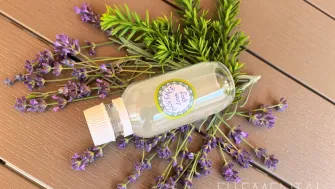
Formula: 45369 Difficulty Level: beginner Shelf life: min 6 months Optimal pH: -- Phase Ingredients Dosage % Total 250 g A Polysorbate 20 10 25 g A Lavender Essential Oil 3.5 8.75 g A Litsea or Lemon...
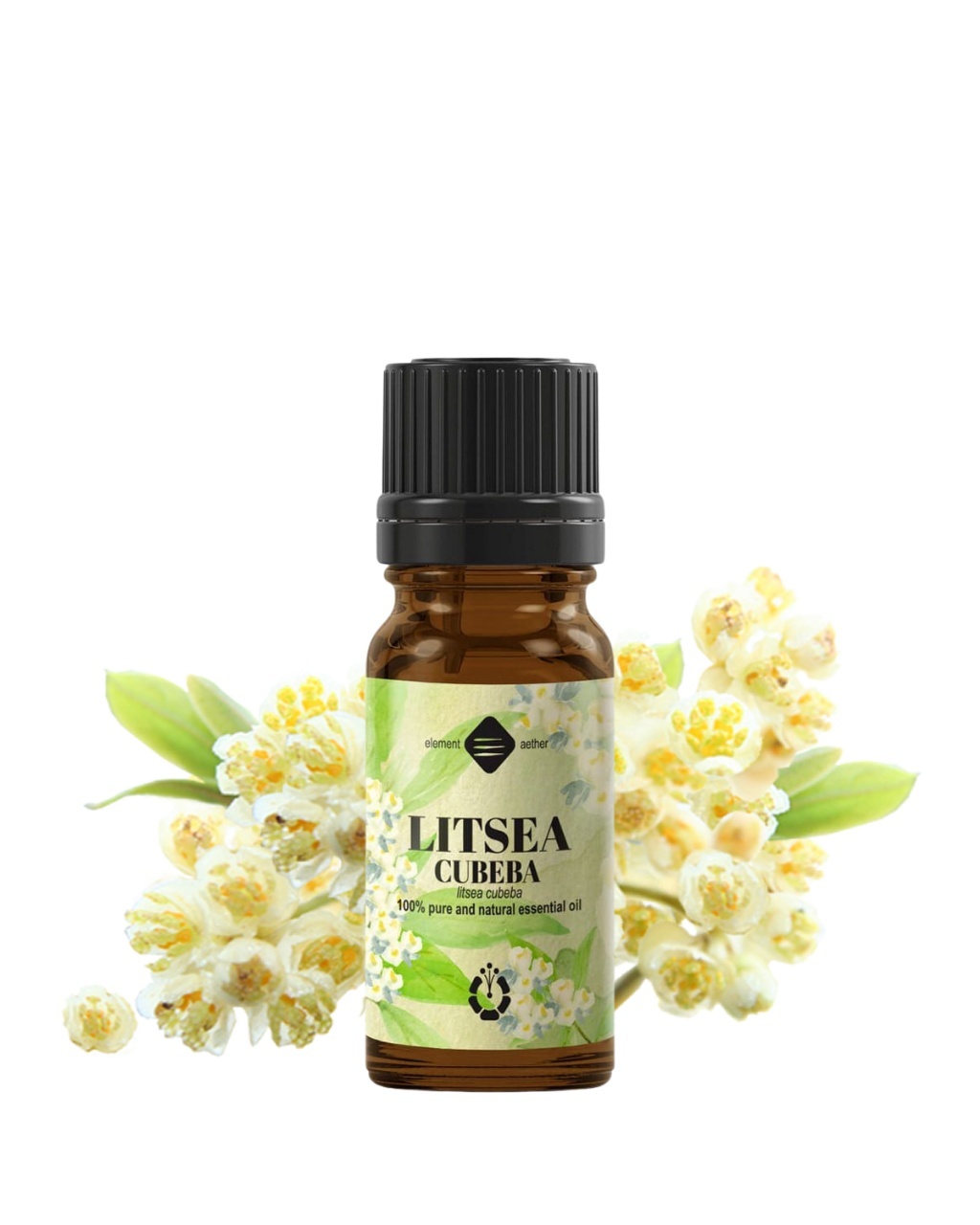
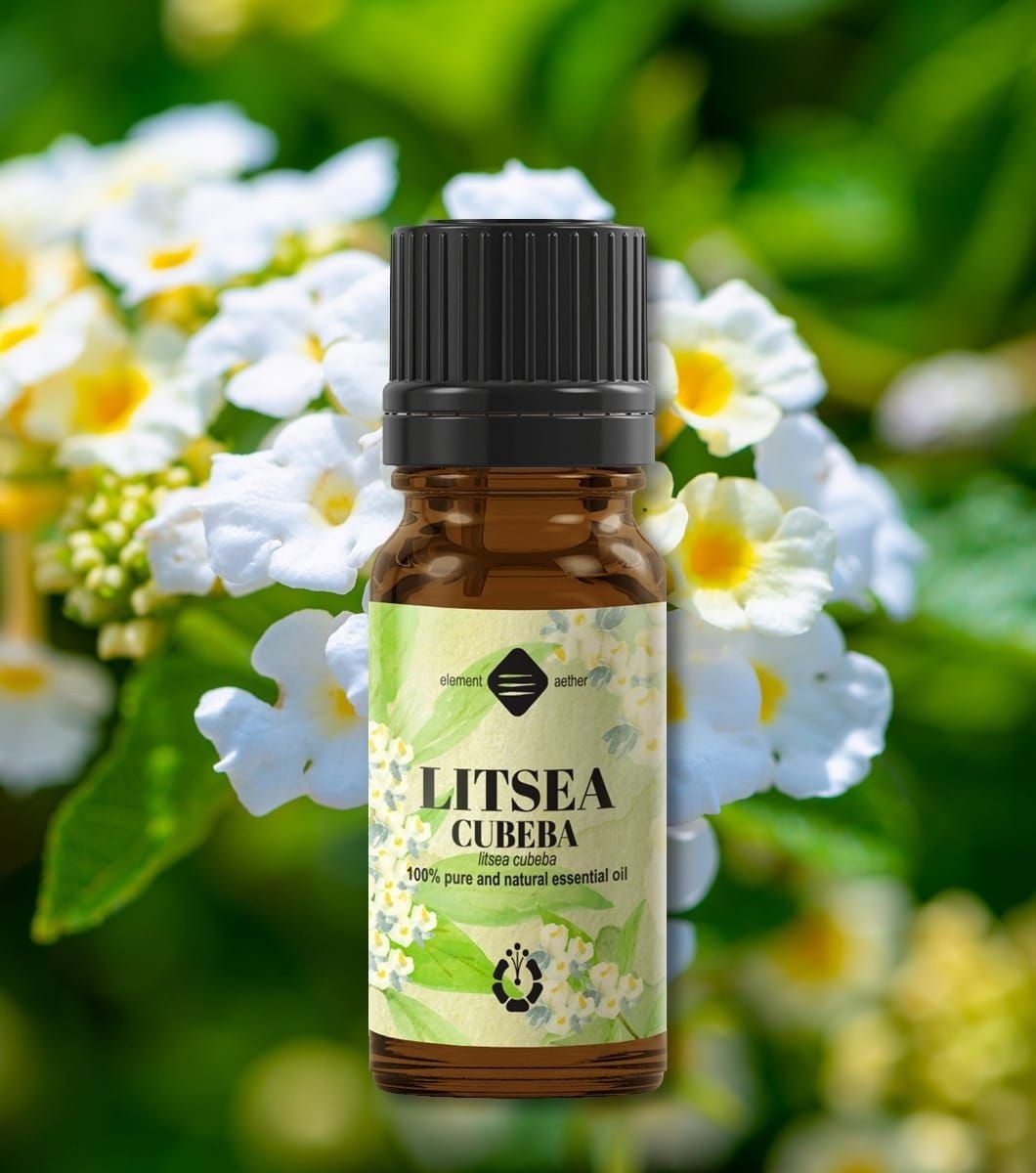
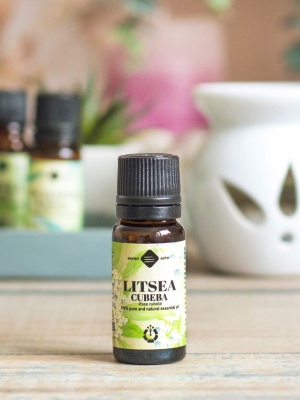
Litsea Cubeba, also known by its Chinese name May Chang, possesses a sweet, bright citrus-floral aroma that goes beyond simple comparison with lemon or lemongrass: it is finer, rounder, and has a distinctive floral character of its own. It is no coincidence that natural perfumers call it the "luxury lemon of perfumery."
Its aroma is energizing and optimistic, but its pharmacological action is soothing and anxiolytic. The very same compound that revives you olfactorily calms the nervous system biochemically.
air Olfactory profile: Sweet and bright citrus, with fine floral notes and a slightly exotic-fruity undertone. Rounder and more floral than lemongrass, more intense than yellow lemon. A top note with surprising persistence in formulas.
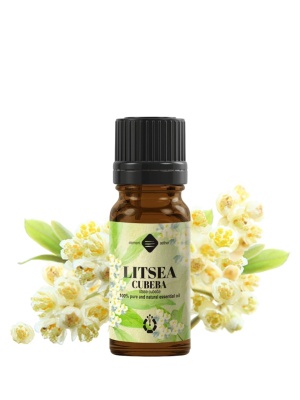
Ingredients: Litsea Cubeba Essential Oil (Litsea Cubeba Fruit Oil)
100% pure and natural, undiluted, botanically and biochemically defined
Obtained by steam distillation from the fruits of Litsea cubeba
Oily skin, acne-prone skin, clogged pores: Organic Tea Tree Essential Oil, Organic Petitgrain Essential Oil, Geranium Bourbon Essential Oil, Green Clay, Hamamelis Water.
Natural deodorant: Organic Palmarosa Essential Oil, Organic Petitgrain Essential Oil, Sage Officinalis Essential Oil.
Joint and anti-inflammatory massage: Copaiba Essential Oil, Lemon Eucalyptus Essential Oil, Juniper Berry Essential Oil, Arnica Oil.
Aromatherapy: Bergamot Essential Oil, Basil Essential Oil, Organic Petitgrain Essential Oil, Organic Lavender Essential Oil.
Natural perfumery: Neroli Essential Oil, Geranium Bourbon Essential Oil, Bergamot Essential Oil, Rose Absolute, Organic Cedarwood Atlas Essential Oil.
Litsea Cubeba essential oil is used exclusively as an ingredient in cosmetic preparations, aromatherapeutic compositions, or natural perfumes. Do not apply undiluted to the skin. Citral requires strict adherence to IFRA limits, maximum concentrations are lower than one might assume for a citrus-scented oil. For dosages, consult the IFRA certificate attached to the product.
Q: How does Litsea Cubeba differ from Lemongrass, since both are rich in citral?
A: Yes, both contain citral as their main constituent, but in slightly different proportions and profiles. Lemongrass has a more intense, "sharper" scent. Litsea Cubeba has a sweeter, more floral aroma, closer to a fresh lemon with flowers, whereas lemongrass evokes citrus grass. In perfumery, Litsea is preferred for its refinement; in cleaning products or household use, Lemongrass is more direct and cost-effective.
Q: Why must citral be declared on the label and what does this mean in practice?
A: Citral is included on the list of 26 fragrance allergens requiring mandatory declaration under EU Regulation No. 1223/2009 - it must be mentioned on the label when it exceeds 0.001% in leave-on products and 0.01% in rinse-off products. This does not mean it is dangerous in correct doses, but rather that a percentage of consumers have a specific sensitivity to citral. In practice, for DIY formulators: if you include Litsea Cubeba in significant concentrations in a cream or lotion, citral must be declared on the label of the finished product.
Q: Is it suitable for sensitive skin or only for oily skin?
A: Its profile, astringent, purifying, and toning, makes it best suited for oily or combination skin. For sensitive or reactive skin, citral in higher concentrations can be irritating. It is not absolutely contraindicated, but concentrations must be lower than usual, and a patch test is essential. Gentler options (such as Roman Chamomile or Lavender) exist if skin sensitivity is the primary concern.
Product for cosmetic, aromatic, and perfumery use. Do not apply undiluted to the skin.
Store in a dry and cool place, away from direct sunlight. Keep out of reach of children.
For dilutions in accordance with legal regulations, consult the IFRA certificate attached to the product on the website.
Sensitive individuals should perform a tolerance test; perform a skin patch test in the bend of the elbow 24 hours before use. Avoid contact with eyes and sensitive mucous membranes. In case of an accident, rinse abundantly with a vegetable oil.
For use during pregnancy, breastfeeding, in case of chronic diseases, for the elderly, or for young children, the recommendation is to consult a doctor.

Write a valid review and earn loyalty points worth €0.40