


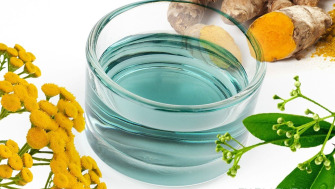
Formula: 58110 Difficulty level: beginner Shelf life: min 6 months pH optimal: - Phase Ingredients Dosage % Total 100 gr A Sweet Almond Oil 67 67 gr A Arnica oil 30 30 gr A Copaiba essential oil 1,5...
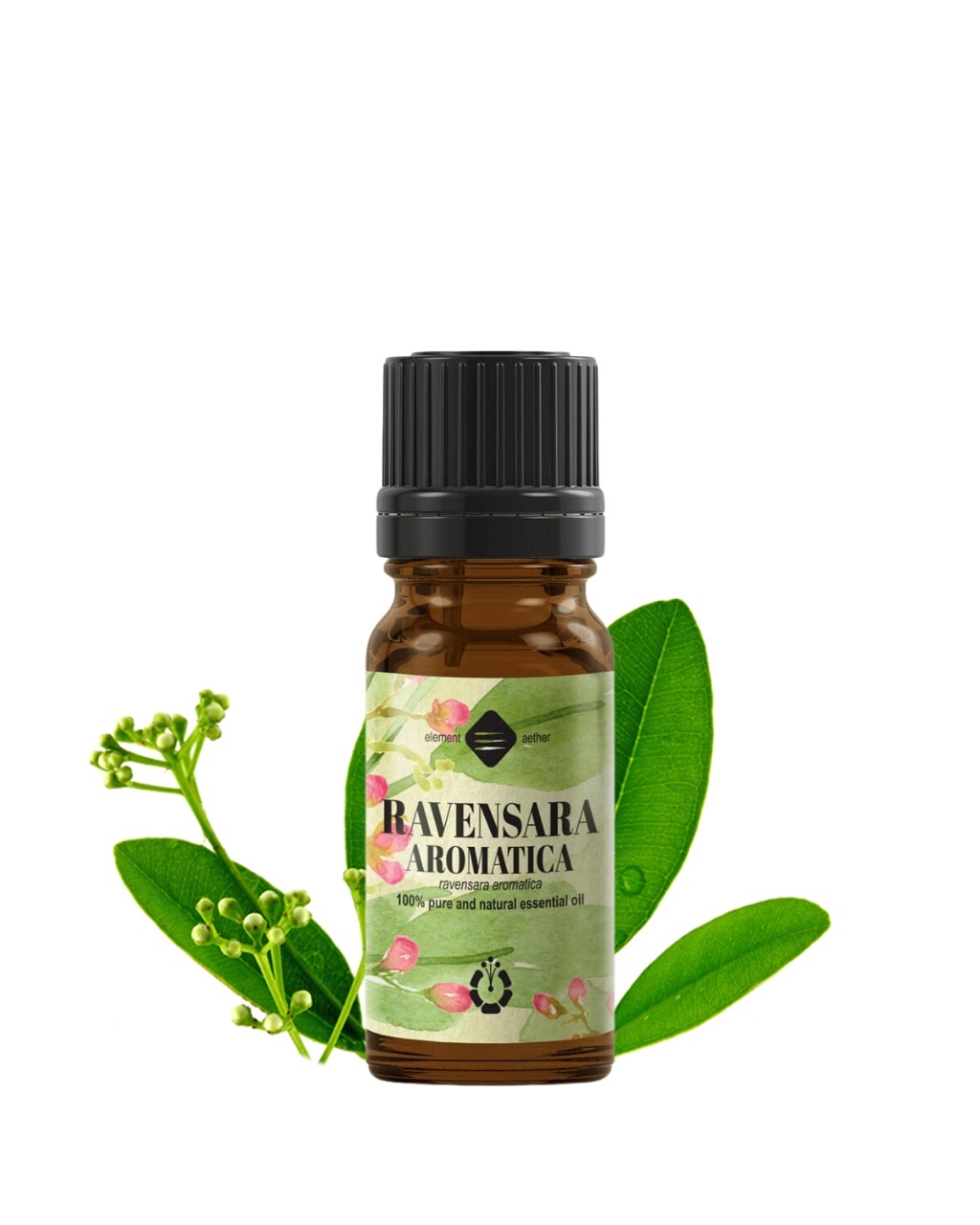
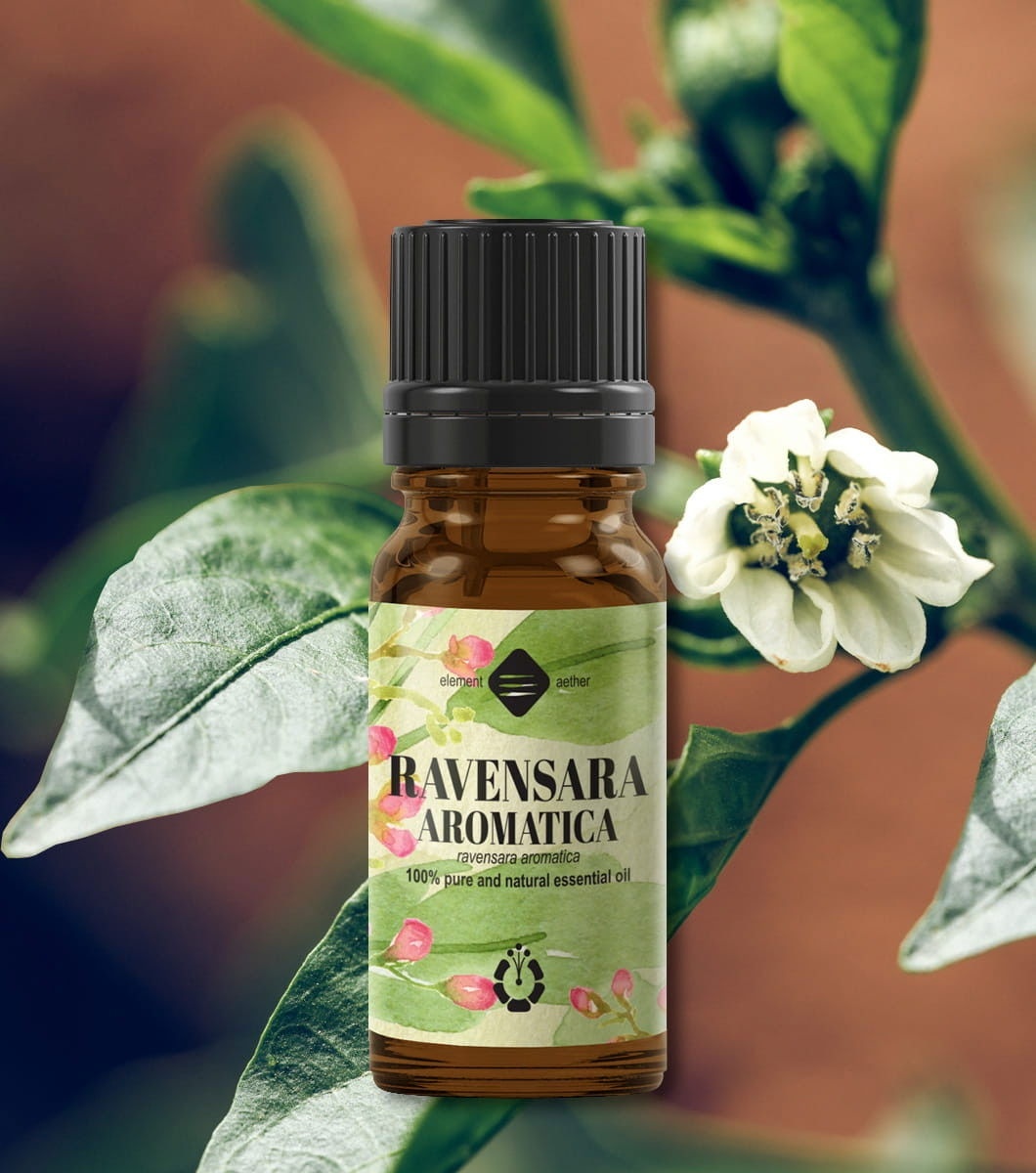
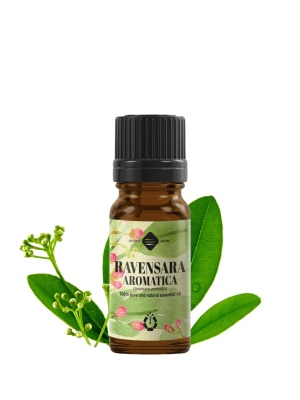
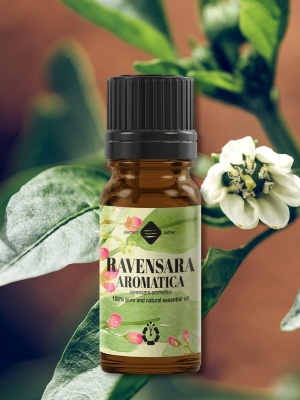
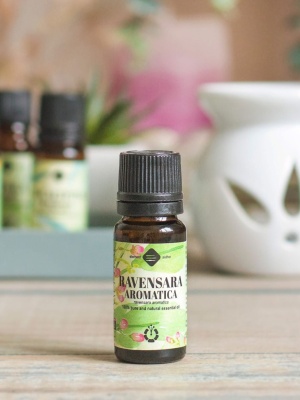
Ravensara Aromatica Essential Oil (Ravensara aromatica) is a rare and enigmatic extract, native to the tropical rainforests of Madagascar. It possesses a distinct spicy-aniseed aroma, warmer and more sophisticated than Ravintsara, with which it is frequently confused, though they are completely different plants. It is recognized for its utility in skin purification and combating cutaneous outbreaks of viral or bacterial nature, stimulating the defense mechanisms of the epidermis, and is highly valued as a neurotonic during periods of physical and mental exhaustion.
air Olfactory profile: Spicy, fresh, with prominent notes of anise and pepper, a citrus-woody nuance, and a warm background. Sweeter and more complex than Ravintsara. A top-to-middle note.
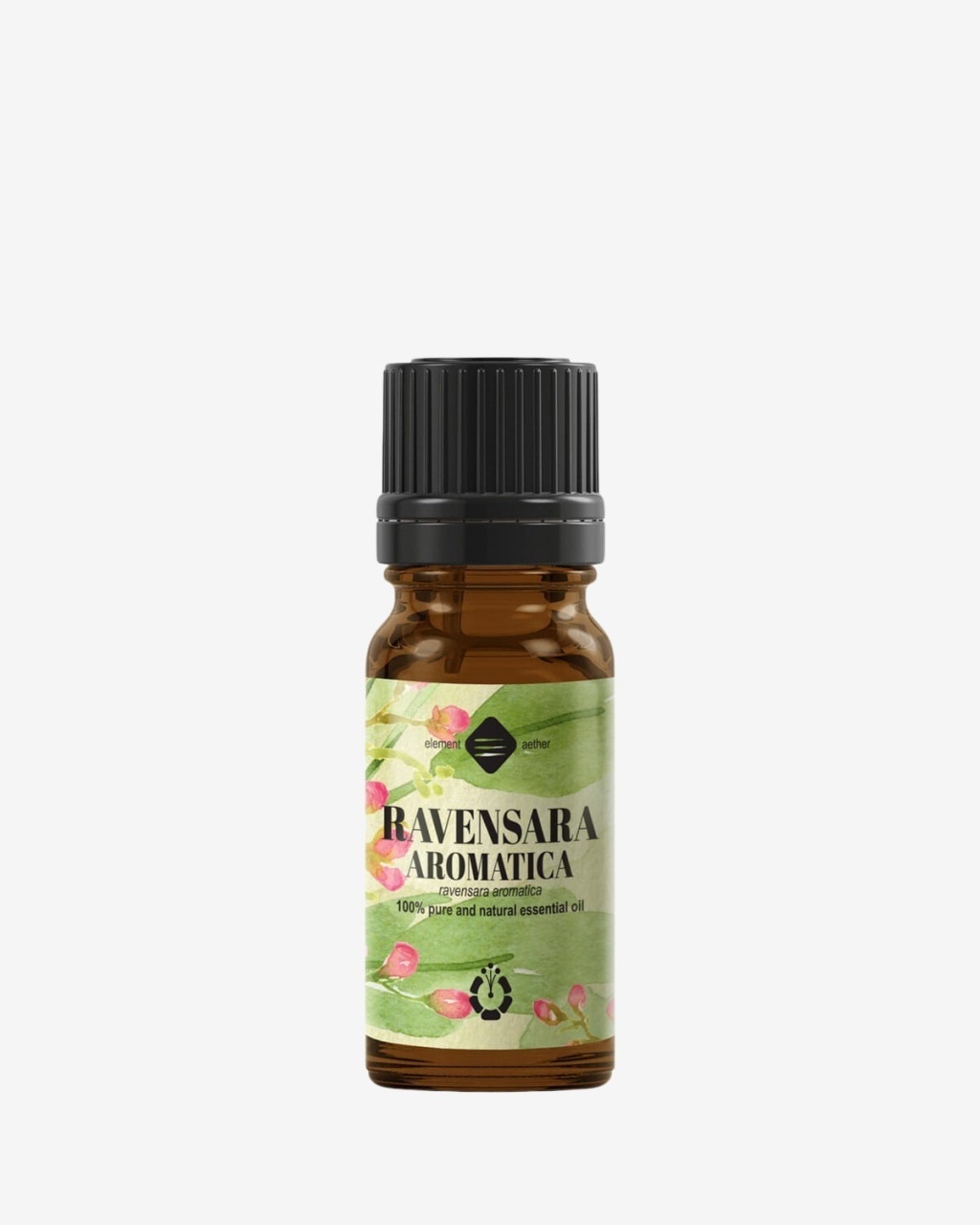
Ingredients: Ravensara Aromatica Essential Oil (Ravensara Aromatica Leaf Oil)
100% pure and natural, E.O.B.B.D. botanically and biochemically defined, undiluted, unrectified
Obtained by steam distillation from the leaves of the plant.
Cutaneous viral eruptions: Organic Niaouli Essential Oil, Organic Tea Tree Essential Oil, Organic Peppermint Essential Oil, Tamanu Oil, Organic Neem Oil.
Muscular and joint pains: Wintergreen Essential Oil, Eucalyptus Lemon Essential Oil, Copaiba Essential Oil, Arnica Oil, St. John's Wort Oil.
Neurotonic: Organic Pine Essential Oil, Lemon Essential Oil, Grapefruit Essential Oil, Organic Rosemary Essential Oil.
Scalp and hair purification: Organic Tea Tree Essential Oil, Organic Palmarosa Essential Oil, Organic Black Cumin Oil, Organic Rosemary Essential Oil, Ricin Oil.
Ravensara essential oil is used exclusively as an ingredient in cosmetic preparations and aromatherapeutic compositions. Do not apply undiluted to the skin. It is generally used for short periods.
Q: What is the difference compared to the Ravintsara in the Ellemental range?
A: This is a classic confusion that persists even among professionals. They are completely different plants. Ravintsara is Cinnamomum camphora, rich in 1,8-cineole, with a eucalyptus-like scent. Ravensara aromatica, features a spicy-aniseed scent, contains estragole, is more powerful, and has specific applications for severe viral infections and pain. Their aromas differ fundamentally.
Q: Can it be administered internally?
A: Internal administration of this essential oil is contraindicated.
Product for cosmetic, aromatic, and hygiene use. Do not apply undiluted to the skin.
Store in a dry and cool place, away from direct sunlight. Keep out of reach of children.
For dilutions in accordance with legal regulations, consult the IFRA certificate attached to the product on the website.
Sensitive individuals should perform a tolerance test; perform a skin patch test in the bend of the elbow 24 hours before use. Avoid contact with eyes and sensitive mucous membranes. In case of an accident, rinse abundantly with a vegetable oil.
For use during pregnancy, breastfeeding, for young children, in case of chronic diseases, or for the elderly, the recommendation is to consult a doctor.
Write a valid review and earn loyalty points worth €0.40