


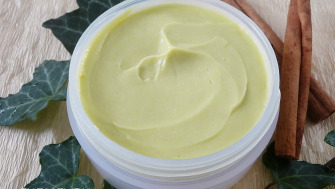
Formula: 11214 Difficulty level: medium Shelf life: min 3 months pH optimal: 5.0-5.5 Phase Ingredients Dosage % Total 150 gr A Avocado oil 20 30 gr A Emulsifier Olliva 6 9 gr B Immortelle water 41,7...
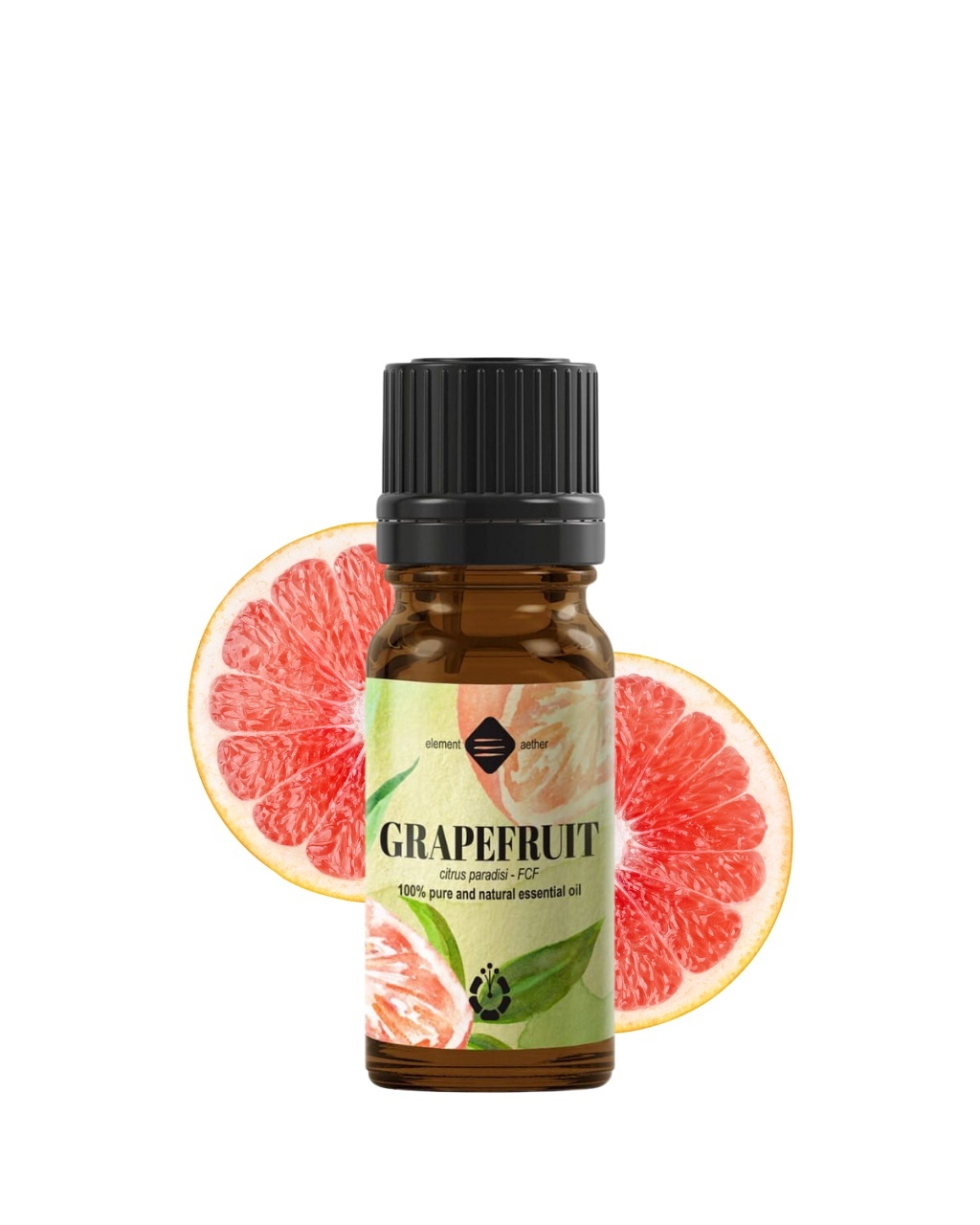
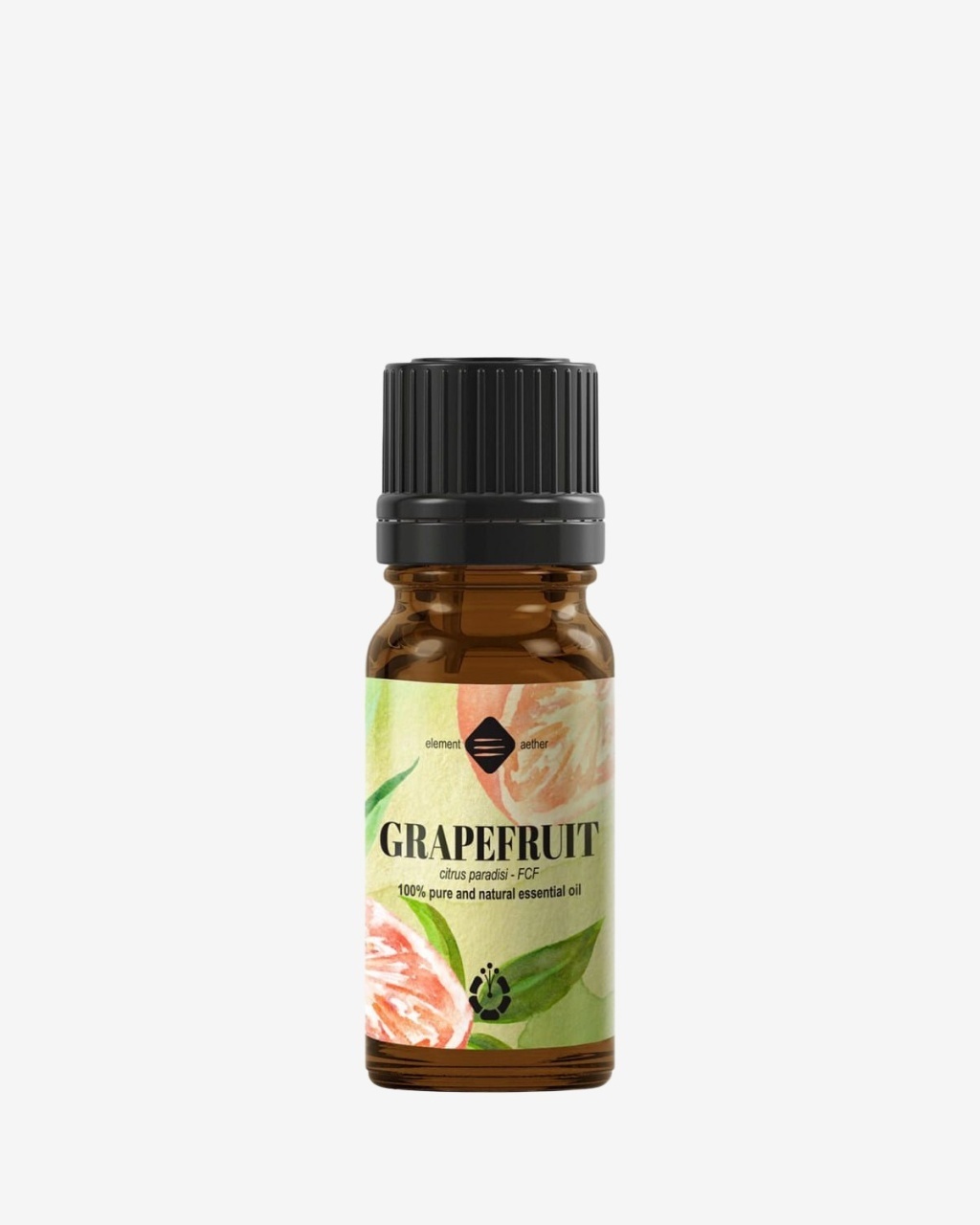
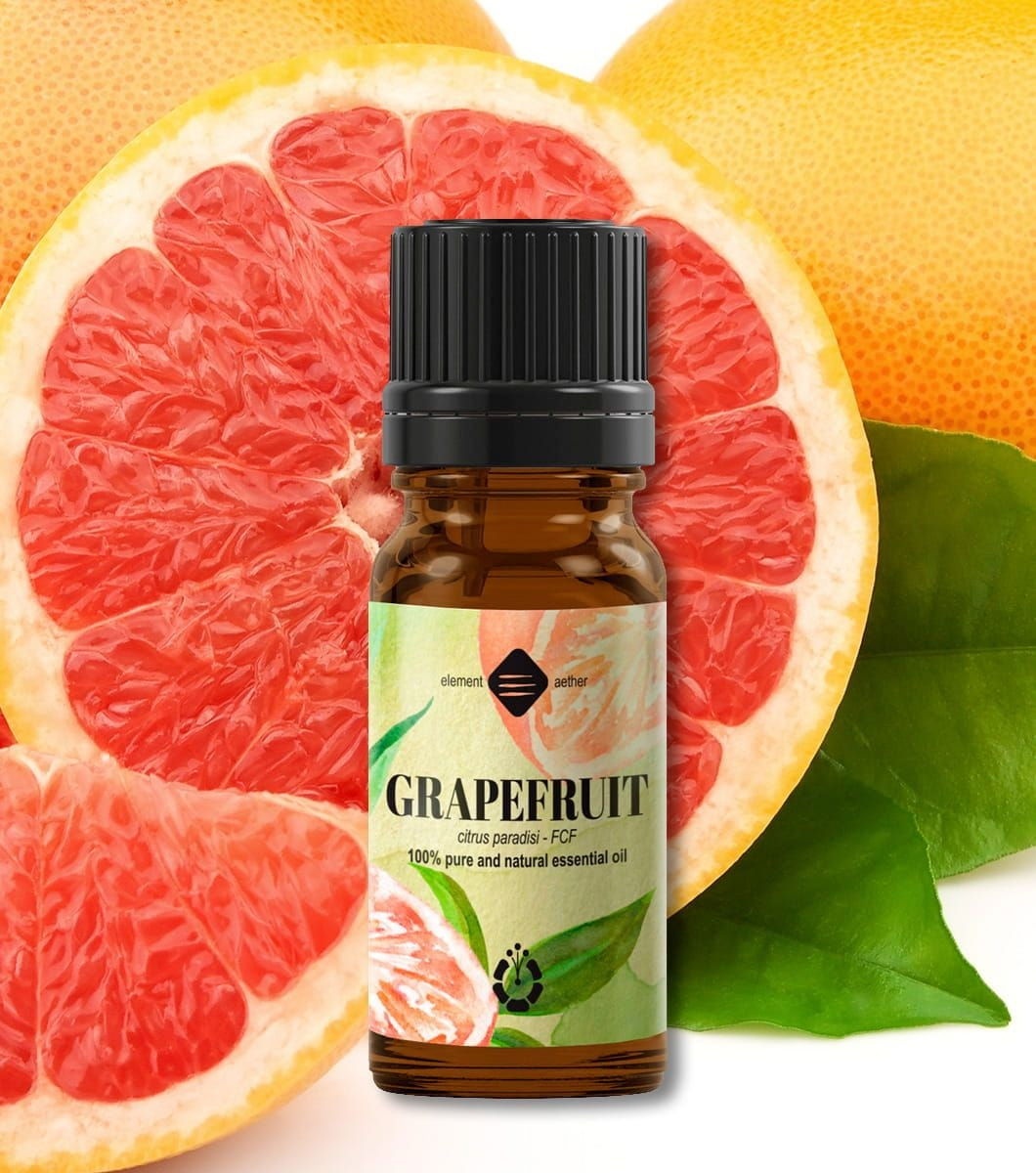
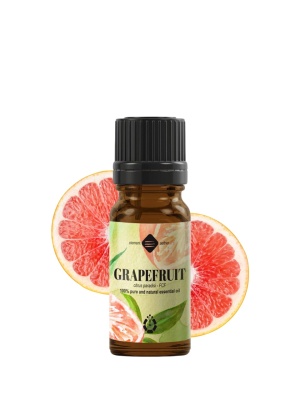
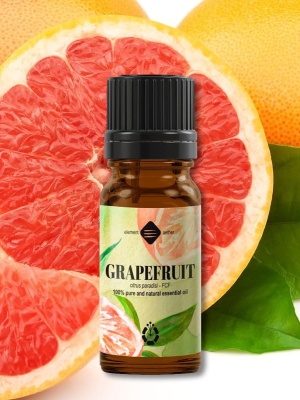
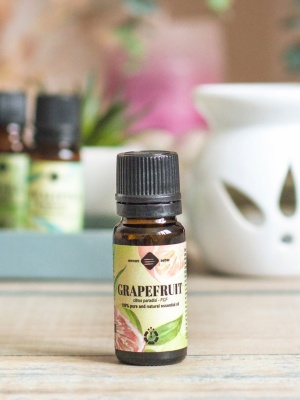
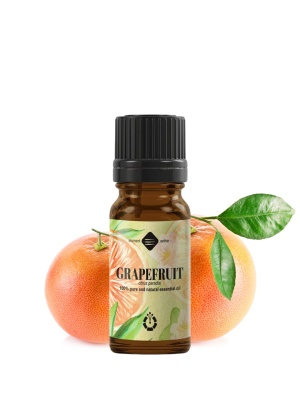
Grapefruit FCF Essential Oil (Citrus paradisi) is the furocoumarin-free variant of classic grapefruit, obtained by cold pressing from the peel followed by a fractionation treatment that removes photosensitizing compounds. The result is an oil with all the properties of the original citrus fruit, but without the solar exposure restrictions. It can be included in day creams, body lotions, and leave-on products without the specific precautions required for standard pressed citruses. Its primary applications include anti-cellulite and draining formulas, oily skin care, hair tonics, deodorants, and natural perfumery.
FCF stands for furanocoumarin-free, an industry-standard process for citruses used in products applied during the day. It is important to know that the therapeutic properties of the oil remain intact after fractionation: limonene and the other monoterpenes responsible for the purifying, draining, and tonic effects are not affected by the process.
air Olfactory profile: Fresh, vibrant citrus, bittersweet, with characteristic fruity notes. Slightly rounder and sweeter than lemon, less floral than bergamot. A pleasant top note.
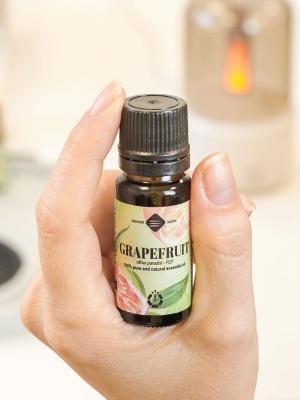
Ingredients: Grapefruit FCF Essential Oil (Citrus Paradisi Peel Oil)
100% pure and natural, E.O.B.B.D. botanically and biochemically defined, undiluted, without synthetic substances
Obtained by cold pressing from the peel of Citrus paradisi, followed by fractionation to eliminate furanocoumarins
Anti-cellulite and draining: Cypress Essential Oil, Juniper Essential Oil, Sweet Fennel Essential Oil.
Oily and seborrheic skin: Organic Petitgrain Essential Oil, Litsea Cubeba Essential Oil, Tea Tree Essential Oil, Green Clay.
Oily scalp and hair tonic: Organic Cedarwood Atlas Essential Oil, Organic Rosemary Essential Oil, Amla Oil, Ricin Oil.
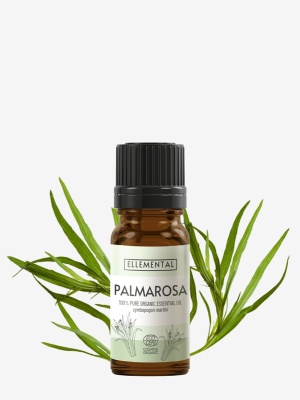
Natural deodorant: Organic Palmarosa Essential Oil, Organic Petitgrain Essential Oil, Sage Officinalis Essential Oil.
Aromatherapy: Bergamot Essential Oil, Litsea Cubeba Essential Oil, Organic Peppermint Essential Oil, Organic Rosemary Essential Oil.
Perfumery: Bergamot Essential Oil, Organic Petitgrain Essential Oil, Neroli Essential Oil, Vetiver Essential Oil, Patchouli Essential Oil.
Grapefruit FCF essential oil is used exclusively as an ingredient in cosmetic preparations and aromatherapeutic compositions. Do not apply undiluted to the skin. For maximum dosages, consult the IFRA certificate attached to the product.
Q: What is FCF and why does it matter compared to standard grapefruit?
A: FCF (furanocoumarin-free) means that furanocoumarins, the natural photosensitizing compounds present in the peel of cold-pressed citruses, have been removed through a fractionation process. Standard cold-pressed grapefruit contains these compounds, which can cause skin reactions upon UV exposure (hyperpigmentation, sunburns). The FCF variant can be used in daytime products and leave-on creams without sun exposure restrictions. The main properties of the oil are kept fully intact after fractionation, limonene and the other active monoterpenes are unaffected by the process.
Q: There is also a standard (non-FCF) Grapefruit in the Ellemental range, how does it differ from this one?
A: Yes, Ellemental offers both variants. Standard Grapefruit is cold-pressed without additional treatment, featuring an identical aromatic profile, but it is phototoxic. It is suitable for rinse-off products (shower gels, shampoos) or evening products where sun exposure is not an issue. The FCF variant is the ideal choice for day creams, body lotions, and any leave-on product exposed to the sun. The aroma of the two is practically identical.
Q: Is it sensitive to oxidation, how should I store it correctly?
A: Limonene, the dominant constituent, oxidizes relatively quickly when exposed to air and light, forming compounds that can irritate the skin. Practical recommendations: keep the bottle tightly closed, store it in the refrigerator or a cool place, and use it within the timeframe indicated on the packaging. Signs of oxidation include a sour or altered smell compared to the initially fresh citrus aroma. Oxidized oil should no longer be applied to the skin, but can still be utilized in cleaning products.
Product for cosmetic, aromatic, and perfumery use. Do not apply undiluted to the skin.
Store in a dry and cool place, away from direct sunlight. Keep out of reach of children.
For dilutions in accordance with legal regulations, consult the IFRA certificate attached to the product on the website.
Sensitive individuals should perform a tolerance test; perform a skin patch test in the bend of the elbow 24 hours before use. Avoid contact with eyes and sensitive mucous membranes. In case of an accident, rinse abundantly with a vegetable oil.
For use during pregnancy, breastfeeding, in case of chronic diseases, for the elderly, or for young children, the recommendation is to consult a doctor.


Write a valid review and earn loyalty points worth €0.40