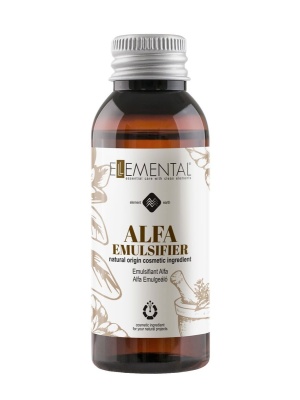





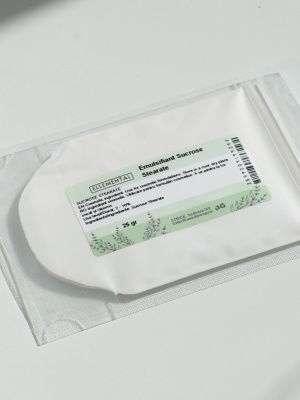
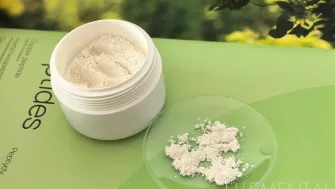
Emulsifier Sucrose Stearate

4.95 (VAT included)
4.16 (without VAT)
_ _
Code Size Net price Total price Quantity
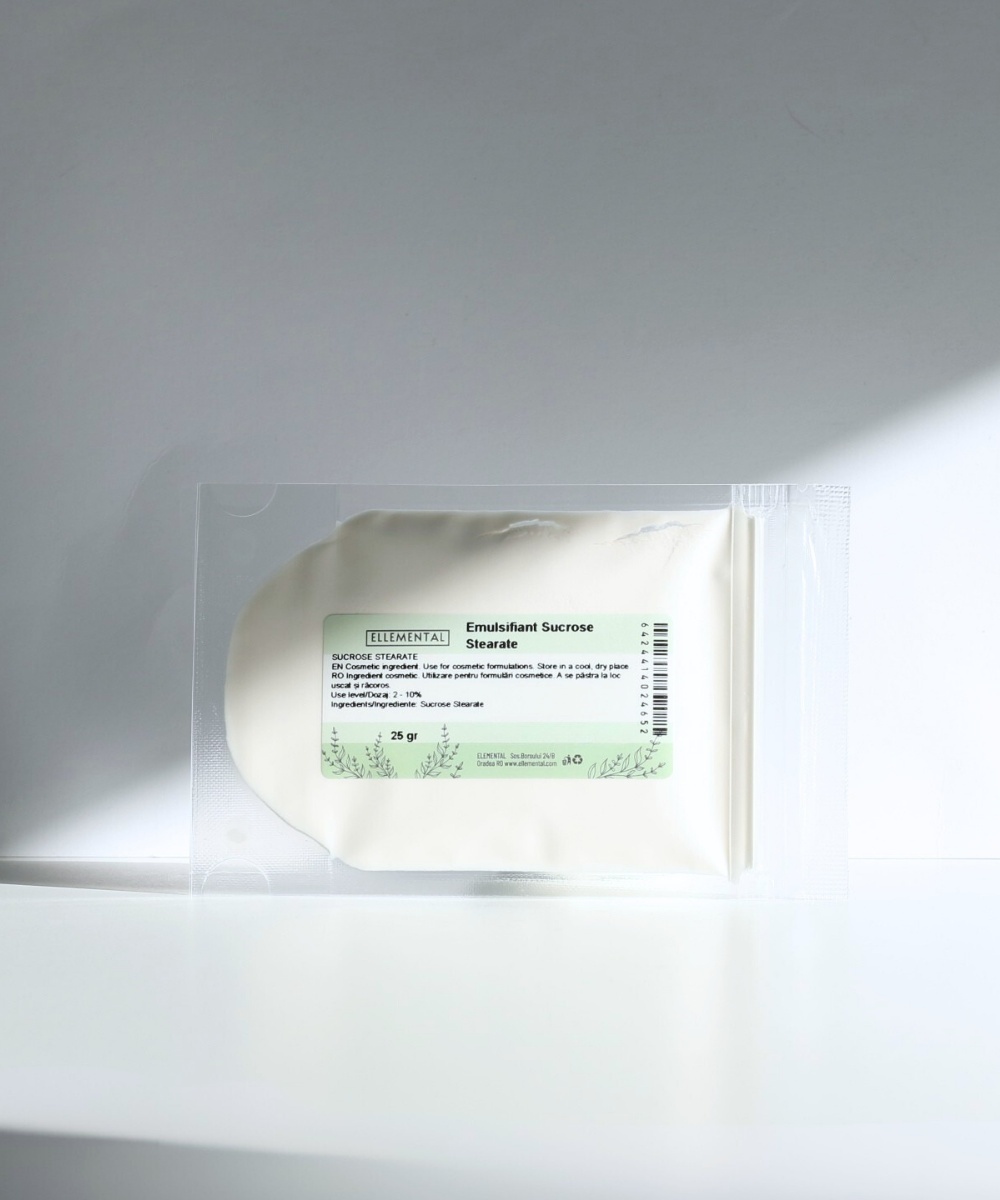
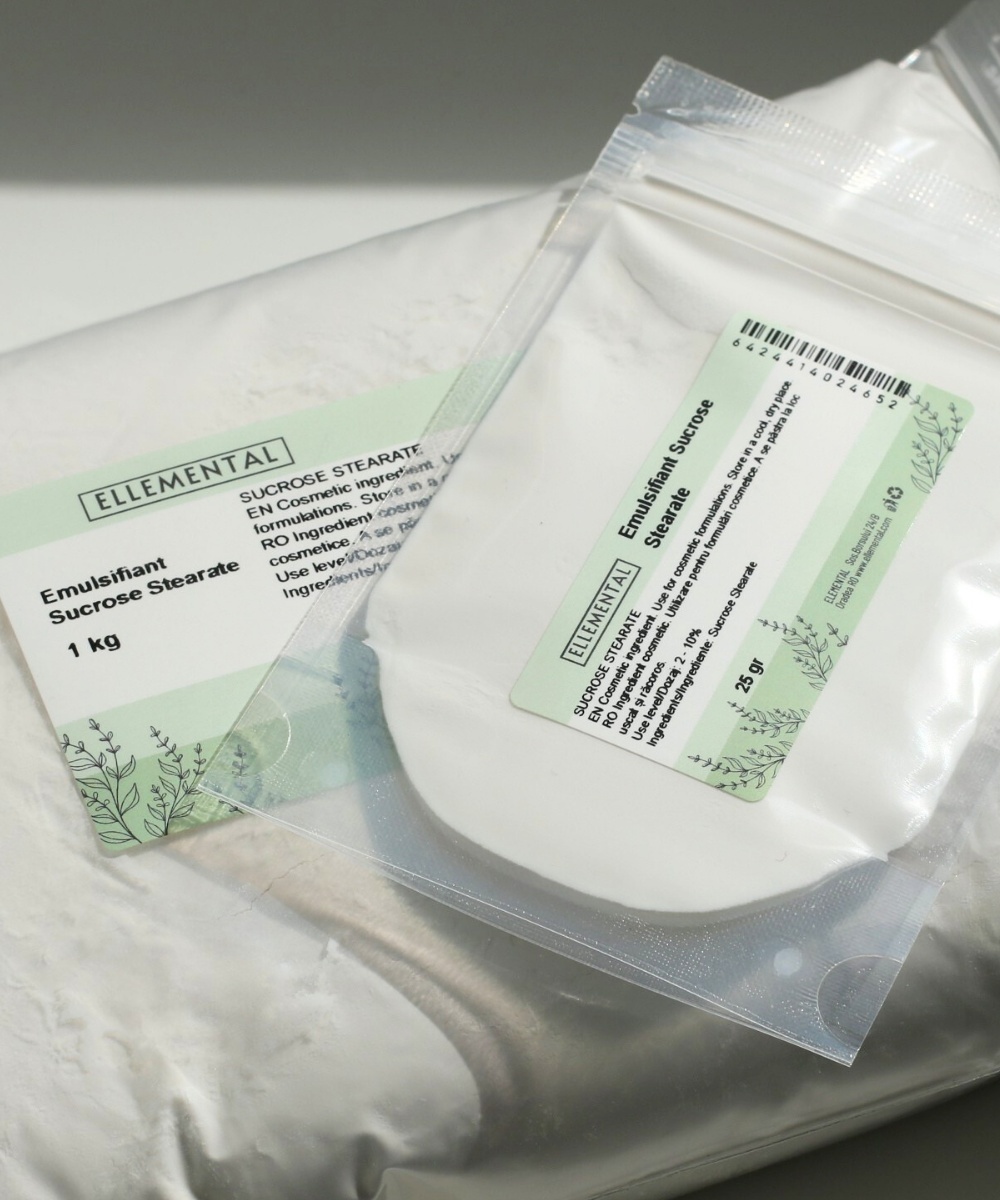
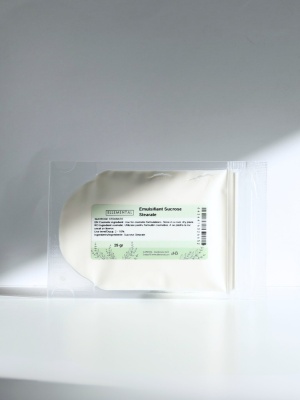
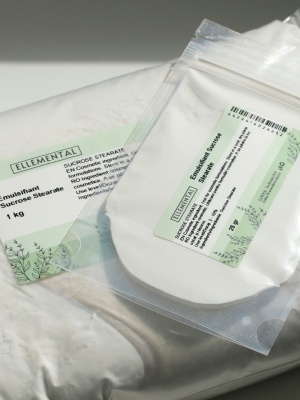
M-1816 25 g
4.16
4.95
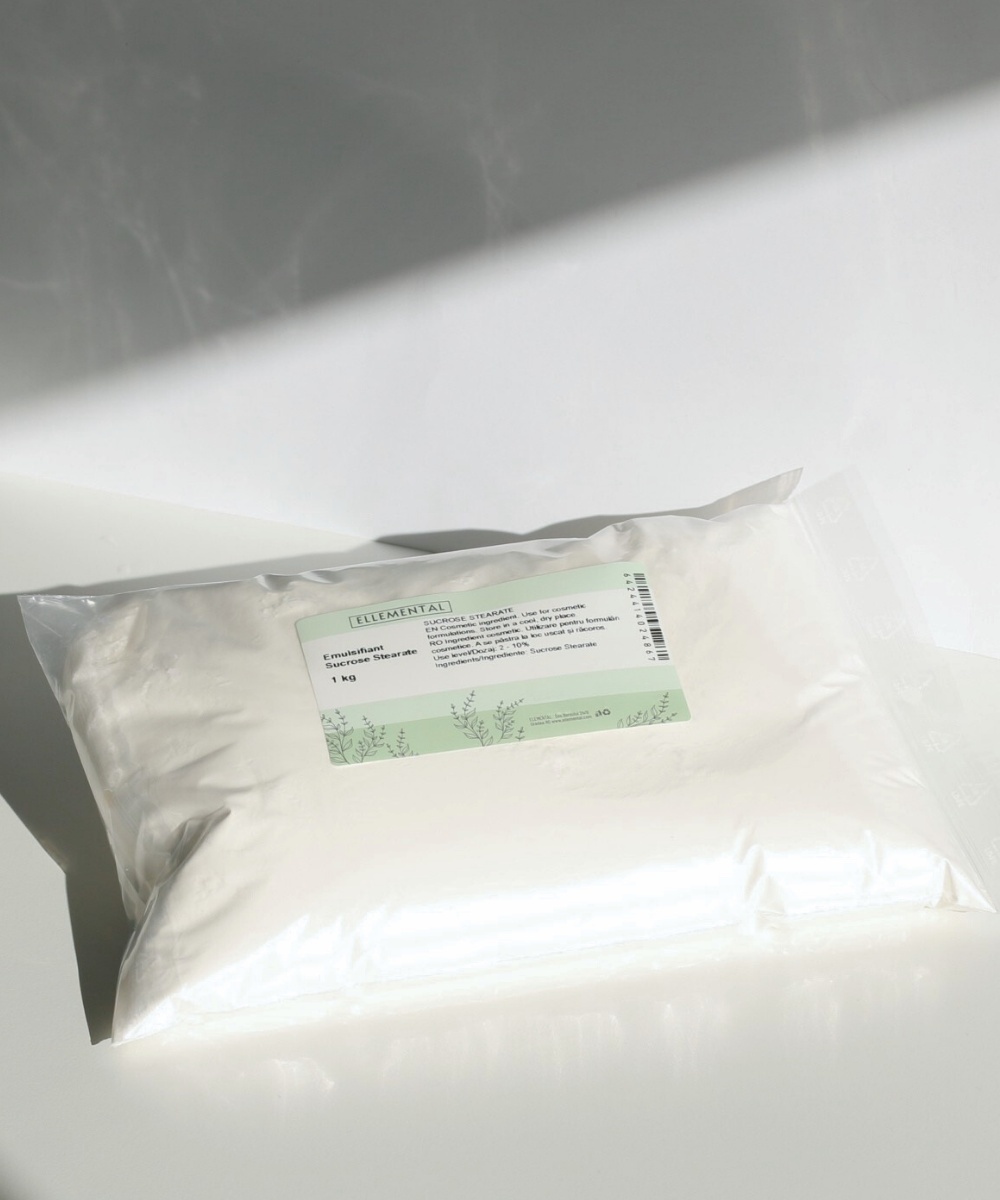
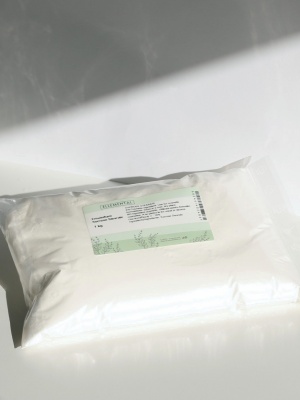
M-1816-1 1 kg
102.18
121.59
Product reference D-1816

Description

Sucrose Stearate - is a unique multifunctional emulsifier, naturally derived from sugars and vegetable fatty acids. It forms fine emulsions, improves the skin's barrier function, and provides long-lasting hydration. It is an oil-in-water (O/W) emulsifier with a high HLB, particularly gentle on the skin. Its versatility allows for use in a wide range of applications, from cold processing and emulsified sprays to innovative gel-to-milk technologies.


Ingredients: Sucrose Stearate


Characteristics

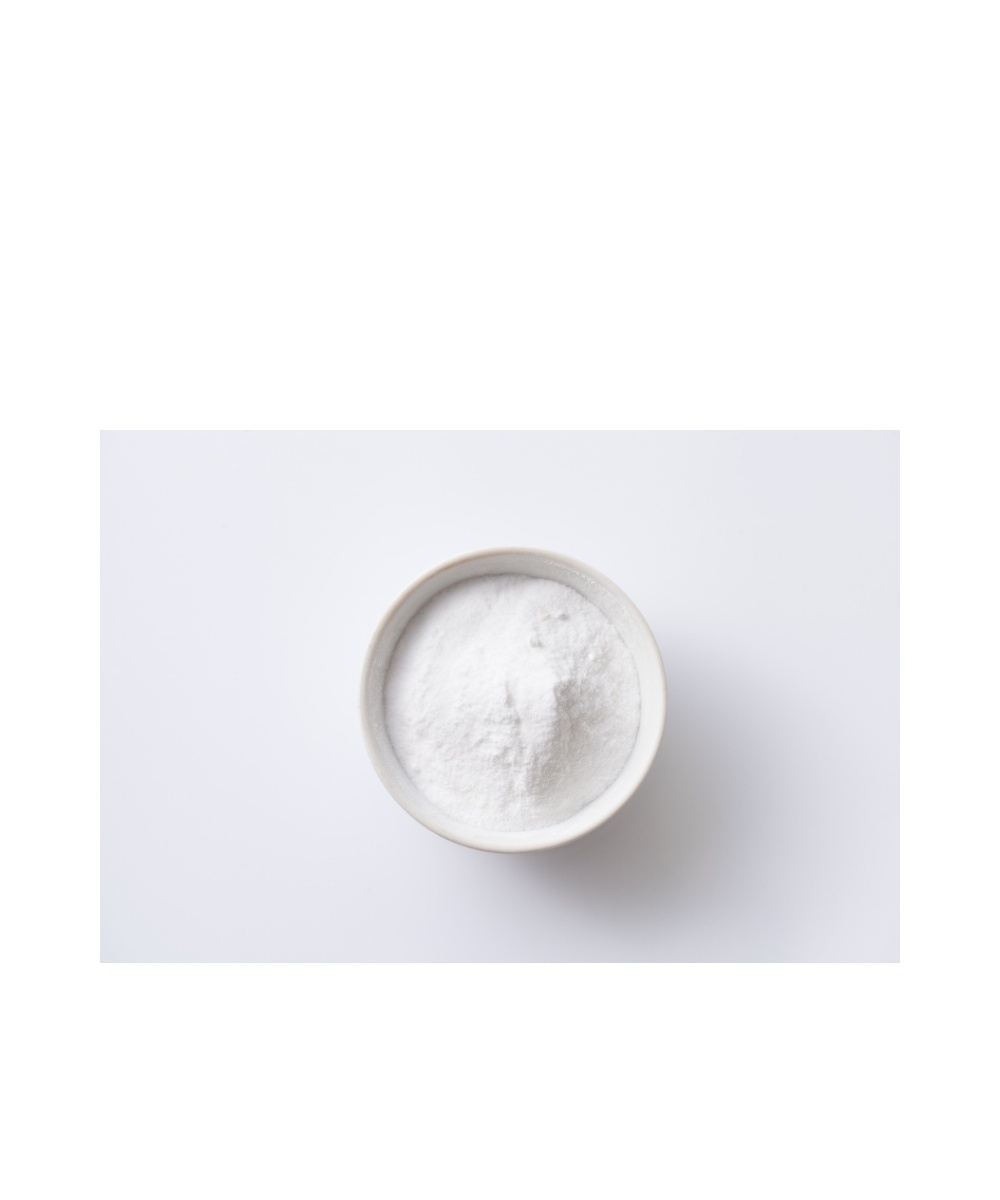
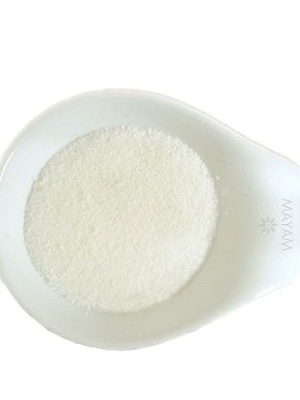
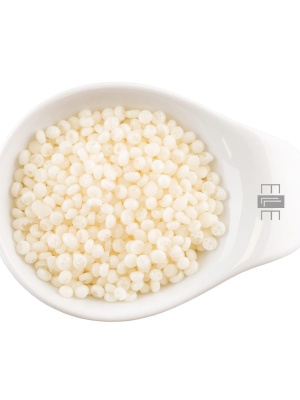
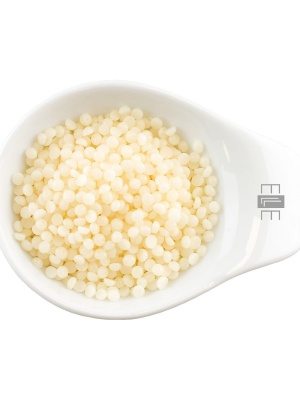
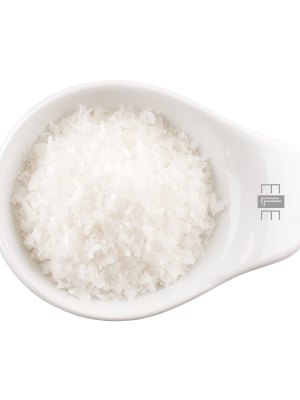
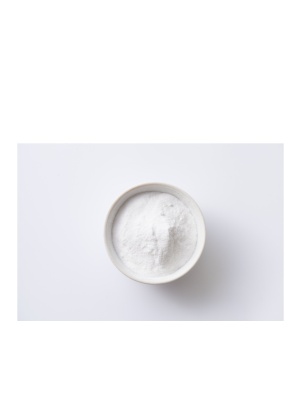
  • Presentation: Fine powder, white/cream color.
  • HLB: Approximately 15 (ideal for O/W emulsions).
  • Solubility: Soluble in hot water, also dispersible in the oil phase.
  • Quality: 100% vegetable origin, suitable for natural and organic cosmetics.

Tests and Clinical Studies

The performance and safety of the product have been evaluated through rigorous testing protocols for hydration, protection, and skin tolerance:

  • Long-Term Hydration (In Vivo): Corneometry studies (conducted over 14 days, with twice-daily application) demonstrated that emulsions with Sucrose Stearate induce a gradual and constant improvement in skin hydration levels, showing a significant difference compared to results obtained with a placebo product.

  • Skin Barrier Integrity (TEWL): Transepidermal water loss measurement tests confirmed that this emulsifier does not interfere with the natural water-binding capacity in the stratum corneum, keeping the epidermis's hydrolipid barrier intact.

  • Anti-Irritant Effect: Sucrose Stearate has been shown to have the ability to reduce irritation caused by aggressive agents (such as SLS). It exerts a protective effect proportional to the concentration used, diminishing both redness and skin barrier degradation.

  • Selective Anti-Microbial Activity: In vitro tests (contact time 20-28h) highlighted an 80-100% inhibition of microorganisms responsible for unpleasant odors (Corynebacterium xerosis) and diaper rash (Staphylococcus aureus), without affecting normal skin flora (Staphylococcus epidermidis).

  • Ocular Tolerance (HET-CAM): Classified as non-irritant, with an irritation potential of only 0.17 at a 10% concentration, being much milder compared to traditional emulsifiers.

  • Dermal Safety: Tested according to OECD 404 standards, the ingredient is proven to be completely non-irritating to the skin upon a single dermal application.


Main Properties

  • O/W Emulsifier and Cold Processing: Allows for the formulation of stable emulsions through traditional or cold methods, making it ideal for thermosensitive ingredients.
  • Silky Sensation: Provides a particularly fine, non-greasy, and non-sticky texture.
  • Intense Hydration: Due to its structure, it retains water molecules at the skin surface, reducing transepidermal water loss (TEWL).
  • Lamellar Structures: Forms liquid crystal networks that mimic the natural structure of skin lipids, supporting the skin barrier. It facilitates the absorption of other active ingredients into the deeper layers of the epidermis.
  • Gentleness: Does not irritate the eyes or skin, making it ideal for hypoallergenic products.

Usage Recommendations

Cosmetic ingredient. Recommended dosage: 2% - 10%.
Up to 10% as a base emulsifier; 2% co-emulsifier for lightweight textures; 2-3% to create a hydrophilic oil or an oleogel; up to 10% in cleansing products.
Due to its mildness, it is ideal for facial products, including the eye area and sensitive skin. Suitable as a co-emulsifying agent or hydrating active in emulsions and serums. Appropriate as a primary emulsifier in creams, deodorants, emulsions, and bath milks.

Applications

  • Moisturizing creams and lotions for sensitive or dry skin.
  • Child care products, sensitive creams.
  • After-sun emulsions.
  • Premium facial serums with a silky texture.
  • Fluid, cream, or gel type deodorants.

Formulation Guide

1. Processing Methods

  • Cold Process (Cold-Cold): If the oil phase consists exclusively of liquid oils, Sucrose Stearate can be used without heating. A very good pre-dispersion of the powder in water or glycerin is necessary before adding the oil under high-speed stirring.
  • Standard Hot Process (Hot-Hot): Both phases (aqueous and oily) are heated to 70°C - 75°C. Sucrose Stearate can be added to either phase; however, dispersing it in the aqueous phase under vigorous stirring before emulsification tends to yield the finest particles.
  • Mixed Process (Hot-Cold): Only the aqueous phase can be heated together with the emulsifier for complete dissolution, followed by the addition of the oil phase at room temperature. This method protects thermosensitive (cold-pressed) oils.
  • Order Matters: If you want a whiter and glossier emulsion, add the oil phase to the aqueous phase (O/W).
  • pH Range: Stable within a range between 4.0 and 8.0.

2. Homogenization and Stirring Techniques

  • High-Speed Mixing: To form liquid crystals and ensure a reduced oil droplet size, the use of a homogenizer for 2-3 minutes immediately after combining the phases is recommended.
  • Cooling: After the high-speed homogenization phase, the emulsion must be stirred slowly during cooling. This step allows the lamellar network to stabilize correctly, preventing subsequent separation.

3. Optimizing Stability and Viscosity

  • Use of a Gelling Agent: Since Sucrose Stearate creates very fine emulsions, they need a stabilizer in the aqueous phase to prevent sedimentation. Adding 0.2-0.5% xanthan gum (or 0.5-0.7% Solagum™ AX) is recommended.
  • Texture Modulation: For fluid emulsions: Use Sucrose Stearate as a unique emulsifier (3%) + xanthan gum. For creams: Combine Sucrose Stearate (3-4%) with fatty alcohols (e.g., Behenyl Alcohol 2-4%).

4. Special Formulas: Oil-to-Milk Technology

Sucrose Stearate is famous for its ability to create oily gels that transform into hydrating milk upon contact with water. In this case:

  • An emulsifier concentrate is created by mixing Sucrose Stearate with glycerin or other polyols.
  • The oil is added very slowly under continuous stirring, forming a D-phase emulsion.
  • The result is an anhydrous (water-free) product that rinses off impeccably, leaving the skin hydrated.

Frequently Asked Questions (FAQ)

Is this emulsifier sticky?
No. Sucrose Stearate is renowned precisely for its ability to eliminate the sticky sensation in creams rich in vegetable oils, providing an elegant finish.

Can it be used to create cleansing milk?
Yes, it is excellent for cleansers because it does not irritate the eyes and helps delicately solubilize impurities without agressing the skin.


Safety in Use

Profile: Food-grade based ingredient, biodegradable, non-toxic, and non-polluting. Safe for use in products intended for the whole family.
Precautions: Classified as non-irritant in HET-CAM tests (irritation potential 0.17 at 10% concentration). Not a skin irritant according to primary dermatological tests.
Storage: Keep in the original, airtight packaging, protected from moisture. Store in a dry and cool place.

Bibliography and Sources

Documentation, Formulation Guide, and Manufacturer technical information.
CosIng - European Commission Database for Cosmetic Substances and Ingredients.

Details

Code
D-1816
Other names
Sisterna SP70-C
Status
Suitable for organic cosmetics
Natural index
ISO 16128 - Natural origin 1.0
Preservatives
no preservatives
Suitable for
bath, cosmetics
Skin care
Eye Creams, Face creams, Makeup removers, Serums, Treatments
Skin type
All types, Sensitive
Body care
Creams Emulsions, Hand creams
Kids
Creams, Hygiene products
Sun Care
After sun products
Hygiene
Cleansers, Deodorants
Charge
non-ionic
Use level
2 - 10 %
Download
SDS  |  TDS

Related Recipes and Articles

  • Breese Cleansing Powder
    Breese Cleansing Powder
    Formula: 32776 Difficulty Level: beginner Shelf life: min. 6 months Optimal pH: -- Phase Ingredients Dosage % Total 100 ml (45 g) A Cornstarch cosmetic 27.5 12.38 g A Bergamot Breeze Fragrance Oil...
  • Centella Cica Moist Cream
    Centella Cica Moist Cream
    Formula: 32794 Difficulty Level: intermediate Shelf life: min. 3 months Optimal pH: 5.5-6.0 Phase Ingredients Dosage % Total 50 g A Geranium Water 28.30 14.15 g A Centella Pure Powder 0.20 0.10 g A...

You'll like these too

Reviews

We are looking for stars! Have you used this product?
Write a Review

Write a valid review and earn loyalty points worth €0.40