






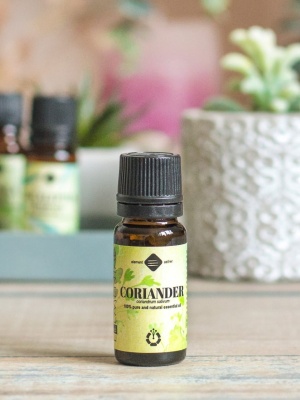
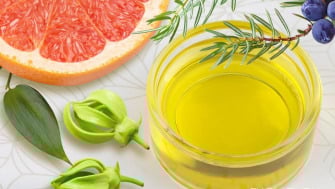
Formula: 58447 Difficulty level: beginner Shelf life: min 6 months pH optimal: - Phase Ingredients Dosage % Total 100 gr A Sweet Almond Oil 66,50 66,50 gr A Moringa oil 30 30 gr A Coriander essential...
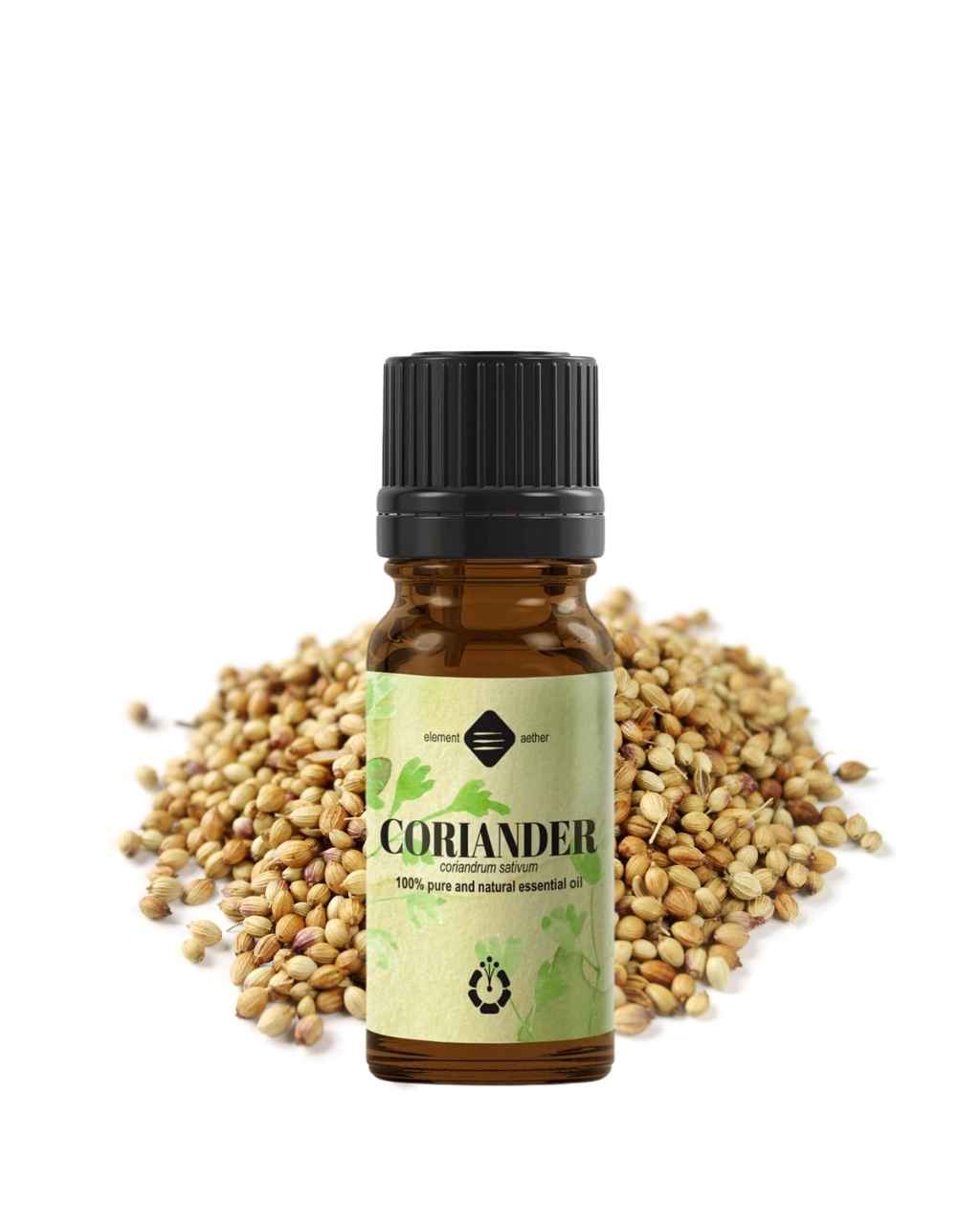
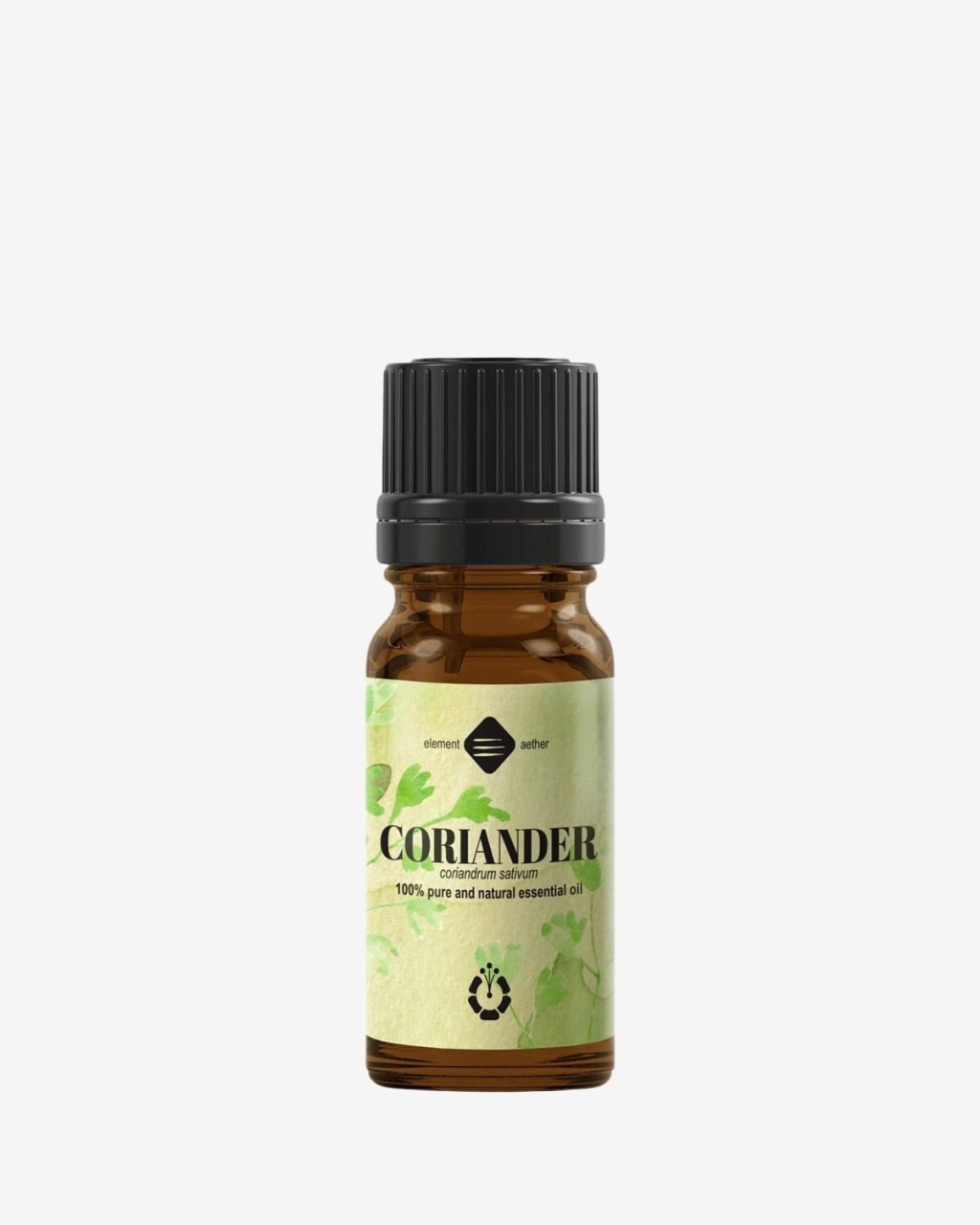
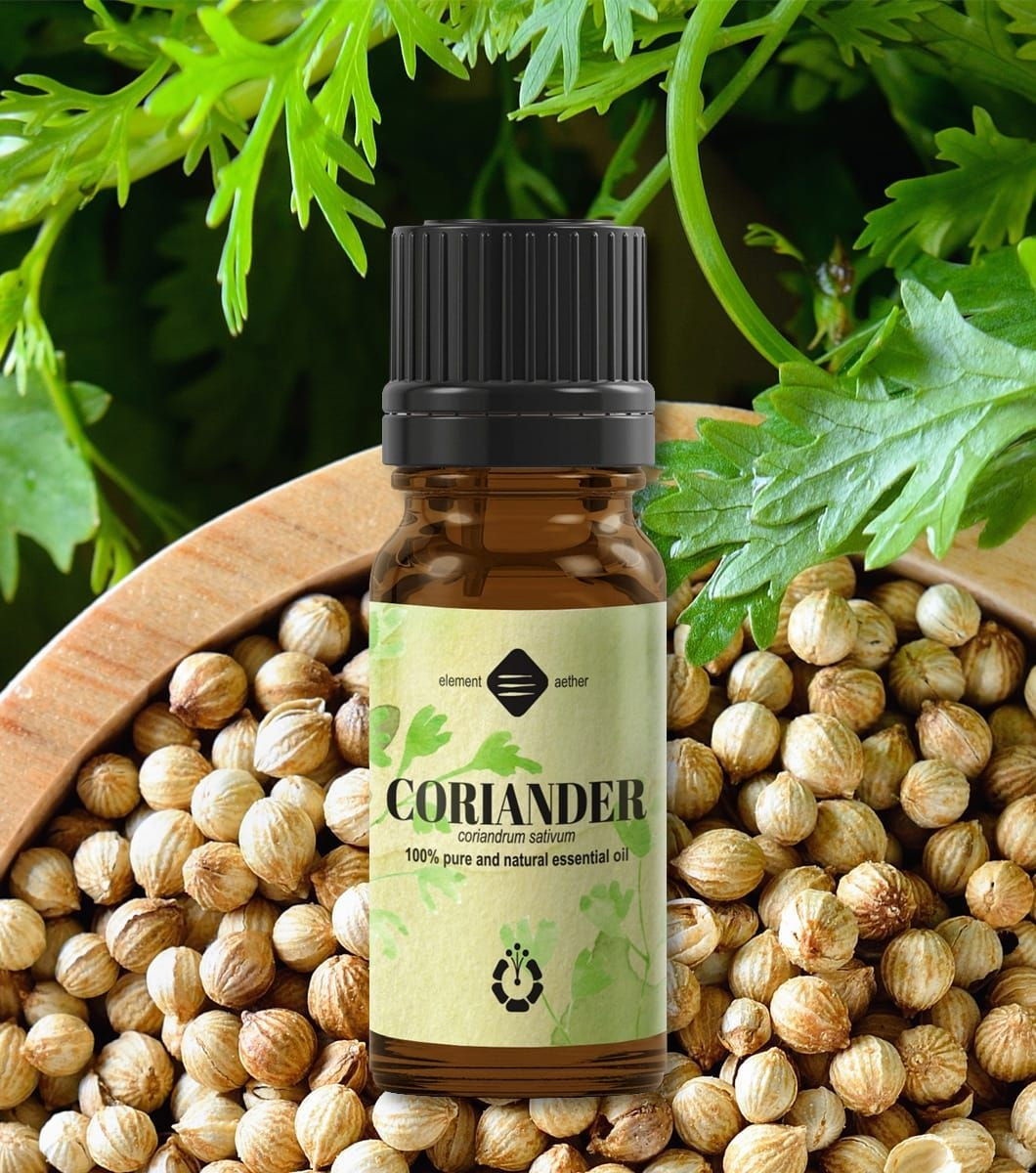
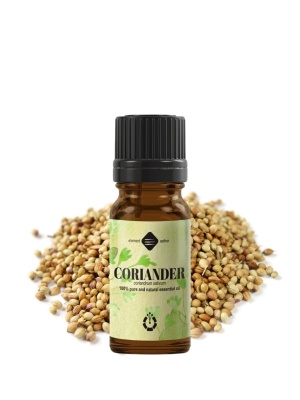
Coriander Essential Oil (Coriandrum sativum) stands out due to its warm, sweetish, and subtly spicy aroma. Highly valued in niche perfumery and aromatherapy for its olfactory balance, it features a unique, complex character: its aroma is spicy-woody, with citric nuances and a discreet floral sweetness.
Its primary applications are as a digestive and antispasmodic in abdominal massage, a nervous quieter during periods of stress and exhaustion, and a perfumery ingredient in oriental, fougère, and earthy-sweet blends.
air Olfactory profile: Warm, spicy-woody, with discreet citric notes and a background floral-fruity sweetness. Persistent and sophisticated, less sweet than Cardamom and without the harshness of Cinnamon.
Ingredients: Coriander Essential Oil (Coriandrum Sativum Fruit Oil)
100% pure and natural, E.O.B.B.D. botanically and biochemically defined, full spectrum, unfractionated, undiluted
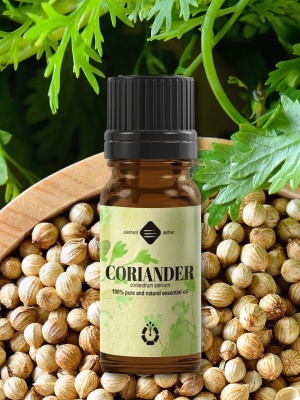
Obtained by steam distillation from the fruits of Coriandrum sativum
Digestive, antispasmodic: Sweet Fennel Essential Oil, Ginger Essential Oil, Cardamom Essential Oil, Peppermint Essential Oil.
Muscular and joint massage: Nutmeg Essential Oil, Juniper Essential Oil, Marjoram Essential Oil, Arnica Oil, St. John's Wort Oil.
Nervous soother, relaxation: Lavender Essential Oil, Roman Chamomile Essential Oil, Bergamot Essential Oil, Sandalwood Essential Oil.
Natural deodorant: Organic Petitgrain Essential Oil, Bergamot Essential Oil, Cypress Essential Oil, Organic Palmarosa Essential Oil.
Oriental and earthy-sweet perfumery: Jasmine Absolute, Patchouli Essential Oil, Vetiver Essential Oil, Pink Pepper Essential Oil, Cardamom Essential Oil.
Fougère and masculine perfumery: Lavender Essential Oil, Organic Cedarwood Atlas Essential Oil, Black Pepper Essential Oil, Bergamot Essential Oil.
Coriander essential oil is used exclusively as an ingredient in cosmetic preparations, perfumery, and aromatherapeutic compositions. Do not apply undiluted to the skin.
Q: Does it smell like the coriander herb used in cooking?
A: Not exactly, and that is one of the most pleasant surprises of this oil. Fresh coriander leaves have a pronounced herbaceous scent that many people perceive as "soapy." The essential oil, however, is extracted from the fruits (seeds), which have a completely different biochemical composition compared to the leaves. The result is a warm, spicy-woody aroma with a floral sweetness, entirely lacking the herbaceous character of the plant. Those who cannot stand the smell of the fresh herb often have a completely different, positive reaction to the fruit's essential oil.
Q: How does it differ from Cardamom, aren't they both spicy?
A: Both belong to the broad category of Asian spices, but they have distinct profiles. Cardamom is dominated by terpinyl acetate - it is sweeter, more balsamic, and carries a discreet eucalyptic accent. Coriander is dominated by linalool, it is woodier, more subtle, and features a citric-floral dimension that Cardamom lacks. Cardamom is better suited for digestive support and dense oriental blends, while Coriander offers greater versatility in perfumery and a more accessible character.
Product for cosmetic, aromatic, and perfumery use. Do not apply undiluted to the skin.
Store in a dry and cool place, away from direct sunlight. Keep out of reach of children.
For dilutions in accordance with legal regulations, consult the IFRA certificate attached to the product on the website.
Sensitive individuals should perform a tolerance test; perform a skin patch test in the bend of the elbow 24 hours before use. Avoid contact with eyes and sensitive mucous membranes. In case of an accident, rinse abundantly with a vegetable oil.
For use during pregnancy, breastfeeding, in case of chronic diseases, for the elderly, or for young children, the recommendation is to consult a doctor.
Write a valid review and earn loyalty points worth €0.40