






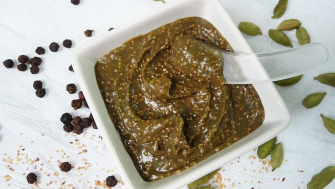
Formula: 5018 Difficulty level: beginner Shelf life: min 3 months pH optimal: - Phase Ingredients Total ~200 gr A Shea butter purified 93 gr B Macadamia oil 50 gr C Emulsifier Alpha 20 gr C Brahmi or...
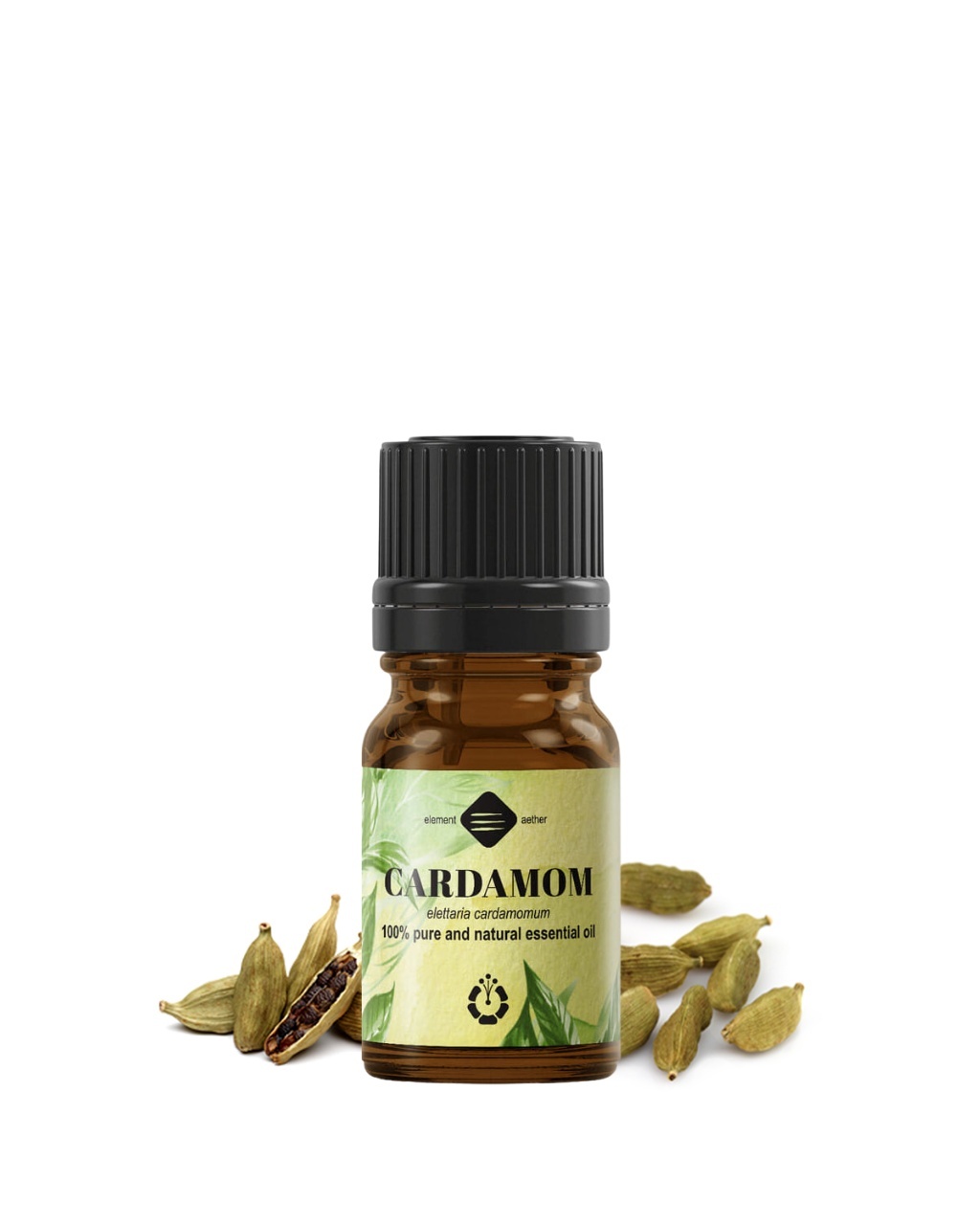
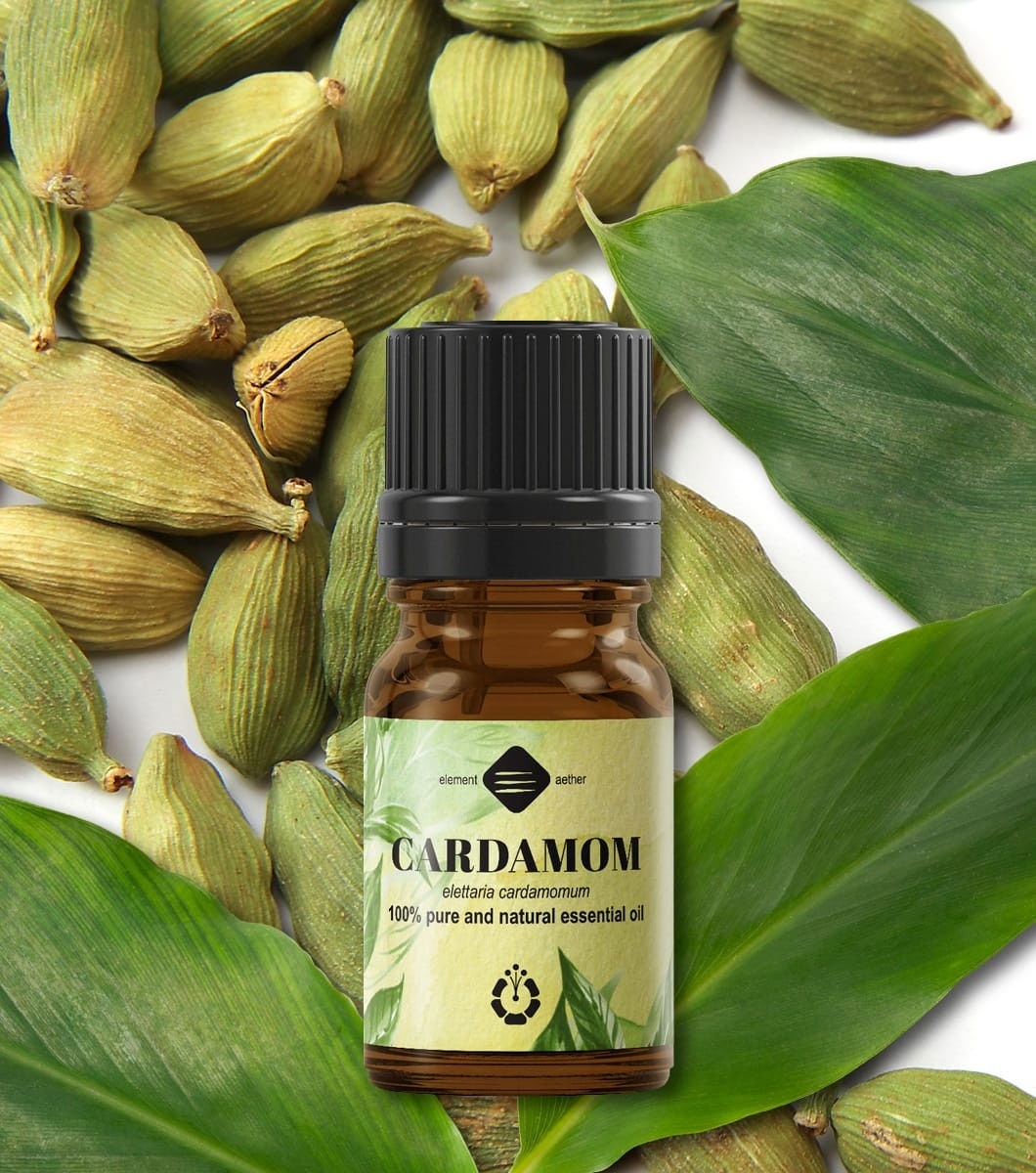
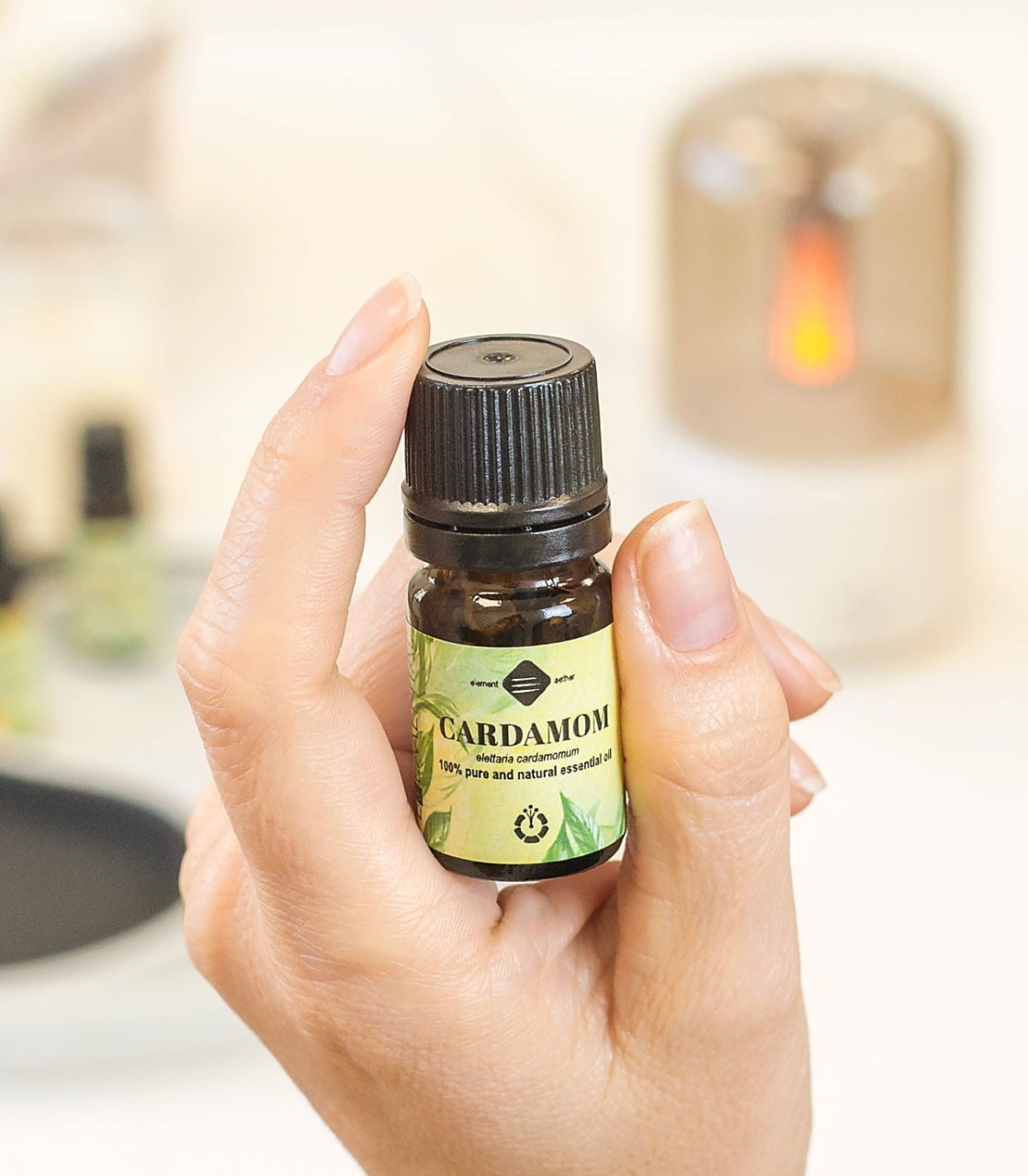
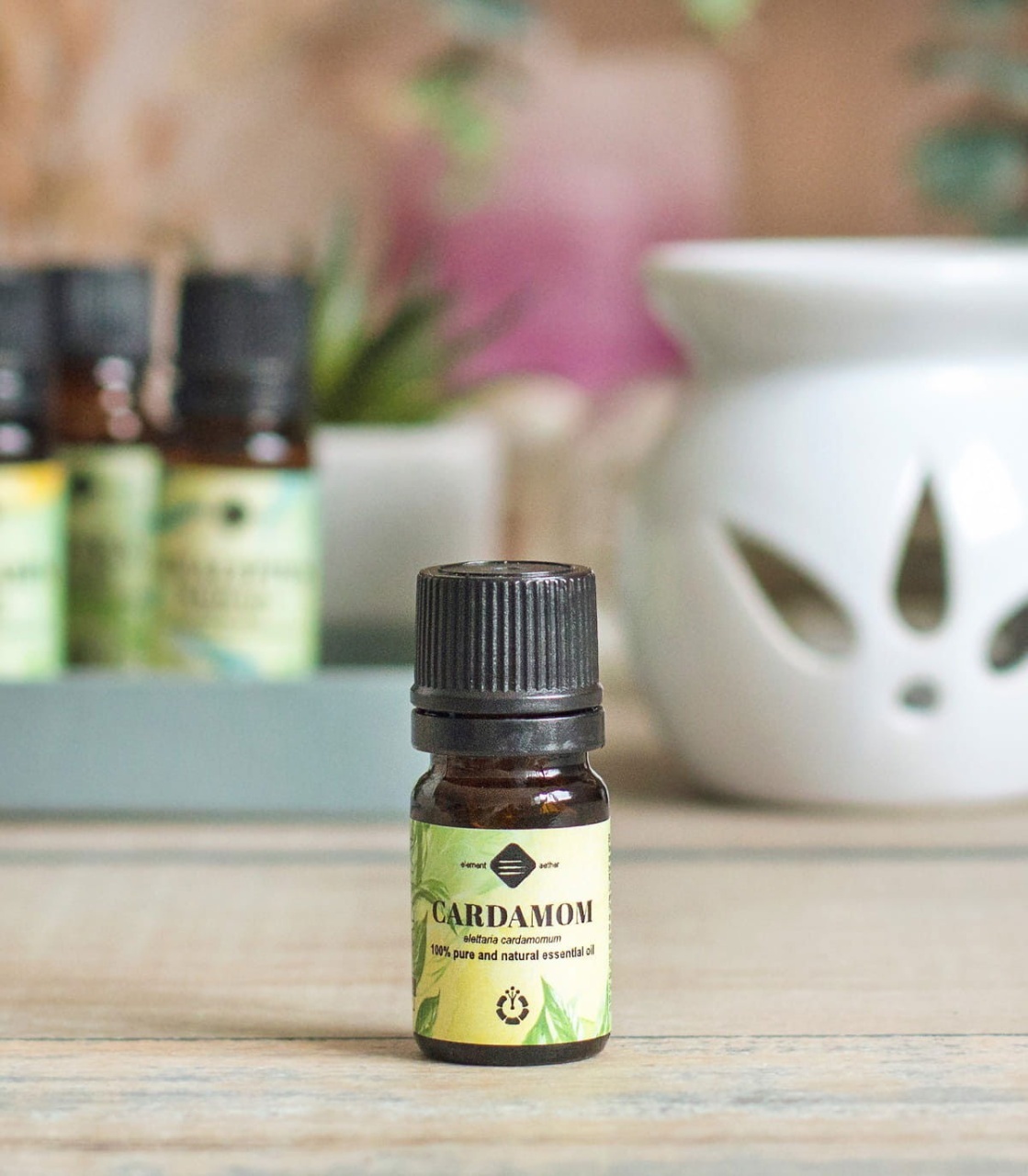
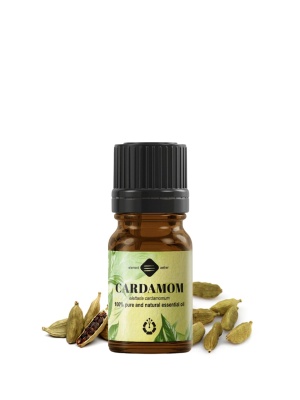
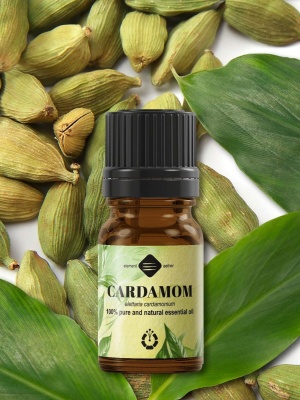
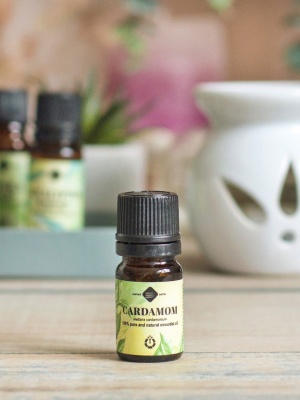
Cardamom (Elettaria cardamomum) is the precious spice of oriental perfumery and Ayurvedic aromatherapy, increasingly valued in cosmetics and wellness. Its warm, spicy-sweet aroma, with balsamic notes and a slightly woody undertone, is more subtle than Ginger and more complex than Anise, working as a sophisticated accent in any blend, especially oriental and spicy ones. Its main personal care applications are digestive and antispasmodic in abdominal massage, and as a fragrancing ingredient in premium products.
An oil that reveals itself in a blend much more than on its own. A drop of Cardamom elevates a blend or a perfume, adding depth, warmth, and a distinctive character.
air Olfactory profile: Warm, spicy-sweet, balsamic, with fine oriental notes, persistent.
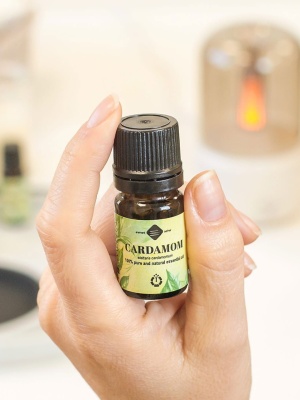
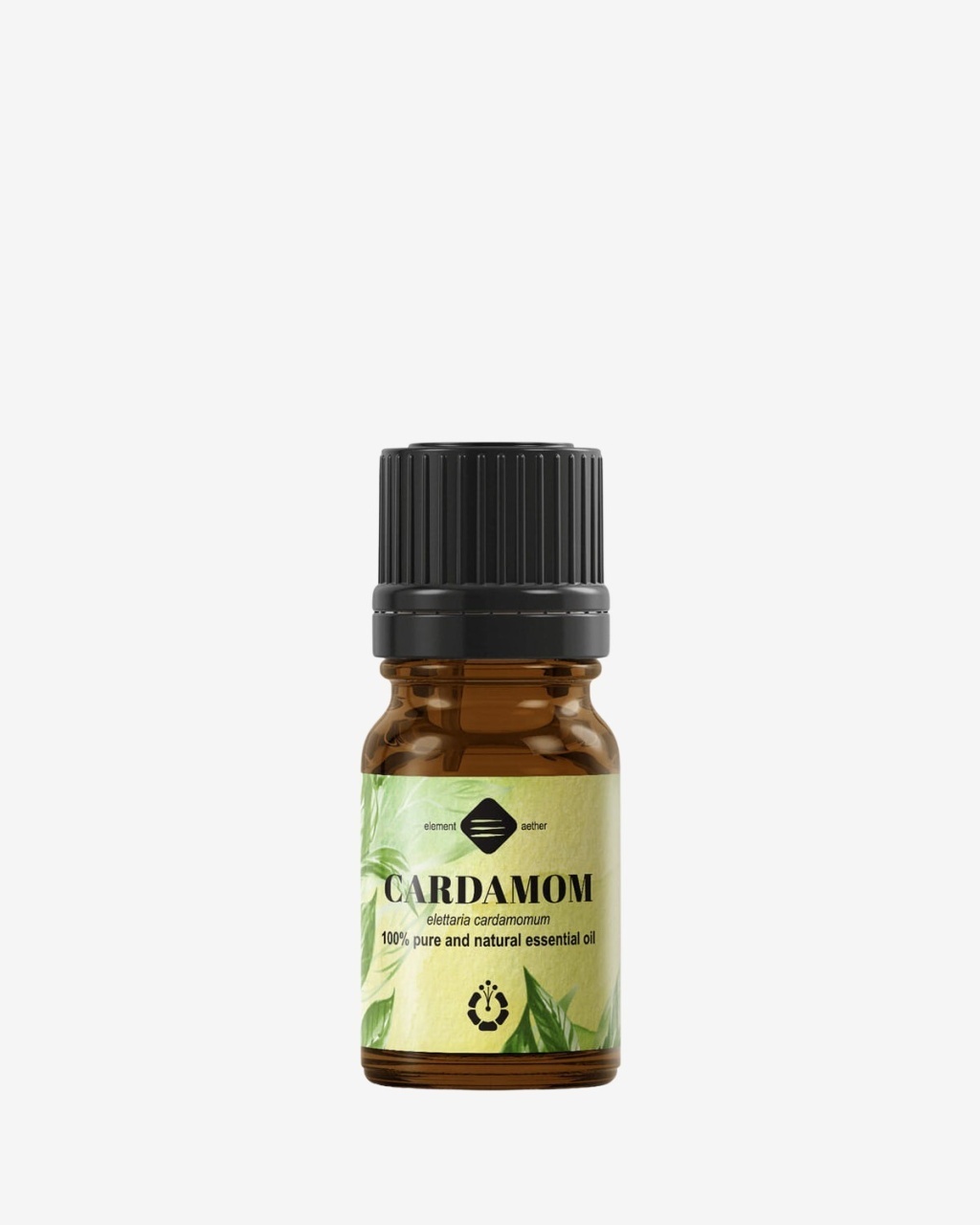
Ingredients: Cardamom Essential Oil (Elettaria Cardamomum Seed Oil)
100% pure and natural, E.O.B.B.D. botanically and biochemically defined, full spectrum, unfractionated, undiluted
Obtained by steam distillation from the seeds of Elettaria cardamomum
Digestive, antispasmodic: Ginger Essential Oil, Sweet Fennel Essential Oil, Coriander Essential Oil, Peppermint Essential Oil.
Tonic and rubefacient massage: Ginger Essential Oil, Black Pepper Essential Oil, St. John's Wort Oil.
Oriental and spicy perfumery: Sandalwood Essential Oil, Patchouli Essential Oil, Rose Absolute, Cinnamon Essential Oil, Peru Balsam Essential Oil.
Aromatherapy: Bergamot Essential Oil, Sweet Orange Essential Oil, Ylang-Ylang Essential Oil, Copaiba Essential Oil.
Cardamom essential oil is used exclusively as an ingredient in cosmetic preparations, perfumery, and aromatherapeutic compositions. Do not apply undiluted to the skin. Dose carefully, as it is persistent and can dominate finer blends.
Q: Why doesn't it smell extraordinary on its own, but makes all the difference in blends?
A: On its own, it can seem too intense or unbalanced. In combination with citruses, woodies, or florals, it brings precisely that warm-spicy note that simple blends lack.
Q: What is the difference compared to the Ginger essential oil in the Ellemental range?
A: Both are spicy and tonic, belonging to the same botanical family (Zingiberaceae), but with distinct profiles. Ginger is "hotter," dominated by sesquiterpanes with a deep anti-inflammatory action. Cardamom is sweeter and sharper, dominated by terpenic acetates with a more digestive and more aromatic profile. Ginger is chosen mainly for muscular and joint massage; Cardamom for digestive support and perfumery.
Product for cosmetic, aromatic, and perfumery use. Do not apply undiluted to the skin.
Store in a dry and cool place, away from direct sunlight. Keep out of reach of children.
For dilutions in accordance with legal regulations, consult the IFRA certificate attached to the product on the website.
Sensitive individuals should perform a tolerance test; perform a skin patch test in the bend of the elbow 24 hours before use. Avoid contact with eyes and sensitive mucous membranes. In case of an accident, rinse abundantly with a vegetable oil.
For use during pregnancy, breastfeeding, in case of chronic diseases, for the elderly, or for young children, the recommendation is to consult a doctor.
Write a valid review and earn loyalty points worth €0.40