






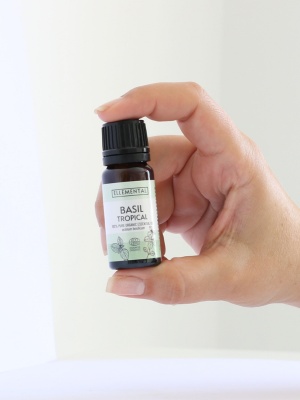
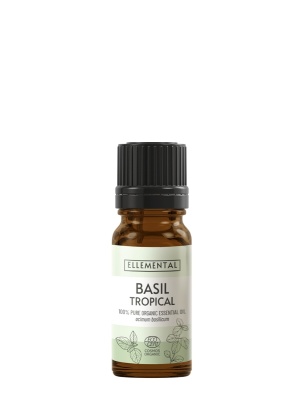
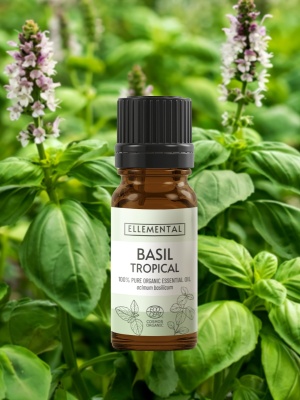

Formula: 33146 Difficulty level: beginner Shelf life: min 12 months Phase Ingredients Total 100 gr A Soy Wax 90,8 gr B Cosmetic pigment oxide 27 Violet 0,2 gr B Basil Tropical essential oil 1 gr B...
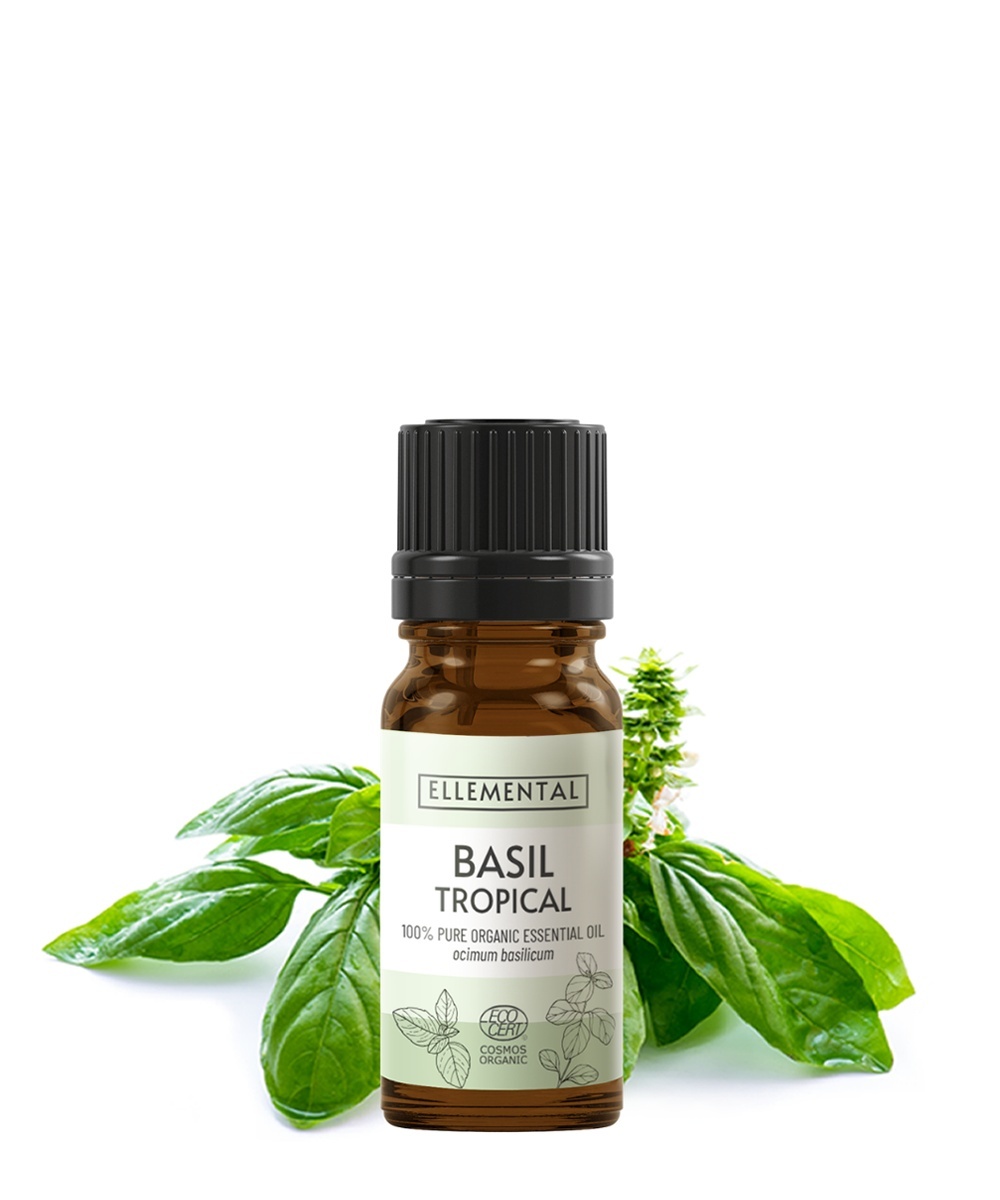
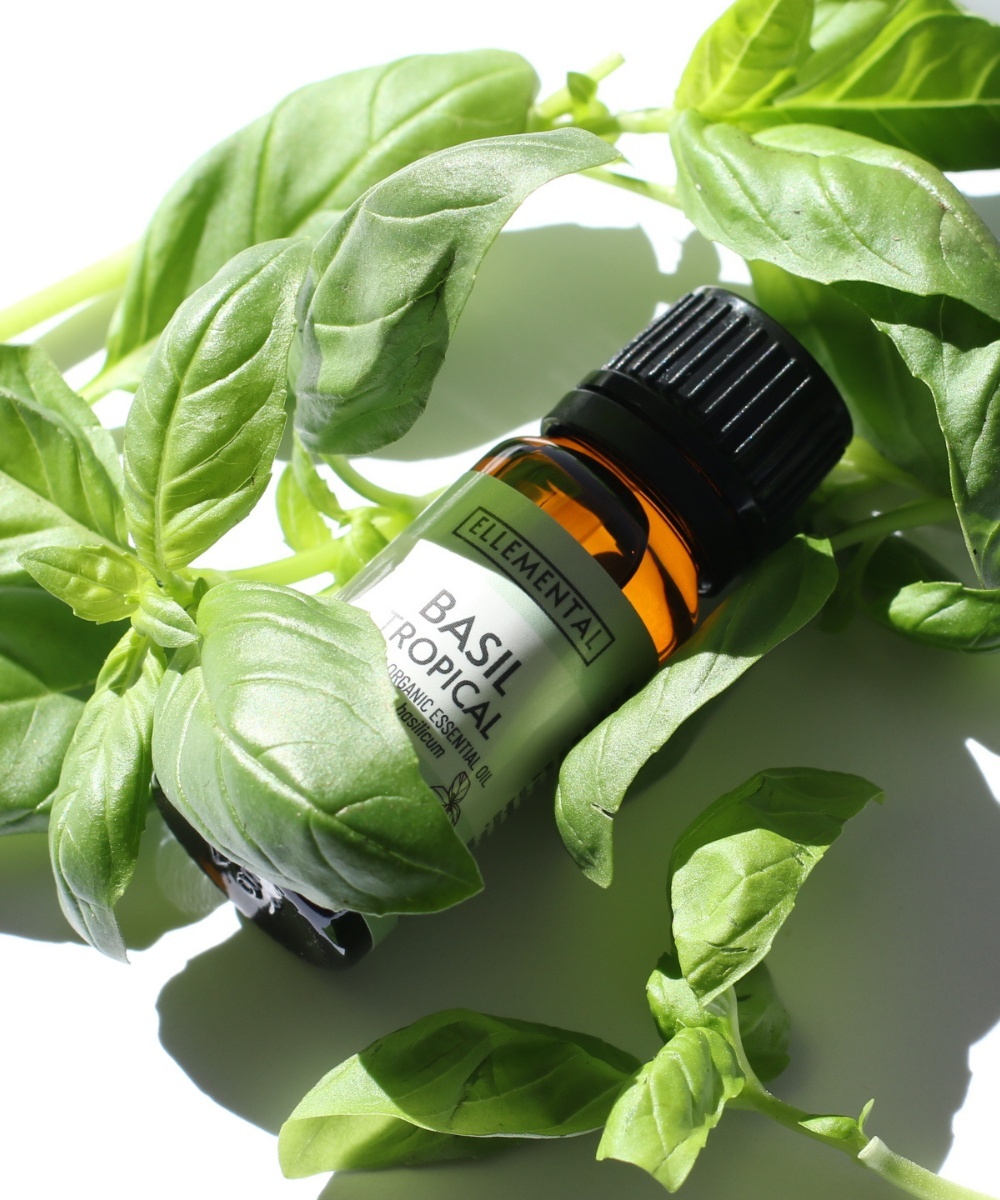
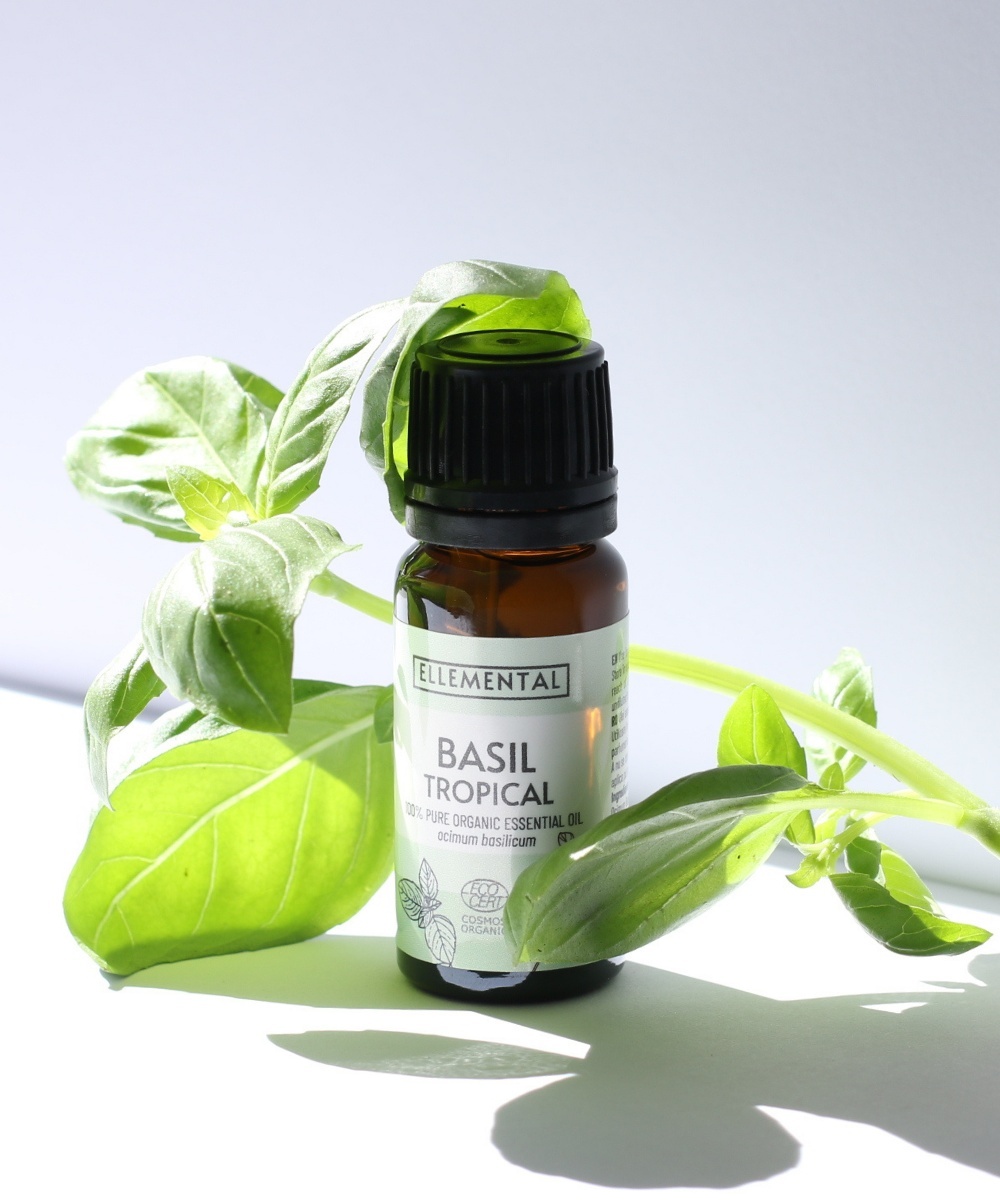
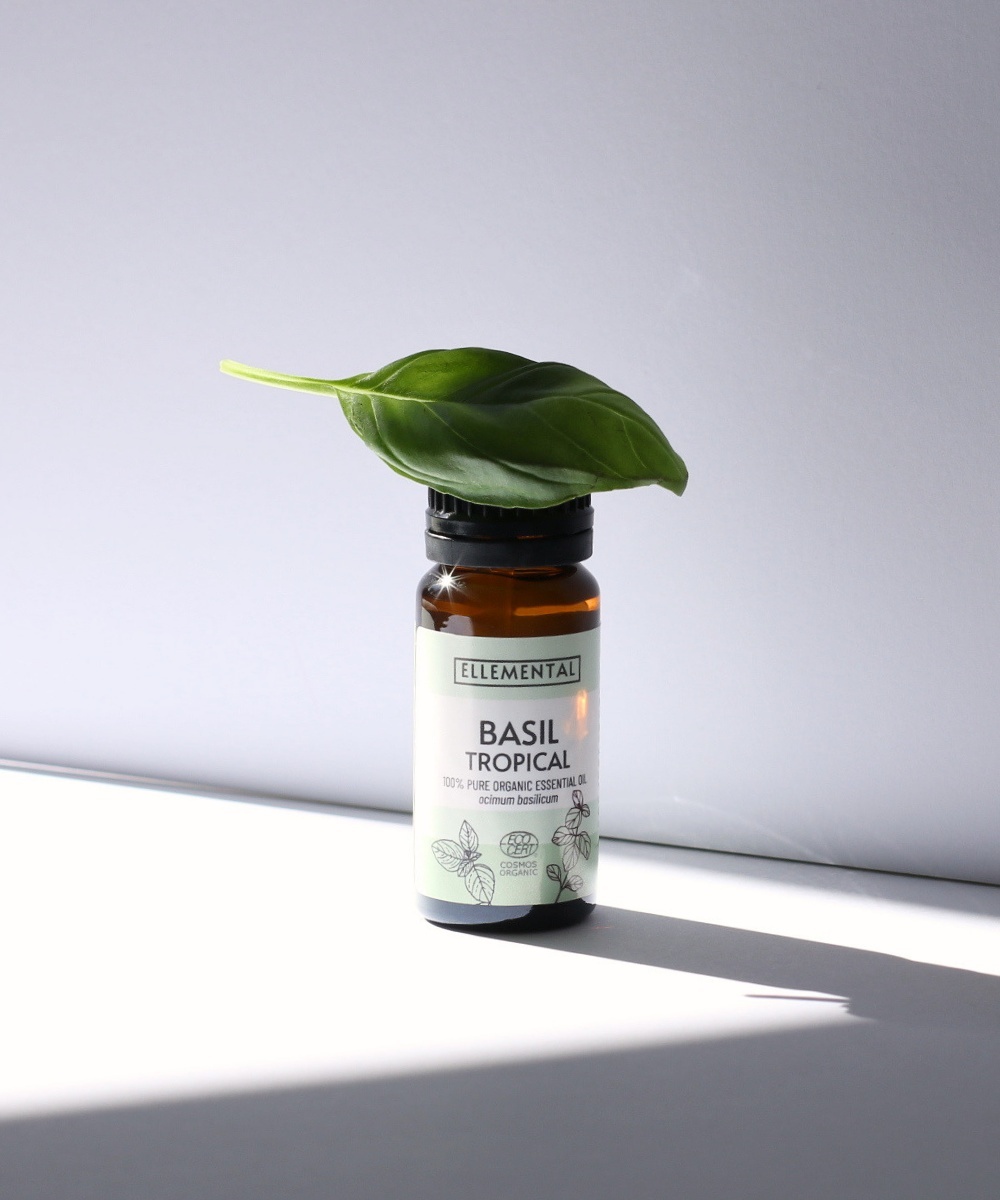
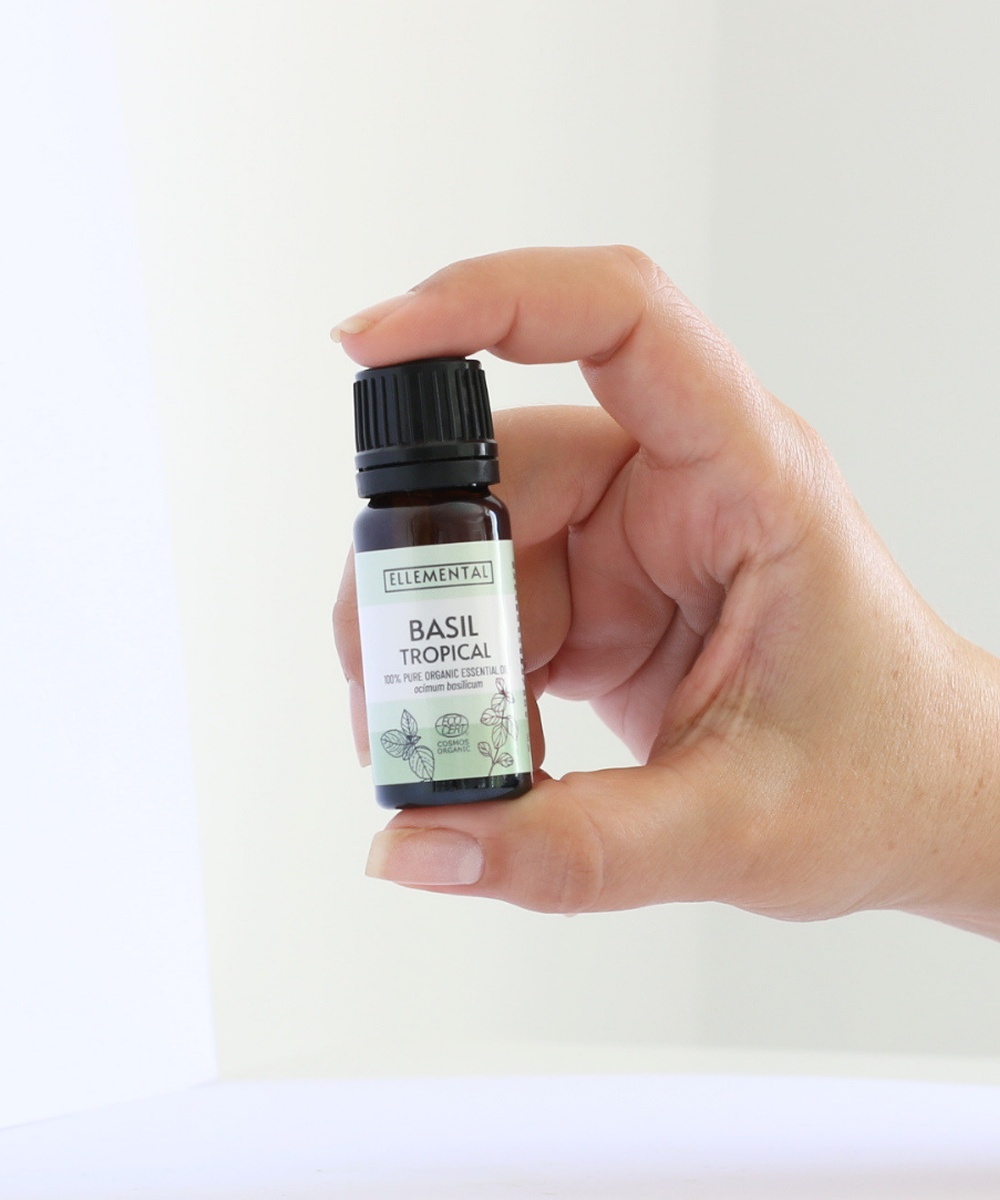
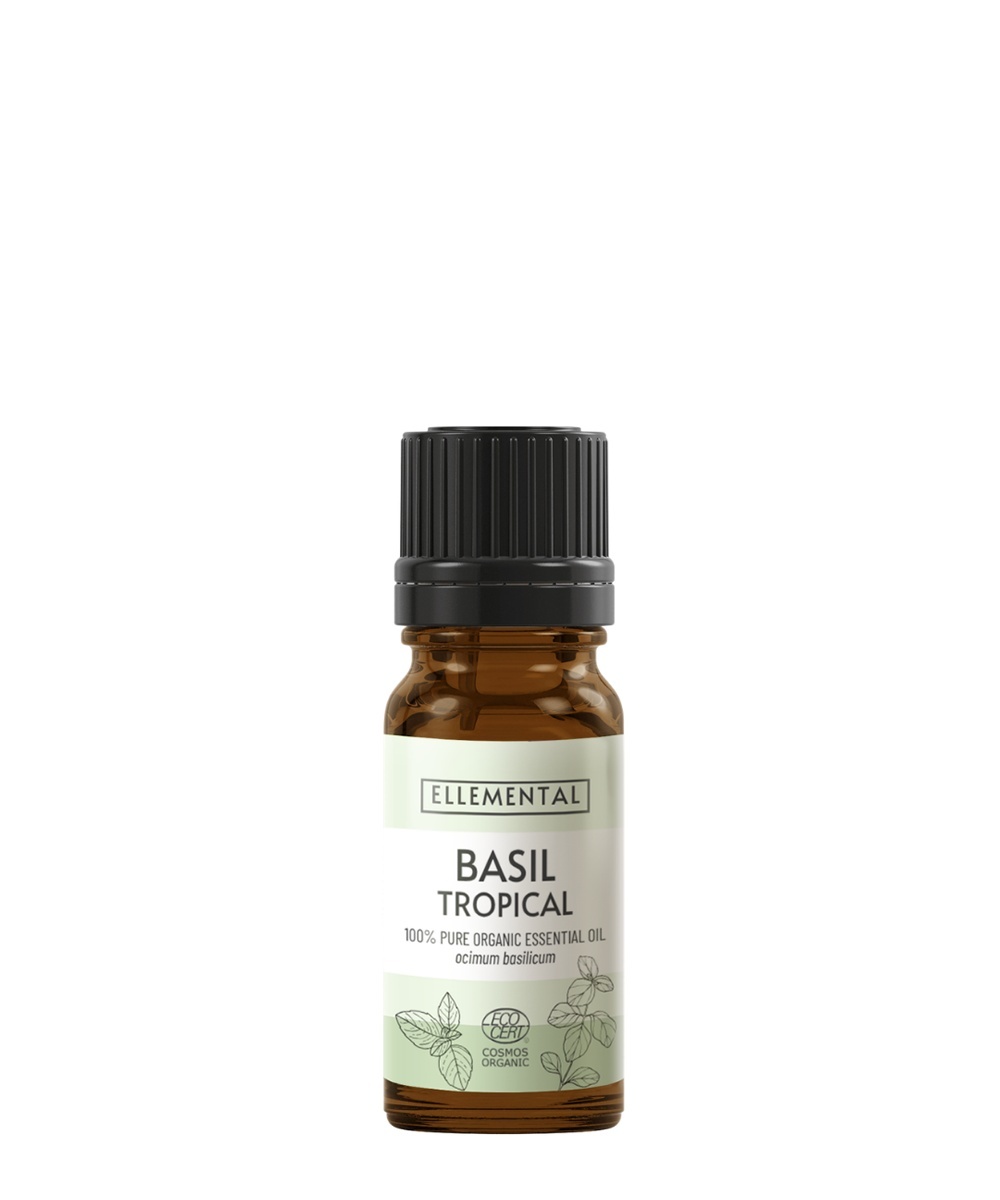
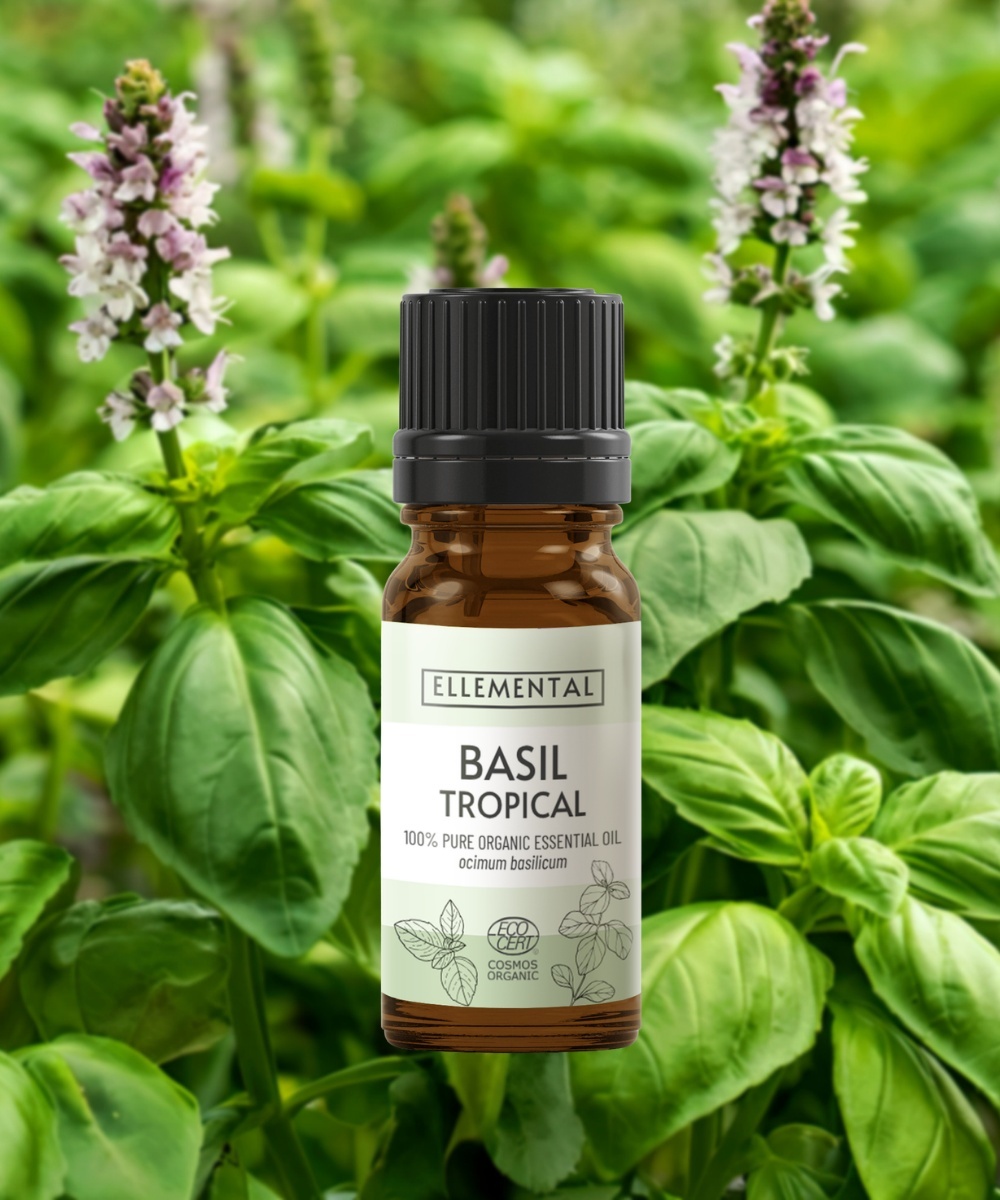
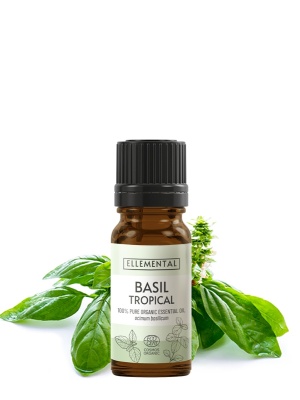
Tropical Basil (Ocimum basilicum CT Methylchavicol) is the more powerful and penetrating variant of the basil family, entirely different from sweet Mediterranean basil or the Linalool chemotype. Methylchavicol (estragole), its dominant compound, grants it an intense, spicy, and slightly aniseed aroma, along with a predominantly antispasmodic and nervous tonic profile, highly valued in traditional aromatherapy for states of tension, contractures, and chronic fatigue. It is an aromatherapy oil par excellence- less oriented toward cosmetics, and more toward targeted intervention.
air Olfactory profile: Powerfully herbaceous, spicy, sweetish, and slightly aniseed. A top-to-middle note with good persistence.
Ingredients: Tropical Basil Essential Oil (Ocimum Basilicum Oil)
*100% of the total ingredients come from organic farming
COSMOS ORGANIC certified by Ecocert Greenlife in accordance with the COSMOS standard
100% pure and natural, E.O.B.B.D., full spectrum, unfractionated, undiluted
Obtained by steam distillation from the aerial parts · CT: Methylchavicol
Antispasmodic, muscle, and cramp massage: Marjoram Essential Oil, Copaiba Essential Oil, Organic Lavender Essential Oil, St. John's Wort Oil, Arnica Oil.
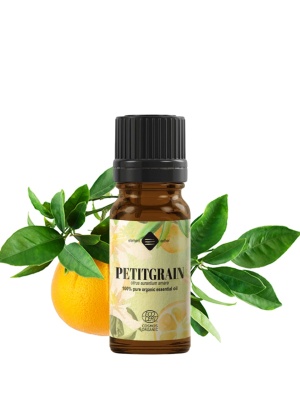
Nervous tonic and balance (diffuser): Organic Petitgrain Essential Oil, Copaiba Essential Oil, Litsea Cubeba Essential Oil, Bergamot Essential Oil.
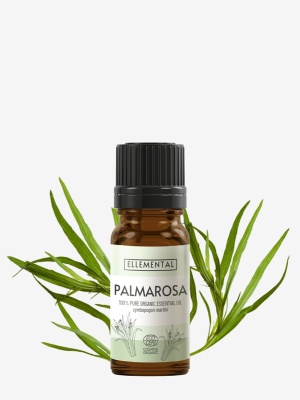
Natural deodorant: Organic Palmarosa Essential Oil, Organic Petitgrain Essential Oil, Manuka Essential Oil, Sage Essential Oil.
Perfumery: Organic Petitgrain Essential Oil, Bergamot Essential Oil, Litsea Cubeba Essential Oil, Organic Cedarwood Atlas Essential Oil.
Organic Tropical Basil Essential Oil is used exclusively as an ingredient in cosmetic preparations and aromatherapeutic compositions, in small concentrations and for short periods. Do not apply undiluted to the skin. Use with prudence. For dosages, consult the IFRA certificate attached to the product.
Q: What is the difference between CT Methylchavicol and CT Linalool, why does the chemotype matter?
A: They feature completely different profiles. CT Linalool is gentle and sweet, with wide cosmetic use. CT Methylchavicol, this one, is dominated by estragole, a powerful phenylpropanoid with remarkable antispasmodic properties but stricter usage restrictions. Its aroma is more intense, its primary application lies within aromatherapy and massage, and its usage periods must be short. They are not interchangeable.
Q: Why is it recommended to use it for short periods only?
A: Methylchavicol belongs to the phenylpropanoid class, a category of compounds with high biological activity that can be problematic at high doses or during prolonged use. At the correct cosmetic dosages in compliance with IFRA, the oil is safe. However, the precautionary principle suggests using it in cycles: a few days of active use followed by a break, similar to other oils with a high phenylpropanoid content.
Q: The scent is very different from culinary basil, is it the same product?
A: It is the same botanical genus (Ocimum basilicum), but a different chemotype and origin. The culinary basil we know from the kitchen is generally CT Linalool or CT Eugenol, featuring a sweeter, more familiar aroma. CT Methylchavicol possesses a more penetrating aroma; you recognize the basil character, but you might not expect it to be this intense.
Botanical name: Ocimum basilicum L.
INCI: Ocimum Basilicum Oil
Botanical family: Lamiaceae
Chemotype: CT Methylchavicol
Obtaining method: steam distillation from the aerial parts
Certification: COSMOS ORGANIC · Ecocert Greenlife · E.O.B.B.D.
Product for cosmetic, aromatic, and perfumery use. Do not apply undiluted to the skin.
Use for short intervals, with breaks.
Store in a dry and cool place, away from direct sunlight. Keep out of reach of children.
For dilutions in accordance with legal regulations, consult the IFRA certificate attached to the product on the website.
Sensitive individuals should perform a tolerance test; perform a skin patch test in the bend of the elbow 24 hours before use. Avoid contact with eyes and sensitive mucous membranes. In case of an accident, rinse abundantly with a vegetable oil.
For use during pregnancy, breastfeeding, in case of chronic diseases, for the elderly, or for young children, the recommendation is to consult a doctor.

Write a valid review and earn loyalty points worth €0.40