






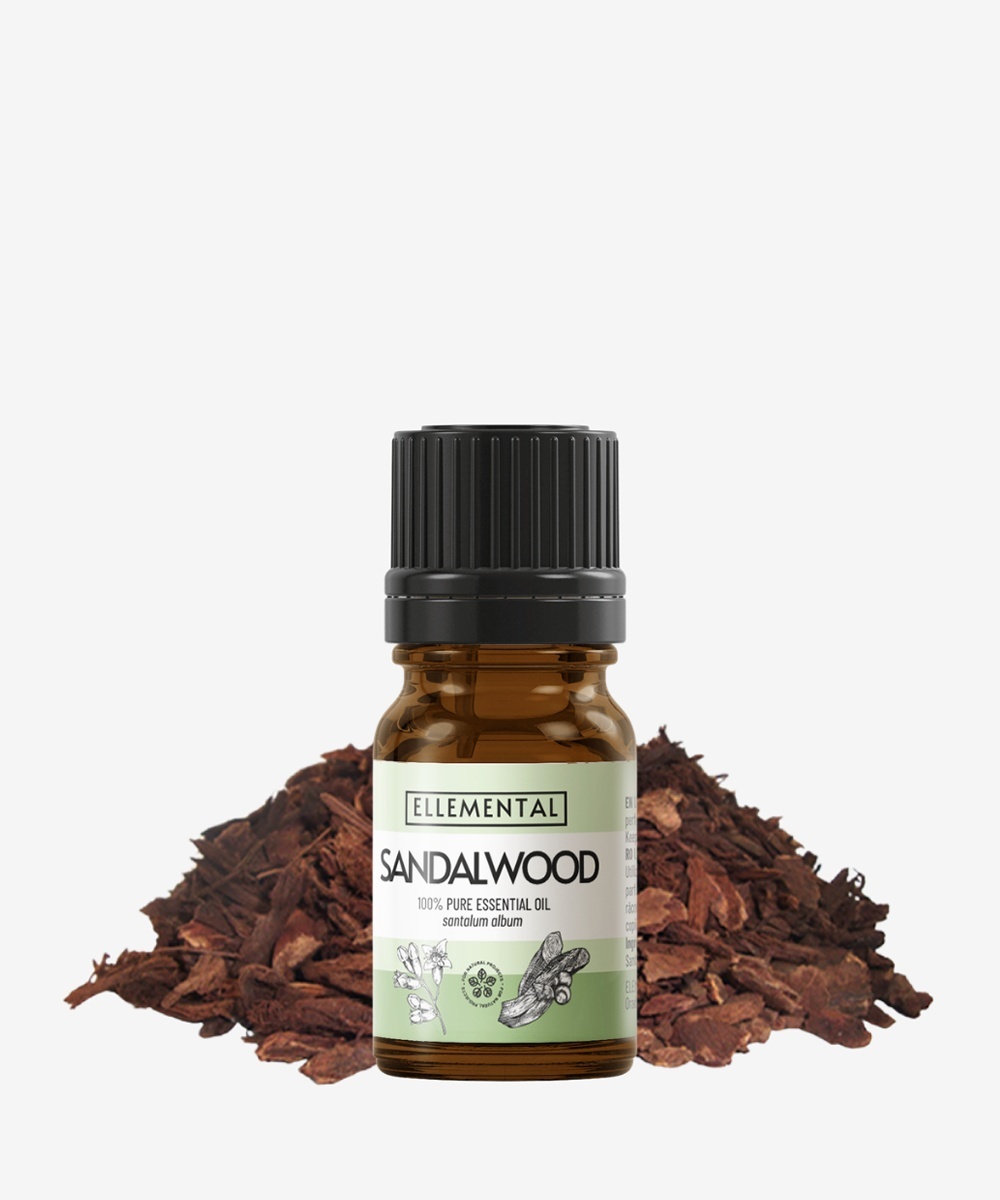
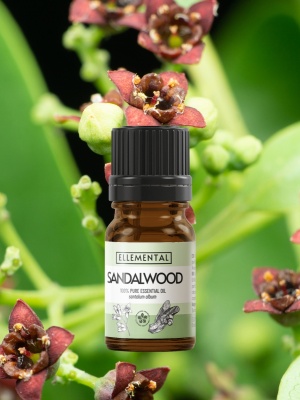
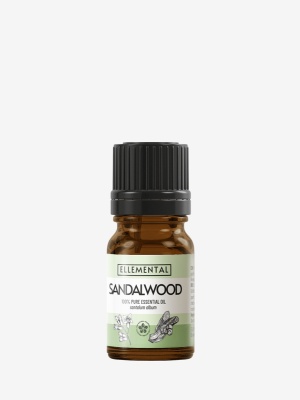
Sandalwood essential oil
Description
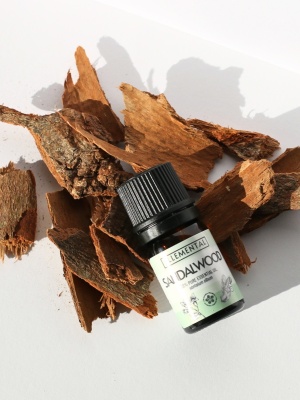
Sandalwood (Santalum album) is one of the benchmark ingredients in perfumery and aromatherapy. It is not an acute intervention oil, but rather a deep-reaching ingredient: cosmetically, it works on dry, mature skin with a nourishing effect; aromatherapeutically, it induces a state of calm and mental clarity; and in perfumery, it is the base note that anchors any composition and extends it over time.
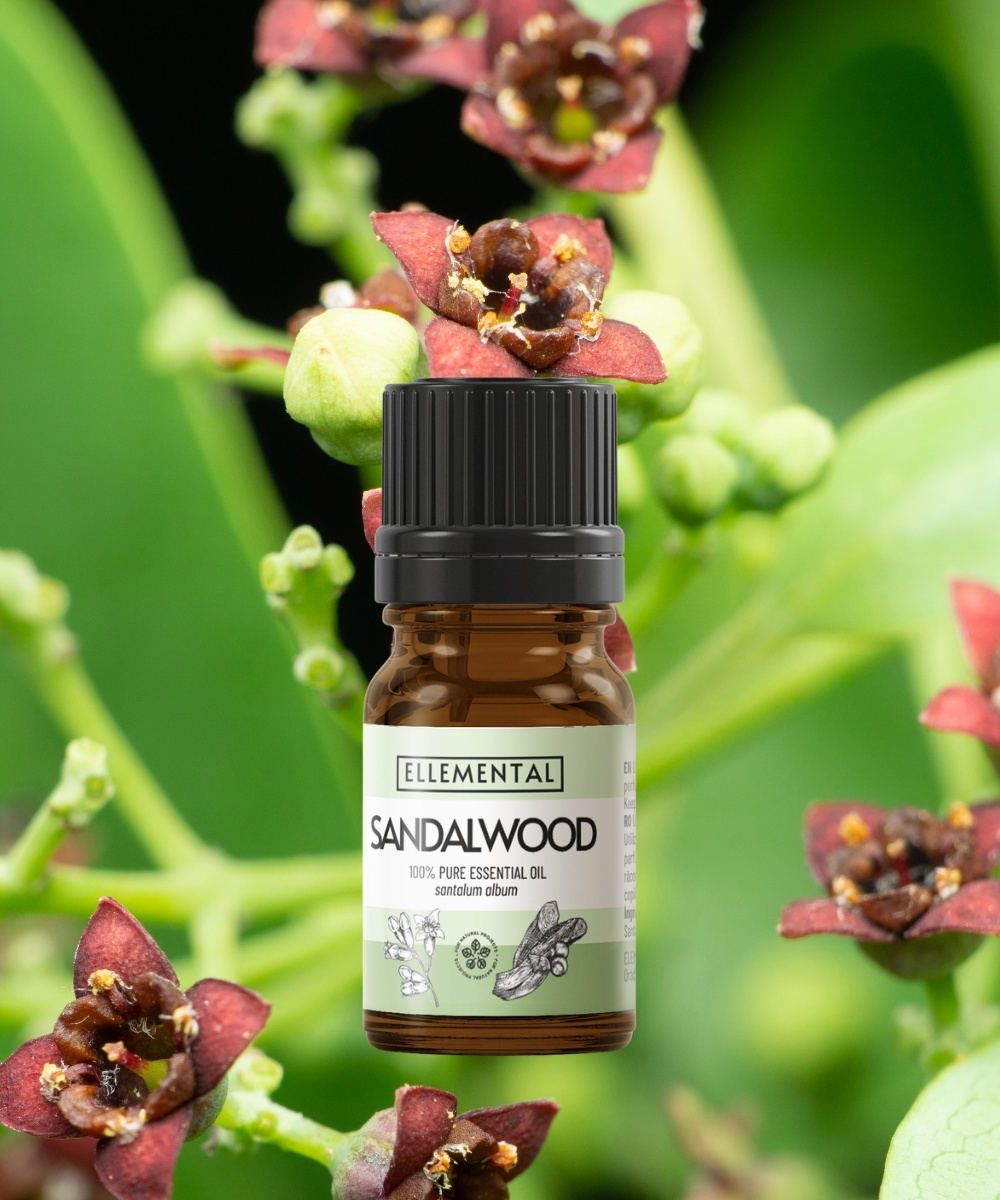
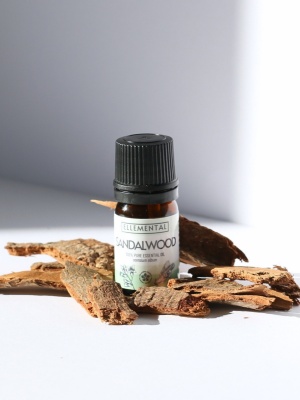
It is obtained from the heartwood of the adult tree, a source with an optimal content of santalols. The Sandalwood tree is semi-parasitic and grows extremely slowly: a minimum of 30 years, preferably 50-60, is required to produce an oil with a complete biochemical profile. This explains the cost of this precious oil. It matures over time, and the aroma becomes rounder and more complex with age.
air Olfactory profile: Warm woody, creamy, balsamic, with milky notes and a discreet amber background. Timid upon opening the bottle, it reveals itself beautifully on the skin and with warmth, becoming increasingly complex. A base note with exceptional longevity.
Ingredients: Sandalwood Essential Oil (Santalum Album Oil)
100% pure and natural, E.O.B.B.D. botanically and biochemically defined, undiluted, unrectified
Obtained by steam distillation from the wood of Santalum album
encrypted_add_circle Cosmetic Properties and Benefits
- Nourishing and emollient: Santalols form a fine occlusive film that retains moisture in the superficial layers of the skin, contributing to a velvety and smooth appearance of dry, mature, or dehydrated skin. A precious ingredient in rich creams, oily serums, and after-shave products.
- Skin soothing: Used for the care of skin with redness, contact irritations, and mild dermatitis - a 2014 study documented the ability of santalols to reduce inflammatory markers (cytokines) in the skin.
- Venous tonic and lymphatic decongestant: Useful in the massage of areas with slow peripheral circulation, heavy legs, and venous stasis, acting as an ingredient in massage oils with a veno-tonic profile.
- Astringent and purifying: Contributes to a refined appearance of skin with visible pores or imperfections, and is also suitable for acne-prone skin.
- Fixative in fragranced cosmetic formulations: Just as in perfumery, santalols fix and extend the aroma of other essential oils included in cosmetic products.
air_freshener Aromatherapeutic Properties
- Sedative and anxiolytic: Alpha-santalol acts on the central nervous system with a clinically documented sedative effect, traditionally used for states of anxiety, insomnia, and nervous exhaustion. One study documented that alpha-santalol simultaneously generates high attentiveness and relaxation - a rare dual profile.
- Meditation and spiritual grounding: Used for millennia in Buddhist, Hindu, and Islamic rituals as a sacred ingredient for concentration and reflection. Its aroma "slows down" the restless mind without putting it to sleep - a perfect balance for active meditation.
- Aphrodisiac and comforting: Traditionally used for states of emotional disconnection and low libido, serving as an ingredient in sensual blends and intimacy rituals.
- Gentle respiratory support: Santalols have a documented mild bronchodilator effect, traditionally used in chest massage for respiratory comfort during dry coughs and congestion.
hub Recommended Synergies
Mature, dry skin: Rose Absolute, Neroli Essential Oil, Frankincense Essential Oil, Argan Oil, Oat Oil, Organic Camellia Oil.
After-shave, masculine care: Virginia Cedarwood Essential Oil, Organic Petitgrain Essential Oil, Bergamot Essential Oil, Organic Jojoba Oil, Squalane.
Veno-tonic massage, heavy legs: Cypress Essential Oil, Lemon Essential Oil, Immortelle Essential Oil, Tamanu Oil, Comfrey Oil.
Meditation, anxiety, and sleep: Vetiver Essential Oil, Frankincense Essential Oil, Myrrh Essential Oil, Lavender Essential Oil.
Perfumery - benchmark woody base note: Rose Absolute, Ylang-Ylang Essential Oil, Patchouli Essential Oil, Bergamot Essential Oil, Vetiver Essential Oil.
Practical Applications and DIY Recipes
Sandalwood essential oil is used exclusively as an ingredient in cosmetic preparations, aromatherapeutic compositions, or natural perfumes. Do not apply undiluted to the skin. It matures over time. For maximum dosages, consult the IFRA certificate attached to the product.
face Face Care
- Anti-aging night serum for mature skin: A few drops of Sandalwood and a few of Neroli, diluted in Argan Oil.
- Cream for fragile skin: A few drops of Sandalwood and a few of Roman Chamomile, incorporated into Organic Camellia Oil or a neutral cream base. Also suitable for skin prone to eczema and redness.
- After-shave oil: A few drops of Sandalwood and a few of Cedarwood Virginia and Bergamot, diluted in Organic Jojoba Oil. Fast absorption without a greasy feel, featuring a woody-oriental fragrance.
digital_wellbeing Body Care
- Premium body butter: A few drops of Sandalwood and a few of Grapefruit FCF and Geranium, incorporated into Shea Butter. Applied particularly to dry areas for a deep nourishing effect.
- Veno-tonic massage oil: A few drops of Sandalwood, a few of Cypress, and a few of Organic Lemon FCF Essential Oil, diluted in Caprilis Oil. Massage upward on the calves.
- Soothing chest balm: A few drops of Sandalwood and a few of Frankincense or Chamomile, incorporated into Mango Butter. Applied to the chest and back through gentle massage - comforting for evenings with a dry cough.
air_freshener Aromatherapy & Diffusion
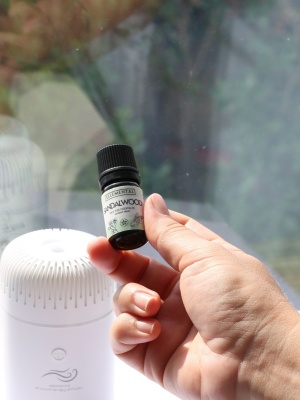
- "Meditation" Blend: Sandalwood + Frankincense + Myrrh in the diffuser. The classic sacred trio, with Sandalwood providing the warm woody foundation, Frankincense the elevation, and Myrrh the earthy anchoring.
- "Active Peace" Blend: Sandalwood + Bergamot + Lavender. Brighter and more accessible than blends with resins, highly suitable for the evening or for periods of anxiety and stress.
- Personal roll-on: A few drops of Sandalwood, a few of Ylang-Ylang, and a few of Bergamot in Caprilis within a 10 ml roller bottle. An oriental-floral personal perfume applied to pulse points.
fragrance DIY Perfumery
- Fixative and reference base note: Sandalwood is the base note that perfumers consider exceptionally versatile in the natural palette, it integrates into any structure, anchors volatile notes, and adds warmth without dominating. It transforms any composition into a memorable one. It combines with resins (Frankincense, Myrrh), florals (Rose Absolute, Ylang-Ylang), woods (Vetiver, Cedarwood), or citruses (Bergamot) with the same elegance.
Questions and Answers (FAQ)
Q: I open the bottle and can barely smell anything. Is this normal?
A: Completely normal, and it is one of the defining traits of Sandalwood. Santalol molecules are large and heavy, with low volatility, they do not "explode" olfactorily upon opening the bottle the way citruses or lavender do. The aroma reveals itself on the skin, through body heat, or in a diffuser. A few minutes after application, Sandalwood becomes more present, rounder, and warmer.
Q: What is the difference between Santalum album (Indian/Australian) and other sandalwood species?
A: Santalum album is the benchmark standard, high in alpha- and beta-santalol content, with a creamier and more persistent aroma, and extensively documented therapeutic properties. Santalum spicatum (Australian) has a drier, woodier aroma with a distinct olfactory profile. Other species (S. austrocaledonicum, S. paniculatum) present even more varied profiles.
Technical Data, Warnings
Product for cosmetic, aromatic, and perfumery use. Do not apply undiluted to the skin.
Store in a dry and cool place, away from direct sunlight. Keep out of reach of children.
Note: the oil matures over time, an increase in viscosity or a rounder aroma with age are natural behaviors, not signs of deterioration.
For dilutions in accordance with legal regulations, consult the IFRA certificate attached to the product on the website.
Sensitive individuals should perform a tolerance test; perform a skin patch test in the bend of the elbow 24 hours before use. Avoid contact with eyes and sensitive mucous membranes. In case of an accident, rinse abundantly with a vegetable oil.
For use during pregnancy, breastfeeding, in case of chronic diseases, for the elderly, or for young children, the recommendation is to consult a doctor.
Bibliography and Sources
- Tisserand, R., & Young, R. - Essential Oil Safety (2nd ed.) - safety profile and usage limits for Santalum album.
- Moy, R. L., & Levenson, C. - “Sandalwood album oil as a botanical therapeutic in dermatology” (Journal of Clinical and Aesthetic Dermatology, 2017) - clinical study on the dermatological applications of Sandalwood oil.
- Dwivedi, C., & Abu-Ghazaleh, A. - “Chemopreventive effects of sandalwood oil on skin papillomas in mice” (European Journal of Cancer Prevention, 1997) - alpha-santalol activity in skin prevention, documented in animal models.
- Hongratanaworakit, T. - “Relaxing effect of rose oil on humans” / works on the olfactory effects of santalols on the nervous system - clinical studies regarding the effect of alpha-santalol on attention and relaxation (Planta Medica).
- Baldovini, N. et al. - “Phytochemistry of the heartwood from fragrant Santalum species: a review” (Flavour and Fragrance Journal, 2011) - a comprehensive phytochemical review of Santalum species.
Details
You'll like these too
Reviews
Write a valid review and earn loyalty points worth €0.40