






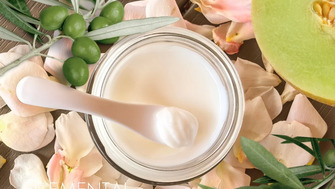
Formula: 47690 Difficulty Level: intermediate Shelf life: min 3 months Optimal pH: 5.0-6.0 Phase Ingredients Dosage % Total 100 g A Pure / distilled water 31.5 31.5 g A Pentiol Nat 5 5 g A SCI...
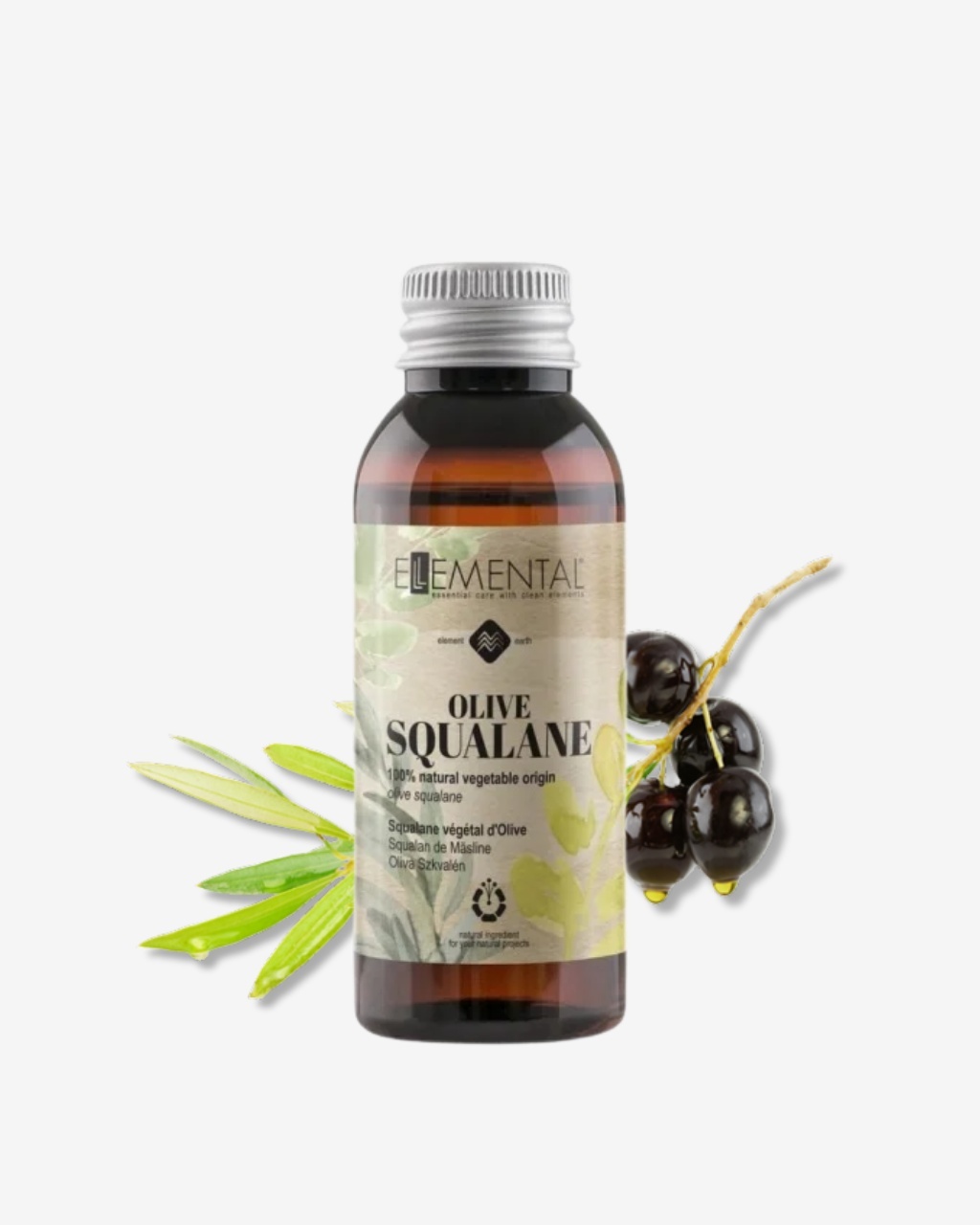
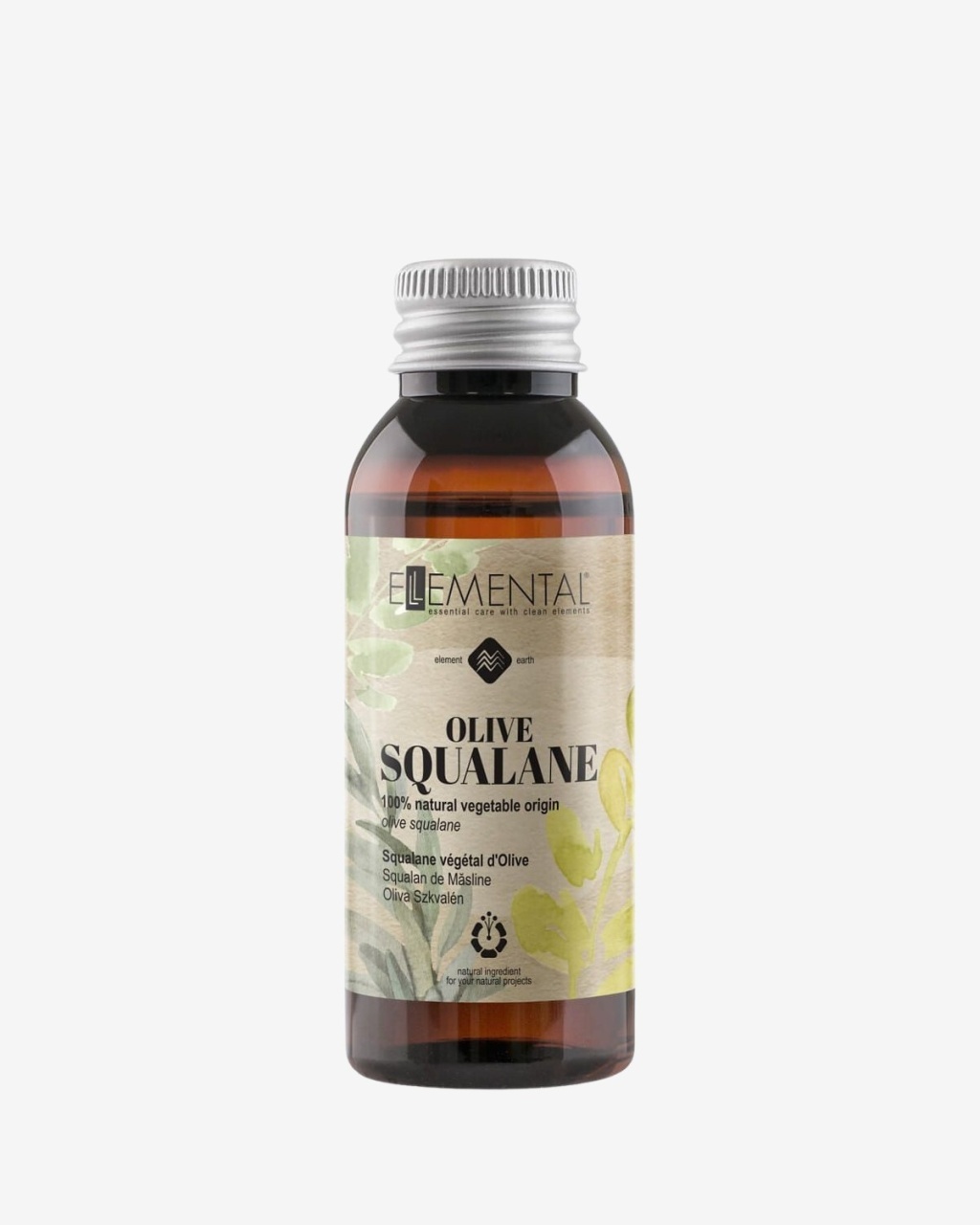
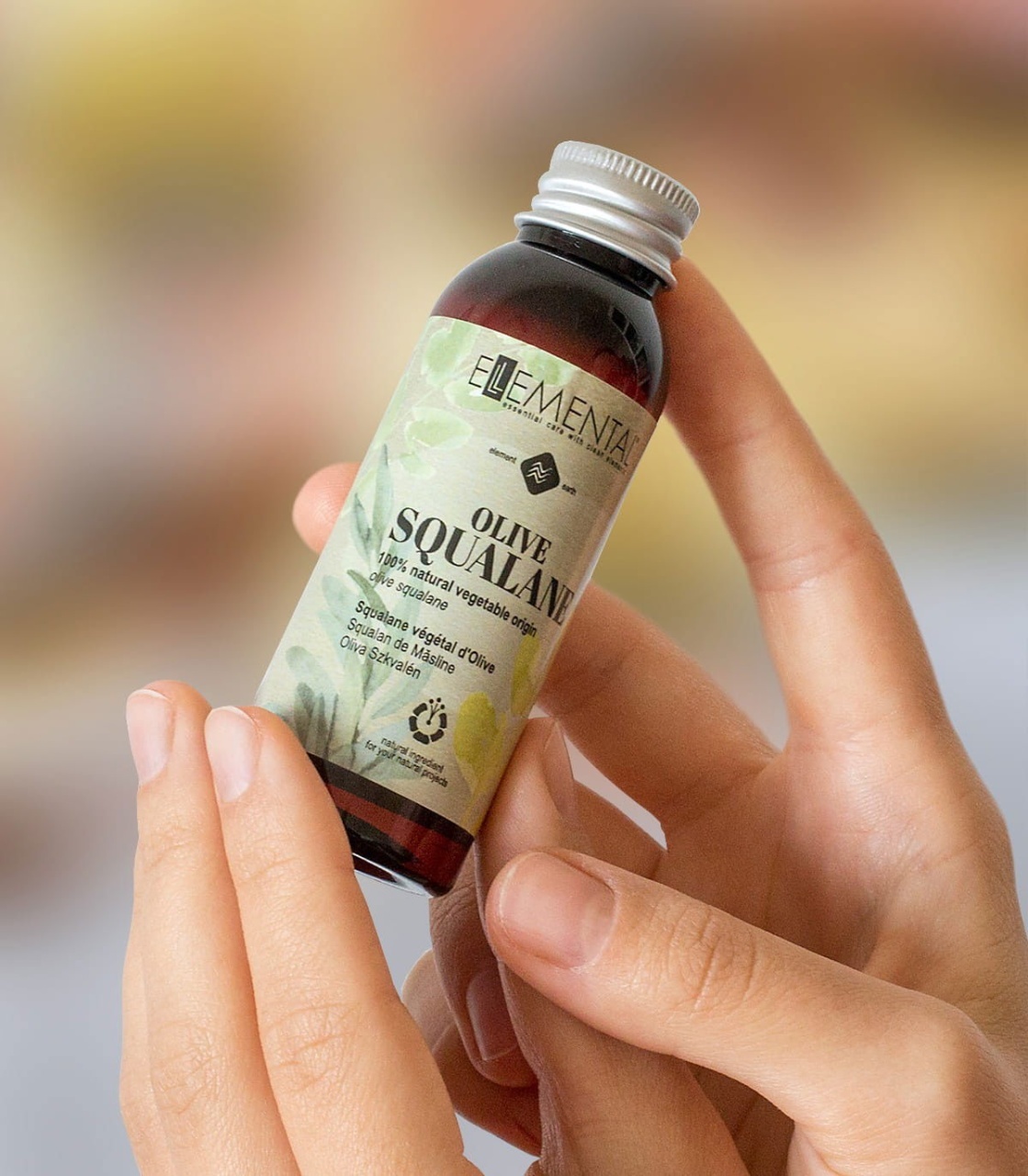
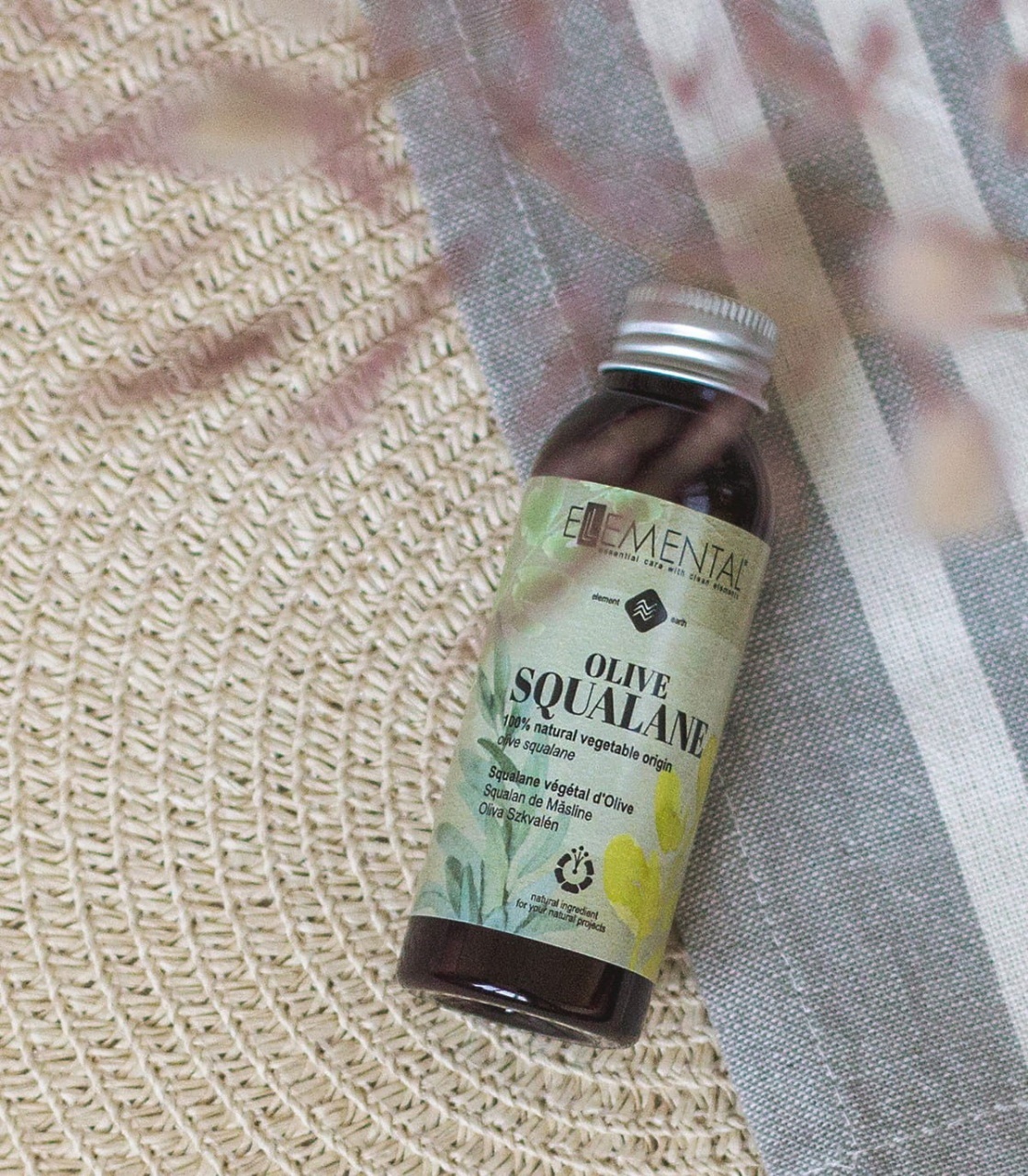
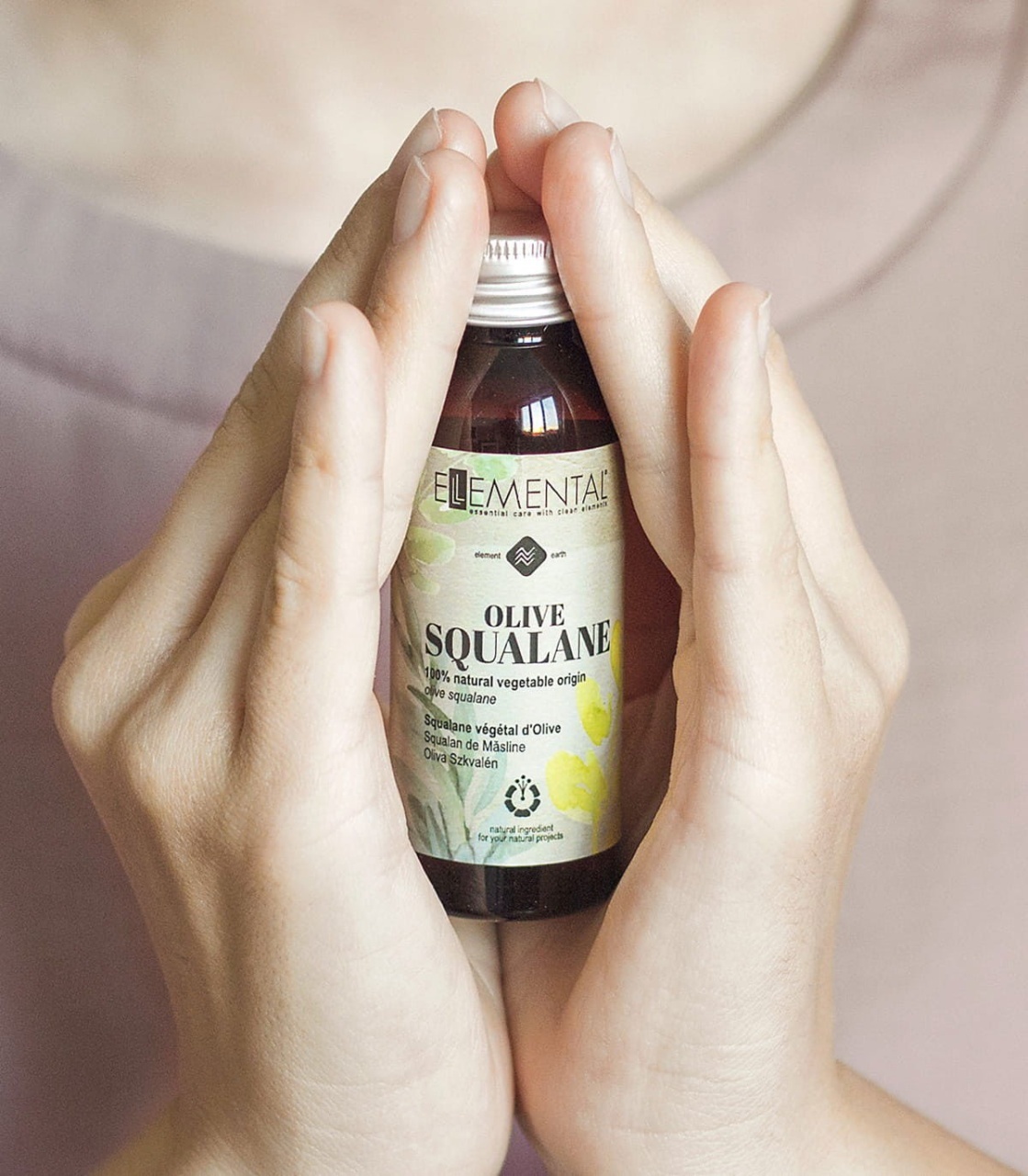
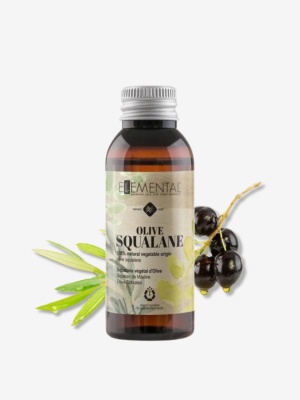
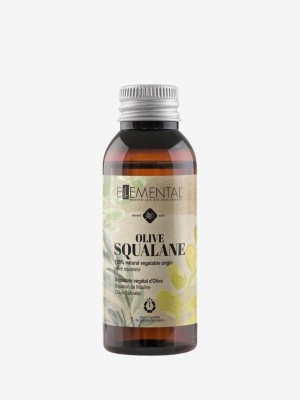
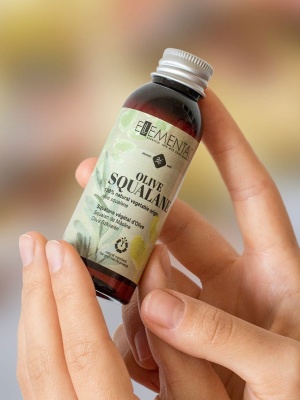
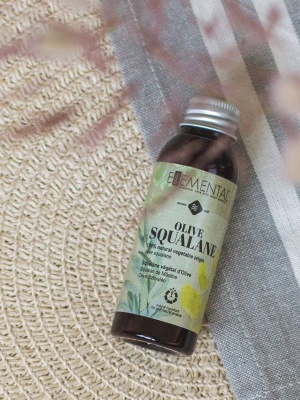
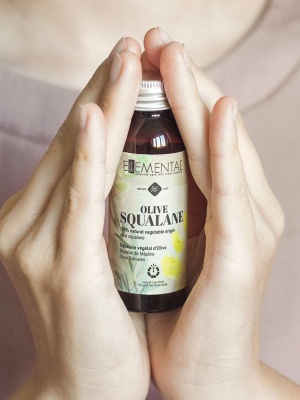
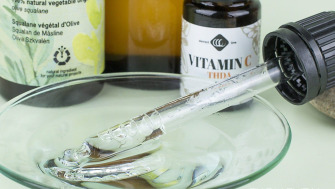
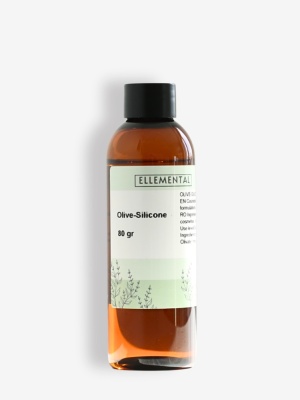
Olive squalane or Phytosqualane, as it is also called, is a biomimetic emollient with excellent skin compatibility, being a stable analogue of squalene, which is part of human sebum. It stands out for its silky texture of a "non-oily oil" that quickly penetrates the epidermis without clogging pores and without leaving a greasy or shiny feeling, making it suitable for all skin types, including combination or oily skin.
Squalane can be considered a superior vegetable alternative to synthetic silicones, offering a dry, silky sensory profile. It is stable to oxidation, does not easily turn rancid, and functions as an excellent vehicle for transporting other active substances deep into the skin, making it optimal for all skin types, from sensitive to acne-prone skin.
This emollient helps maintain the hydrolipid barrier, protecting the skin against dehydration and improving its elasticity. It is excellent for facilitating the absorption of other active ingredients into the tissues, being frequently included in facial serums, day creams, or hair treatments. Due to its high oxidation stability and lack of odor, it represents an ideal and safe base for formulas intended for sensitive skin or the area around the eyes.
Ingredients: Squalane
100% of the total ingredients are of natural origin. Vegan product, free of additives.
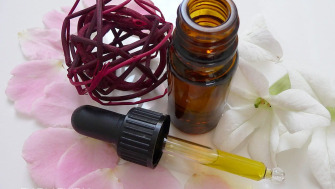
Facial serum: Apply 2-3 drops directly onto clean and slightly damp skin, morning or evening, to seal in hydration.
Facial oil for oily skin: Use it in the evening as a replacement for heavy creams. It regulates sebum secretion through a negative feedback mechanism (the skin senses it is hydrated and stops producing excess sebum).
Base for oil serums: Used as the main vehicle in which fat-soluble actives, cosmetic vitamins, or essential oils are dissolved.
Ingredient in emulsions: Included in the oil phase of compositions to create light day creams, fine lotions, or body milns.
Cuticle care: Massage the nail and cuticle daily with a drop of squalane to prevent dryness.
Hair smoothing: Distribute a few drops onto lengths and ends, on damp or dry hair, to smooth and add shine.
What is the difference between Squalene and Squalane?
Squalene is naturally present in human sebum, olive oil, or shark liver oil - chemically unstable, it oxidizes quickly upon contact with air/light.
Squalane is the saturated form of squalene - this process makes it stable while preserving its emollient qualities; it is the form used almost exclusively in cosmetics.
Can squalane clog pores like olive oil?
No. Vegetable squalane is considered completely non-comedogenic. Having a structure similar to skin lipids, it is safe for combination, oily, or blemish-prone skin.
Safety in use
Cosmetic product for external use only. Do not ingest. Avoid contact with eyes.
Storage, preservation
Keep the bottle closed, in a cool place, away from direct light.

Write a valid review and earn loyalty points worth €0.40