


Formula: 1046 Difficulty level: beginner Shelf life: min 6 months pH optimal: - Phase Ingredients Total ~50 gr A Mango butter 37 gr B Hemp oil 12 gr B Rosemary extract 3 drops B Lavender essential...
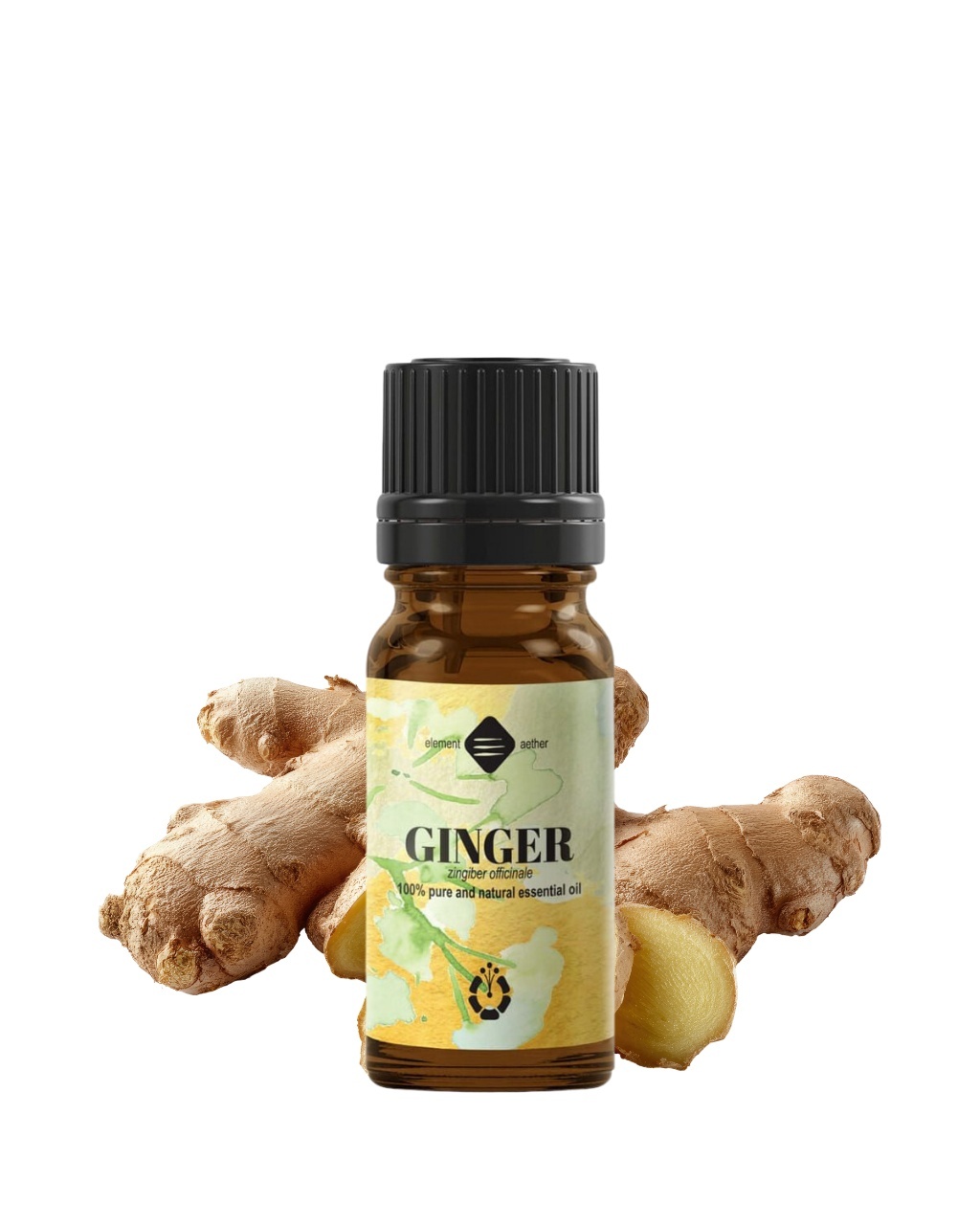
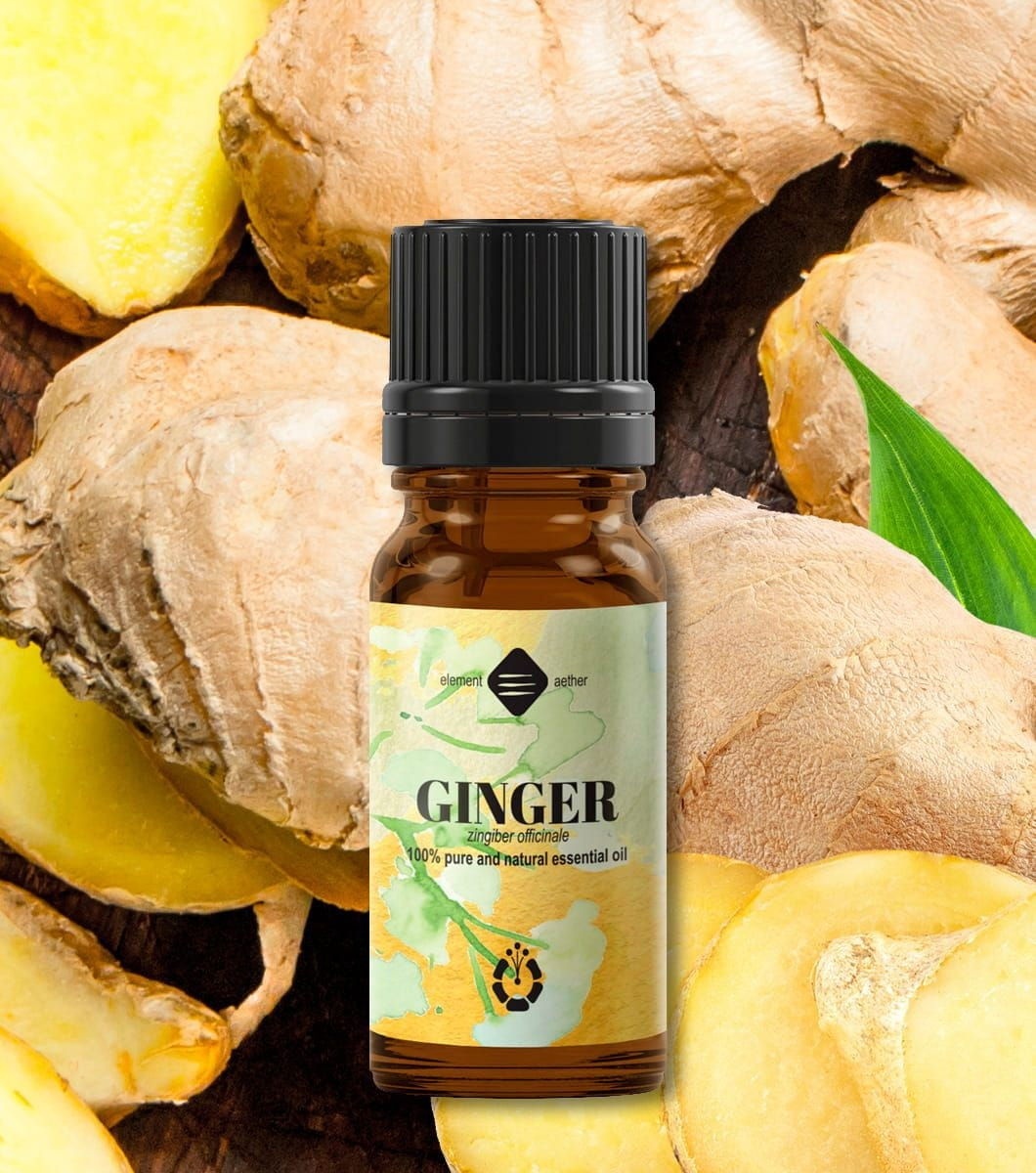
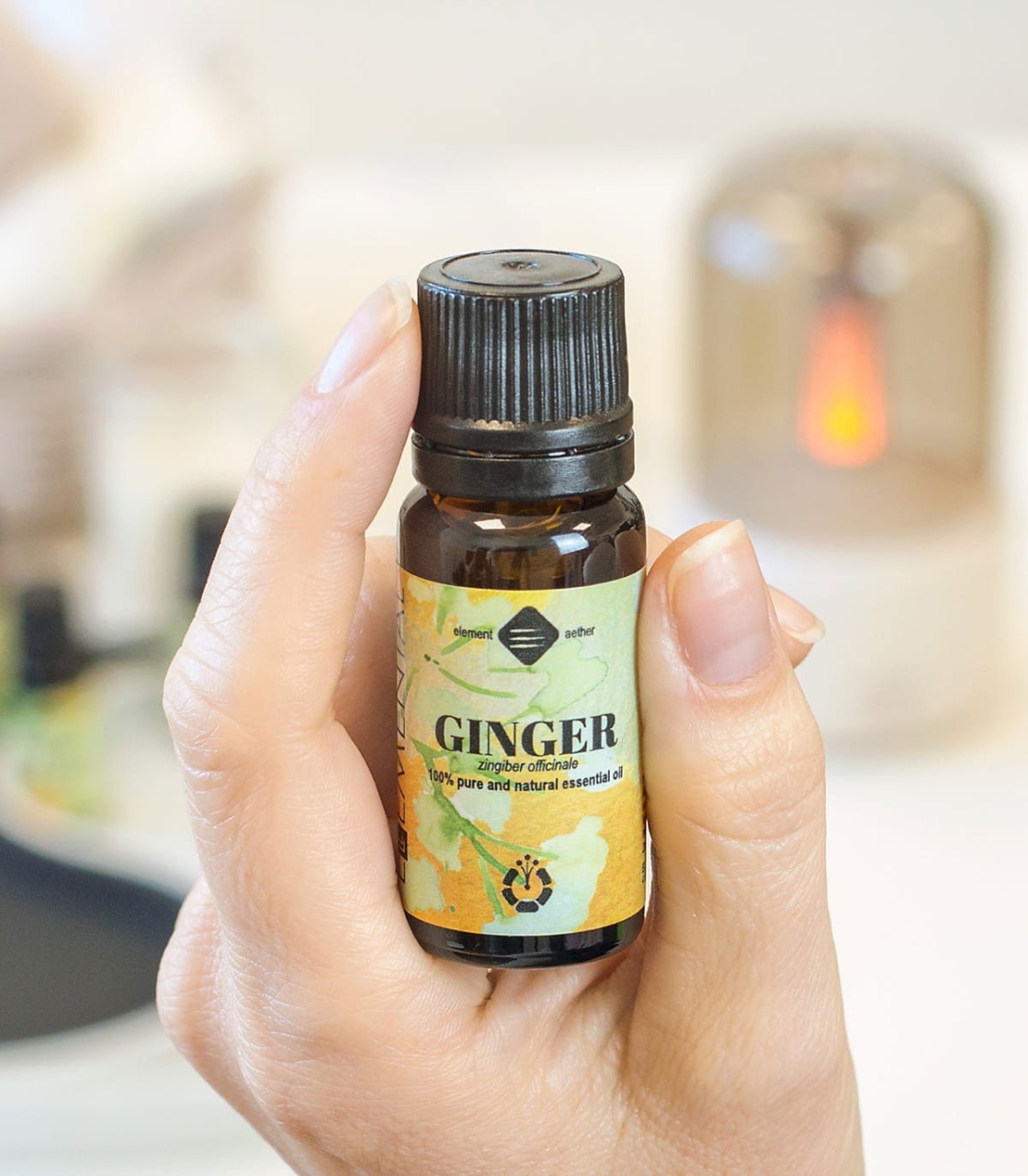
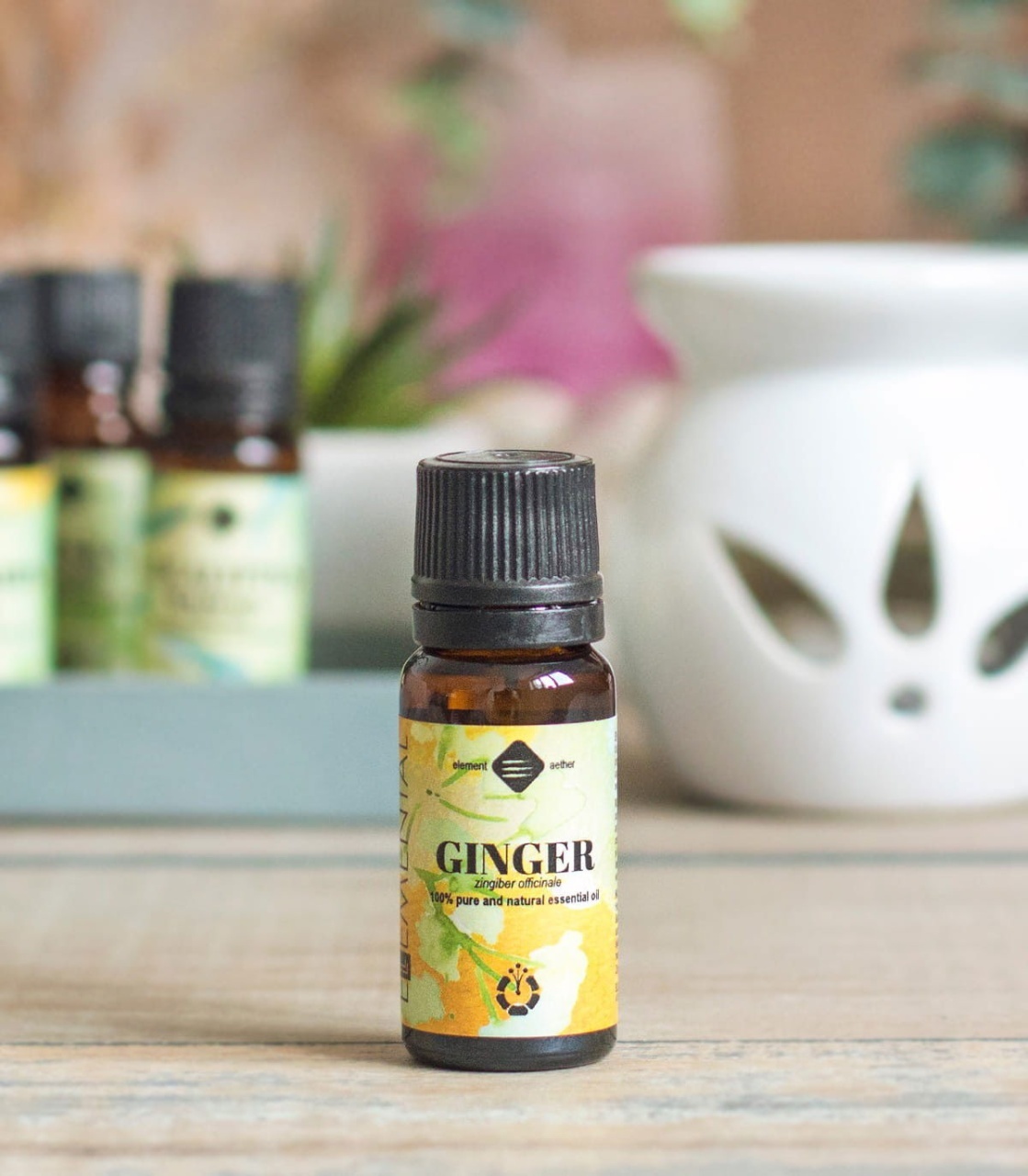
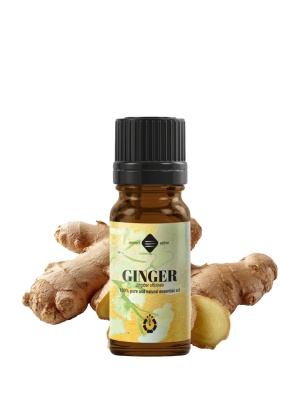
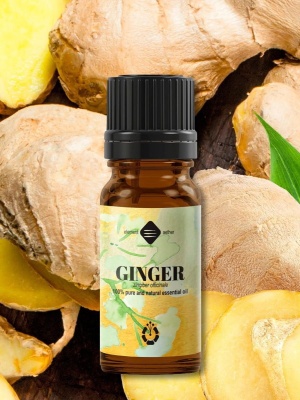
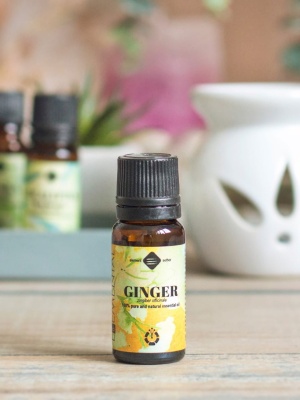
Ginger Essential Oil (Zingiber officinale) has a well-defined identity in cosmetics and aromatherapy: rubefacient, circulatory tonic, and analgesic in massage, hair stimulant, and a perfumery companion with a spicy-woody character full of personality. Rich in specific sesquiterpenes, zingiberene, sesquiphellandrene, germacrene D, and curcumene, it carries an aroma that is surprisingly different from the fresh root: less pungent, woodier, and earthier, because the gingerols and shogaols responsible for culinary spiciness do not completely distill under water vapor.
Its primary applications are muscular and joint massage (where the warming and circulation-stimulating action is highly valuable), stimulating a sluggish scalp or addressing active hair loss, and digestive and tonic aromatherapy. An oil for precise use, highly effective when chosen with a clear purpose.
air Olfactory profile: Warm, spicy-woody, with slightly lemony and earthy notes. Persistent and penetrating in any blend.
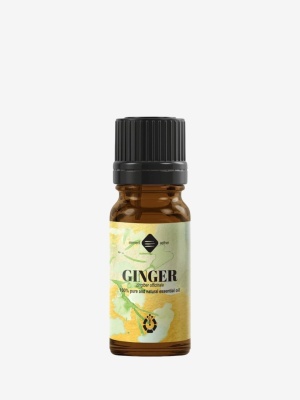
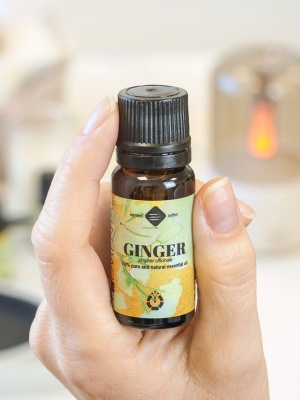
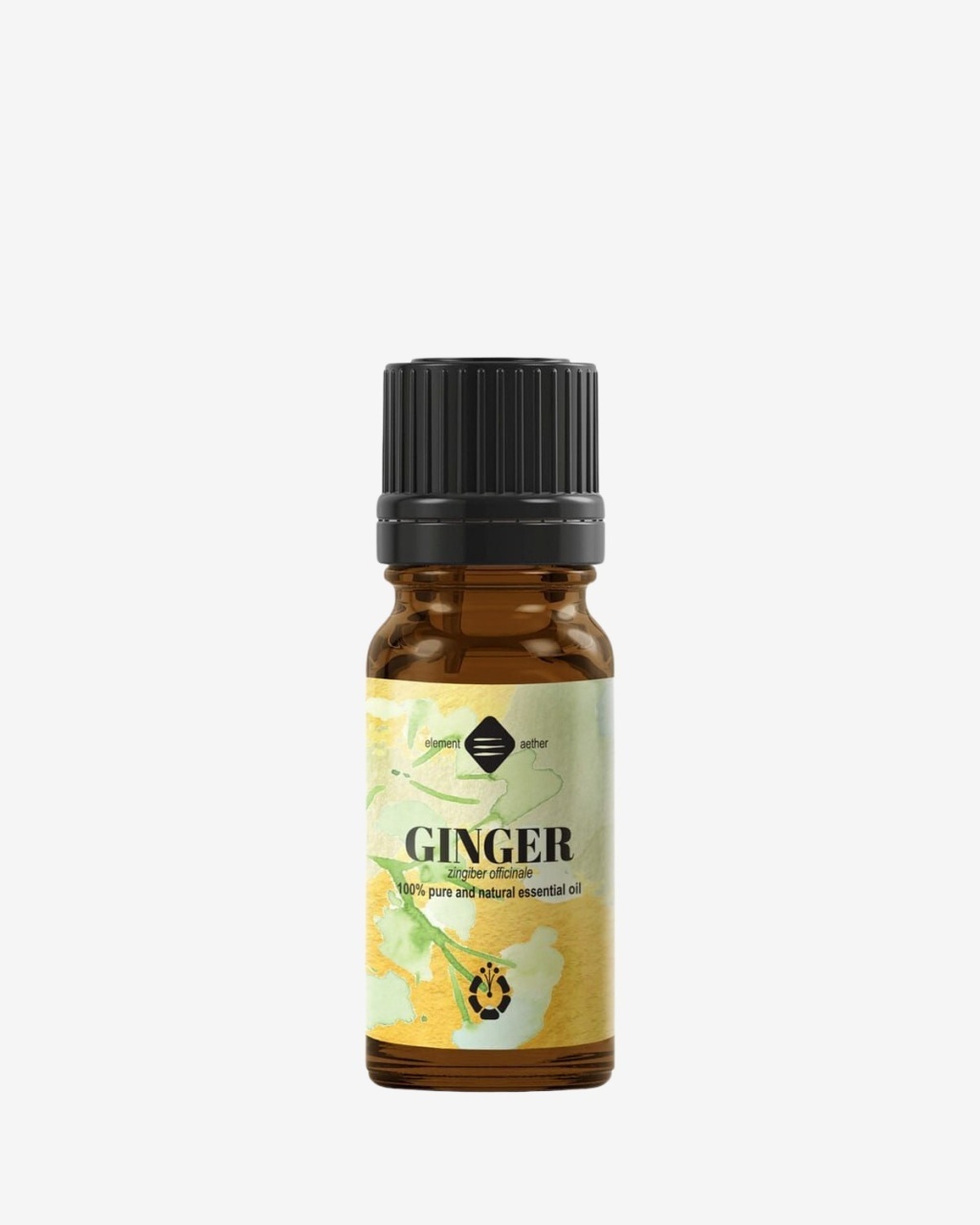
Ingredients: Ginger Essential Oil (Zingiber Officinale Root Oil)
100% pure and natural, undiluted, botanically and biochemically defined
Obtained by steam distillation from the rhizomes of Zingiber officinale
Joint and anti-inflammatory massage: Copaiba Essential Oil, Lemon Eucalyptus Essential Oil, Wintergreen Essential Oil, Comfrey Oil, Arnica Oil.
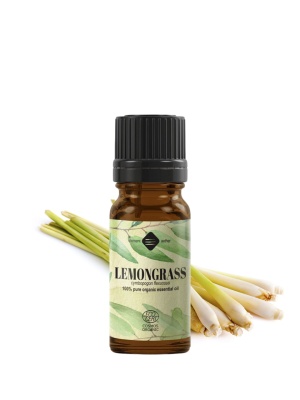
Warming and pre-workout massage: Black Pepper Essential Oil, Organic Rosemary Essential Oil, Organic Lemongrass Essential Oil, St. John's Wort Oil, Coconut Oil.
Scalp and hair stimulation: Organic Rosemary Essential Oil, Organic Atlas Cedar Essential Oil, Amla Oil, Ricin Oil.
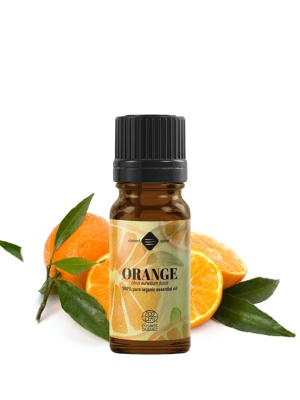
Aromatherapy - energy and digestion: Lemon Essential Oil, Organic Peppermint Essential Oil, Sweet Fennel Essential Oil, Sweet Orange Essential Oil.
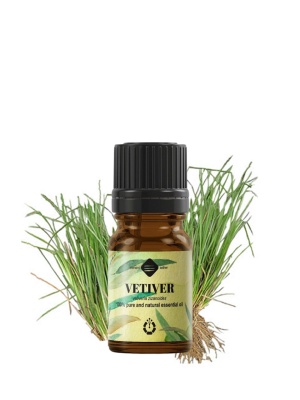
Perfumery - spicy oriental notes: Cinnamon Essential Oil, Patchouli Essential Oil, Vetiver Essential Oil, Rose Absolute, Organic Cedarwood Atlas Essential Oil.
Ginger essential oil is used exclusively as an ingredient in cosmetic preparations and aromatherapeutic compositions. Do not apply undiluted to the skin. For maximum dosages, consult the IFRA certificate attached to the product.
Q: Why does it smell so different from fresh ginger?
A: The taste and pungency of the fresh root come from gingerols and shogaols, which are high molecular weight compounds that do not completely distill with water vapor. The essential oil is instead dominated by more volatile sesquiterpenes, yielding a woodier and earthier aroma. The rubefacient and tonic effects are fully preserved, but the olfactory profile is distinctly different from the raw root.
Q: What does rubefacient mean and why does it matter in a massage?
A: It is the property of an ingredient to induce local vasodilation, bringing more blood to the surface of the skin and creating a warming sensation. In massage, it prepares the tissues for deeper work and enhances the action of other active components in the formula. Ginger, Black Pepper, and Wintergreen are benchmark rubefacient oils. This is precisely why it shouldn't be applied undiluted or over large areas of sensitive skin.
Q: Can Ginger replace Black Pepper essential oil in a massage?
A: They are complementary, not interchangeable. Black Pepper acts faster and more superficially; Ginger acts more slowly and deeply, with sesquiterpenes that remain in the skin longer. In well-constructed massage formulas, the two are used together: Pepper opens up the area quickly, and Ginger provides deep, sustained support.
Product for cosmetic, aromatic, and perfumery use. Do not apply undiluted to the skin.
Store in a dry and cool place, away from direct sunlight. Keep out of reach of children.
For dilutions in accordance with legal regulations, consult the IFRA certificate attached to the product on the website.
Sensitive individuals should perform a tolerance test; perform a skin patch test in the bend of the elbow 24 hours before use. Avoid contact with eyes and sensitive mucous membranes. In case of an accident, rinse abundantly with a vegetable oil.
For use during pregnancy, breastfeeding, in case of chronic diseases, for the elderly, or for young children, the recommendation is to consult a doctor.
Write a valid review and earn loyalty points worth €0.40