Description
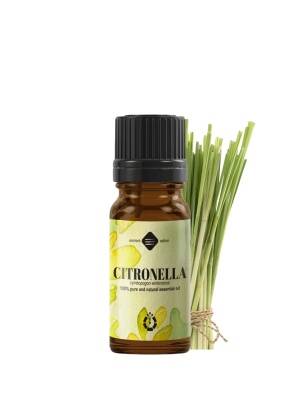
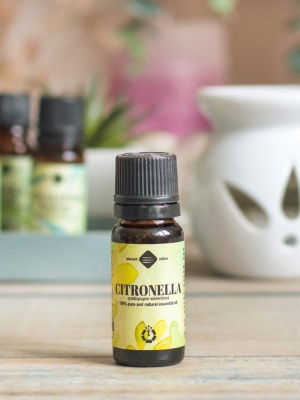
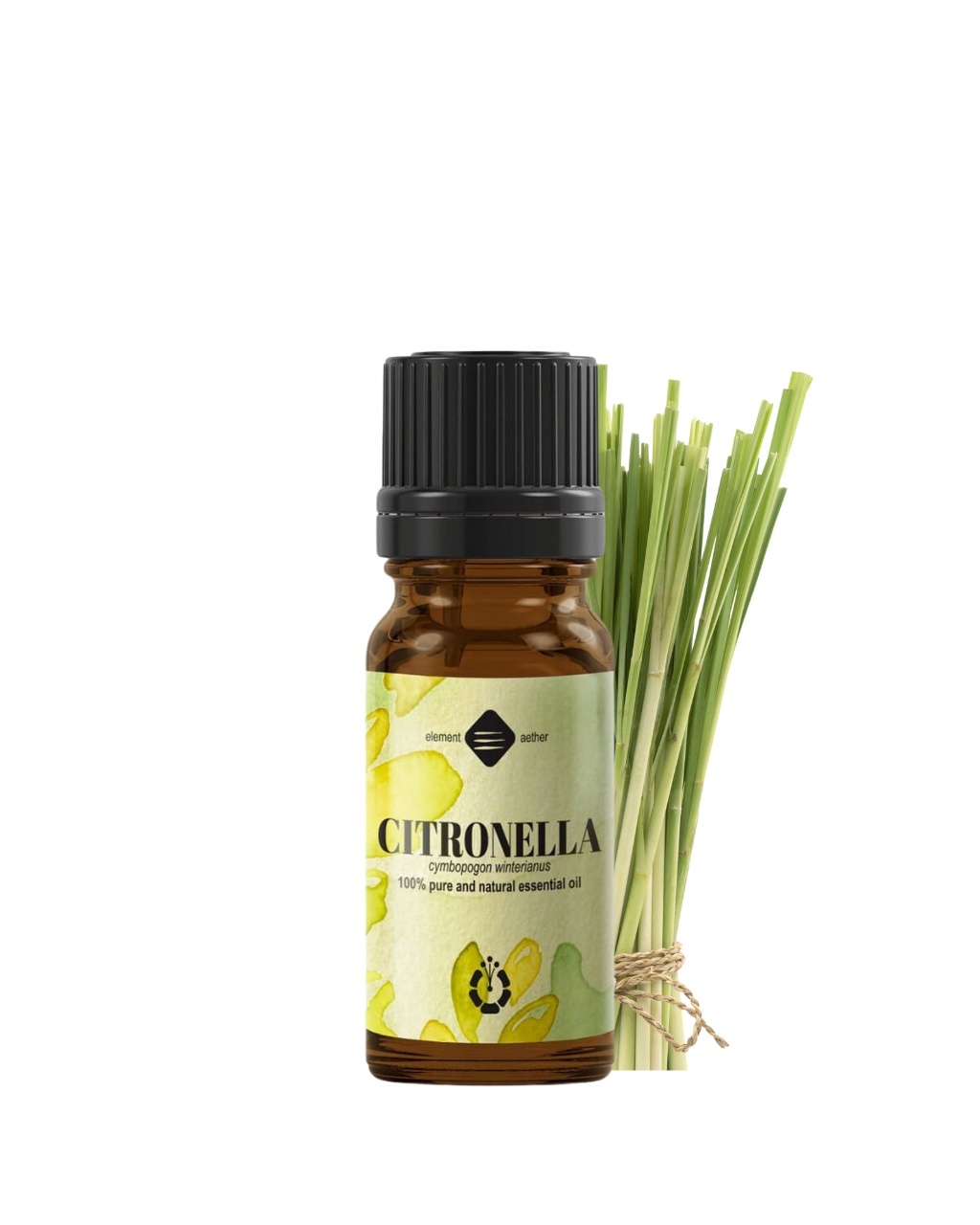
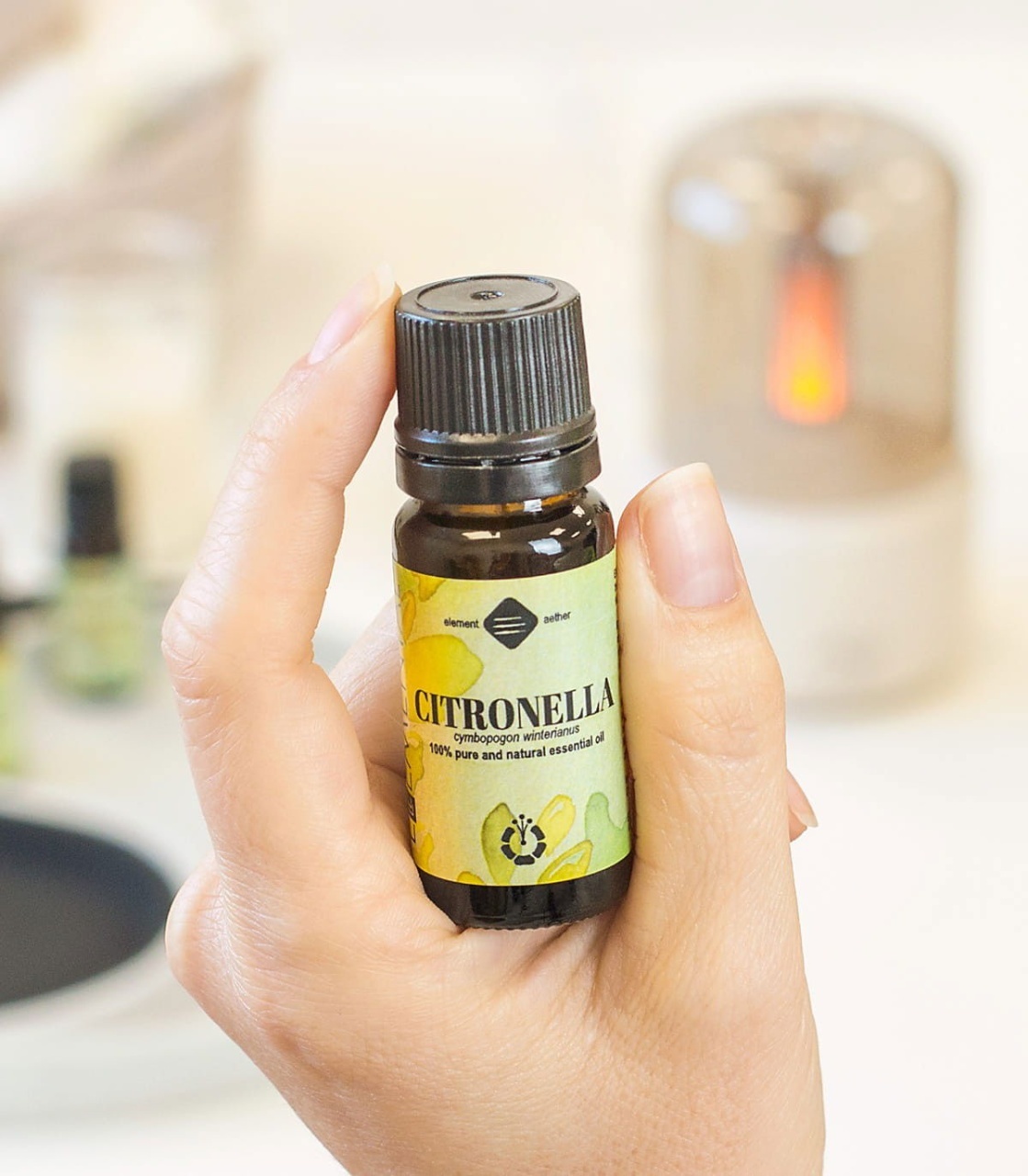
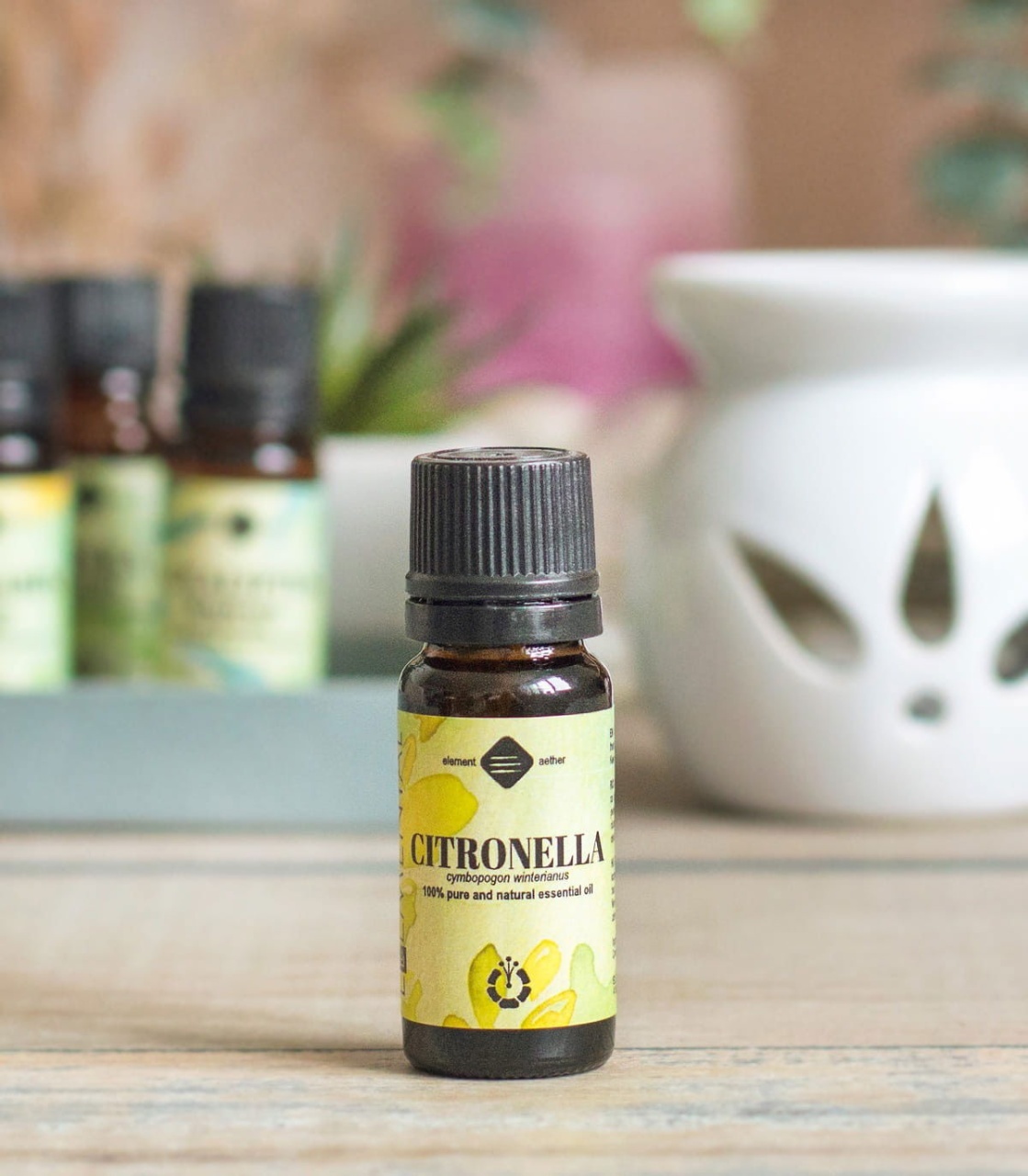
Citronella (Cymbopogon winterianus), vibrant, lemony, and unmistakable, is perhaps the most widely recognized essential oil outside the DIY community, everyone knows the summertime citronella candles. But its potential as an ingredient is far broader than that. The Java variety, the one you find at Ellemental, is considered olfactorily superior to the Ceylon variant, with a higher content of citronellal and geraniol, the compounds that give it both its effectiveness as a repellent and its versatility in perfumery and personal hygiene.
From a practical standpoint, Citronella is an ingredient of rare honesty: it does not claim to be an anti-aging serum or a cosmetic miracle. Instead, it is a powerful antiseptic, a first-class unpleasant odor neutralizer, an effective natural deodorant, and, above all, the best natural ally against insects that you can include in DIY formulas. Its fresh, citrate aroma adds energy and cheerfulness to any composition it enters.
air Olfactory profile: Intensely lemony, fresh, slightly floral, with a green-herbaceous undertone. Persistent and penetrating, a note that easily dominates a blend, so it must be dosed carefully.
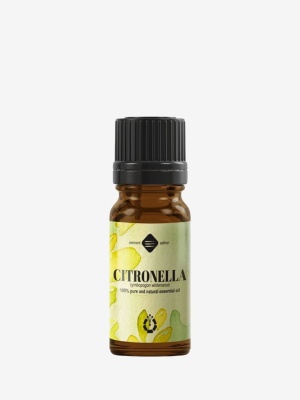
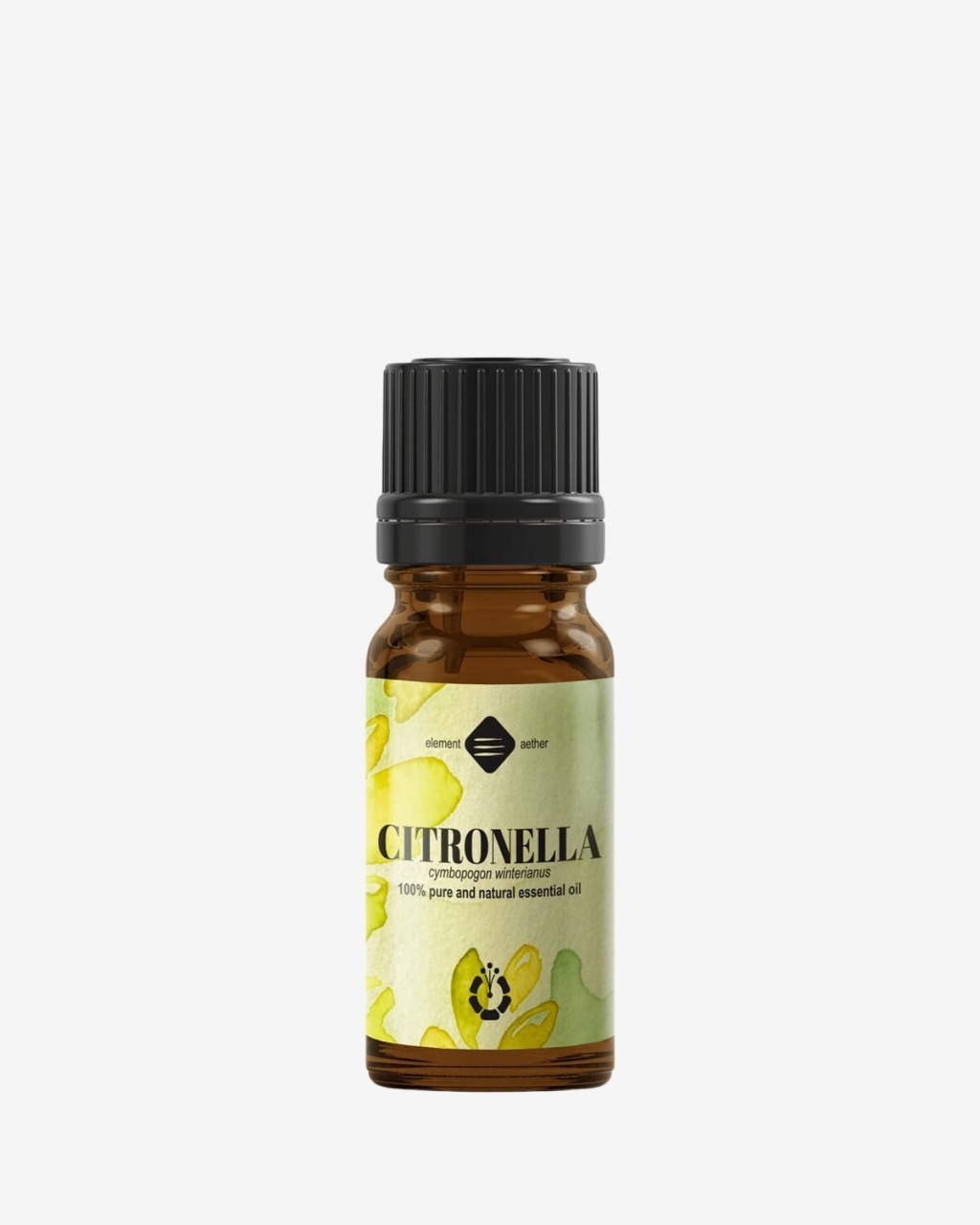
Ingredients: Citronella Essential Oil (Cymbopogon Winterianus Herb Oil)
100% pure and natural, botanically and biochemically defined, undiluted
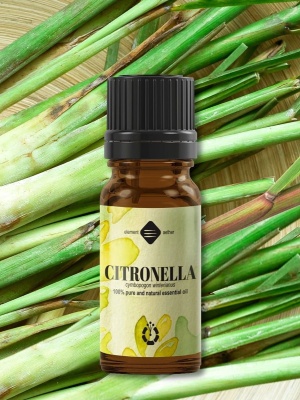
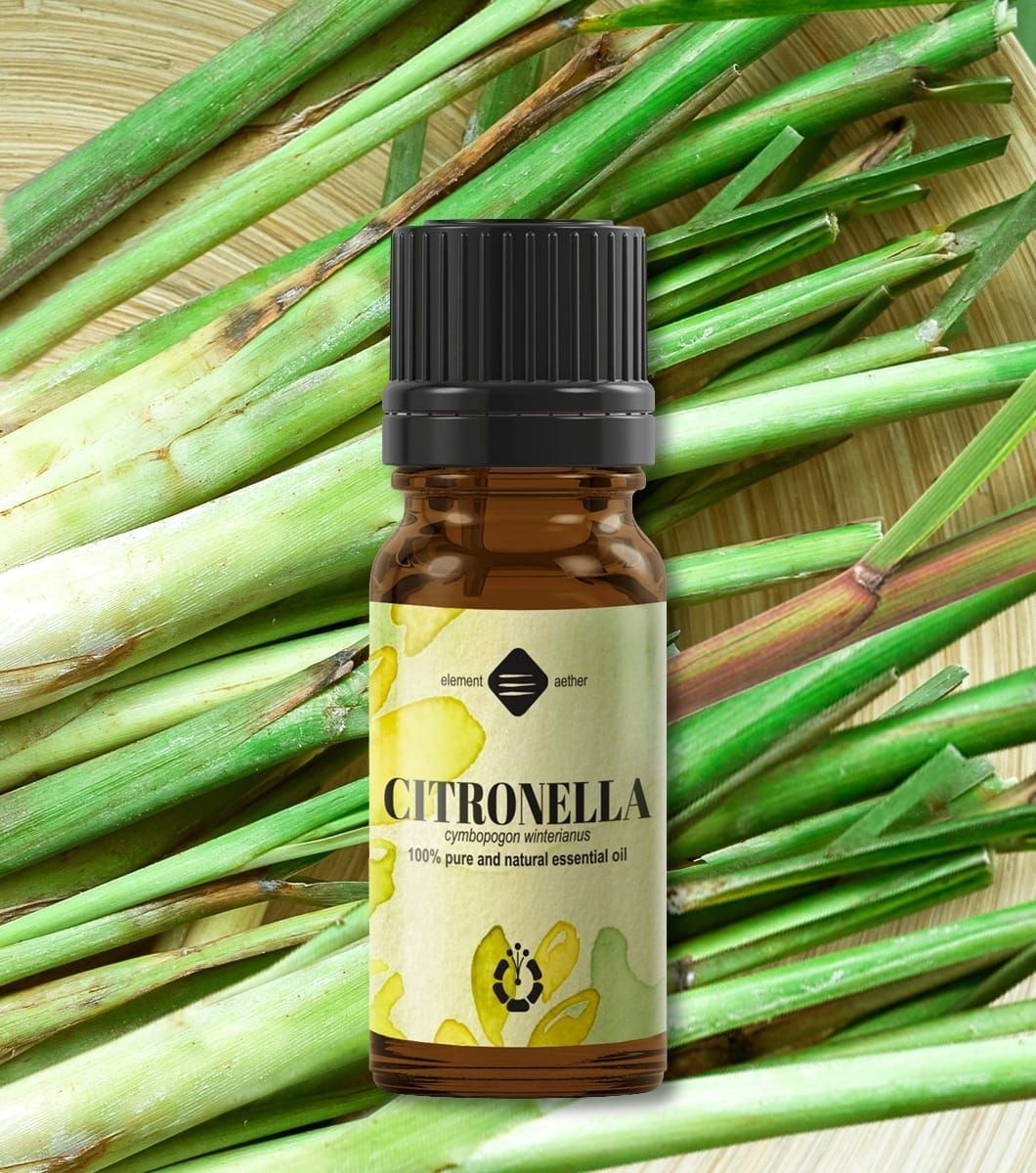
Obtained by steam distillation from the fresh grass of Cymbopogon winterianus (Java variety).
encrypted_add_circle Cosmetic Properties and Benefits
- Natural insect repellent: Its defining property, citronellal and geraniol mask the odors that attract mosquitoes and other insects. An active ingredient in natural protective body lotions, sprays, and oils.
- Deodorant and odor neutralizer: The antibacterial action targets the bacteria responsible for body odor, making Citronella a valuable ingredient in natural deodorants and personal hygiene products.
- Antiseptic and antifungal: An effective purifier for the skin, useful in formulas for imperfection-prone skin or in scalp hygiene products.
- Scalp tonic: Its antifungal and purifying properties recommend it in formulas for scalps with seborrheic or dandruff tendencies, a less common but effective ingredient in this context.
air_freshener Aromatherapeutic Properties
- Energizing and uplifting: Its vibrant, citrate aroma lifts the mood and combats chronic fatigue or lethargy, a more intense alternative to lemon for spaces that need rapid revitalization.
- Ambient purifier: Diffused, it neutralizes unpleasant odors and creates a fresh, hygienic atmosphere, especially useful after cooking, in enclosed spaces, or during damp periods.
- Mental tonic: Promotes clarity and easy focus - less cerebral than Rosemary, less subtle than Lemon FCF, but with its own lively and direct energy.
hub Recommended Synergies
- Natural repellent: A classic and effective combination with Geranium Bourbon Essential Oil and Organic Cedarwood Atlas Essential Oil, diluted in Organic Jojoba Oil or Caprilis - for a natural protective body lotion.
- Natural deodorant: Associates excellently with Organic Tea Tree Essential Oil and Organic Rosemary Essential Oil in solid deodorant bases (Shea Butter + baking soda) or sticks - providing antibacterial coverage with a fresh scent.
- Seborrheic scalp and dandruff: A purifying trio with Organic Tea Tree Essential Oil and Organic Rosemary Essential Oil, diluted in Ricin Oil - as a pre-wash treatment for a problematic scalp.
- Air purification and eco-cleaning: Combines effectively with Organic Lemon FCF Essential Oil and Organic Tea Tree Essential Oil in room sprays or eco-friendly cleaning solutions.
- Natural perfumery: A powerful and distinctive top note - it can be tempered and refined in citrus accords alongside Bergamot, or gain depth next to woody notes such as Organic Cedarwood Atlas and Sandalwood.
Practical Applications and DIY Recipes
Citronella essential oil is used exclusively as an ingredient in cosmetic preparations, aromatherapeutic compositions, or natural cleaning products. Do not apply undiluted to the skin. For correct dosages, consult the IFRA certificate attached to the product on the website.
digital_wellbeing Body Care
- Repellent body lotion: A few drops of Citronella, a few of Geranium Bourbon, and a few of Organic Atlas Cedar, diluted in Caprilis or Organic Jojoba Oil. A dry, non-greasy texture, ideal for applying to arms and legs before going outdoors.
- Repellent body spray: A few drops of Citronella and a few of Geranium Bourbon, dissolved in a Solubilizer, topped with Hamamelis Floral Water or distilled water in a 100 ml spray bottle. Shake well before each use.
- Natural solid deodorant: Melt Shea Butter with a little Coconut Oil, add baking soda, cornstarch, and a few drops of Citronella along with Organic Tea Tree. Pour into small molds and let solidify. Efficient and with a fresh, lemony scent.
face_3 Hair Care
- Anti-dandruff treatment: A few drops of Citronella, a few of Organic Tea Tree, and a few of Organic Rosemary, diluted in Ricin Oil. Massage into the scalp, leave for 20-30 minutes, then wash with shampoo. Purifying and antifungal effect.
- Addition to shampoo: A few drops directly into the shampoo dose for an anti-seborrheic effect and a fresh, lemony fragrance.
home_and_garden Household Use
- Purifying and repellent room spray: A few drops of Citronella and a few of Organic Lemon FCF dissolved in a Solubilizer, topped with distilled water. Sprayed into the room, it neutralizes odors and keeps insects away.
- Eco-friendly surface cleaner solution: A few drops of Citronella added to a solution of white vinegar diluted with water. Provides an additional antiseptic effect and a fresh scent after cleaning.
- Summer scented candles: Citronella is the classic ingredient in natural repellent candles, combined with Organic Cedarwood Atlas and Organic Lemon FCF in soy wax or vegetable paraffin for a more complex and long-lasting note.
- Protection for wardrobes and drawers: A few drops on cotton balls or wooden ornaments placed in closets - a natural repellent for moths, olfactorily much more pleasant than mothballs.
fragrance DIY Perfumery
- Dominant citrate top note: Citronella is more insistent than Lemon FCF and more herbaceous than Bergamot. Dose it carefully in blends, as it can mask finer notes. Works well in fragrances with a fresh, outdoor character or in masculine compositions with woody base notes (Organic Cedarwood Atlas , Vetiver).
- Source of natural geraniol: The perfumery industry utilizes Citronella as a raw material for isolating geraniol and citronellol, which are used independently in the synthesis of fine scents. On a DIY scale, this translates into a natural compatibility with any essential oil rich in geraniol - especially Geranium Bourbon and Palmarosa.
Questions and Answers (FAQ)
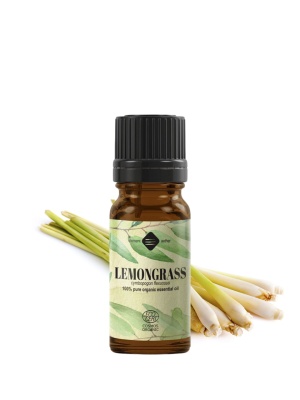
Q: What is the difference between Citronella and Lemongrass? Similar scent, different products?
A: They are related plants from the same family (Poaceae), but distinct species. Lemongrass (Cymbopogon citratus) is dominated by citral, with a more intense, sharper, and more direct lime-like scent. Citronella (Cymbopogon winterianus) is dominated by citronellal and geraniol, with a sweeter, slightly floral aroma. Lemongrass is more widely used in cosmetics and aromatherapy, while Citronella excels as a repellent and deodorant. They are not interchangeable in repellent formulas.
Q: How effective is it as a repellent and how long does the effect last?
A: Citronella is a recognized natural repellent, registered as such even by the US EPA. The primary limitation compared to synthetic repellents is its short duration of action: approximately 30-60 minutes when applied pure to the skin. The duration can be significantly extended by combining it with other repellent actives and by using slow-evaporating bases (rich vegetable oils). Regular reapplication is necessary for continuous protection.
Q: Can I use Citronella in products for children or pets?
A: For young children (under 3 years old), the use of any essential oil requires utmost caution and consultation with a specialist. For older children, concentrations must be significantly lower than for adults. As for pets, cats are particularly sensitive to essential oils, including Citronella, due to their reduced hepatic capacity to metabolize terpenic compounds. Avoid use in small spaces or direct application on animals without veterinary recommendation.
Technical Data, Warnings
Botanical name: Cymbopogon winterianus Jowitt ex Bor
INCI: Cymbopogon Winterianus Herb Oil
Botanical family: Poaceae
Obtaining method: steam distillation from fresh grass
100% pure and natural, undiluted, botanically and biochemically defined
Product for cosmetic, aromatic, and natural cleaning use. Do not apply undiluted to the skin.
Store in a dry and cool place, away from direct sunlight. Keep out of reach of children.
For dilutions in accordance with legal regulations, consult the IFRA certificate attached to the product on the website.
Sensitive individuals should perform a tolerance test; perform a skin patch test in the bend of the elbow 24 hours before use. Avoid contact with eyes and sensitive mucous membranes. In case of an accident, rinse abundantly with a vegetable oil.
For use during pregnancy, breastfeeding, in case of chronic diseases, for the elderly, or for young children, the recommendation is to consult a doctor.
Bibliography and Sources
The properties and applications of Citronella essential oil are documented in reference works in aromatherapy, cosmetics, and safety studies:
- Tisserand, R., & Young, R. - Essential Oil Safety: A Guide for Health Care Professionals (2nd Edition) - safety profile, sensitizing potential, and usage limits for Cymbopogon winterianus.
- US Environmental Protection Agency (EPA) - Citronella Oil Registration - official recognition of Citronella as a natural insect repellent with an acceptable toxicological profile.
- Franchomme, P., & Pénoël, D. - L'Aromathérapie Exactement - biochemical profile of monoterpenoids from the Poaceae family and the therapeutic properties of citronellal and geraniol.
- Lawless, J. - The Encyclopedia of Essential Oils - traditional and modern uses of Citronella in perfumery, personal hygiene, and aromatherapy.