






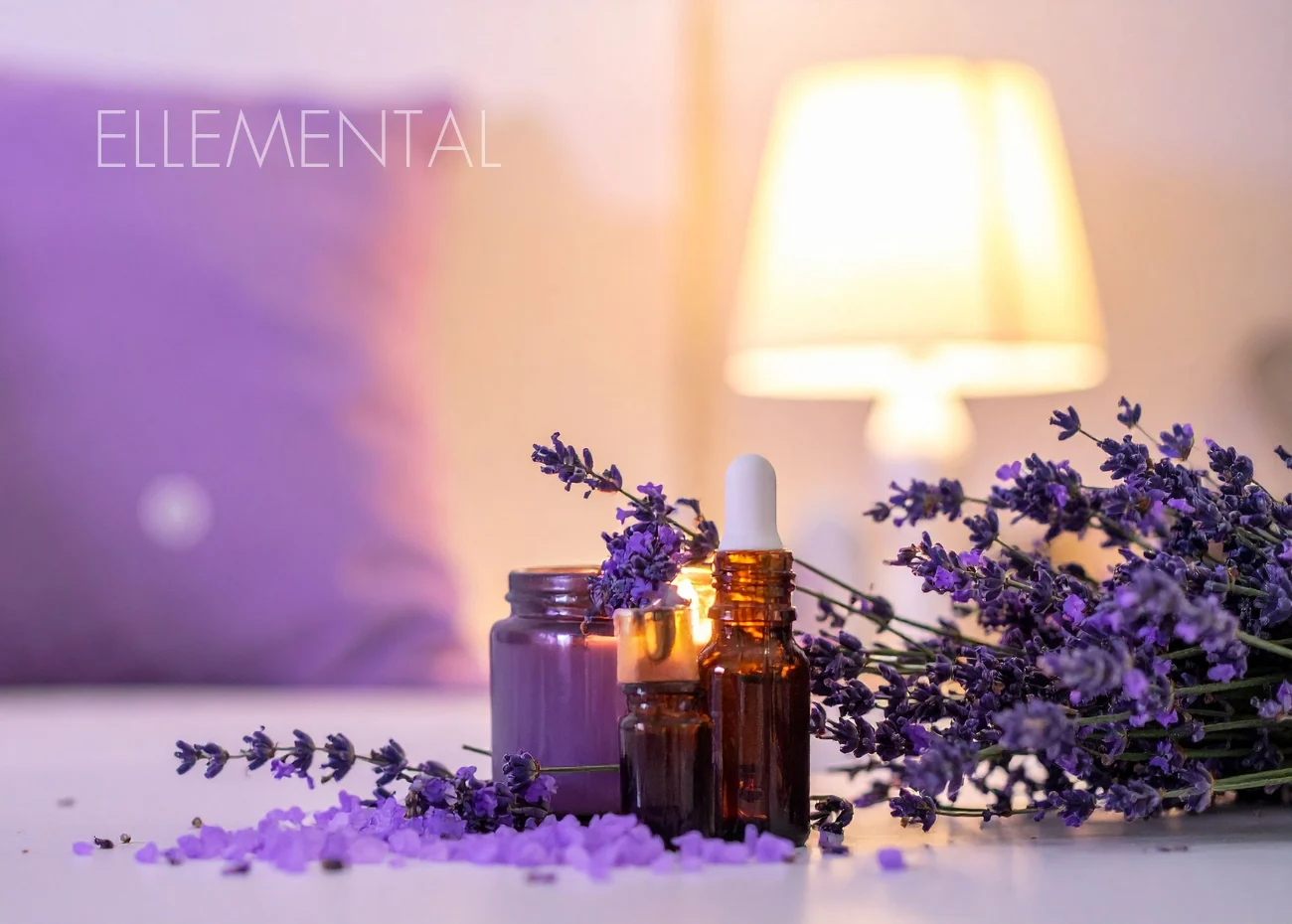
A simple definition of aromatherapy
In essence, aromatherapy is the controlled use of essential oils in various forms to maintain or improve the body's well-being at all levels. Controlled means paying attention to dosage, dilution, and the method of use, rather than treating essential oils as simple fragrances.
Authentic essential oils often called pure, therapeutic, or 100% natural, are botanical extracts obtained directly from plants, which have not been modified, diluted with cheap substances, or replicated in a laboratory using synthetic compounds. For an oil to be considered truly authentic, it must be exactly as nature left it: correctly distilled and bottled without additives.
Aromatherapy is considered a complementary approach that can go alongside conventional medicine and wellness practices, but it does not replace medical treatment.
Ways to apply aromatherapy
Ellemental includes an Aromatherapy section, where we offer a wide range of products intended for aromatherapy practices.
Through the sense of smell
When you inhale an essential oil - using a diffuser, a personal inhaler, a tissue, or even a warm bath - the aromatic molecules stimulate the receptors in the nose, which send direct signals to the limbic system in the brain. This is the area responsible for emotions, memory, heart rate, blood pressure, and stress levels. That is why a scent can calm or induce a state of alertness.
Through the skin
Aromatherapy can also be applied topically, in massage blends, roll-ons, body oils, or cosmetic preparations. Essential oils are always diluted in a carrier oil or in a cosmetic base to be applied safely to the skin. The small molecules of essential oils are absorbed through the epidermis and enter the bloodstream, interacting at the cellular level to reduce inflammation, soothe muscle pain, or purify the skin.
Uses and benefits
Stress management, anxiety, and relaxation
Aromatic molecules stimulate the release of neurotransmitters while reducing cortisol levels.
How it helps: It reduces states of agitation, calms mild panic attacks, and induces a state of inner peace.
Improving sleep quality
Many people turn to aromatherapy as a natural, non-addictive alternative to fall asleep faster and achieve a deeper sleep.
How it helps: It relaxes the central nervous system and prepares the body for the deep sleep phase.
Respiratory support, colds, viruses, and allergies
Essential oils rich in compounds such as cineole or menthol have powerful decongestant, expectorant, and antiviral properties.
How it helps: It clears the sinuses, soothes coughing, thins respiratory secretions, and eases breathing in cases of mild asthma or seasonal allergies.
Relief of physical pain, analgesic, and anti-inflammatory
Certain plant compounds can inhibit pain receptors and stimulate blood circulation in the affected areas.
How it helps: It reduces headaches and migraines, soothes muscle soreness, joint pain, and cramps.
Boosting energy and focus
When fatigue sets in or you need mental clarity at the office or while studying, aromatherapy can function as an excellent natural stimulant.
How it helps: It improves attention, short-term memory, combats drowsiness, and increases energy levels.
Skin and hair care
Thanks to their antiseptic, regenerating, and antifungal properties, essential oils are useful ingredients in cosmetic products.
How it helps: It regulates sebum and improves acne, soothes irritation and sunburns, combats dandruff, and stimulates regeneration.
Popular essential oils in aromatherapy
Each essential oil has a unique chemical composition that gives it a specific scent and certain therapeutic properties. A few frequently used examples include:
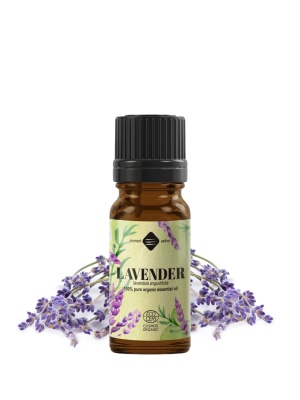
- Lavender: Often associated with relaxation, sleep support, and skin comfort.
- Peppermint: Usually used for a sensation of freshness, clarity, and mental focus.
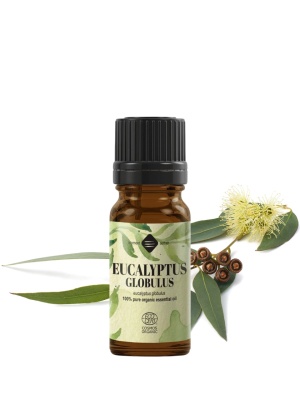
- Eucalyptus: Frequently used in blends for inhalation, for the sensation of easier breathing.
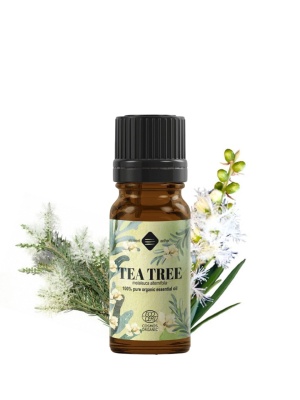
- Tea tree: Known for its use in skin purifying and cleansing products.
- Citrus oils (lemon, orange, bergamot): Used to create a positive and invigorating atmosphere.
Main methods of use
Inhalation
- Aromatherapy diffuser or ceramic burners - A few drops of essential oil in the diffuser's water.
- Direct inhalation: Place 1 drop of oil on a cotton pad or a tissue, and breathe in deeply 3-5 times.
- Steam inhalation: Add 2-3 drops of essential oil to a bowl of hot water. Cover your head with a towel and breathe in the steam for a few minutes.
Topical application
For use on the skin, essential oils are diluted in carrier oils such as fractionated coconut oil or almond oil, or incorporated into cosmetic preparations. These blends can be presented in the form of:
- Massage oils
- Roll-ons for pulse points
- Body oils and butters
- Creams, lotions, ointments, and balms
Safety, contraindications, and responsible use
Essential oils are highly concentrated substances, and this is exactly why safety must be treated as seriously as the aroma or the effect on mood.
Used incorrectly, they can cause:
- Skin reactions such as redness, itching, or dermatitis
- Increased photosensitivity in the case of some citrus oils
- Breathing difficulties in sensitive individuals
- Irritation or burns
Ingesting essential oils is generally not recommended outside of supervised medical or pharmaceutical contexts, due to the risk of toxicity and interactions with medications.
Extra caution is advised for individuals with asthma or other serious respiratory conditions, those with epilepsy or uncontrolled high blood pressure, individuals with very sensitive skin, and anyone who is pregnant or breastfeeding.
In all these cases, consulting a healthcare professional and, ideally, a certified aromatherapist before introducing aromatherapy products is essential.
Who practices aromatherapy?
Professional practitioners
Home users
Product quality, regulation, and the label
There is currently no official body that certifies oils as being „therapeutic grade” – this is a marketing term. Quality is guaranteed only by the manufacturer's transparency and compliance with European regulations for cosmetics or supplements.
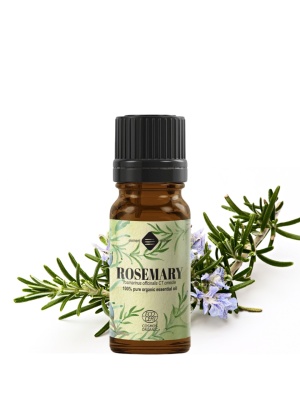
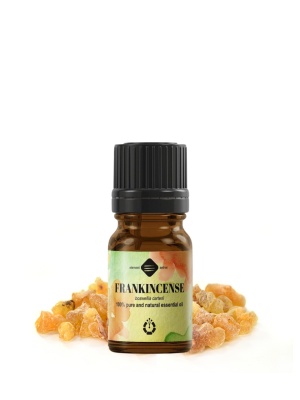
The name in Latin (e.g., Lavandula angustifolia – shows the exact species).
Reputable companies offer the GC-MS report (laboratory analysis of the batch) for free, which proves purity and shows the exact composition of the essential oil.
Aromatherapy in a holistic lifestyle
In a holistic lifestyle, health is not viewed merely as the absence of disease, but as a dynamic balance between body, mind, and spirit. Aromatherapy integrates into this concept, because essential oils do not act only at a physical, symptomatic level, but profoundly influence the emotional or energetic plane as well.
Aromatherapy becomes a pillar in the holistic lifestyle routine through the mind-body connection, daily mindfulness rituals, reducing the toxic load in the home, and providing support in spiritual and meditative practices. There is no need for dozens of essential oils. The holistic principle promotes listening to one's own body, simplicity, and openness.
Reviews