


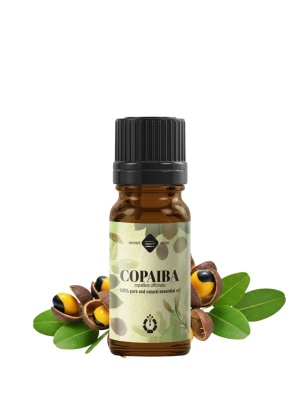
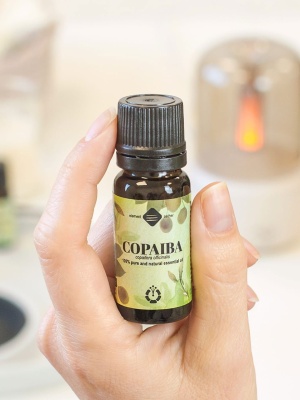

Formula: 58110 Difficulty level: beginner Shelf life: min 6 months pH optimal: - Phase Ingredients Dosage % Total 100 gr A Sweet Almond Oil 67 67 gr A Arnica oil 30 30 gr A Copaiba essential oil 1,5...
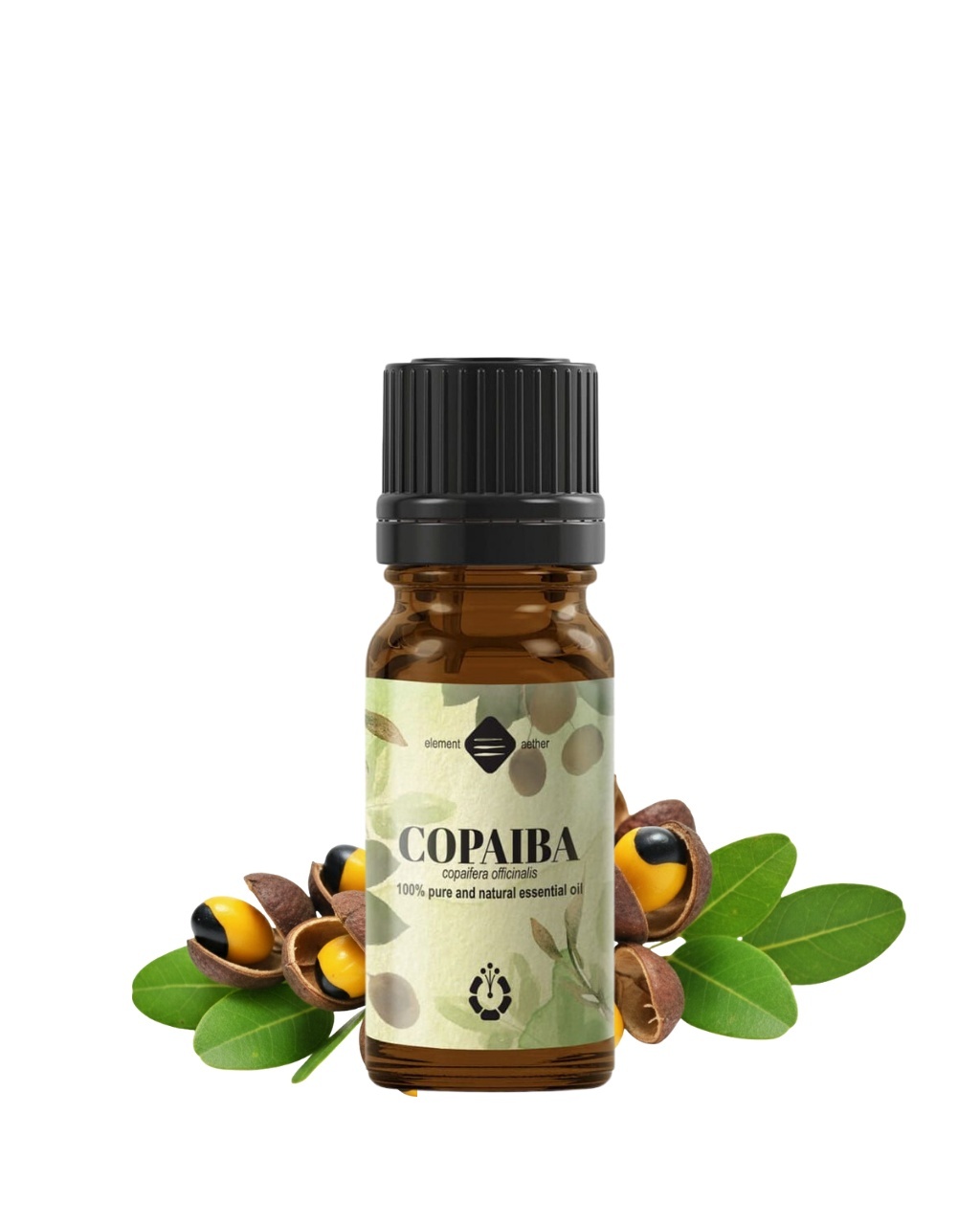
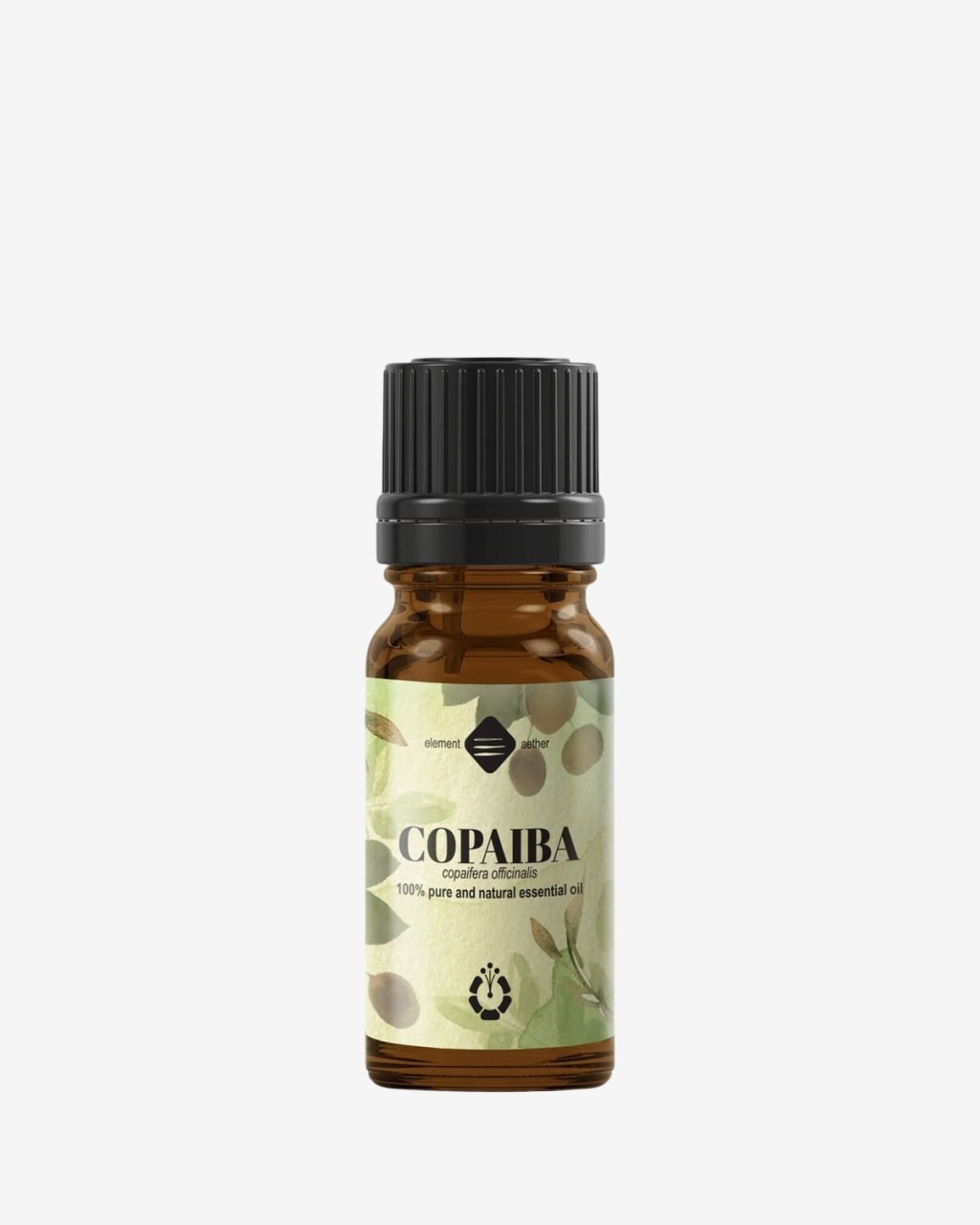
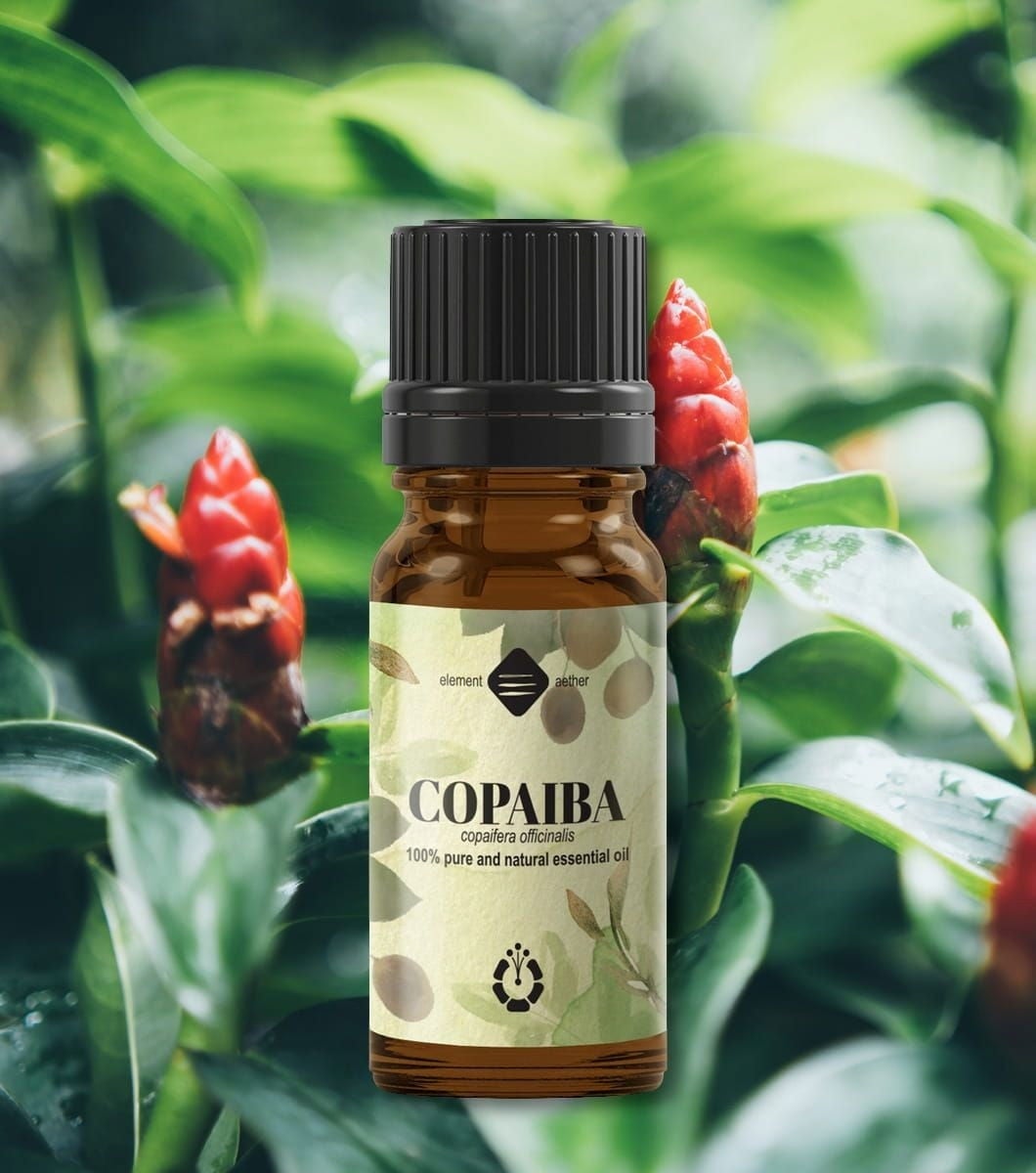
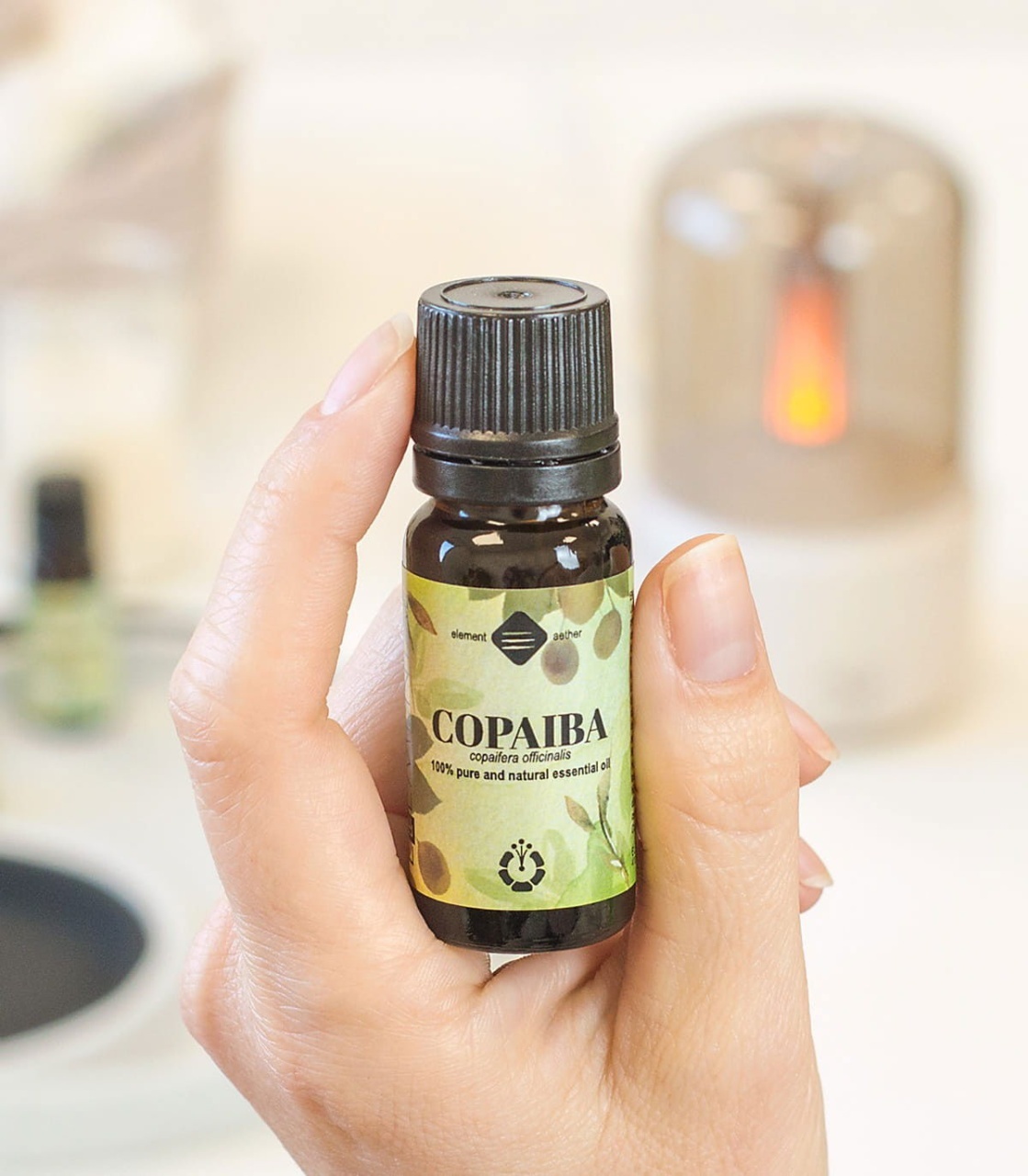
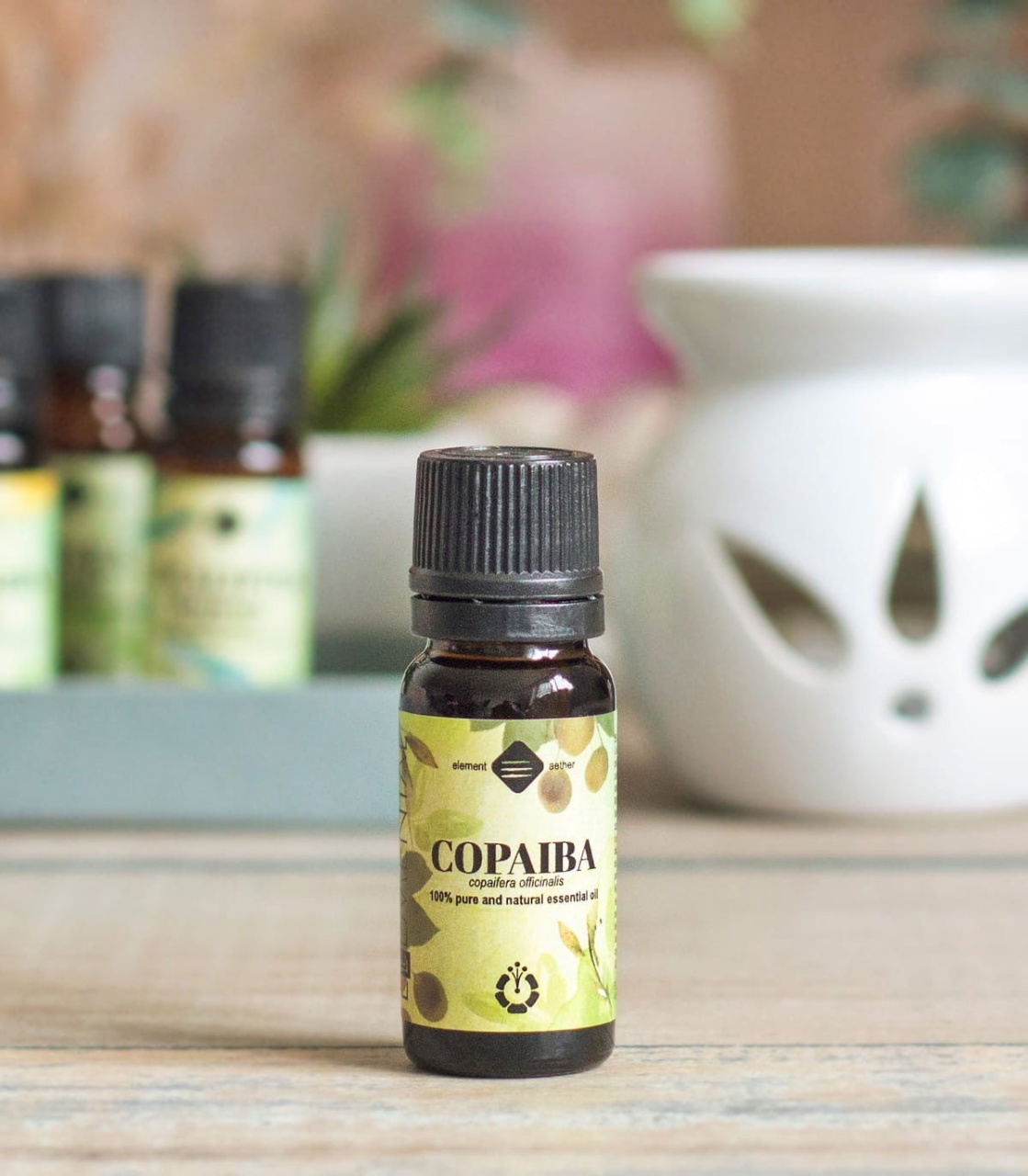
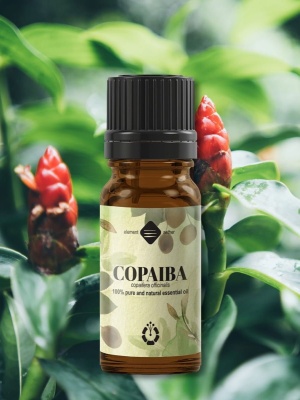
Copaiba is no ordinary essential oil, it is distilled from the resin of the Copaifera officinalis tree, traditionally harvested from South American rainforests via direct incision into the trunk, much like the precious saps of other sacred trees. Traditional Amazonian medicine used it for joint comfort, skin regeneration, and overall body balance hundreds of years before modern chemistry explained why: Copaiba contains approximately 45% beta-caryophyllene, the highest level among all known essential oils. Beta-caryophyllene is a sesquiterpene with a remarkable property: it is the only compound in the plant kingdom identified as a ligand for CB2 receptors in the endocannabinoid system, without any psychoactive effects.
This gives it a deep-reaching anti-inflammatory action profile that is distinct from classic anti-inflammatory oils, slower, more persistent, and more systemic. It is not an acute intervention oil (like Wintergreen), but rather a medium-term support oil: regular massage, recovery formulas, and soothing-oriented skin care. Its aroma, balsamic, woody, warm, and slightly sweet, is one of the most easily accepted among resin oils, making it highly accessible in perfumery as well.
air Olfactory profile: Balsamic, warm, woody, slightly sweet-spicy, with fine notes of exotic resin. Deep and discreet - less dominant than Myrrh or Patchouli, more accessible and neutral in blends.
Ingredients: Copaiba Essential Oil (Copaifera Officinalis Balsam Extract)
100% pure and natural, without additives, solvent-free, undiluted, without synthetic substances
Obtained by steam distillation of the crude resin from the bark of Copaifera officinalis
Osteo-articular comfort: Wintergreen Essential Oil, Eucalyptus Lemon Essential Oil, Juniper Essential Oil, Arnica Oil, Tamanu Oil.
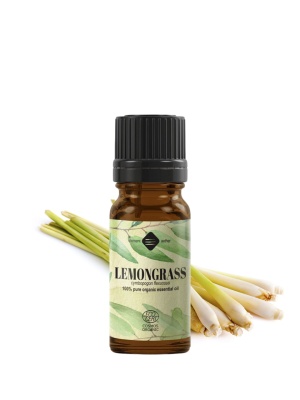
Muscle recovery and decontracting: Black Pepper Essential Oil, Ginger Essential Oil, Organic Lemongrass Essential Oil, St. John's Wort Oil.
Sensitive, reactive, inflammatory-looking skin: Roman Chamomile Essential Oil, Frankincense Essential Oil, Calendula Oil, Aloe Vera Oil, Bisabolol, Squalane.
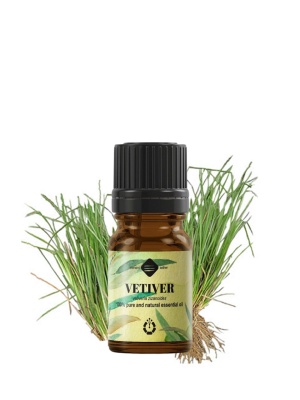
Aromatherapy: Organic Lavender Essential Oil, Organic Petitgrain Essential Oil, Vetiver Essential Oil, Bergamot Essential Oil.
Perfumery: Myrrh Essential Oil, Frankincense Essential Oil, Sandalwood Essential Oil, Organic Cedarwood Atlas Essential Oil, Patchouli Essential Oil, Rose.
Copaiba essential oil is used exclusively as an ingredient in cosmetic preparations and aromatherapeutic compositions. Do not apply undiluted to the skin. It is a medium-term support oil, its effects are slower and more persistent than those of acute intervention oils. For dosages, consult the IFRA certificate attached to the product.
Q: What is beta-caryophyllene and why does it make Copaiba special?
A: Beta-caryophyllene is a sesquiterpene present in many essential oils, but Copaiba contains it in a remarkably high proportion. What makes it standout is that it is a plant-kingdom compound identified as a natural ligand for CB2 receptors in the human endocannabinoid system, the same receptors targeted by certain molecules in cannabis, but entirely without psychoactive effects. This explains why traditional Amazonian medicine used Copaiba for centuries for joint comfort and skin soothing, long before the mechanism was scientifically understood.
Q: What is the difference compared to Copaiba Balsam, are they the same product?
A: No. They are two distinct products, although they come from the same tree. Copaiba Balsam is the raw resin (oleoresin) harvested directly from the trunk> viscous, rich, and used as is or as a carrier in topical formulas. Copaiba essential oil is obtained by steam distilling this resin, resulting in a more volatile, more concentrated product.
Q: Is Copaiba a rapid intervention oil or long-term support oil?
A: Definitely a support oil. Unlike Wintergreen or Peppermint, which act almost immediately through a rubefacient or cooling mechanism, Copaiba works more slowly and persistently, providing a gradual anti-inflammatory action. For joint comfort or muscle recovery, Copaiba works best when combined with a fast-acting oil and used over the course of a few weeks.
Product for cosmetic, aromatic, and perfumery use. Do not apply undiluted to the skin.
Store in a dry and cool place, away from direct sunlight. Keep out of reach of children.
For dilutions in accordance with legal regulations, consult the IFRA certificate attached to the product on the website.
Sensitive individuals should perform a tolerance test; perform a skin patch test in the bend of the elbow 24 hours before use. Avoid contact with eyes and sensitive mucous membranes. In case of an accident, rinse abundantly with a vegetable oil.
For use during pregnancy, breastfeeding, in case of chronic diseases, for the elderly, or for young children, the recommendation is to consult a doctor.

Write a valid review and earn loyalty points worth €0.40