








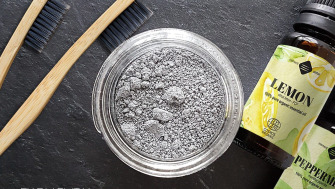
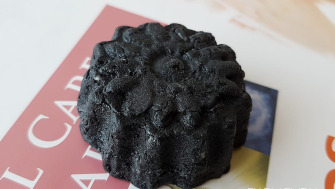
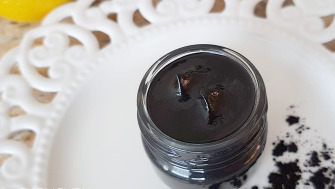
Formula: 1874 Difficulty level: beginner Shelf life: min 6 months pH optimal: - Phase Ingredients Total ~60 ml A Calcium carbonate 3 level tablespoons (12 g) A Activated charcoal 1 level teaspoon (1...


Activated Charcoal – Adsorbent Agent, Purifying and Natural Colorant
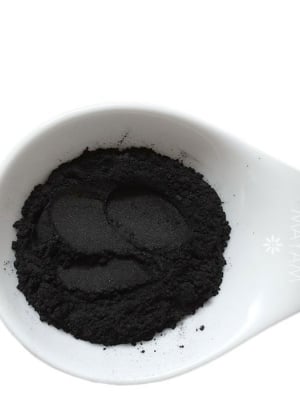
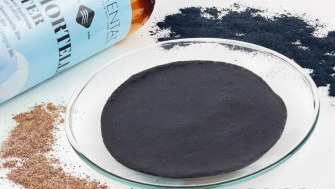
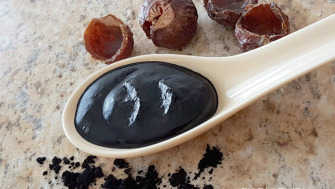
Activated Charcoal (Charcoal Powder) is a pure powder obtained through the controlled carbonization and thermal activation of plant biomass (typically wood or coconut shells). It is characterized by a highly developed microporous structure, which imparts a large specific surface area. In cosmetic applications, it acts as a mechanical purifying and surface detoxifying agent through the phenomenon of adsorption, binding excess sebum, impurities, and residues within its porous network. Additionally, due to its intense native pigmentation, it functions as a stable black natural colorant in various cosmetic structures.
Ingredients (INCI): Charcoal Powder.
The low density of activated charcoal powder requires careful handling during incorporation to prevent clumping and mess in the workspace:
What is the difference between adsorption and absorption regarding activated charcoal?
Absorption is a process where a substance enters into the interior volume of another body (like a sponge absorbing water). Adsorption (with a "d") is a surface phenomenon where molecules of gas, liquid, or dissolved solids attach and adhere to the outer and inner pore walls of a solid substance. Activated charcoal works through adsorption, attracting impurities like a magnet to its expansive microporous surface.
Why did my charcoal cleansing gel separate and the black powder settle to the bottom of the bottle?
This issue occurs when the water base of the gel lacks an adequate viscosity or rheological structure to support suspended solid particles. Activated charcoal does not dissolve. If the gel is too fluid or the polymer network is weak, gravity will cause sedimentation. To stabilize the suspension, increase the percentage of thickening agent (such as ACX Gum) or ensure that the polymer used is capable of suspending solids.
Safety Profile: Biologically inert raw material, non-toxic, non-irritating, and non-comedogenic. Well tolerated by skin tissue and safe in case of minimal accidental ingestion (typical of toothpastes).
Precautions: For external cosmetic use only. The powder is extremely fine, light, and volatile; wearing a dust mask during handling and weighing of large volumes is recommended to prevent inhalation. The pure product stains porous materials and clothes; handle with care. Keep out of reach of children.
Storage: In a closed container, in a dry place.
Write a valid review and earn loyalty points worth €0.40