Description
Arbutin - The Standard in Evening Skin Tone and Combating Pigmentation Spots
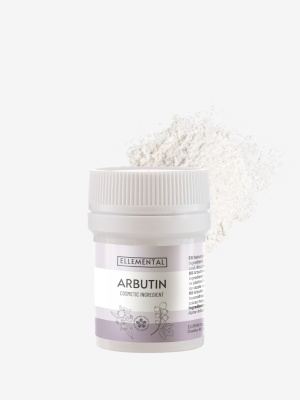
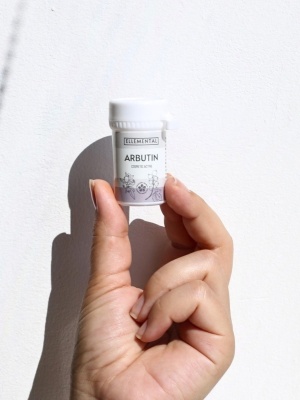
Arbutin (Alpha-Arbutin) is a high-performance active ingredient, recognized in aesthetic dermatology as one of the safest and most effective agents for skin brightening. Naturally extracted from plants, arbutin works by inhibiting the tyrosinase enzyme, which is responsible for melanin production. Unlike other aggressive ingredients, it releases active compounds gradually, making it ideal for reducing spots caused by the sun, age, or post-acne marks, providing the skin with radiant luminosity and a uniform appearance.
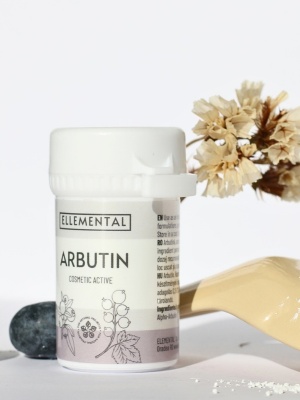
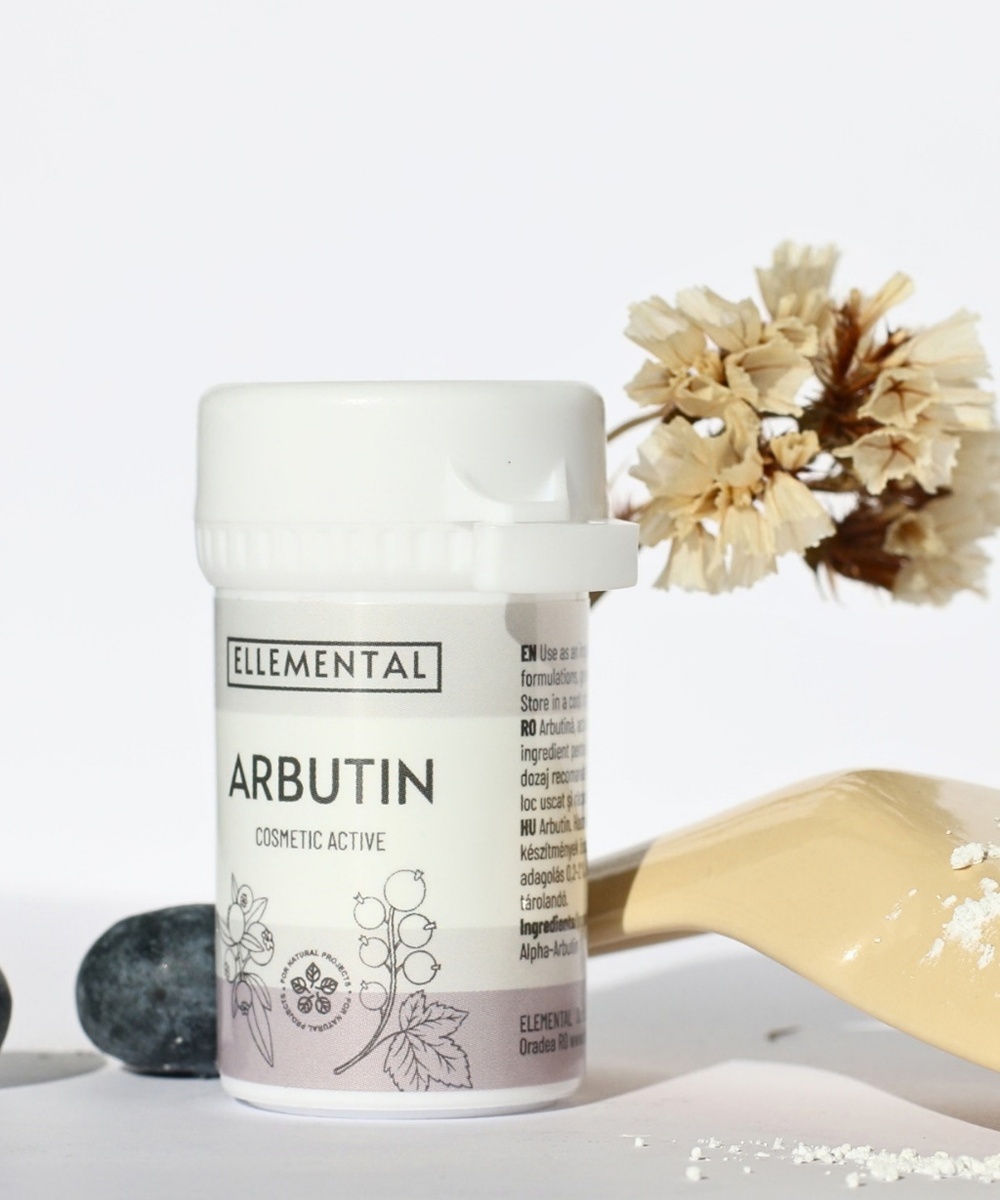
Ingredients (INCI): Alpha-Arbutin.
Technical Characteristics
- Origin: Naturally derived.
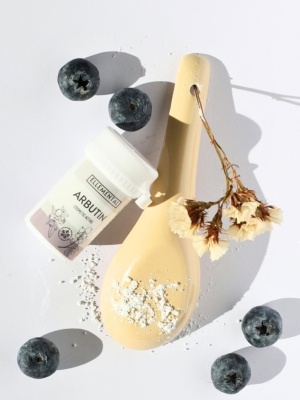
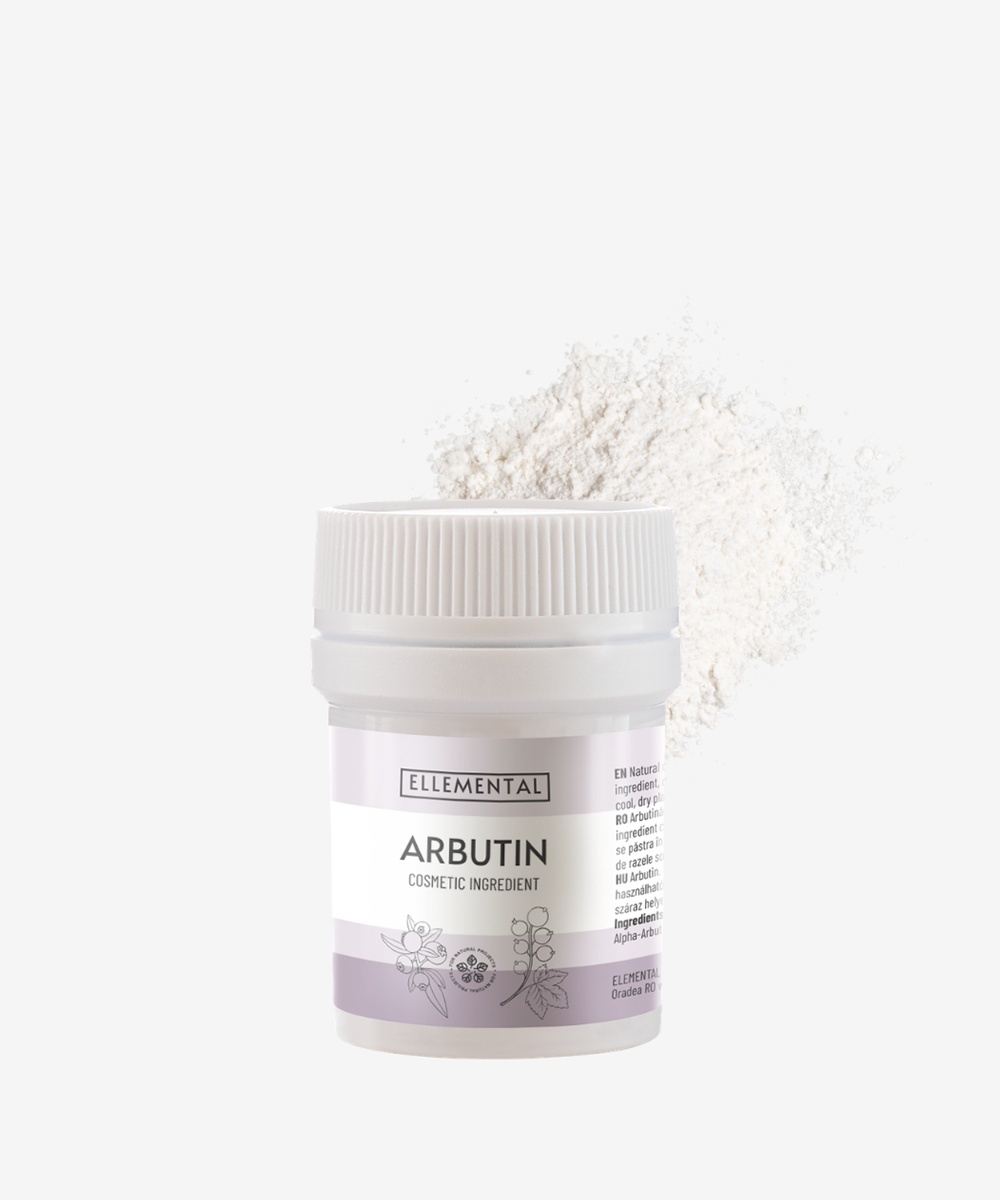
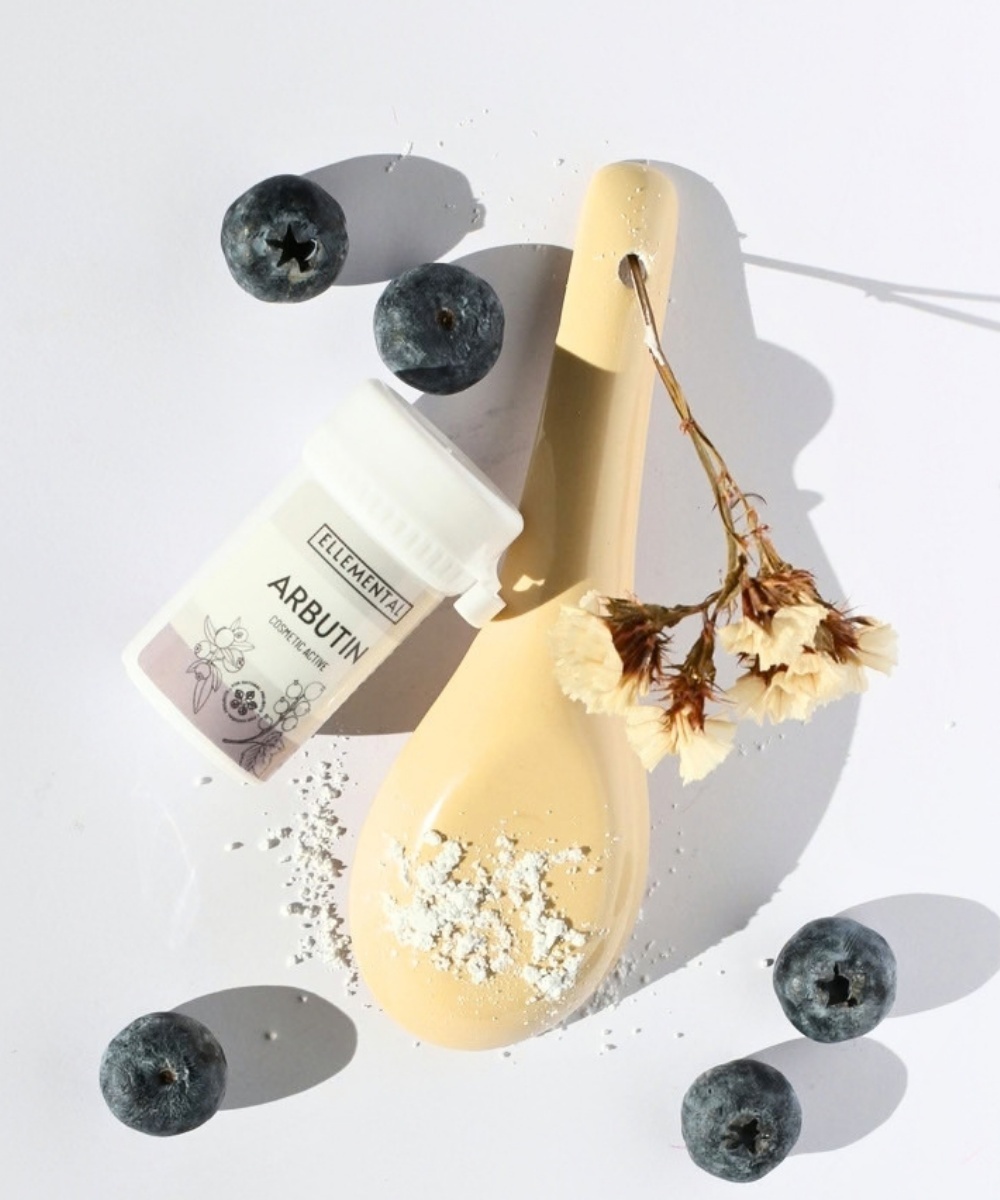
- Appearance: Fine white crystalline powder.
- Solubility: Water-soluble.
- Mechanism: Tyrosinase inhibitor - blocks excessive pigment synthesis in the deep layers of the skin.
Information from Specialized Literature
Arbutin is considered a modern and safe alternative to hydroquinone, being intensely studied for its tolerance profile:
- Comparative Efficacy: Studies indicate that Alpha-Arbutin is up to 10 times more effective than Beta-Arbutin in inhibiting pigment production.
- Safety and Gentleness: Specialized literature emphasizes that arbutin does not destroy melanocytes (pigment-producing cells) but only tempers their activity, making it suitable for long-term use.
- Evening of Color: Clinical research demonstrates a visible reduction in hyperpigmentation and an improvement in skin clarity after 8-12 weeks of consistent topical application.
- Antioxidant Protection: Arbutin also offers secondary antioxidant benefits, helping to protect the skin from oxidative stress that can trigger new spots.
Potential Properties
- Luminosity: Fades the appearance of dull skin and offers a healthy glow.
- Spot Corrector: Helps diminish the appearance of age spots, sun spots, and post-inflammatory hyperpigmentation.
- Evening Out: Contributes to achieving a uniform skin tone on the face, hands, or décolleté.
- Prevention: Used regularly, it prevents the appearance of freckles or spots after exposure to UV radiation.
Usage Recommendations
General recommended dosage: 0.2% - 2%.
Applications
- Intensive serums for treating hyperpigmentation and melasma.
- Day and night creams for radiance.
- Creams and emulsions for evening out the tone of the hands (age spots).
- Post-acne treatments for eliminating residual marks.
Formulation Guide
- Procedure: Dissolve in the aqueous phase. In emulsions, it is recommended to add it in the final phase, at temperatures below 40°C.
- pH Range: Optimal pH range: 4.0 - 7.0
- Synergies:
- + Niacinamide: An unbeatable combination. Arbutin stops pigment production, while Niacinamide blocks its transfer to the surface.
- + Gluconolactone: Gentle exfoliation with PHA helps arbutin penetrate better and more quickly eliminates already stained cells.
- + Vitamin C: Enhances the brightening effect and offers increased antioxidant protection.
- + Hyaluronic Acid: The ideal base for a moisturizing and non-greasy brightening serum.
Frequently Asked Questions (FAQ)
How long should I use it to see results?
Patience is key. Because arbutin works with the skin's natural renewal cycle, the first visible results usually appear after 4-8 weeks of daily use.
Is arbutin safe during pregnancy?
Although it is much safer than hydroquinone, we recommend consulting a doctor before introducing powerful depigmenting actives into your routine during pregnancy or breastfeeding.
Safety in Use
Profile: Safe ingredient, but requires attention to formulation (pH).
Precautions: External cosmetic use. The use of sunscreen during the day is mandatory when using brightening treatments. Keep out of reach of children.
Storage: In the original container, tightly closed, in a cool place and protected from direct light (the powder can degrade in light).
Scientific Reference Literature
- Boo, Y. C. (2021). Arbutin as a Skin Depigmenting Agent with Low Cytotoxicity and High Efficacy. Applied Sciences.
- Sarkar, R., et al. (2022). Topical Treatment of Melasma: A Comparative Review of Newer Agents including Alpha-Arbutin. Journal of Cutaneous and Aesthetic Surgery.
- Draelos, Z. D. (2023). The quest for skin lightening: From Hydroquinone to Arbutin and beyond. Cosmetic Dermatology Update.
- Kim, H. J., et al. (2022). Synergistic effects of Alpha-Arbutin and Niacinamide in reducing UV-induced hyperpigmentation. International Journal of Molecular Sciences.