






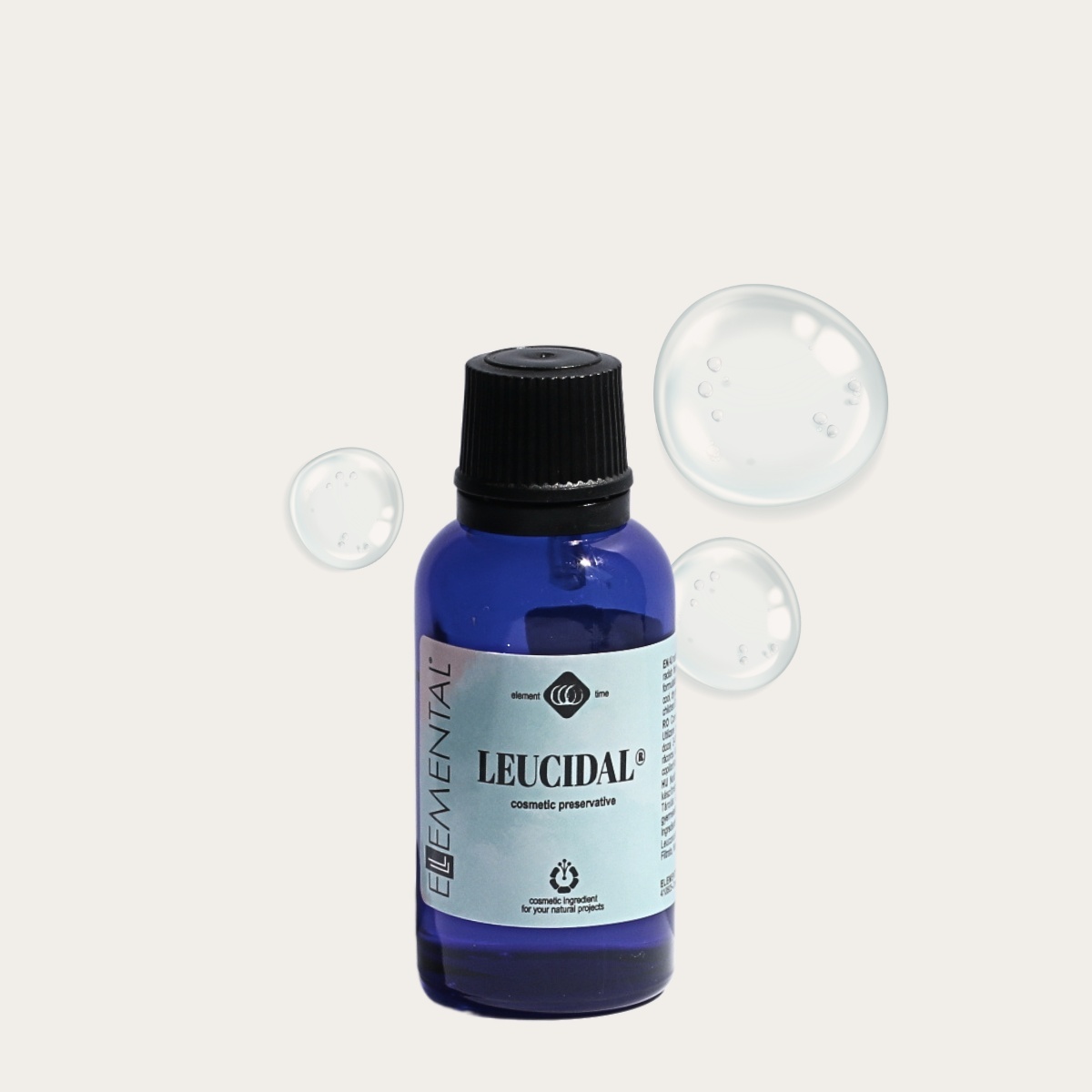
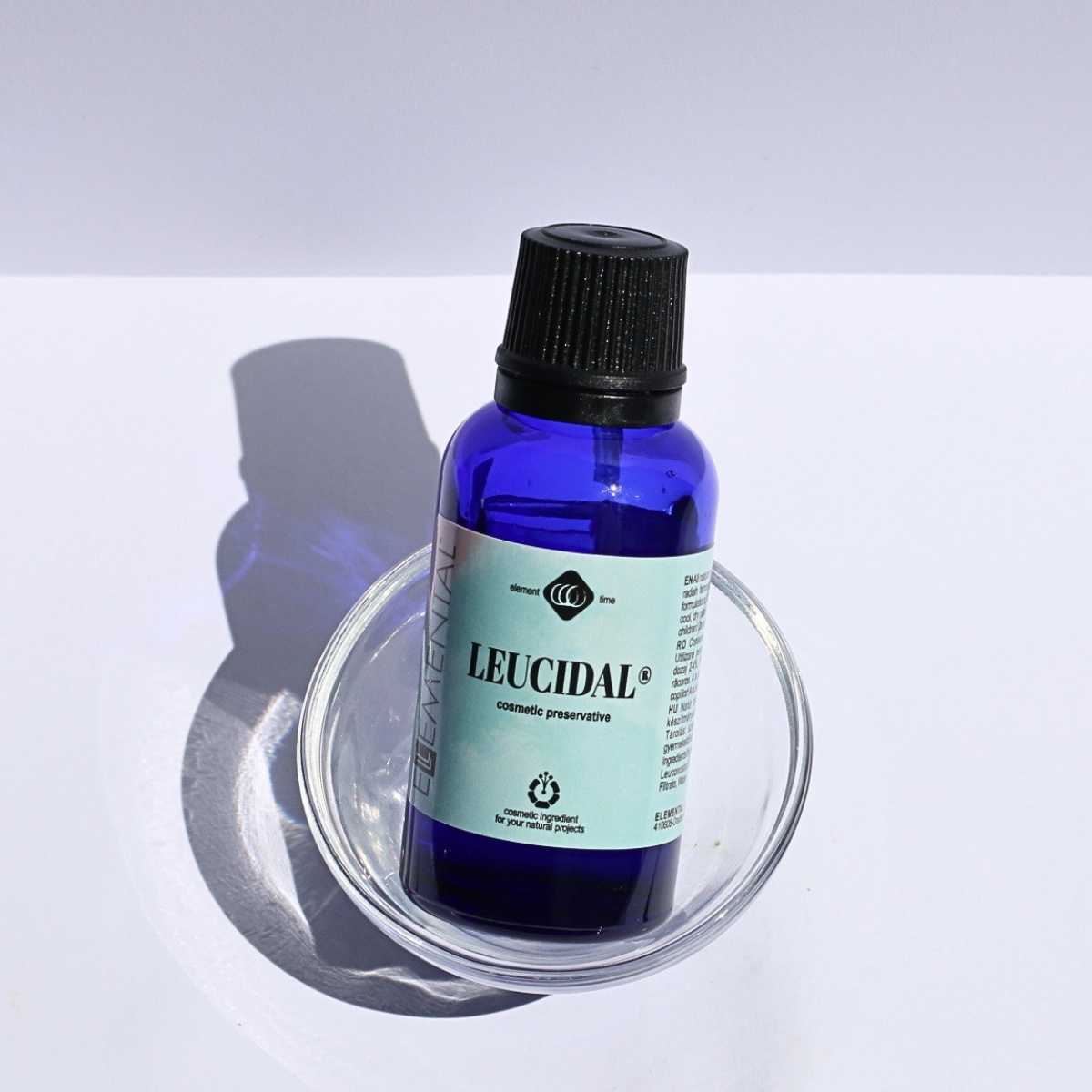
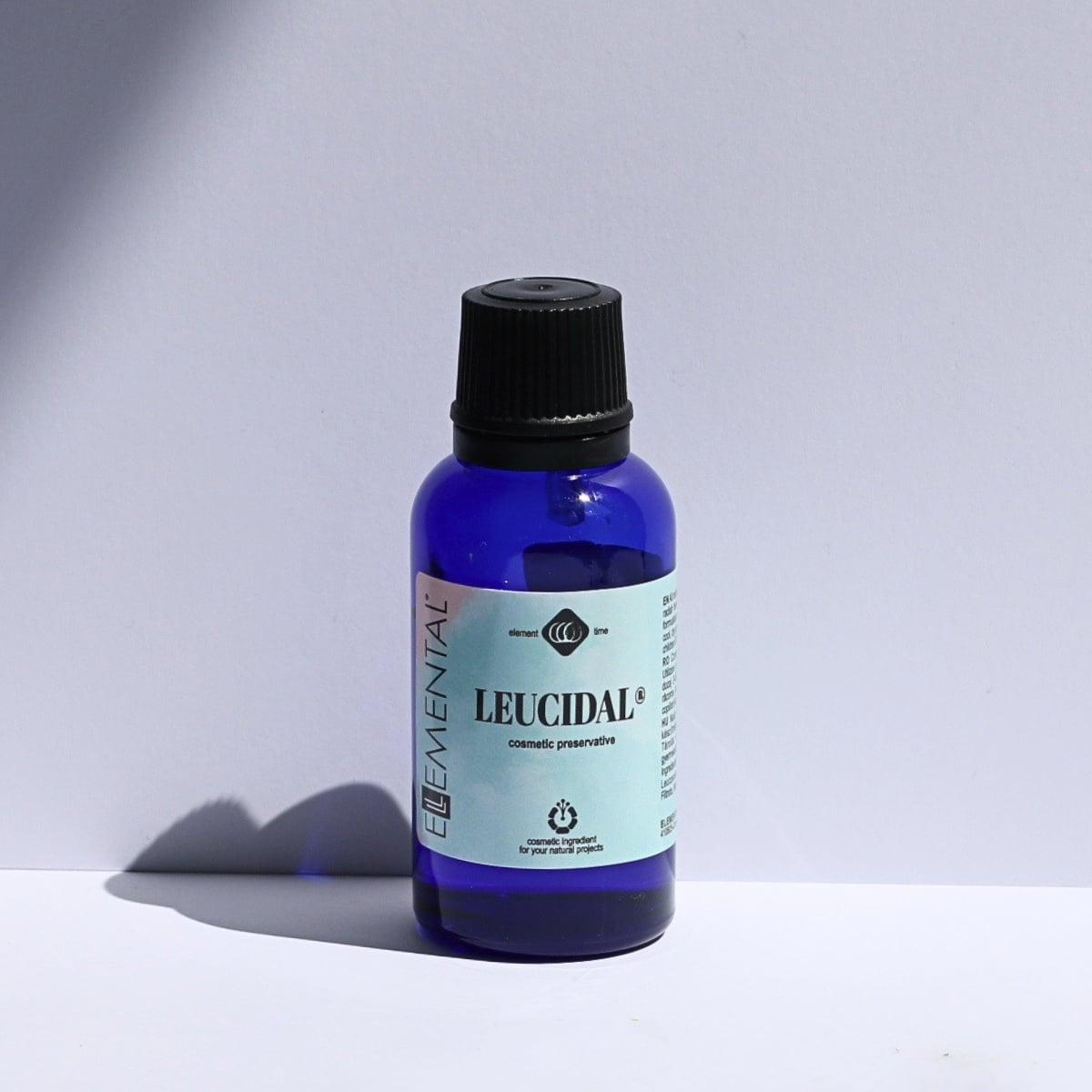
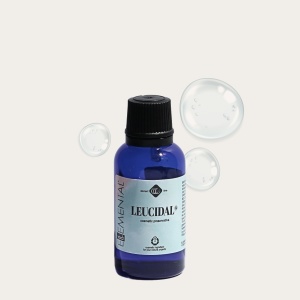
Leucogard
Description
Leucogard is a multifunctional ingredient obtained through biotechnology, by fermenting radish root with Leuconostoc kimchii, a lactic acid bacterium traditionally used in making kimchi. During fermentation, the bacterium produces antimicrobial peptides that give the filtrate broad-spectrum antimicrobial action. In addition to protecting the formulation, Leucogard contributes to skin hydration, making it an active ingredient with a dual role. It is of 100% natural origin, compliant with the ECOCERT and COSMOS standards, fully water-soluble and suitable for natural cosmetics – creams, lotions, serums and hair and scalp products.
Previous product name: Leucidal® Preservative
Ingredients (INCI): Leuconostoc/Radish Root Ferment Filtrate
Properties
- Broad-spectrum antimicrobial activity – according to the manufacturer, Leucogard inhibits the growth of Gram-positive and Gram-negative bacteria, yeasts and moulds. The minimum inhibitory concentrations determined by the manufacturer are: 0.8% for P. aeruginosa and C. albicans, 1.6% for E. coli and S. aureus, and 2.4% for A. niger.
- Efficacy confirmed by challenge tests – in tests carried out by the manufacturer on a cream at pH 3, 5 and 7, including re-contamination at 28 days, Leucogard at 2% and 4% met the criteria of the US PCPC guidelines: bacteria and yeasts were reduced by more than 99.9% and moulds by more than 90% within 7 days; at the end of each 28-day period, all organisms were reduced by more than 99.999%.
- Moisturising benefits – in a study carried out by the manufacturer, a lotion containing 2% Leucogard increased skin hydration by 24% compared with the base lotion after four weeks of use. The effect depends on concentration and on the final formulation.
- Works over a wide pH range – active in both acidic (pH 3) and slightly alkaline (pH 8) conditions.
- Heat stable – withstands temperatures up to 70 °C.
- Very good compatibility – compatible with common emulsifiers, surfactants and gums.
- 100% natural origin – compliant with the ECOCERT and COSMOS standards; GMO-free, no additives.
- Good skin tolerance – in the manufacturer's tests it was not irritating to skin or eyes (in vitro), was neither irritating nor sensitising in the human repeat insult patch test (HRIPT), and was neither mutagenic nor phototoxic at the concentrations tested.
Applications
- Face and body creams, lotions and emulsions
- Serums, toners and aqueous gels
- Shampoos, shower gels and make-up removers
- Hair and scalp care products
- Natural and certified formulations
How to use
- Recommended concentration: 2–4% (usually 2–3%); 3–4% when used as the sole antimicrobial agent, or 2% in combination with BS Preservative.
- Add cold to the finished formulation and mix well to homogenise; being heat stable, it can also be added to the water phase at a maximum of 70 °C.
- Final product pH: 3–8.
- Shake well before use, as it may form a sediment during storage.
- May slightly lower the pH of preparations; checking the pH at the end is recommended.
Formulation guide
- Determining the dosage – the optimum concentration depends on the type of formulation, the raw materials used and production hygiene. For cosmetics made for sale, efficacy must be confirmed by a preservative efficacy test (challenge test) on the final formulation.
- Protection against yeasts and moulds – in the manufacturer's tests, moulds were reduced more slowly than bacteria; in combination with an ingredient with antifungal action, mould reduction also reached more than 99.9% within 7 days. For better long-term protection, especially in sensitive formulations, combining 2% Leucogard with BS Preservative (sodium benzoate and potassium sorbate) is recommended, as it complements the action against yeasts and moulds; in this case, the final pH must be adjusted below 5.5.
- Production hygiene – as an ingredient of biological origin, its efficacy is influenced by the quality of the raw materials and the working conditions; working under strict hygiene conditions is recommended.
- Colour – clear to slightly hazy, yellowish liquid; at high dosages it may slightly affect the colour of transparent or white formulations.
Safety data
- According to the manufacturer's safety data sheet, the product is not classified as hazardous.
- The manufacturer's tests show good skin and eye tolerance: non-irritating in vitro, non-irritating and non-sensitising in the HRIPT, non-mutagenic and non-phototoxic at the concentrations tested.
- Storage: in a tightly closed container, in a cool, dry place.
- Full information on handling, classification and labelling can be found in the attached safety data sheet (SDS).
Compatible accessories

Details
Blog
Reviews
Write a valid review and earn loyalty points worth €0.40