






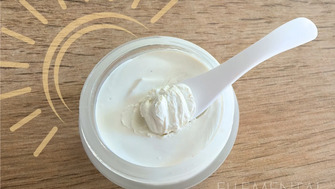
Formula: 47982 Level: advanced Shelf life: min 6 months Optimal pH: 5.5-7.0 Phase Ingredients Dosage % Total 125 g A SuperSol Mineral Filter 25 50 g A Dicaprylyl carbonate 20 25 g A Ovem Wax 7 8.75 g...
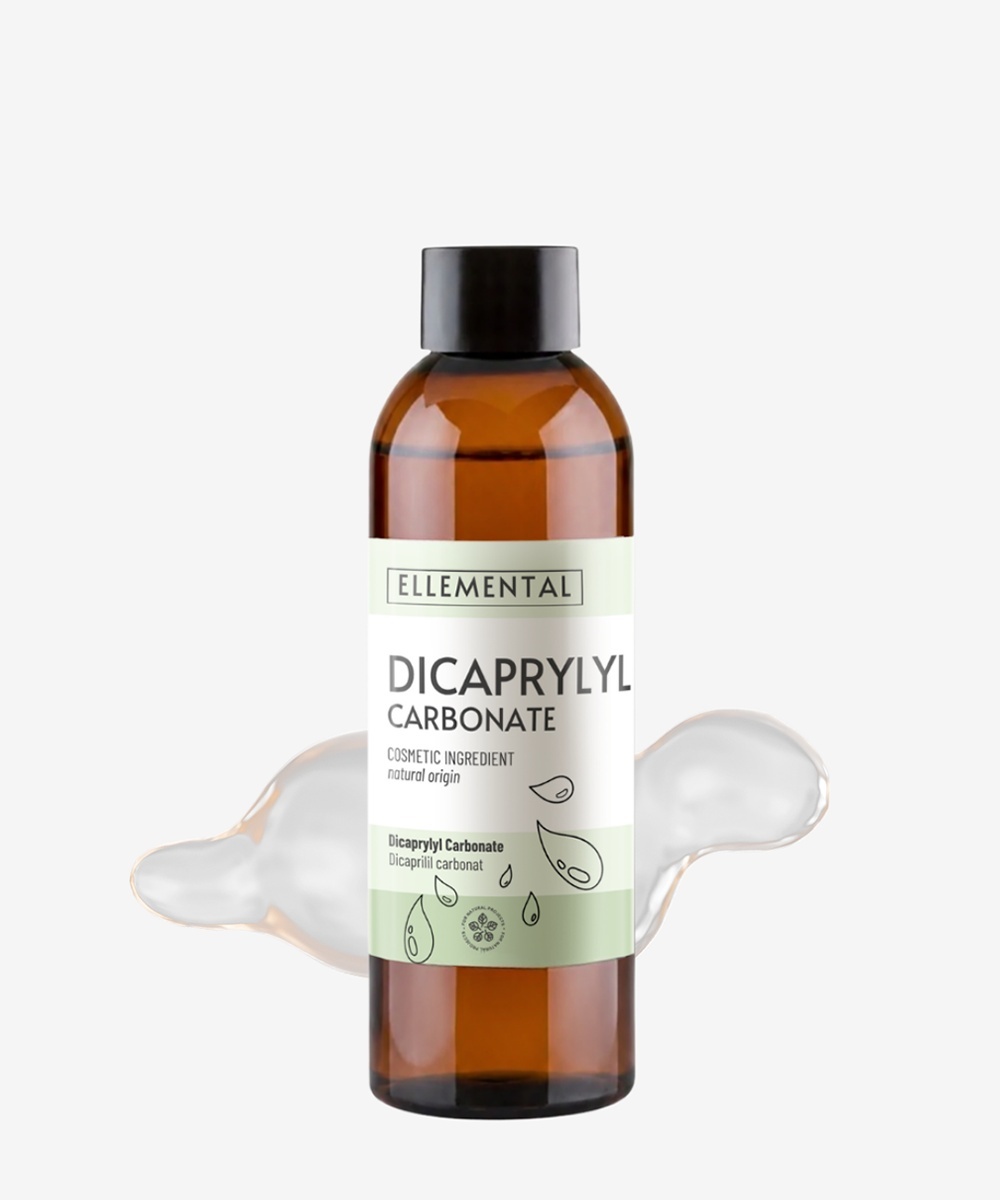
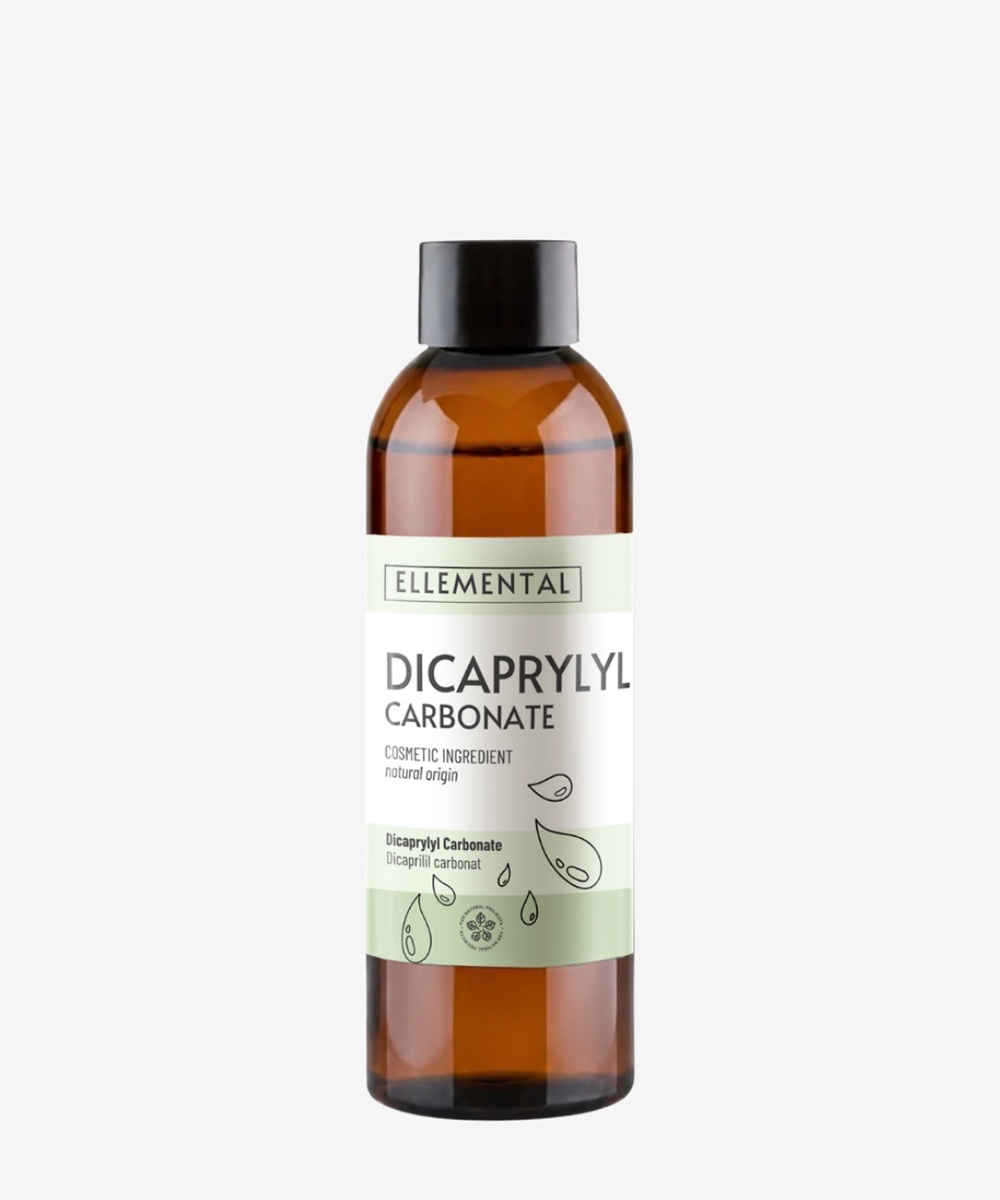
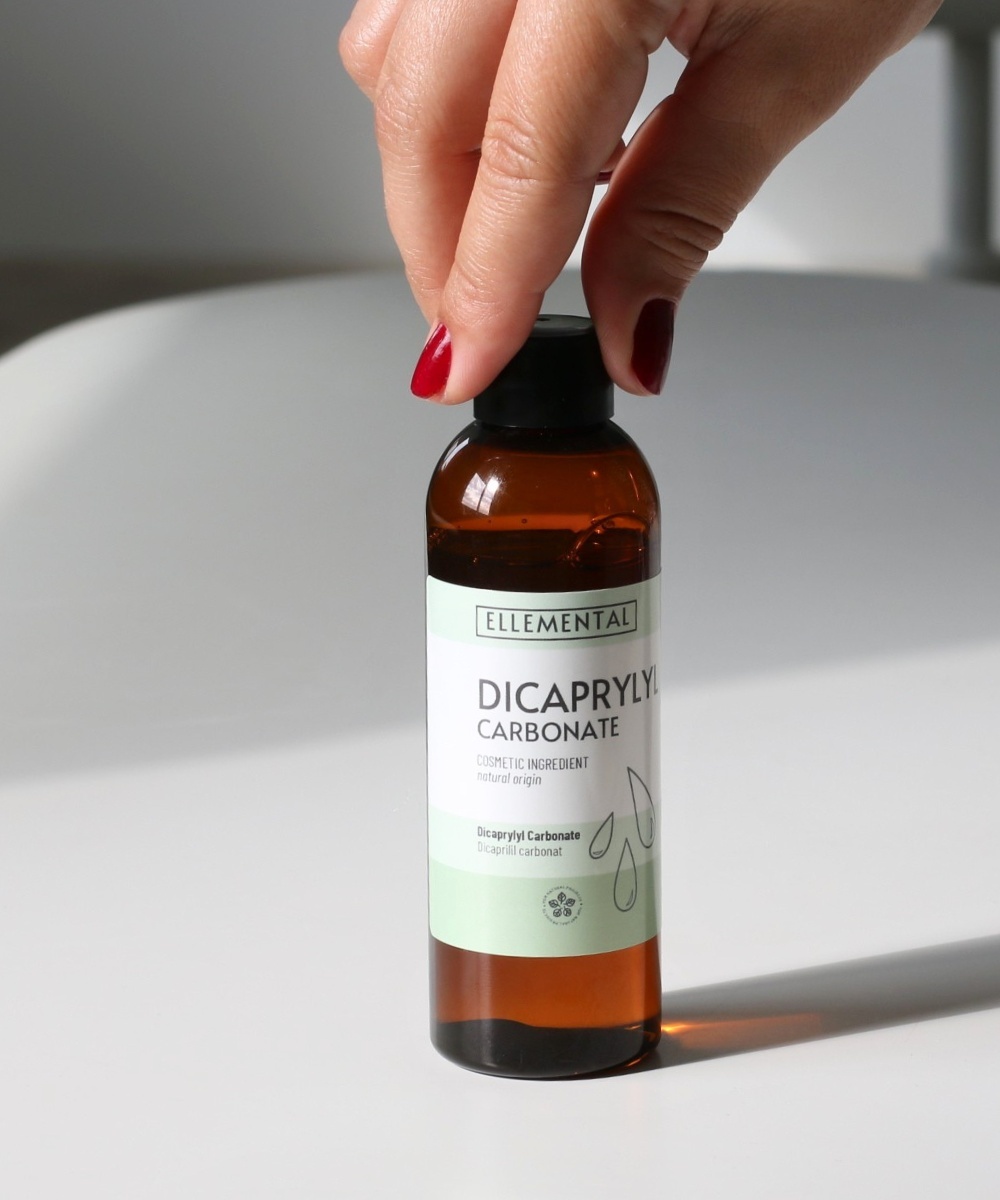
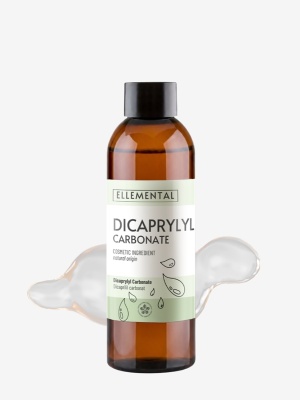
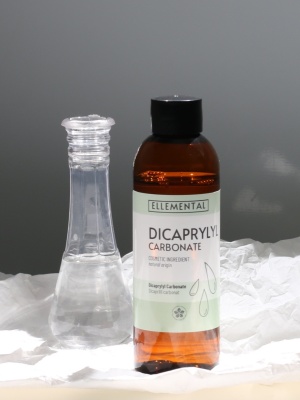
Dicaprylyl Carbonate - Multifunctional Dry Emollient for a Velvet Sensoriality
Dicaprylyl Carbonate is an innovative product of natural origin, recognized as one of the highest-performing "dry" emollients in the cosmetic industry. It is a sustainable and effective alternative to synthetic silicones. It stands out through a rapid spreading capacity, offering finished products a luxurious, non-greasy texture and a silky final sensation. In addition to its exceptional sensory profile, Dicaprylyl Carbonate acts as an excellent solvent for UV filters and a dispersing agent for pigments, making it indispensable in modern sun protection and makeup formulations.
Ingredients: Dicaprylyl Carbonate.
Product performance has been documented through numerous laboratory tests conducted by the manufacturer:
General recommended dosage: 1% – 20%.
In face creams and oily serums: 1% - 10%.
In sun protection products, hair sprays, and makeup removers: 5% - 15%.
Can be used up to 20% or even more in "dry" body oils.
Is Dicaprylyl Carbonate comedogenic?
No, it is considered non-comedogenic. Its light structure and rapid spreading rate make it ideal even for acne-prone skin, as it does not block pores.
Can it replace silicone in my recipes?
Yes, it is one of the best vegetable alternatives for Cyclomethicone. It offers the same "glide" and dry finish but is biodegradable and accepted in organic cosmetics.
Why is it recommended in sun products?
Many UV filters are in powder form or are very dense. Dicaprylyl Carbonate dissolves them perfectly, ensuring that sun protection is evenly distributed across the entire skin surface.
Profile: Safe, biodegradable, and very well-tolerated dermatologically.
Precautions: Exclusively for external cosmetic use. Keep out of reach of children. Do not ingest.
Storage: Store in the original packaging at room temperature, away from light and moisture. It has a generous shelf life due to its resistance to oxidation.
Technical documentation and information provided by the Manufacturer.
CosIng - European Commission Database for Cosmetic Substances and Ingredients.
International regulations regarding cosmetic ingredients (REACH, COSMOS).
Regulation (EC) No. 1223/2009 on cosmetic products.

Write a valid review and earn loyalty points worth €0.40